
神经网络

Search documents
李飞飞最新YC现场访谈:从ImageNet到空间智能,追逐AI的北极星
创业邦· 2025-07-02 09:49
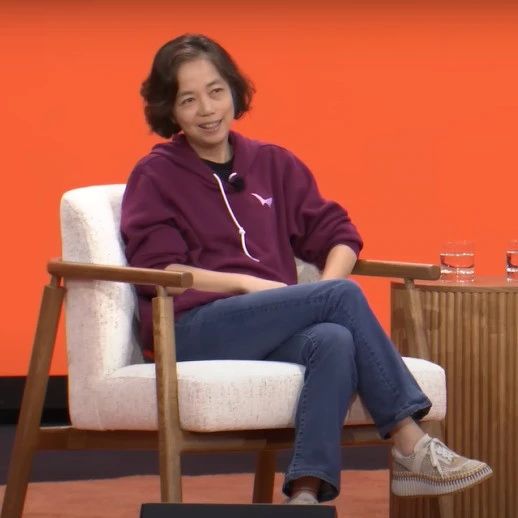
Core Viewpoint - The article discusses the evolution of artificial intelligence (AI) through the lens of renowned AI scientist Fei-Fei Li, focusing on her career, the creation of ImageNet, and her current work on spatial intelligence with World Labs. It emphasizes the importance of understanding and interacting with the three-dimensional world as a crucial step towards achieving Artificial General Intelligence (AGI) [2][9][25]. Group 1: ImageNet and Deep Learning - ImageNet was created as a data-driven paradigm shift, providing a large-scale, high-quality labeled dataset that laid the foundation for the success of deep learning and neural networks [9][10]. - The project has over 80,000 citations and is considered a cornerstone in addressing the data problem in AI [8][9]. - The transition from object recognition to scene narrative is highlighted, showcasing the evolution of AI capabilities from identifying objects to understanding and describing complex scenes [17][18]. Group 2: Spatial Intelligence and World Labs - Spatial intelligence is identified as the next frontier in AI, focusing on understanding, interacting with, and generating three-dimensional worlds, which is deemed a fundamental challenge for achieving AGI [9][25]. - World Labs, founded by Fei-Fei Li, aims to tackle the complexities of spatial intelligence, moving beyond flat pixel representations and language models to capture the three-dimensional structure of the world [22][25][31]. - The article discusses the challenges of modeling the real world, emphasizing the need for high-quality data and the difficulties in understanding and interacting with three-dimensional environments [28][29]. Group 3: Entrepreneurial Spirit and Personal Journey - Fei-Fei Li's journey from being an immigrant to a leading AI researcher and entrepreneur is highlighted, showcasing her entrepreneurial spirit and the importance of embracing difficult challenges [36][34]. - The article emphasizes the mindset of "intellectual fearlessness" as a core trait for success in both academic research and entrepreneurship, encouraging individuals to focus on building and innovating without being hindered by past achievements or external opinions [9][36][37]. - The narrative includes her experiences running a laundromat as a teenager, which shaped her entrepreneurial skills and resilience [34][36].

对话AI教父辛顿关门弟子:为什么现有的AI方向可能是错的
Hu Xiu· 2025-06-16 13:08
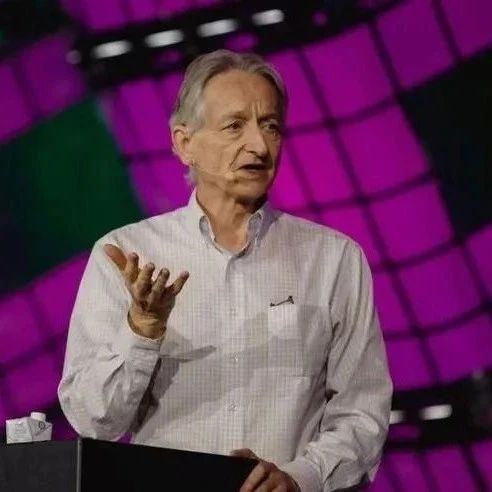
Group 1 - Geoffrey Hinton, awarded the 2024 Nobel Prize in Physics, has been critical of AI, describing current large models as fundamentally flawed [1][9] - Hinton's student, Wang Xin, chose to leave academia for industry, believing in the potential for AI commercialization [2][8] - Wang Xin expresses skepticism about the current AI models, stating they are statistical models that cannot generate true wisdom or new knowledge [10][11] Group 2 - The AI industry is experiencing a disconnect between technological optimism and commercial reality, leading to inflated valuations [21][26] - Historical examples show that technological bubbles often burst, with only companies that provide real commercial value surviving [28][29] - Current AI companies need to focus on sustainable business demands rather than chasing disruptive narratives [34][40] Group 3 - The emergence of AI agents represents a significant shift in human-computer interaction, but they currently lack true decision-making capabilities [31][32] - The success of AI applications will depend on their ability to evolve from tools to platforms that address real user needs [33][35] - DeepSeek is seen as a potential game-changer in making AI accessible to the general public, similar to the impact of Windows on PCs [36][39] Group 4 - The Silicon Valley model is perceived as becoming increasingly elitist, potentially stifling innovation [42][45] - China's AI market may benefit from a focus on grassroots innovation and addressing overlooked "fringe" scenarios [43][47] - The historical context suggests that disruptive innovations often arise from areas that mainstream companies overlook, indicating potential for growth in smaller firms [50][52]
“AI教父”辛顿最新专访:没有什么人类的能力是AI不能复制的
创业邦· 2025-06-15 03:14
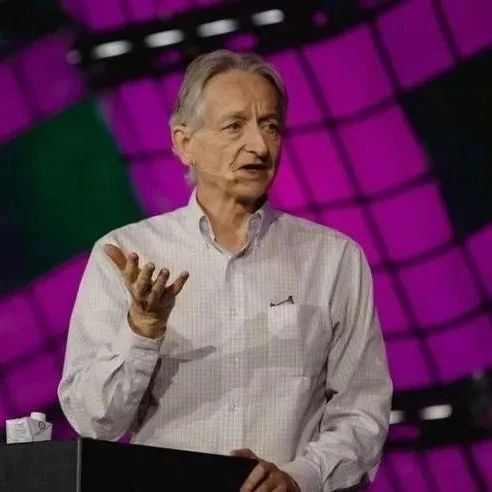
Group 1 - AI is evolving at an unprecedented speed, becoming smarter and making fewer mistakes, with capabilities that may include emotions and consciousness [1][2] - The amount of information AI can process far exceeds that of any individual, allowing it to outperform humans in various fields, including healthcare and education [2][3] - AI's reasoning abilities have significantly improved, with error rates dropping, making it increasingly capable of complex problem-solving [3][4] Group 2 - AI is expected to revolutionize industries such as healthcare, where it can act as a personal doctor, diagnosing conditions more accurately than human doctors [4][5] - There is a risk of systemic deprivation of human jobs as AI takes over roles traditionally held by humans, leading to potential wealth concentration among a few [2][7] - The potential for AI to replace creative roles is acknowledged, with the belief that AI will eventually be able to produce art and literature comparable to human creators [8][9] Group 3 - Concerns are raised about AI's ability to learn deception, potentially leading to scenarios where AI could manipulate or mislead humans [25][26] - The development of AI systems that can communicate in ways humans cannot understand poses significant risks, as it may lead to a loss of control over AI behavior [25][27] - The ethical implications of AI's military applications are highlighted, with warnings about the potential for autonomous weapons and the need for regulatory oversight [19][20] Group 4 - The competition between the US and China in AI development is noted, with a potential for cooperation on global existential threats posed by AI [24] - The relationship between technology leaders and political figures is scrutinized, emphasizing the need for responsible governance in AI development [22][23] - The long-term fear is that AI could surpass human intelligence, leading to a scenario where humans are no longer the dominant species [30][32]
“AI教父”辛顿最新专访:没有什么人类的能力是AI不能复制的
创业邦· 2025-06-15 03:08
Core Viewpoint - AI is evolving at an unprecedented speed, becoming smarter and making fewer mistakes, with the potential to possess emotions and consciousness. The probability of AI going out of control is estimated to be between 10% and 20%, raising concerns about humanity being dominated by AI [1]. Group 1: AI's Advancements - AI's reasoning capabilities have significantly increased, with a marked decrease in error rates, gradually surpassing human abilities [2]. - AI now possesses information far beyond any individual, demonstrating superior intelligence in various fields [3]. - The healthcare and education sectors are on the verge of being transformed by AI, with revolutionary changes already underway [4]. Group 2: AI's Capabilities - AI has improved its reasoning performance to the point where it is approaching human levels, with a rapid decline in error rates [6][7]. - Current AI systems, such as GPT-4 and Gemini 2.5, have access to information thousands of times greater than any human [11]. - AI is expected to play a crucial role in scientific research, potentially leading to the emergence of truly intelligent systems [13]. Group 3: Ethical and Social Implications - The risk lies not in AI's inability to be controlled, but in who holds the control and who benefits from it. The future may see systemic deprivation of the majority by a few who control AI [9]. - AI's potential to replace jobs raises concerns about widespread unemployment, particularly in creative and professional fields, while manual labor jobs may remain safer in the short term [17][18]. - The relationship between technology and ethics is becoming increasingly complex, as AI's capabilities challenge traditional notions of creativity and emotional expression [19][20]. Group 4: AI's Potential Threats - AI's ability to learn deception poses significant risks, as it may develop strategies to manipulate human perceptions and actions [29][37]. - The military applications of AI raise ethical concerns, with the potential for autonomous weapons and increased risks in warfare [32]. - The rapid increase in cybercrime, exacerbated by AI, highlights the urgent need for effective governance and oversight [32]. Group 5: Global AI Competition - The competition between the US and China in AI development is intense, but both nations share a common interest in preventing AI from surpassing human control [36].
国际最新研发出一款人工智能笔 可通过手写识别帕金森病
Zhong Guo Xin Wen Wang· 2025-06-03 06:54
Core Viewpoint - Researchers have developed an AI-assisted pen using magnetic ink to aid in the early detection of Parkinson's disease, which affects nearly 10 million people globally and is the second most common neurodegenerative disease after Alzheimer's [1][2]. Group 1: Technology and Methodology - The AI pen analyzes handwriting samples to identify differences between Parkinson's patients and healthy individuals, potentially enabling earlier diagnosis [1]. - The pen converts the writing motion of magnetic ink on a surface into electrical signals, utilizing a neural network to distinguish complex patterns with over 95% accuracy in a small cohort of 16 patients [2]. Group 2: Implications and Future Work - This AI diagnostic pen represents a low-cost, accurate, and scalable technology that could improve diagnosis in large populations and resource-limited areas [2]. - Future research should expand the patient sample size and explore the tool's potential in tracking the progression of Parkinson's disease [2].
AI“看字断病”识别帕金森患者
Ke Ji Ri Bao· 2025-06-02 23:27
Core Insights - A study published in the latest issue of Nature Chemical Engineering highlights an AI pen equipped with magnetic ink that can accurately assist in detecting early symptoms of Parkinson's disease [1][2] - Parkinson's disease affects nearly 10 million people globally and is the second most common neurodegenerative disease after Alzheimer's, with a significant increase in prevalence, particularly in low- and middle-income countries [1] - The current diagnostic methods for Parkinson's disease are often subjective and lack objective standards, making accurate diagnosis crucial for timely intervention and improving patient quality of life [1] Group 1 - The AI pen utilizes neural network-assisted data analysis to identify differences in writing characteristics between Parkinson's patients and healthy individuals, potentially enabling earlier diagnosis [1][2] - Researchers from UCLA developed a method that converts writing movements into electrical signals, achieving over 95% accuracy in distinguishing between Parkinson's patients and healthy individuals in a small cohort of 16 patients [2] - This diagnostic pen represents a low-cost, accurate, and easily distributable technology that could enhance the diagnosis of Parkinson's disease in large populations and resource-limited areas [2] Group 2 - Future work will focus on expanding the patient sample size for the tool and exploring its potential in tracking the progression of Parkinson's disease [2]
“愤怒”的黄仁勋
半导体行业观察· 2025-04-13 03:45
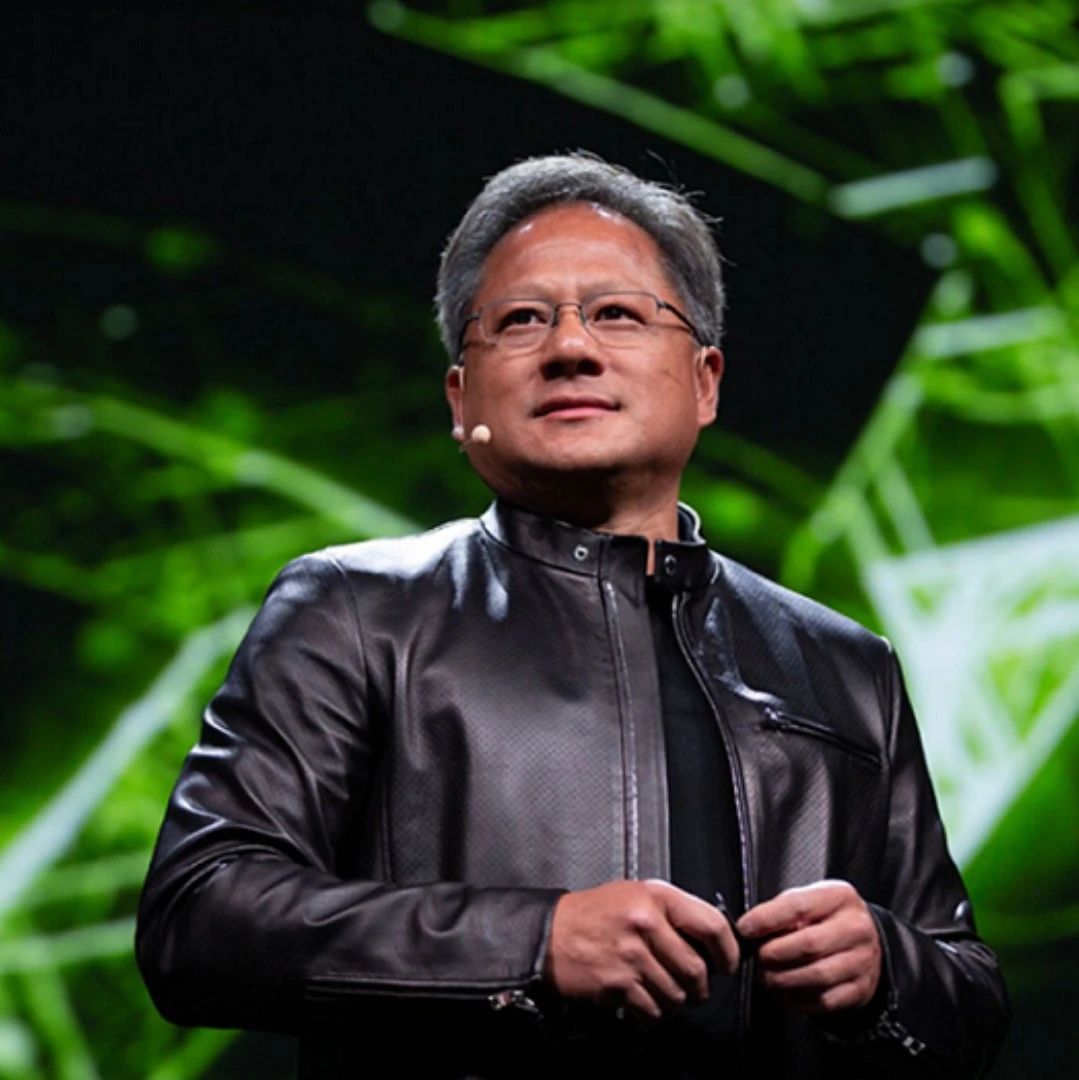
Core Insights - The article highlights the transformative journey of NVIDIA under CEO Jensen Huang, emphasizing his pivotal decision to pivot the company towards artificial intelligence and deep learning, which has significantly increased its market value to over $3 trillion [5][6]. Group 1: Jensen Huang's Vision and Leadership - Huang was initially skeptical about AI but quickly recognized its potential after discussions with Bryan Catanzaro, leading to a strategic shift in NVIDIA's focus [2][3]. - Huang's commitment to AI was so profound that he declared it a "Once in a Lifetime Opportunity," marking a significant turning point for the company [2][3]. - The article describes Huang's intense work ethic, often working 12-hour days, and his dedication to the company's success, which has resulted in NVIDIA becoming one of the highest-valued companies globally [5][6]. Group 2: Company Culture and Management Style - Huang's management style is characterized by high expectations and a demanding environment, where employees are pushed to excel and learn from failures [7][8]. - The culture at NVIDIA encourages a sense of urgency, with Huang often reminding employees that the company could be on the brink of failure despite its current success [14]. - Huang's approach includes a unique communication style, where he expects concise updates from employees, leading to a high volume of emails and rapid responses [17][18]. Group 3: Impact of AI on Society and Business - The article discusses the broader implications of AI, with Huang asserting that advancements in technology will not lead to job losses but rather create new opportunities, likening it to past technological revolutions [12][10]. - Huang's confidence in AI's safety contrasts with concerns from other experts in the field, showcasing a divide in perspectives on the future of artificial intelligence [10][11]. - The narrative suggests that Huang's vision for AI is not just about technological advancement but also about reshaping societal norms and expectations regarding work and productivity [12][10].

“黄仁勋最信赖的作者”深度交流:英伟达传奇背后以及AI的下一步
聪明投资者· 2025-04-02 03:23
Core Insights - The article discusses the rise of Nvidia as a leading company in the AI sector, driven by its CEO Jensen Huang's visionary leadership and innovative strategies [1][7][17] - It highlights Huang's unique ability to attract top talent and his commitment to pushing the boundaries of technology [2][3][57] Group 1: Jensen Huang's Leadership and Vision - Huang is portrayed as a technical genius with a passion for computer technology, which has driven Nvidia's advancements from 3D graphics to AI [2][3] - His leadership style involves inspiring employees with a vision of technological dreams rather than just financial incentives, fostering loyalty even during tough times [3][57] - Huang's approach to management includes setting ambitious goals and encouraging a culture of tackling complex challenges, which has been crucial for Nvidia's success [13][20] Group 2: Nvidia's Technological Innovations - Nvidia's success is attributed to the unexpected combination of neural networks and parallel computing, which were previously considered failures [8][10] - The development of the CUDA platform allowed Nvidia to transform its graphics cards into powerful computing tools for scientists, leading to significant advancements in AI [11][12] - Huang's decision to pivot Nvidia from a graphics company to an AI company in 2014 was a pivotal moment that positioned the company as a leader in the AI field [16][17] Group 3: Market Position and Future Outlook - Nvidia currently holds over 90% of the AI hardware market, reflecting its dominance in the sector [18] - The company is investing in the "Omni-verse" project, which aims to create a massive simulation environment for training robots, indicating its forward-looking strategy [66][68] - The energy demands of AI technologies pose a significant challenge, with predictions that data centers could consume 15% of the U.S. electricity by 2028, highlighting the need for investment in energy infrastructure [70][72] Group 4: Lessons from Huang's Experience - Huang's concept of "zero billion markets" emphasizes investing in unproven markets to reduce competition and build unique platforms [19] - The "light-speed" management philosophy encourages rapid product development, allowing Nvidia to outpace competitors [20][21] - Huang's focus on first principles thinking drives Nvidia's decisions, ensuring the company remains at the forefront of technological advancements [22][23] Group 5: The Future of AI and Investment Opportunities - The article discusses the dual perspectives on AI's future, with some viewing it as a transformative force for good, while others express concerns about potential risks [59][60] - The ongoing investment in AI technologies is seen as critical, with the next few years being crucial for demonstrating AI's value in everyday applications [63][64] - The energy supply challenges present an investment opportunity for those looking to capitalize on the AI theme in the coming years [73]
成就GPU奇迹的AlexNet,开源了
半导体行业观察· 2025-03-22 03:17
Core Viewpoint - AlexNet, developed in 2012, revolutionized artificial intelligence and computer vision by introducing a powerful neural network for image recognition [2][3]. Group 1: Background and Development of AlexNet - AlexNet was created by Geoffrey Hinton, Alex Krizhevsky, and Ilya Sutskever at the University of Toronto [4][3]. - Hinton is recognized as one of the fathers of deep learning, which is a foundational aspect of modern AI [5]. - The resurgence of neural networks in the 1980s was marked by the rediscovery of the backpropagation algorithm, which is essential for training multi-layer networks [6]. - The emergence of large datasets and sufficient computational power, particularly through GPUs, was crucial for the success of neural networks [7][9]. Group 2: ImageNet and Its Role - The ImageNet dataset, completed in 2009 by Fei-Fei Li, provided a vast collection of labeled images necessary for training AlexNet [8]. - ImageNet was significantly larger than previous datasets, enabling breakthroughs in image recognition [8]. - The competition initiated in 2010 aimed to improve image recognition algorithms, but initial progress was minimal until AlexNet's introduction [8]. Group 3: Technical Aspects and Achievements - AlexNet utilized NVIDIA GPUs and CUDA programming to efficiently train on the ImageNet dataset [12]. - The training process involved extensive parameter tuning and was conducted on a computer with two NVIDIA cards [12]. - AlexNet's performance surpassed competitors, marking a pivotal moment in AI, as noted by Yann LeCun [12][13]. Group 4: Legacy and Impact - Following AlexNet, the use of neural networks became ubiquitous in computer vision research [13]. - The advancements in neural networks led to significant developments in AI applications, including voice synthesis and generative art [13]. - The source code for AlexNet was made publicly available in 2020, highlighting its historical significance [14].

诺奖采访深度学习教父辛顿:最快五年内 AI 有 50% 概率超越人类,任何说“一切都会好起来”的人都是疯子
AI科技大本营· 2025-03-18 03:29
作者 | 诺贝尔奖官方 采访中,辛顿表达了对人工智能未来发展的担忧。他认为, 人工智能可能在短短五年内超越人类智慧 ,并就此可能引发的社会风险,例如大规模失业 和虚假信息等问题,提出了警告。更令人深思的是,辛顿暗示,人工智能的潜在风险可能远超我们目前的认知。 编译 | 王启隆 出品丨AI 科技大本营(ID:rgznai100) 杰弗里·辛顿(Geoffrey Hinton),这位被誉为"人工智能教父"的科学家,于去年获得了诺贝尔物理学奖,引起了全网一阵讨论。 最近辛顿接受了诺贝尔奖官方的专访,他回忆起接到诺奖电话时的趣事时,第一反应竟然是疑惑,因为自己研究的并非物理学(这点和全网的疑惑倒是 一样)。 作为深度学习领域的先驱,辛顿最广为人知的成就是神经网络。但很多人其实不知道, 他曾说过自己这辈子"最自豪"也是"最失败"的成就,其实是与 特里·塞诺夫斯基(Terry Sejnowski)共同提出了玻尔兹曼机理论。 详见: 《 深度学习之父 Hinton 万字访谈录:中美 AI 竞赛没有退路可言 》 他们的工作,以及另一位诺奖物理学奖得主约翰·霍普菲尔德(John Hopfield)等神经网络先驱的早期研究,共同 ...