
轻医美

Search documents
为颜值投资340亿?男性医美需求为何开始暴涨?
思宇MedTech· 2025-05-12 09:57
Core Viewpoint - The male aesthetic medicine market is rapidly growing, with an annual growth rate exceeding 20%, and is expected to reach a market size of 227.9 billion yuan by 2025, with males accounting for nearly 15% of the overall market [1][10] Group 1: Market Growth and Trends - The male aesthetic medicine market is experiencing a significant shift from a niche to a mainstream segment, with male consumers increasing by 68% from 2021 and 227% from 2019 [1][2] - In 2023, male spending on aesthetic medicine increased by 27%, with 43% of surveyed males planning to increase their spending in 2024 [1][10] - The demand for aesthetic procedures among men is diversifying, focusing on hair and skin treatments, with popular procedures including hair transplants, skin rejuvenation, and anti-aging treatments [2][3] Group 2: Influencing Factors - Workplace and social media pressures are driving men to enhance their appearance, with 76% of HR professionals believing that appearance management affects interview evaluations [3][4] - The rise of "beauty influencers" on social media platforms has encouraged more men to share their aesthetic experiences, reducing stigma and increasing acceptance of aesthetic procedures [3][4] Group 3: Industry Opportunities - The emergence of specialized male aesthetic institutions and the segmentation of male aesthetic services indicate a growing recognition of this market [4][5] - The hair restoration market is projected to grow significantly, with the global hair loss market valued at $8.77 billion in 2023 and expected to grow at a CAGR of 9.1% from 2024 to 2030 [6][7] Group 4: Light Aesthetic Medicine - Light aesthetic procedures are particularly appealing to male consumers due to their non-permanent effects and shorter recovery times, making them an attractive entry point for first-time users [12][10] - The non-surgical aesthetic market is expected to exceed 100 billion yuan by 2025, with light treatments like photorejuvenation gaining popularity [12][13] Group 5: Consumer Demographics - The average age of male aesthetic consumers is around 35, with 70% being over 30 years old, indicating a mature demographic that is increasingly focused on personal appearance [10][14] - Male consumers are categorized into three groups: those accompanying others, younger males (post-95s and 00s) who prioritize appearance, and economically stable middle-aged men seeking anti-aging solutions [14][15] Group 6: Challenges and Future Outlook - Traditional views still limit male engagement in aesthetic medicine, and the presence of unqualified institutions poses risks to consumers [16] - Regulatory measures are expected to enhance safety and standards in the aesthetic medicine industry, with a focus on ensuring qualified practitioners handle surgical procedures [16] - As societal attitudes evolve, the male aesthetic market is anticipated to become a new growth point for the industry, driving innovation and service upgrades [16]

中国整形美容市场投资分析及前景预测报告
Sou Hu Cai Jing· 2025-03-24 06:29
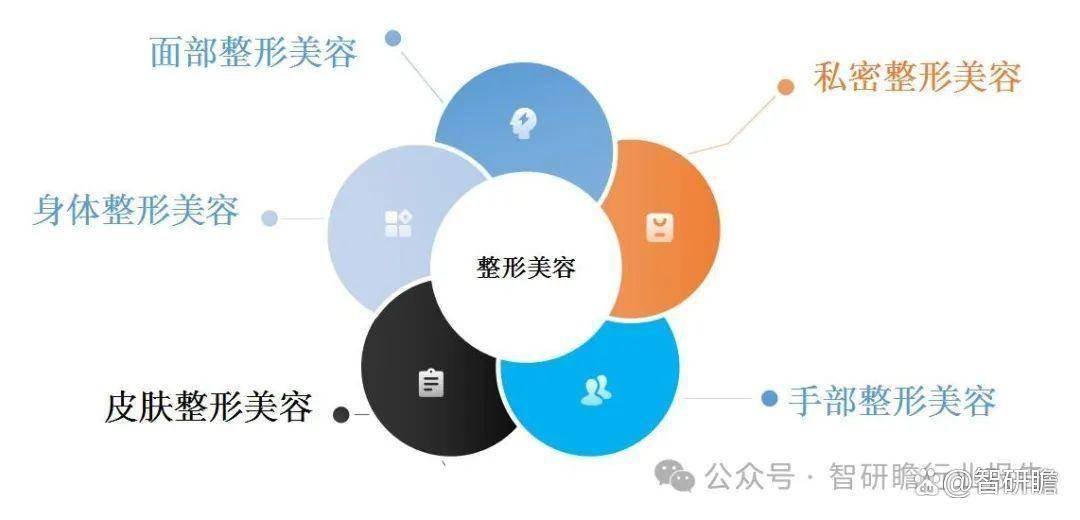
Industry Overview - The cosmetic surgery industry is defined as a medical branch focused on enhancing individual aesthetic appearance through surgical, pharmaceutical, and medical device interventions, comprising two main segments: medical beauty and lifestyle beauty [1] - Medical beauty focuses on invasive treatments, while lifestyle beauty emphasizes non-invasive services [1] Industry Classification - Cosmetic surgery includes facial procedures (e.g., double eyelid surgery, rhinoplasty), body procedures (e.g., liposuction, breast augmentation), skin treatments (e.g., laser beauty), intimate procedures (e.g., vaginal tightening), and hand procedures [2] Historical Development - The modern cosmetic surgery field began in the late 19th century, with significant advancements during and after the World Wars due to the need for reconstructive surgeries [4] - The 21st century has seen rapid growth in the industry, particularly in Asia, with technological advancements enhancing service quality [4] Market Size and Growth Rate - The Chinese medical beauty market experienced a decline in growth rate to 9.9% in 2020 due to the pandemic but rebounded to a market size of 217.9 billion RMB in 2021, with a growth rate of 12.4% [8] - Projections indicate the market could reach 410.8 billion RMB by 2025, with a compound annual growth rate (CAGR) of 17.2% from 2024 to 2025 [8] Non-Surgical Market Dynamics - The non-surgical medical beauty market, driven by increasing demand for anti-aging solutions, reached 75.2 billion RMB in 2021 and is expected to exceed 227.9 billion RMB by 2025, with a CAGR of 31.9% [9] - In 2022, approximately 70% of consumers opted for non-surgical procedures, reflecting a shift towards less invasive options [10] Regulatory Environment - Recent years have seen increased regulatory scrutiny in China's cosmetic surgery industry, with new laws aimed at ensuring consumer protection and market order [11] - Regulations include stricter standards for the establishment and operation of cosmetic surgery institutions and enhanced scrutiny of advertising claims [11] Industry Challenges - The industry faces challenges such as inconsistent entry standards, misleading advertising, inadequate enforcement of regulations, and the circulation of counterfeit medical products [13] - Consumer rights protection mechanisms are still developing, with existing laws needing stronger enforcement against violations [13] Future Outlook - The cosmetic surgery industry is expected to grow significantly due to rising living standards, changing aesthetic values, and advancements in medical technology [15] - The integration of international best practices and local expertise is anticipated to enhance service quality and safety in the industry [15]
戚薇承认了!张檬哭求“别整容”!肉毒素频翻车,你还敢跟风吗?
21世纪经济报道· 2025-03-14 04:14
Core Viewpoint - The article discusses the rising concerns and incidents related to the use of botulinum toxin (commonly known as Botox) in cosmetic procedures, highlighting the risks associated with unregulated products and practices in the medical beauty industry. Group 1: Incidents and Risks - Recent incidents involving celebrities, such as actress Qi Wei and actor Du Chun's wife, illustrate the potential dangers of excessive botulinum toxin injections and allergic reactions [1][2] - There has been a noticeable increase in discussions about botulinum toxin poisoning on the internet, with legal consultations regarding such cases rising significantly [4] - Many cases of poisoning stem from excessive dosages or counterfeit products, with reports of severe reactions including dizziness, weakness, and swallowing difficulties [4][10] Group 2: Market Dynamics - The botulinum toxin market in China is experiencing rapid growth, with projections indicating an increase from 3.9 billion yuan in 2020 to 11.4 billion yuan by 2025 [22] - The market has evolved from a dual-competitor landscape to a more diversified one, with multiple companies entering the space, including Huons, Hugel, and others [22][23] - Despite strict regulatory policies, the prevalence of counterfeit products remains high, posing significant safety risks to consumers [25][10] Group 3: Consumer Awareness and Safety - Consumers are often misled by unqualified practitioners and may not be aware of the products being used or their potential side effects [28][29] - It is crucial for consumers to verify the qualifications of medical institutions and practitioners, as well as the legitimacy of the products being used [28] - Recommendations for safe practices include ensuring the use of licensed medical facilities, qualified physicians, and legitimate products to mitigate risks associated with botulinum toxin injections [28][30]
