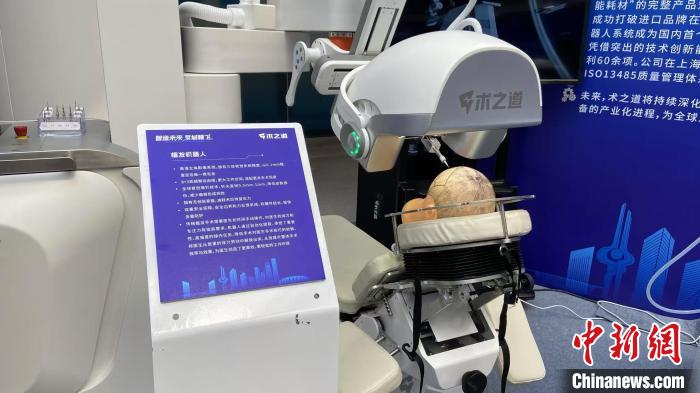
植发机器人

Search documents
对话星动纪元、逐际动力投资人:具身赛道不会“赢者通吃”
3 6 Ke· 2025-07-28 07:39
Core Viewpoint - The article discusses the optimistic perspective of Wang Guangxi, Vice President of Lenovo Group and partner at Lenovo Ventures, regarding the future of embodied intelligence despite some skepticism in the industry about its viability and potential bubble [1][31]. Investment Strategy - Wang Guangxi emphasizes the importance of investing in companies with the potential to navigate through economic cycles, focusing on those that can demonstrate resilience and adaptability [1][31]. - Lenovo Ventures has invested in both established companies in the robotics sector and new startups, indicating a diversified investment strategy [38]. Market Opportunities - The embodied intelligence industry is currently experiencing a phase of diverse innovation, with various types of robots being developed for different applications, including humanoid robots and composite robots [1][4]. - Wang identifies education and industrial applications as key growth areas, predicting that the market for quadruped robots in education could reach hundreds of billions in scale [7][8]. - Industrial applications are seen as promising, with the potential for embodied intelligence to significantly enhance efficiency and reduce costs in existing processes [10][11]. Company Characteristics - Two types of companies are highlighted: established firms that have been in the robotics business prior to the rise of embodied intelligence, and new companies that are pushing the boundaries of AI technology [3][4]. - Established companies have a customer base and can quickly realize value by integrating AI capabilities, while new companies often have strong research teams and higher risk-reward potential [3][4]. Challenges and Dynamics - The industry is characterized by a lack of consensus on future directions and technological paths, with various teams pursuing different methodologies [14][15]. - Wang notes that the rapid pace of scientific method iteration requires companies to be agile and capable of adapting to new developments [15][16]. Future Outlook - Wang anticipates that some companies will achieve IPOs in the near future, which could significantly impact the industry landscape [23][24]. - Despite concerns about potential bubbles, he believes that companies that find their unique value propositions will likely survive and thrive through economic fluctuations [39].

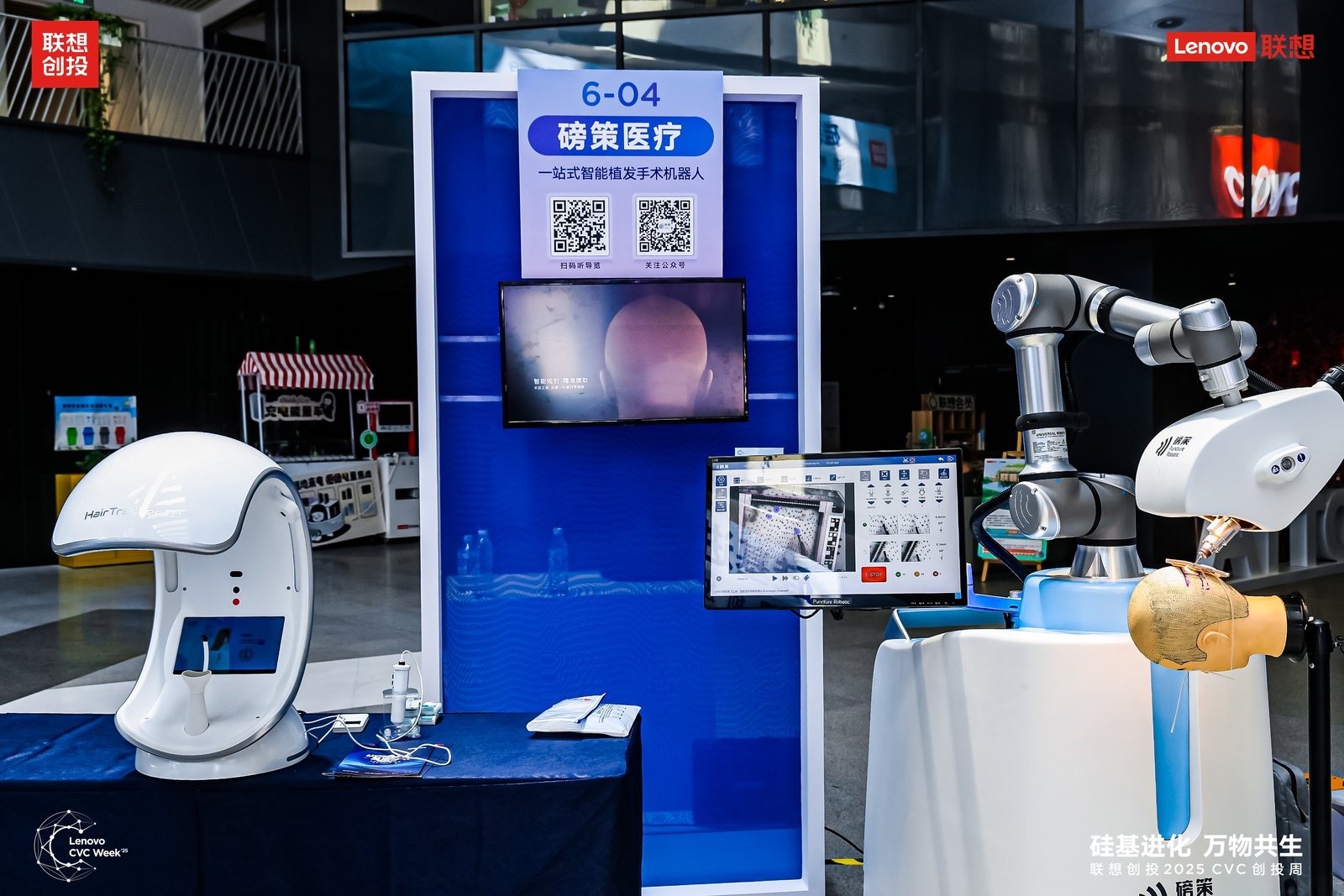
为颜值投资340亿?男性医美需求为何开始暴涨?
思宇MedTech· 2025-05-12 09:57
Core Viewpoint - The male aesthetic medicine market is rapidly growing, with an annual growth rate exceeding 20%, and is expected to reach a market size of 227.9 billion yuan by 2025, with males accounting for nearly 15% of the overall market [1][10] Group 1: Market Growth and Trends - The male aesthetic medicine market is experiencing a significant shift from a niche to a mainstream segment, with male consumers increasing by 68% from 2021 and 227% from 2019 [1][2] - In 2023, male spending on aesthetic medicine increased by 27%, with 43% of surveyed males planning to increase their spending in 2024 [1][10] - The demand for aesthetic procedures among men is diversifying, focusing on hair and skin treatments, with popular procedures including hair transplants, skin rejuvenation, and anti-aging treatments [2][3] Group 2: Influencing Factors - Workplace and social media pressures are driving men to enhance their appearance, with 76% of HR professionals believing that appearance management affects interview evaluations [3][4] - The rise of "beauty influencers" on social media platforms has encouraged more men to share their aesthetic experiences, reducing stigma and increasing acceptance of aesthetic procedures [3][4] Group 3: Industry Opportunities - The emergence of specialized male aesthetic institutions and the segmentation of male aesthetic services indicate a growing recognition of this market [4][5] - The hair restoration market is projected to grow significantly, with the global hair loss market valued at $8.77 billion in 2023 and expected to grow at a CAGR of 9.1% from 2024 to 2030 [6][7] Group 4: Light Aesthetic Medicine - Light aesthetic procedures are particularly appealing to male consumers due to their non-permanent effects and shorter recovery times, making them an attractive entry point for first-time users [12][10] - The non-surgical aesthetic market is expected to exceed 100 billion yuan by 2025, with light treatments like photorejuvenation gaining popularity [12][13] Group 5: Consumer Demographics - The average age of male aesthetic consumers is around 35, with 70% being over 30 years old, indicating a mature demographic that is increasingly focused on personal appearance [10][14] - Male consumers are categorized into three groups: those accompanying others, younger males (post-95s and 00s) who prioritize appearance, and economically stable middle-aged men seeking anti-aging solutions [14][15] Group 6: Challenges and Future Outlook - Traditional views still limit male engagement in aesthetic medicine, and the presence of unqualified institutions poses risks to consumers [16] - Regulatory measures are expected to enhance safety and standards in the aesthetic medicine industry, with a focus on ensuring qualified practitioners handle surgical procedures [16] - As societal attitudes evolve, the male aesthetic market is anticipated to become a new growth point for the industry, driving innovation and service upgrades [16]

济南举办机器人产业供需对接活动 拓展机器人应用场景
Zhong Guo Xin Wen Wang· 2025-04-22 11:55
Group 1: Event Overview - The Jinan Robot Industry Innovation Achievement Exhibition and Supply-Demand Matching Event was held on April 22, showcasing various types of robots including industrial, service, special, and humanoid robots to promote product application and industry collaboration [1] - The event aimed to expand the application scenarios of robots and featured participation from research and development enterprises [1] Group 2: Key Exhibits and Innovations - Shandong University showcased the wheeled biped robot SKATER and mobile operation robots, focusing on advanced technologies in legged robots, special environment operation robots, and medical robots [1] - The firefighting, intelligent emergency response, and pollutant disposal robots developed by the research center have been launched for market application, with the pollutant disposal robot designed to operate in hazardous environments [1] - A hair transplant robot from Shanghai Shuzhidao Robot Co., Ltd. was highlighted for its precision in hair extraction, significantly improving surgical efficiency and reducing physical strain on doctors [3] - Jinan Aivi Internet Co., Ltd. presented the "Aivi Baby Smart Morning Check Robot," capable of conducting health checks in three seconds and identifying over 20 health issues, with plans to enhance its functionalities [5] Group 3: Industry Landscape - Jinan currently has 91 robot enterprises, with 68 being large-scale, and the core industry size reaching 14.2 billion RMB, featuring well-known companies like State Grid Intelligent and Lanjian Intelligent [7] - The city has made significant advancements in various sectors including metallurgy, electricity, automotive molds, and construction robots, with products exported to over 100 countries [7] - Jinan has planned 13 industrial parks to serve as bases for attracting and nurturing the robot industry [7]