医养结合

Search documents
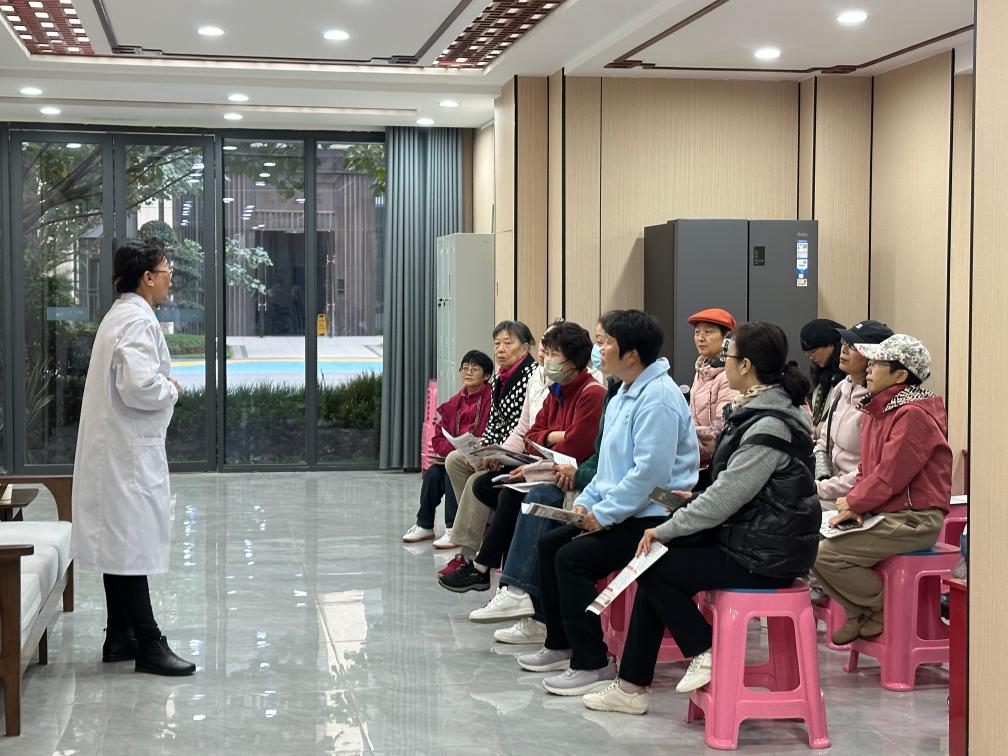
贵州“健康敲门行动” 惠及36万余人次失能老人
Xin Lang Cai Jing· 2026-01-02 17:26
据悉,2025年"健康敲门行动"围绕"三个一"服务展开,即开展一次失能等级和老年健康评估,包括日常 生活能力、精神状态与社会参与能力等失能等级评估,以及口腔健康、听力健康、营养状况、认知功 能、跌倒风险等老年健康评估;提供一系列整合型老年健康服务,包括血压血糖测量、康复护理指导、 心理关爱、失能预防、安宁疗护等健康指导服务;建立一条老年健康服务绿色通道,为有进一步诊疗需 求的老年人提供便捷转诊。在此基础上,各地将积极探索"敲门 +"医养结合服务模式,通过定期联系延 伸健康守护。 转自:贵州日报 本报讯 根据"十四五"时期贵州省整体提升卫生健康水平攻坚行动计划要求,贵州省卫健委将失能老年 人"健康敲门行动"等项目作为推进老年健康服务专项行动的重要内容持续深化实施。"十四五"期间,已 累计为中度及以上失能老年人提供免费上门服务 36.5万人次,夯实了老年人健康服务保障"最后一公 里"。 据贵州省统计局发布的数据,截至2024年末,全省65岁及以上老年人口498万人,占总人口的12.9%, 随着人口老龄化程度加深,老年人的健康服务保障日益重要,尤其是失能老年人是需要重点关怀的群 体。2023年,省卫生健康委、省民政 ...
第二届首都中西医医养结合发展大会:推动首都医养结合高质量发展
Zhong Guo Jing Ji Wang· 2025-12-31 15:24
Group 1 - The second Capital Integrated Traditional Chinese and Western Medicine Health and Care Development Conference was held on December 27, 2025, focusing on the theme of "penetrating integration and building shared development" to promote sustainable and replicable development in the field of integrated health and care [1] - The conference aimed to establish a consensus on "prevention first, integration of medicine and care," addressing the challenges of an aging population with a systematic "Beijing solution" [2] - The event showcased innovative achievements and practical progress in the integrated health and care sector, creating an open and efficient industry ecosystem for collaboration [1][2] Group 2 - The conference emphasized the need to build a comprehensive health and care service system covering all demographics and life cycles, addressing the "last mile" issue in health and care services [2] - A series of standards related to health and care were released, and the public solicitation for the "Beijing Integrated Traditional Chinese and Western Medicine Comprehensive Service Platform" was initiated, marking significant progress in standardization and informatization [2] - Key reports were presented by experts in various fields, including brain science, chronic kidney disease, and the integration of health and care in community settings, highlighting collaborative approaches and practical experiences [2][3] Group 3 - The conference featured six parallel meetings focusing on key areas such as cancer rehabilitation, kidney disease development, and the integration of traditional and modern health practices [3] - The establishment of a special fund for the transformation of traditional Chinese medicine technology was announced to accelerate the integration of production, education, and research [3] - Initiatives were introduced to promote health consumption and guarantee platforms for veterans and the public, as well as the implementation of service standards for health and wellness tourism [3]
滕州市善南街道医养结合资源整合试点正式启动
Qi Lu Wan Bao· 2025-12-29 05:41
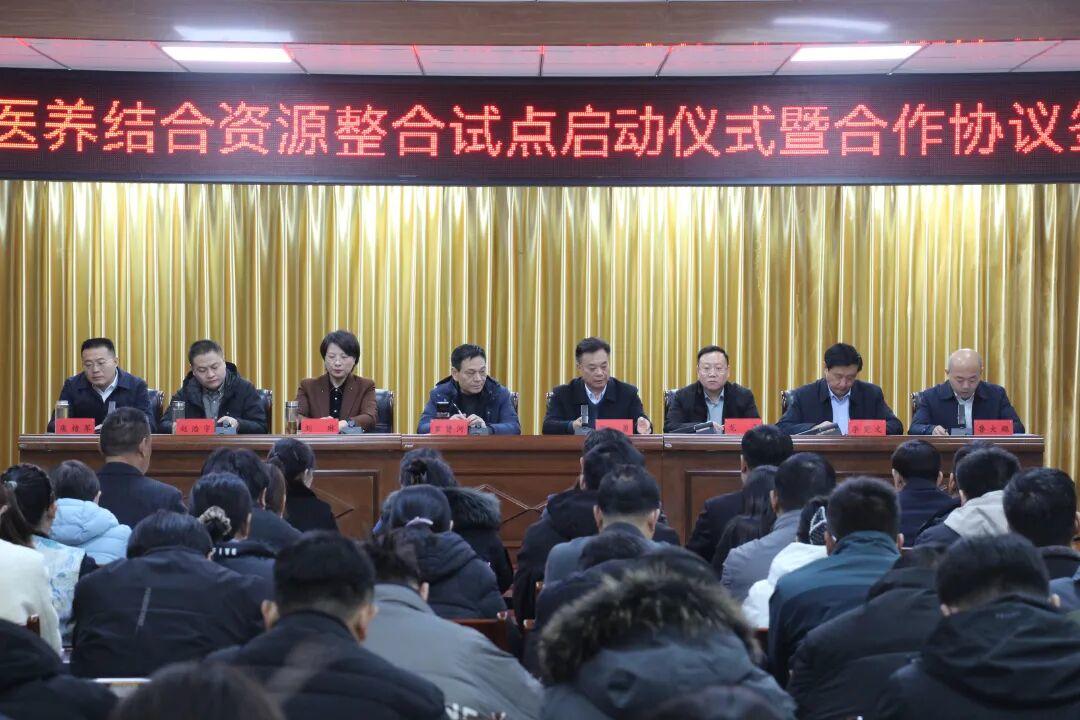
善南街道党工委书记庞传军同志致辞时指出,试点将打通医疗资源与养老服务的衔接壁垒。并特别肯定滕州市康复医院康复技术优势对项目落地的关键作 用。 12月18日,滕州市善南街道医养结合资源整合试点启动仪式在社区卫生服务中心举行。滕州市康复医院作为核心技术支持单位,与三方合作单位共同开启 医养融合新篇章。善南街道党工委副书记、办事处主任鲁大鹏同志主持仪式。 滕州市康复医院党委书记王长青同志郑重表态,锚定枢纽定位,筑牢联动桥梁;聚焦全周期需求,争当协同主力;抓实义诊服务,打响试点先手;坚持试 点先行,打造示范标杆! 四方单位负责人的承诺铿锵有力:枣庄市胸科医院党委书记龙奇同志表示,要形成"市级医院诊疗-县级医院康复-社区随访管理-养老院长期照护"的无缝转 诊机制,转诊效率提升50%。 金桂园养老院院长李青亮立下实现"医疗服务全覆盖、康复服务常态化、安宁疗护标准化",入住老人健康满意度达95%以上的军令状。 善南社区卫生服务中心主任孟凡冉承诺,构建"15分钟医养康复服务圈",善南街道辖区老年群体医疗康复服务可及率达100%。 在全体与会者见证下,四方代表于签字台前郑重签署《医养结合战略合作协议》。随着签字笔落下,会场响起 ...

本市社区医疗机构已达1993个
Xin Lang Cai Jing· 2025-12-28 18:23
Core Viewpoint - The article highlights the establishment of a comprehensive and efficient elderly health service system in Beijing during the 14th Five-Year Plan period, focusing on the increasing elderly population and the city's efforts to meet their health needs through various healthcare initiatives [1][2]. Group 1: Elderly Population Statistics - By the end of 2024, the population aged 60 and above in Beijing is expected to reach 5.14 million, accounting for 23.5% of the total resident population, marking a significant milestone [2]. - The population aged 80 and above is approximately 687,000, representing 3.1% of the total population [2]. Group 2: Health Service Network - The elderly health service system is structured as "1+17+N," with Beijing Elderly Hospital as the city-level center, 17 district-level hospitals as guidance centers, and various medical institutions providing services [2]. - There are currently 1,993 community health service centers operating in the city, which provide basic medical and public health services to the elderly [2]. Group 3: Healthcare Utilization - In 2024, the family doctor signing rate exceeded 45%, with a continuous signing rate of 90% for key populations, including the elderly [2]. - Community health service institutions recorded a total of 92.81 million visits, with elderly patients accounting for 52.02 million visits, representing 56% of the total [2]. Group 4: Comprehensive and Continuous Care - The elderly health service system emphasizes comprehensive and continuous care across six key areas: health education, preventive care, disease diagnosis, rehabilitation, long-term care, and palliative care [3]. - Over 1 million elderly individuals received health assessments and guidance during the 14th Five-Year Plan period, with significant vaccination efforts resulting in 3.737 million flu vaccines and 341,000 pneumonia vaccines administered to eligible elderly residents [3]. Group 5: Integrated Medical and Elderly Care - The city has established 62 comprehensive medical alliances and 122 specialized medical alliances, along with 14 new tightly-knit urban medical groups to enhance the hierarchical medical service network [4]. - A total of 43 elderly care centers and 26 palliative care centers have been built, achieving district-level coverage [4]. Group 6: Accessibility and Quality of Care - The city has developed a service model that addresses the unique needs of elderly patients, ensuring convenient access to healthcare and improving service quality [5]. - 692 elderly-friendly medical institutions have been established, and 117 internet hospitals have been set up to facilitate online healthcare services [6]. Group 7: Integration of Medical and Elderly Services - The city promotes various models of integrated medical and elderly care, including partnerships between healthcare and elderly care institutions, with 203 integrated care institutions established [7]. - The Beijing-Tianjin-Hebei medical and elderly care alliance has been formed, with 97 institutions signing cooperation agreements to enhance service delivery [7].
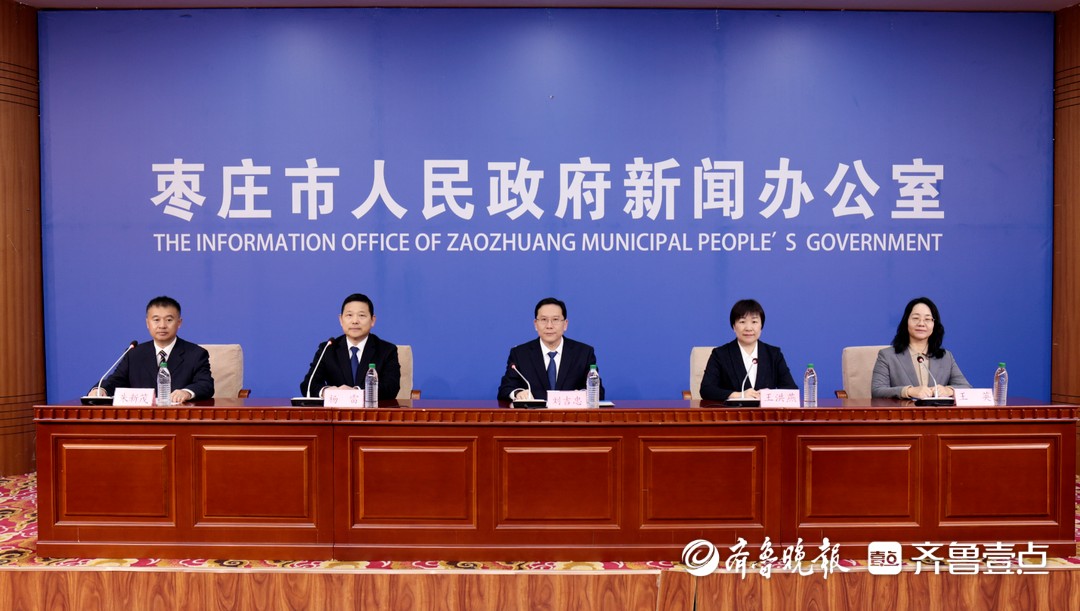
枣庄再绘民生答卷,“两院一体”让养老更有“医” 靠
Qi Lu Wan Bao· 2025-12-28 05:04
Group 1 - The core viewpoint of the news is that Zaozhuang is implementing a comprehensive "two-in-one" medical and elderly care integration plan to address the challenges posed by an aging population, ensuring that elderly citizens have access to both care and medical services [2][3][4] - The "two-in-one" initiative is part of a broader strategy that aligns with urban transformation and industrial upgrading, emphasizing the importance of maintaining a high proportion of public spending on social welfare, which is around 80% [3] - Specific goals outlined include the construction and expansion of at least five integrated medical and elderly care institutions and the establishment of specialized care areas for disabled and cognitively impaired elderly individuals, providing a clear path for the implementation of these commitments [2][3] Group 2 - The integration of medical and elderly care services is expected to stimulate related industries such as health care, medical devices, and traditional Chinese medicine, creating a positive feedback loop that enhances both social welfare and economic development [3] - The ongoing commitment to improving social welfare through the "two-in-one" initiative aims to fulfill the aspirations of elderly citizens for quality care and support, contributing to a warmer social environment in Zaozhuang [4] - The strategic focus on "strong industry and prosperous production" is anticipated to inject sustained momentum into Zaozhuang's high-quality development, reinforcing the connection between social needs and economic growth [4]

京津冀推动医养结合联盟建设 多元化医养结合模式勾勒幸福“夕阳红”
Yang Shi Wang· 2025-12-27 10:38
Core Viewpoint - The establishment of the Beijing-Tianjin-Hebei (Jing-Jin-Ji) Medical and Elderly Care Integration Alliance aims to enhance the quality of medical and elderly care services in the region, with a focus on creating various integrated service models and promoting collaboration among institutions [1][3]. Group 1: Alliance Formation and Collaboration - A total of 177 medical and elderly care institutions have signed cooperation agreements or intentions since the formation of the Jing-Jin-Ji Medical and Elderly Care Integration Alliance [1]. - The alliance has developed multiple integrated service models, including "medical care provided by elderly care institutions," "elderly care provided by medical institutions," and extending medical and elderly care services to families [3][5]. Group 2: Demographics and Market Potential - The elderly population aged 60 and above in the Jing-Jin-Ji region has reached 24.79 million, accounting for 22.65% of the total population, indicating a moderate aging stage [3]. - The regional health departments are advocating for high-quality development of the medical and elderly care industry, emphasizing the need for integrated services to cater to the growing elderly population [3]. Group 3: Training and Professional Development - The Peking Union Medical College Hospital's Geriatrics Department has trained over 440 specialized doctors, including those from Beijing and Hebei, as part of a national talent cultivation project [7]. - Future initiatives will focus on increasing participation from more medical and elderly care institutions in the construction of integrated care units, aiming for regional recognition and seamless transitions for elderly patients [7].
喜讯!山东建邦健康荣获2025“责任耀齐鲁”年度责任企业
Qi Lu Wan Bao· 2025-12-27 10:16
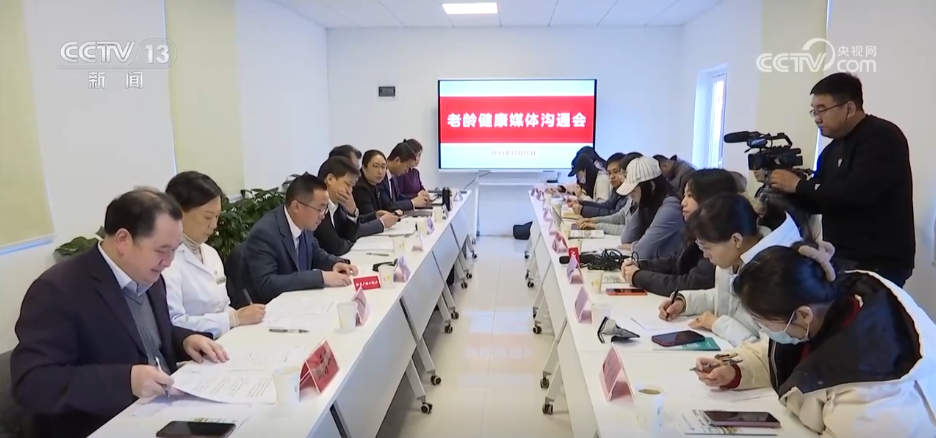
Core Insights - The event held on December 27, 2025, recognized the "Top Ten Health News in Shandong" and awarded various titles, including "Responsible Enterprise" to Jiannong Health for its contributions to the health industry [1] - Jiannong Health has established a unique industry advantage through strategic dual-base layout and innovative service models, addressing the aging population's needs [3][4] Group 1: Company Achievements - Jiannong Health was awarded the title of "Responsible Enterprise" for its innovative breakthroughs and commitment to social responsibility in the health industry [1] - The company has developed a multi-dimensional health management system that integrates various resources, including traditional therapies and modern medical practices, to provide personalized care for the elderly [4] Group 2: Service Innovation - The company has created a "medical-nursing integration" service model, establishing a network of care facilities and partnerships with top hospitals to enhance service accessibility and reduce operational costs [3] - Jiannong Health has addressed the specific needs of dementia care by creating specialized care areas and collaborating with government and medical experts to develop standardized care systems [4] Group 3: Social Responsibility - Jiannong Health actively participates in industry standards discussions and shares best practices to elevate the overall quality of the health industry in Shandong [5] - The company emphasizes a balance between affordability and high-quality services, catering to various elderly needs, thus contributing to the vision of "care for the elderly" [5] Group 4: Future Outlook - Jiannong Health aims to continue its focus on the health sector, enhancing its services and expanding its offerings while contributing to the development of a healthy Shandong [8] - The company plans to engage in industry standard-setting and share its experiences to support the sustainable development of the health industry [8]
惠及养老!枣庄“两院一体”医养结合机构三年提升行动解读来了
Qi Lu Wan Bao· 2025-12-26 09:55
Core Viewpoint - The "Three-Year Improvement Action Implementation Plan for Integrated Medical and Elderly Care Institutions" in Zaozhuang City aims to enhance the integration of medical and elderly care services, addressing the diverse health and elderly care needs of the population by 2028 [1][3]. Group 1: Policy Background - The plan was officially launched on December 12, 2023, following its issuance on December 11, 2023, marking the start of the initiative [1]. - The initiative aligns with the 20th National Congress of the Communist Party of China, emphasizing the importance of improving people's livelihoods and integrating medical and elderly care services into the 14th Five-Year Plan [3]. Group 2: Implementation Goals - The action plan aims to establish approximately five integrated medical and elderly care demonstration institutions annually, totaling around 15 by the end of 2028 [4]. - By 2026, 60% of integrated institutions will provide traditional Chinese medicine, rehabilitation, and palliative care services, increasing to 100% by 2028 [4]. - The plan includes training over 1,000 personnel annually and aims for a 75% utilization rate of elderly care beds by 2028 [4]. Group 3: Key Strategies - The implementation involves five major projects and 18 specific measures, focusing on optimizing resources, enhancing service capacity, training talent, improving management efficiency, and strengthening support [5]. - Specific strategies include utilizing existing resources, expanding public health services, and establishing a tiered training system for staff [5]. Group 4: Standards and Regulations - The plan outlines 12 construction standards for integrated medical and elderly care institutions to ensure standardized services and healthy development [6].
京津冀医养结合联盟成立 177家医疗、医养结合机构签署合作协议、合作意向
Jing Ji Guan Cha Wang· 2025-12-26 07:37
Core Viewpoint - The integration of medical and elderly care services in Beijing has reached a significant milestone, with 203 institutions established and over 1,300 medical care agreements signed, ensuring comprehensive medical service coverage for elderly care facilities [1] Group 1: Development of Medical and Elderly Care Integration - Beijing has developed various mature models for integrating medical and elderly care, including "medical care for the elderly" and "elderly care for medical services" [1] - The city is actively exploring the "Internet + medical and elderly care integration" service model to enhance service delivery [1] Group 2: Collaborative Efforts in the Beijing-Tianjin-Hebei Region - The Beijing-Tianjin-Hebei medical and elderly care integration alliance has been established, with 97 medical and integrated care institutions signing cooperation agreements [1] - 80 institutions have expressed intentions to form cooperative agreements within the medical and elderly care integration framework [1]
探秘首批全国医养结合示范县:如何让旅居老人舒心把异乡当家园
Xin Lang Cai Jing· 2025-12-25 15:18
Core Viewpoint - Yunnan Province is becoming a popular destination for long-term residency, with a significant increase in the number of people choosing to settle there, particularly among the elderly seeking a favorable climate and supportive community services [1][6]. Group 1: Demographics and Trends - In the first 11 months of this year, Yunnan Province received 4.9833 million travelers, marking a year-on-year increase of 54.9% [1]. - The number of annual visitors to Yuanmou County has grown from 20,000 to over 100,000, indicating a rising trend in long-term residency and tourism [6]. Group 2: Community Services and Support - Yuanmou County has streamlined administrative processes for residents, allowing for the completion of various tasks, such as housing and residency permits, in under half a day [4]. - The county has expanded its "cross-province handling" services to 157 items, facilitating easier access to services for residents from other provinces [6]. - A "helping and agency mechanism" has been implemented, with service teams bringing administrative support directly to the community [6]. Group 3: Infrastructure and Amenities - Yuanmou County has improved local infrastructure by relocating essential services, such as markets and educational institutions, closer to residential areas [6]. - There are now 17 community service stations established to handle administrative tasks, enhancing convenience for residents [6]. Group 4: Market Performance - The sales of commercial housing in Yuanmou County have increased by 34.95% year-on-year, reflecting the growing interest in long-term living arrangements [6].