康养旅居

Search documents
科技消费双轮驱动:2026政府工作报告学习体会
CAITONG SECURITIES· 2026-03-06 10:00
Investment Rating - The report suggests a focus on sectors such as sports events and health tourism, as well as strategic emerging industries like future energy and quantum technology [1]. Core Insights - The report outlines a pragmatic GDP growth target for 2026, set between 4.5% and 5.0%, with a fiscal policy that remains "more proactive" [1]. - It emphasizes the importance of domestic demand, proposing measures to boost consumer spending and increase government investment in livelihood projects [1]. - The report highlights the need for technological innovation, particularly in emerging industries such as integrated circuits, aerospace, and biomedicine, while prioritizing future energy [1]. - It addresses the "anti-involution" initiative and dual carbon goals, aiming for a 3.8% reduction in carbon emissions per unit of GDP [1]. - The report focuses on enhancing social welfare, particularly in employment, education, and healthcare, with an expectation of increased government spending in these areas [1]. Summary by Sections - **Economic Development Goals**: The 2026 GDP growth target is set at 4.5%-5.0%, with a fiscal deficit rate of 4% and significant allocations for special bonds and public budget expenditures [1]. - **Domestic Demand Focus**: The report continues to support consumer income growth and proposes new funds to stimulate domestic demand, particularly in the service consumption sector [1]. - **Technological Innovation**: Emphasis is placed on nurturing new industries and technologies, with future energy being prioritized, indicating a shift in strategic focus [1]. - **Environmental Goals**: The report sets a target for reducing carbon emissions and expanding the carbon trading market, indicating a market-driven approach to achieving low-carbon transitions [1]. - **Social Welfare Enhancement**: The report outlines plans to improve employment, education, and healthcare services, anticipating increased government investment to stabilize consumer confidence [1].
京滇联动为旅居云南注入健康动能
Xin Lang Cai Jing· 2026-02-16 22:33
Group 1 - The core idea of the news is the establishment of the Medical Health and Travel Innovation Development Alliance, which aims to enhance collaboration between various sectors in Beijing and Yunnan to promote the health tourism industry [1][2] - The preparatory meeting involved over 50 representatives from government, industry, academia, research, and investment sectors discussing annual work plans and cooperation paths [1] - Key topics of discussion included smart health, nutritional health, product development, and capital connection, indicating a multi-dimensional approach to industry development [1] Group 2 - The alliance aims to create a regular communication and collaboration mechanism, promote specialized technical cooperation between institutions in Beijing and Yunnan, and explore innovative models such as "Traditional Chinese Medicine + Hot Springs" and "Smart Health + Travel" [1] - The establishment of the alliance is seen as a crucial platform for linking resources and promoting integration, which will facilitate the professionalization, standardization, and branding of the health tourism industry [1] - The first general assembly is scheduled for March in Wenshan, Yunnan, laying the groundwork for future initiatives, including a public welfare project that combines science and art for therapeutic purposes [2]
300余名“候鸟”旅居幸福村
Xin Lang Cai Jing· 2026-02-08 22:43
Core Insights - The article highlights the growing trend of elderly individuals, referred to as "winter birds," choosing to spend their winter months in Luodian County, Guizhou, due to its favorable climate and lifestyle offerings [1][2] Group 1: Elderly Tourism - Luodian County has become a popular winter destination for elderly tourists from cities like Beijing, Shanghai, and Shandong, with over 300 residents currently staying at Yunze Kangyuan Happiness Village [1] - The village offers a comprehensive service system including lifestyle, health, and entertainment management, ensuring a comfortable and enjoyable stay for its guests [1] Group 2: Local Economic Impact - The influx of tourists has positively impacted the local economy, with villagers like Li Xiaosi capitalizing on the opportunity by selling homegrown produce to visitors [2] - The county's tourism bureau is actively developing diverse wellness and leisure products to enhance the travel experience for elderly visitors, including policies to support residential tourism [2] - Since its opening in November 2023, Yunze Kangyuan Happiness Village has received 85,000 visitors, with a high occupancy rate expected as the New Year approaches [2]
旅游业决心服务好这代最会玩的老年人
经济观察报· 2026-02-08 06:36
Core Viewpoint - The article discusses the evolving needs of the "active elderly" population, aged 55 to 75, who seek more than just basic accommodation and are looking for enriching experiences during their retirement years [2][4]. Group 1: Changing Demands - The demand for travel and living arrangements among the elderly has shifted from traditional hotels to wellness bases that offer health management, social activities, and cultural experiences [3][10]. - The "active elderly" prefer wellness bases due to their comprehensive services, including medical response, chronic disease management, and social engagement activities [3][10]. - The new generation of elderly travelers is characterized by their willingness to spend on quality experiences, moving from a mindset of saving for their children to prioritizing their own enjoyment [7][8]. Group 2: Market Evolution - The market for elderly travel has transitioned from basic hotel stays to wellness bases that integrate health management and social interaction [10][11]. - Wellness bases are designed to meet the specific needs of the elderly, offering a combination of accommodation, health services, and community activities [10][11]. - The operational model of wellness bases is evolving, focusing on providing a lifestyle solution rather than just accommodation, with packages that include meals and activities [10][14]. Group 3: Financial Considerations - The operational costs for wellness bases are significant, with high expenses related to staffing, quality food, and facility maintenance, which can lead to financial challenges [14][16]. - The pricing strategy for wellness bases is often higher than traditional hotels, reflecting the added value of comprehensive care and community engagement [10][14]. - The industry is exploring new financial models, such as the EOD (Ecological Environment-Oriented Development) model, to support long-term sustainability and investment in wellness services [20][22]. Group 4: Competitive Landscape - Traditional hotels and nursing homes are adapting to capture the growing market of the "active elderly," but face challenges in creating the right environment that appeals to this demographic [16][18]. - The competition is intensifying as various sectors, including hotels and high-end lodgings, seek to offer wellness packages tailored to the elderly [18][19]. - The wellness industry must address potential risks associated with elderly consumers, including health scams and emotional exploitation, necessitating robust support systems [18][19]. Group 5: Future Opportunities - The concept of a "centenarian life" is emerging, suggesting that the elderly will need to plan for a longer life, leading to a demand for services that support health and well-being over extended periods [22][23]. - There is a growing market for wellness services targeting not just the elderly but also middle-aged individuals seeking preventive care and lifestyle improvements [23][24]. - Future industry leaders will need to focus on providing comprehensive, customizable health management solutions for high-net-worth clients, emphasizing long-term wellness and happiness [24].


“活力老人”重塑康养旅居
Jing Ji Guan Cha Wang· 2026-02-08 02:39
Core Viewpoint - The travel industry for seniors is evolving, with a shift towards wellness and experiential travel, catering to the needs of a new generation of active seniors, referred to as "vibrant seniors" [2][5][6]. Group 1: Market Changes - The demand for wellness bases is increasing among seniors, as they offer immediate medical response, chronic disease management, and health monitoring, addressing the concerns of elderly travelers [3][8]. - Seniors are now seeking experiences that combine health management, social interaction, and cultural enrichment, moving away from traditional hotel stays [8][12]. - The average cost for a stay at wellness bases is competitive, with examples showing costs around 100 yuan per person per day, which is cheaper than traditional hotels [3][5]. Group 2: Demographic Shifts - The new generation of seniors, particularly those born in the 1960s and 1970s, have higher disposable incomes and are adept at using technology for travel planning [5][6]. - This demographic shift has led to a change in travel preferences, with seniors now prioritizing personal enjoyment and immersive experiences over traditional sightseeing [6][19]. Group 3: Service Offerings - Wellness bases are enhancing their offerings by including health services, cultural activities, and social events, creating a comprehensive lifestyle solution for seniors [8][10]. - The introduction of specialized facilities, such as accessible bathing areas and tailored nutrition, further attracts seniors seeking quality living environments [3][8]. Group 4: Operational Challenges - Wellness bases face seasonal fluctuations in occupancy rates, with some experiencing occupancy as low as 20% in off-peak seasons [10][11]. - High operational costs, including staffing and quality food provisions, pose challenges for profitability, especially when pricing is constrained by the local market [11][12]. Group 5: Competitive Landscape - Traditional hotels and retirement homes are adapting to capture the growing market of active seniors, but face challenges in creating the desired social and experiential environments [12][14]. - The wellness industry is witnessing increased competition from hotels that are modifying their offerings to include wellness packages and activities [14][15]. Group 6: Future Trends - The concept of a "centenarian life" is emerging, suggesting that the focus will shift towards proactive health management and lifestyle planning for seniors [18][19]. - The wellness industry is expanding its target demographic to include middle-aged individuals seeking preventive health measures and lifestyle improvements [19][20].

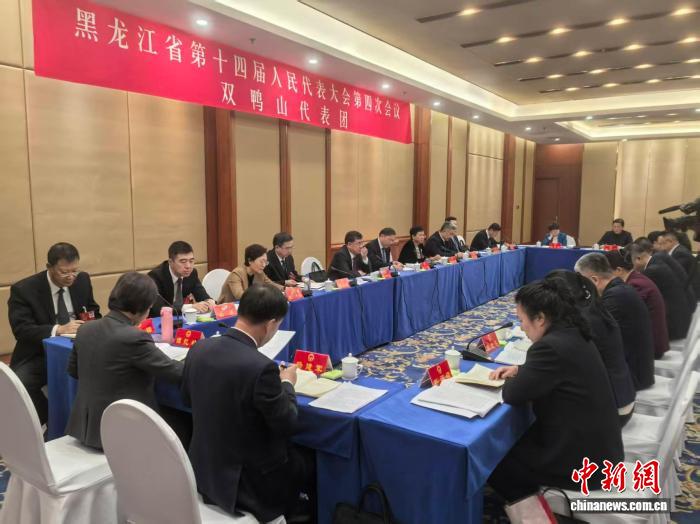
黑龙江代表委员热议养老 建言打造康养旅居“龙江样板”
Zhong Guo Xin Wen Wang· 2026-02-01 03:43
Core Viewpoint - The discussion during the Heilongjiang Provincial Two Sessions focused on the aging population and the proposal to create a "Heilongjiang Model" for health and wellness tourism, leveraging the province's unique ecological resources and advantages in agriculture, culture, and tourism to enhance the quality of life for residents [1]. Group 1 - The potential demand for the "health and wellness tourism" market is significant, aligning with market needs and stimulating domestic demand, which is crucial for increasing residents' income, attracting seasonal population inflow, and promoting rural revitalization [2]. - Current elderly care services in Heilongjiang have achieved basic coverage, but there is room for improvement in resource integration, scenario empowerment, and brand system development [2]. - Recommendations include developing short-distance health and wellness tourism routes and offering "ecological health + rural experience" services for healthy elderly individuals, which would provide leisure therapy and agricultural experiences [2]. Group 2 - The proposal suggests integrating the green food industry and home care services to create a service chain of "elderly care + specialty industries" [2]. - Establishing a unified database for elderly care resources in Heilongjiang and launching a "specialty elderly care service hotline" to facilitate easy booking of health and wellness tourism services [2].
让“好气候”加速转化为生产力
Xin Hua Ri Bao· 2026-01-16 07:59
Core Viewpoint - The Chinese government is promoting the integration of climate resources into health and wellness services, aiming for high-quality development in this sector, which will enhance public welfare and economic growth [1] Group 1: Policy and Development - Seven Chinese departments have jointly issued guidelines to enhance collaborative efforts in advancing climate-related health services [1] - The shift in focus from basic weather forecasting to comprehensive health risk management indicates a significant transformation in service delivery [1] - The aging population and increasing health demands highlight the potential of the climate wellness industry to drive growth in tourism, healthcare, and elder care sectors [1] Group 2: Regional Initiatives - Various regions in Jiangsu province are developing "climate+" integrated industry ecosystems, such as "climate+ wellness" retirement models and "climate+ cultural tourism" initiatives [2] - Jiangsu's favorable climate conditions are being leveraged to create sustainable development plans that align with local resources and advantages [2] - The province is transforming intangible climate resources into tangible economic benefits, illustrating the concept that "good climate is also productivity" [2] Group 3: Policy and Technological Support - Strengthening policy coordination and technological support is essential for the sustainable transformation of climate resources into productivity [3] - Local legislation is being enacted to clarify principles and pathways for climate resource protection and utilization, ensuring orderly development [3] - The dual approach of "policy + technology" aims to enhance the efficiency of climate resource utilization while safeguarding ecological integrity [3]
打造国际知名滨海康养旅居目的地!青岛印发三年行动方案
Qi Lu Wan Bao· 2026-01-07 04:52
Core Viewpoint - The Qingdao Municipal Civil Affairs Bureau, in collaboration with multiple departments, has issued a three-year action plan (2025-2027) to accelerate the high-quality development of the health and wellness tourism industry, aiming to establish Qingdao as a leading coastal health and wellness destination by 2027 [1][3]. Industry Development Path - The plan outlines a clear development path for the industry over the next three years, focusing on leveraging Qingdao's unique resources such as mountains, sea, springs, cities, bays, and islands [3]. - By 2027, the city aims to cultivate five leading enterprises with regional competitiveness, establish 15 wellness tourism demonstration bases, and create 10 high-quality specialty products [3][4]. Policy Support and Resource Management - The wellness tourism industry will be integrated into the "14th Five-Year" plan for the development of aging services and elderly care systems in Qingdao, with a comprehensive layout strategy [3]. - A city-wide resource survey will be conducted to create databases for marine, thermal spring, and forest resources to support industry development [3]. - Policy incentives will include priority land use for projects, phased payment of land transfer fees, tax reductions, and financial services [3][4]. Product Innovation and Service Supply - Qingdao will promote the integration of traditional wellness sectors such as seaside resorts, thermal springs, and traditional Chinese medicine with new projects like "wellness + medical care" and "thermal spring + therapy" [4]. - New products will be developed, including cruise tourism, anniversary wellness experiences, and art therapy, leveraging the city's coastal and mountainous resources [4]. Market Development and Brand Building - The city plans to strengthen market entities by attracting leading enterprises, supporting local brand upgrades, and nurturing small and micro enterprises in niche markets [4]. - A wellness tourism community will be established to enhance resource integration and standard setting, while promoting combined wellness and tourism packages [4]. - The brand strategy will focus on creating a "1+N" brand cluster centered around "Mountain and Sea Wellness, Vibrant Qingdao," with sub-brands for marine wellness and thermal resorts, utilizing both online and offline marketing channels [4].

闭上眼睛 许个心愿
Xin Lang Cai Jing· 2025-12-31 16:58
Group 1: Cultural and Artistic Development - The Hainan Young Entrepreneurs Association is actively involved in promoting cultural events, such as the "Qiong Yun New Year Gala," which aims to support the inheritance of intangible cultural heritage and showcase traditional culture on modern stages [6][7]. - The association emphasizes the importance of cultural richness in Hainan, with a focus on traditional performances like Qiong opera, Peking opera, and Henan opera, aiming to attract more artists to create culturally significant works [8]. Group 2: Health and Wellness Industry - The health and wellness sector in Hainan is experiencing growth, with companies like Little Yellow Duck Health Resort investing in projects that cater to both elderly and middle-aged clients seeking wellness solutions [9]. - The establishment of a wellness center in the Boao Lecheng International Medical Tourism Pilot Zone highlights the region's commitment to providing comprehensive health services, including dietary solutions [9]. Group 3: Business Environment and Opportunities - The Hainan Free Trade Port is creating a favorable business environment, facilitating the rapid establishment of projects and attracting investments, as evidenced by the swift approval of necessary permits for new ventures [9]. - Companies are leveraging the zero-tariff policy for imports, which enhances their operational efficiency and reduces costs, particularly in the window and door manufacturing sector [11]. Group 4: Community Engagement and Social Responsibility - Local entrepreneurs are engaging with their communities through events and gatherings, such as New Year's celebrations, which foster a sense of belonging and support local culture [10][12]. - The commitment to maintaining a clean environment during public events reflects the social responsibility of businesses and individuals in Hainan, ensuring a pleasant experience for residents and tourists alike [12][13].

探秘首批全国医养结合示范县:如何让旅居老人舒心把异乡当家园
Xin Lang Cai Jing· 2025-12-25 15:18
Core Viewpoint - Yunnan Province is becoming a popular destination for long-term residency, with a significant increase in the number of people choosing to settle there, particularly among the elderly seeking a favorable climate and supportive community services [1][6]. Group 1: Demographics and Trends - In the first 11 months of this year, Yunnan Province received 4.9833 million travelers, marking a year-on-year increase of 54.9% [1]. - The number of annual visitors to Yuanmou County has grown from 20,000 to over 100,000, indicating a rising trend in long-term residency and tourism [6]. Group 2: Community Services and Support - Yuanmou County has streamlined administrative processes for residents, allowing for the completion of various tasks, such as housing and residency permits, in under half a day [4]. - The county has expanded its "cross-province handling" services to 157 items, facilitating easier access to services for residents from other provinces [6]. - A "helping and agency mechanism" has been implemented, with service teams bringing administrative support directly to the community [6]. Group 3: Infrastructure and Amenities - Yuanmou County has improved local infrastructure by relocating essential services, such as markets and educational institutions, closer to residential areas [6]. - There are now 17 community service stations established to handle administrative tasks, enhancing convenience for residents [6]. Group 4: Market Performance - The sales of commercial housing in Yuanmou County have increased by 34.95% year-on-year, reflecting the growing interest in long-term living arrangements [6].