康养服务

Search documents
2025年中国康养产业趋势报告
Sou Hu Cai Jing· 2026-02-26 03:20
Core Insights - The Chinese health and wellness industry is projected to reach a market size of 9.8 trillion yuan by 2025, marking a significant expansion and deepening of the sector [1] - The industry is evolving from a singular focus on elderly care to a comprehensive health management approach that encompasses all age groups, driven by policy support and technological integration [1][3] - The concept of "proactive health" is gaining traction, emphasizing a holistic approach that integrates medical care, wellness, tourism, culture, and technology [1][2] Industry Analysis - The health and wellness industry is entering a phase characterized by substantial top-level design implementation, with accelerated development of demonstration projects and standard systems [1] - Advanced technologies such as artificial intelligence, the Internet of Things, and service robots are transitioning from auxiliary tools to core productivity drivers, facilitating the widespread adoption of "smart health" scenarios [1][2] - The establishment of health and wellness industry colleges across various regions is enhancing the professional development of the sector [1] User Analysis - There is a notable shift in market demand, with the age of participants in health and wellness activities moving significantly younger, particularly among the 30 to 50 age group [2] - Over 70% of users consider health and wellness to be essential for improving their quality of life, indicating a maturing consumer mindset [2] - Family-oriented health and wellness practices are becoming mainstream, with younger demographics prioritizing relaxation and emotional value, while older groups focus on rehabilitation and elder care [2] Challenges and Opportunities - The industry faces challenges such as a shortage of professional talent, particularly in nursing and rehabilitation, which hampers service quality [2] - There are still barriers to collaboration between medical and elder care resources, and disparities in policy execution across regions need to be addressed [2] - Global examples from France, Germany, and Japan provide valuable insights for China's health and wellness industry, emphasizing the importance of community integration and sustainable business models [2] Future Outlook - The health and wellness industry in China is expected to continue expanding due to demographic changes, heightened health awareness, ongoing policy support, and technological advancements [3] - The core development path will focus on enhancing service accessibility and quality, promoting cross-industry resource integration, and establishing standardized systems [3]


支持地方和企业积极探索打造新增长点
Mei Ri Jing Ji Xin Wen· 2026-02-25 11:29
Group 1 - The core focus of the meeting is to enhance the development of the silver economy and elderly care services in response to China's aging population, emphasizing the need for innovative management and support measures [1][2] - The meeting highlights the significant potential of the silver economy, with projections indicating that the population aged 60 and above will reach 320 million by 2025 and exceed 400 million by 2035, leading to an expected market size of over 30 trillion yuan [2] - There is a call to improve the consumption capacity of the elderly demographic by creating new consumption scenarios and enhancing the quality and accessibility of elderly care services [2][3] Group 2 - The meeting emphasizes the importance of addressing both financial and time constraints for the elderly to stimulate consumption, suggesting a focus on service consumption alongside product consumption [3] - It is noted that the elderly care industry is not only a vital public welfare sector but also a sunrise industry with immense growth potential [2] - The meeting also stresses the need for safety management in elderly care institutions and the importance of combating fraudulent activities that target the elderly [3] Group 3 - The meeting outlines the necessity for effective implementation of key tasks, urging departments to quickly organize efforts and develop targeted policies to enhance market vitality and improve public welfare [4] - A focus on grassroots fire safety management is also discussed, highlighting the need for preventive measures and public awareness to mitigate fire risks [4] Group 4 - The meeting discusses the revision of the Water Law, aiming to strengthen water resource management and ensure sustainable development through coordinated efforts across departments [5]
新春走基层 | 康养中心“程闺女”陪过年
Xin Lang Cai Jing· 2026-02-20 00:07
Core Insights - The article highlights the festive atmosphere at the Liaohe Health and Wellness Center in Panjin City, where elderly residents are celebrating the Lunar New Year with family visits and staff support [1][2] - The center accommodates nearly 400 elderly individuals, most of whom chose to stay during the holiday, indicating a strong community and support system [1] - Staff member Cheng Kexin plays a crucial role in ensuring the well-being of the residents, providing personal care and facilitating family interactions during the holiday [2] Group 1 - The Liaohe Health and Wellness Center is decorated for the Lunar New Year, creating a festive environment for the elderly residents [1] - Many elderly residents, including 91-year-old Dong Shufen, express satisfaction with their experience at the center, highlighting the warmth and attention from staff [1] - Cheng Kexin, a staff member, emphasizes her commitment to the residents by providing personal care and ensuring they feel included during the holiday celebrations [2] Group 2 - The center's management is actively involved, with leadership visiting regularly to engage with residents, enhancing their sense of community [1] - Family members of residents participate in holiday activities, such as sharing meals, which helps reduce feelings of loneliness among those who stay at the center [2] - Cheng Kexin's efforts include preparing the living spaces for the holiday, ensuring that residents have a comfortable and festive experience [2]
【央视新闻】新闻1+1丨从春节到全年 服务消费如何发力
Sou Hu Cai Jing· 2026-02-12 17:22
Core Viewpoint - The article discusses the transformation and growth of service consumption in China, highlighting the shift from product-centric to service-oriented spending, particularly during the upcoming Spring Festival, with a focus on quality and innovation in service offerings [1][2]. Group 1: Changes in Supply Side - The demand for services is characterized by diversity, personalization, and quality, which drives continuous innovation in supply [1]. - New technologies and smart solutions are enhancing service experiences, particularly in sectors like cruise economy, inbound tourism, and winter sports [1]. Group 2: Service Consumption Demand - Service consumption has rapidly increased, transitioning to a balanced focus on both goods and services [2]. - Key areas of service demand include essential services like elderly care, childcare, and domestic help, alongside rapidly growing sectors such as tourism, wellness, and entertainment, especially during the nine-day Spring Festival holiday [2]. Group 3: Potential Growth Areas - The nine key service sectors identified by the State Council are crucial for service consumption and economic development, expected to become new growth points in the service economy [3]. - Understanding service consumption involves recognizing its role in fulfilling emotional and experiential needs, such as leisure and relaxation, as well as practical needs like domestic assistance [3][4]. Group 4: Connection Between Service Consumption and Livelihood - Essential services like elderly care, childcare, and domestic help are closely tied to daily life and are foundational to service consumption [5]. - Policies aimed at supporting and regulating these sectors are necessary to expand supply while ensuring quality, which in turn can stimulate enterprise engagement and better meet consumer needs through data-driven insights [5].
新闻1+1丨从春节到全年 服务消费如何发力
Yang Shi Xin Wen Ke Hu Duan· 2026-02-10 13:38
Core Insights - The article discusses the increasing significance of service consumption in China, highlighting that by 2025, per capita service consumption expenditure will account for 46.1% of per capita consumption expenditure, indicating a need for quality upgrades in service consumption [1] Group 1: Changes in Supply and Demand - The demand for services is characterized by diversification, personalization, and quality, which drives supply innovation [1] - The supply side is innovating under policy guidance and technological empowerment, leading to new business models and enriched content in areas like cruise economy, inbound tourism, and winter sports consumption [1] - Service consumption is transitioning from a focus on goods to a balanced emphasis on both goods and services [1] Group 2: Key Areas of Service Consumption - Key service consumption areas include essential services like elderly care, childcare, and domestic services, which are in high demand [2] - Potential growth areas such as tourism, wellness, and entertainment are rapidly developing, especially during the nine-day Spring Festival holiday [2] - The nine key service areas identified by the State Council are crucial for service consumption and economic development, expected to become new growth points in the service economy [2] Group 3: Integration of Service Consumption and Livelihood - Service consumption in areas like elderly care, childcare, and domestic services is closely linked to daily life and is foundational to the service sector [4] - Policies should support and guide these sectors to expand supply while ensuring quality, which can stimulate enterprise engagement [4] - Companies can leverage big data to better understand consumer needs and provide more precise services [4]

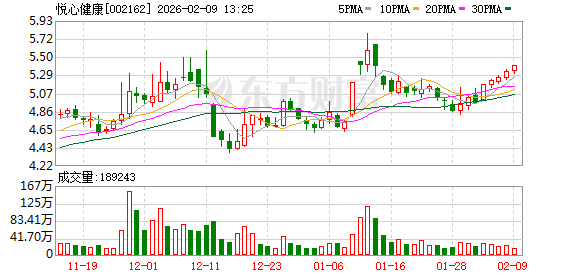
悦心健康:目前在山东未设立康养机构
Mei Ri Jing Ji Xin Wen· 2026-02-09 05:24
Core Viewpoint - The company, Yuexin Health, confirmed that it does not currently have any wellness institutions established in Shandong province [1] Group 1 - An investor inquired about the presence of wellness companies in Shandong [1] - Yuexin Health responded on the investor interaction platform regarding the inquiry [1]

小时候爸妈送我去新东方,长大后我送爸妈去新东方
36氪· 2026-01-31 13:35
Core Viewpoint - The article discusses the ongoing transformation in the education and training industry, particularly focusing on the emerging trend of elderly education as a new business avenue for companies like New Oriental, amidst declining birth rates and an aging population [4][12]. Group 1: Industry Trends - The education market is facing a peak in school-age population, with K12 education nearing its ceiling, while the elderly market is showing increasing potential [13][20]. - The silver economy in China is projected to exceed 20 trillion yuan by 2030, with 55.7% of elderly individuals engaging in monthly spending on mental consumption, including travel and cultural training [13][14]. - Companies like New Oriental and others are entering the elderly education sector, viewing it as a natural extension of their existing services [14][18]. Group 2: Company Initiatives - New Oriental is piloting an elderly university in Nanjing and has launched a "Retirement Club" in Beijing, offering affordable courses in various interests [4][10]. - Other educational institutions, such as Angli Education and Zhuoyue Education, are also expanding into the silver economy, with Angli opening five "Happy Communities" in Shanghai for elderly interest courses [15][17]. - New Oriental has invested over 1 billion yuan in cultural tourism and has developed high-end travel routes, aiming to attract elderly customers through educational experiences [26][30]. Group 3: Business Model Challenges - The elderly education market is complex, with a significant portion of the elderly population having limited budgets for education, making it difficult to achieve high profitability [20][21]. - The average price for courses at New Oriental's elderly university is around 37.5 yuan per class, with low-cost introductory classes designed to attract students [22][23]. - Retaining students in elderly education poses challenges due to health concerns and the nature of courses being more interest-based rather than necessity-driven [23][34]. Group 4: Strategic Insights - New Oriental's strategy focuses on leveraging existing K12 operational experience to expand into elderly education, with an emphasis on cultural tourism and wellness services [25][35]. - The company aims to connect elderly customers with higher-margin products in cultural tourism and wellness, thereby increasing profit margins [35][36]. - The transition from serving children to addressing the needs of the elderly involves adapting services to alleviate loneliness and health concerns, while maintaining a focus on educational value [35][36].


数千亿投向“医康养”,保险公司正在锻造第二增长曲线
第一财经· 2026-01-29 13:59
Core Viewpoint - Insurance funds are significantly penetrating the medical, health, and elderly care industries, with over 400 billion yuan invested, driven by aging population and health strategies [2][4]. Investment Scale and Focus - As of 2025, insurance funds are projected to invest over 1.5 trillion yuan in medical-related assets through various investment products, including debt and equity plans [4]. - Direct investments in the medical and elderly care sectors have reached nearly 30 billion yuan, covering biotechnology, new drug technology, and medical devices [4]. - The insurance industry is also focusing on building elderly care communities, with 130 projects expected by the end of 2024, marking a 38% year-on-year increase [5]. Strategic Shift - Insurance companies are transitioning from "risk compensators" to "health and elderly care ecosystem builders," aiming to create a "second growth curve" through integrated services [2][6]. - The competition is shifting from resource allocation to ecological collaboration efficiency, emphasizing the integration of insurance, services, and data [10]. Market Potential - The health and elderly care industry in China is projected to reach a market size of 9.8 trillion yuan by 2025, with expectations to grow to 14.6 trillion yuan by 2030 [7]. - Policies are encouraging insurance companies to integrate their services with health management and elderly care, enhancing their strategic importance [8]. Future Outlook - The insurance sector is expected to accelerate its investment in health and elderly care, leveraging policy guidance to create differentiated competitive advantages [8][9]. - The focus will be on transforming health management from a cost center to a profit center, with a need for sustainable business models [12]. - Challenges include talent shortages, data integration, and aligning product design with the actual risks faced by the elderly population [12].




数千亿投向“医康养”,保险公司正在锻造第二增长曲线
Di Yi Cai Jing· 2026-01-29 12:33
Core Insights - Insurance funds are significantly penetrating the healthcare and elderly care industries, with over 400 billion yuan invested through various channels [1][2] - The insurance industry is transitioning from being "risk compensators" to "health and elderly care ecosystem builders," aiming to create a second growth curve through integrated services [1][4] - The competition in the industry is shifting from "resource layout" to "ecological synergy efficiency," focusing on creating a positive cycle of "service-data-insurance" [7] Investment Trends - As of 2025, insurance asset management products are projected to channel over 150 billion yuan into healthcare through debt, equity, and private equity funds [2] - Direct investments in the healthcare and elderly care sectors have reached nearly 30 billion yuan, covering various sub-sectors like biotechnology and medical devices [2] - The insurance sector is also focusing on building elderly care communities, with 130 projects planned by the end of 2024, reflecting a 38% year-on-year increase [3] Market Potential - The Chinese health and elderly care market is expected to reach 9.8 trillion yuan by 2025, with projections of nearly 14.6 trillion yuan by 2030 due to demographic changes and policy support [4][5] - Policies such as the "New National Ten Articles" and local initiatives are encouraging insurance companies to integrate their services with healthcare and elderly care [5] Strategic Shifts - Major insurance companies are prioritizing health and elderly care in their strategic frameworks, with firms like China Pacific Insurance and Ping An emphasizing comprehensive financial services combined with healthcare [5][6] - The "insurance + health care" strategy is seen as a way to enhance customer loyalty and operational efficiency, shifting focus from post-event compensation to proactive health management [6][8] Challenges Ahead - The industry faces challenges in achieving sustainable profit models, particularly in the capital-intensive elderly care sector, where returns may take time to materialize [8][9] - There is a significant talent shortage in the healthcare sector, which could impact service quality, alongside challenges in data integration and compliance with privacy regulations [9]
一河清水润民生 生态经济双丰收
Xin Lang Cai Jing· 2026-01-22 19:12
Core Insights - The North River Wetland Park has transformed from a polluted area into a vibrant ecological and recreational space, attracting significant tourist activity and boosting local economy [8][9][10] Economic Impact - The second Ice and Snow Festival at North River Qing Tang City attracted over 265,000 visitors, generating direct consumption of 7 million yuan and indirectly boosting surrounding businesses by over 15 million yuan [7] - The development of the park has led to the establishment of 70 food stalls, enhancing local commerce and providing a lively atmosphere during winter [6][7] Ecological Transformation - The North River, once a polluted waterway, has undergone extensive ecological restoration, with a total investment of 8.5 billion yuan in comprehensive management projects since 2013 [9][10] - The park now features 173.5 hectares of wetland, with improved water quality and increased biodiversity, attracting various bird species and nature enthusiasts [10][11] Real Estate Development - The improved ecological environment has spurred real estate development, with several major property companies constructing lake-view homes around the park [12] - The North River Qing Tang City has become a hub for health and wellness tourism, with a focus on developing a health resort that leverages the park's ecological advantages [13][14] Tourism Growth - The North River Wetland Park has become a key destination for both locals and tourists, with a reported 7.69 million visitors in 2025, marking a 31% increase year-on-year [14] - The integration of ecological resources into economic development strategies is driving high-quality growth in the region [14]