
移风易俗

Search documents
文化新观察|文明之风,如何赋美乡土中国?
Xin Hua She· 2025-11-04 01:49
Core Insights - The article highlights the transformation of rural China, showcasing the integration of traditional customs with modern practices, and the vibrant cultural and economic activities taking place in villages [2][3]. Group 1: Cultural and Economic Activities - The "T-stage" event featuring elderly villagers showcasing local products on social media has garnered over 40,000 likes, reflecting a shift in perception among the elderly about their contributions [3]. - The village of Zhujiaping in Shandong has seen a 35-fold increase in cherry sales, generating a net profit exceeding 200,000 yuan, attributed to the rise of live-streaming sales [3]. - Various regions are actively promoting cultural activities, such as singing competitions and themed festivals, enhancing community bonds and improving living environments [5]. Group 2: Social Changes and Customs - In Guangxi, a traditional practice of slaughtering cattle for funerals has been challenged, leading to a significant reduction in expenses and a shift towards simpler ceremonies [6][7]. - The implementation of new customs, such as capping bride prices and promoting collective weddings, has been observed in several provinces, fostering a culture of frugality and community involvement [7]. Group 3: Sports and Community Engagement - The "Village Basketball Association" (村BA) has gained popularity, showcasing the vitality of rural communities and providing a platform for local athletes to compete at a national level [8][9]. - Cultural and sports activities like "village runs" and "village evenings" are becoming vital in connecting urban and rural areas, highlighting the achievements of rural revitalization [9]. Group 4: Cultural Heritage and Preservation - The article discusses efforts to protect rural cultural heritage, with volunteers engaging in restoration projects for historical sites, ensuring the preservation of local traditions [11]. - Data from Baoji City in Shaanxi indicates the creation of over 326 protective videos and a database of more than 400 intangible cultural heritage projects, emphasizing the importance of documentation and preservation [12]. - Successful models in regions like Zhejiang and Hunan demonstrate the potential for cultural tourism to enhance local economies while preserving traditional practices [13].

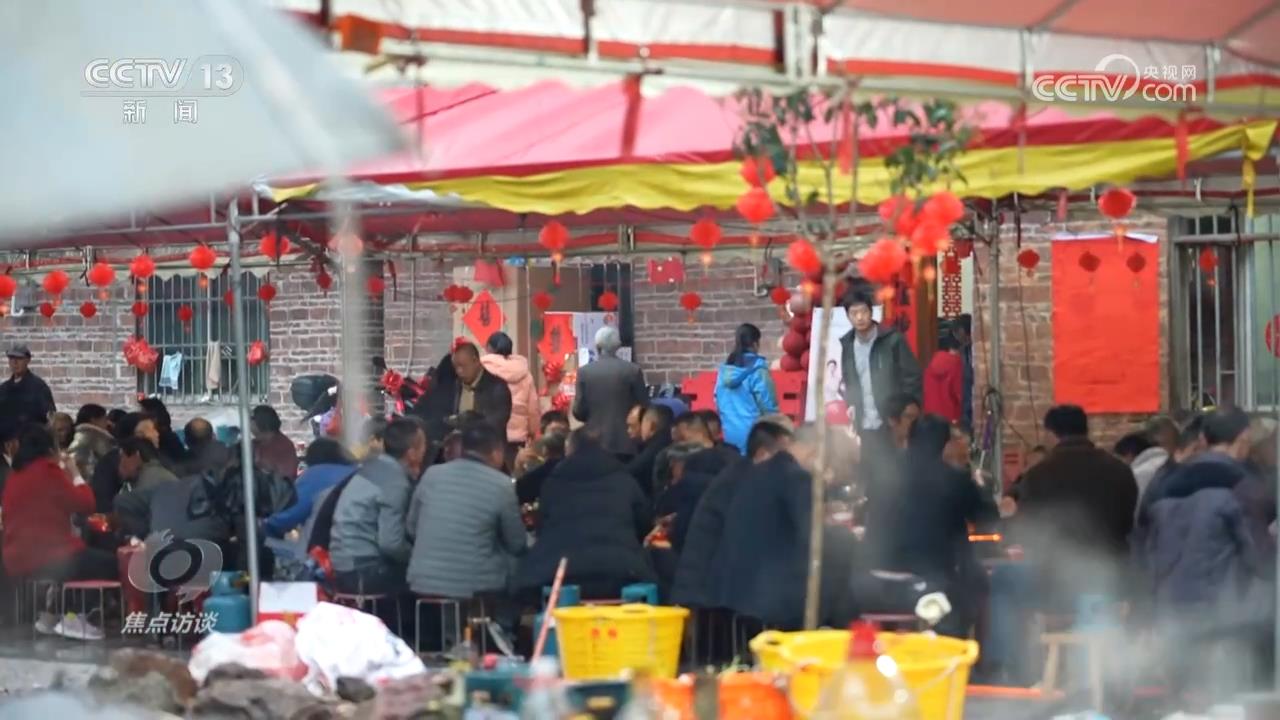
焦点访谈丨物质和精神“双减负” 移风易俗让乡村焕发新气象
Yang Shi Xin Wen Ke Hu Duan· 2025-11-01 02:03
Core Viewpoint - The "Civilized Rural Customs Conference" held in Yan'an, Shaanxi, focused on the theme "Civilization Makes Villages Better," discussing the paths and methods for building civilized rural customs. Despite significant changes in rural life, issues persist in the construction of civilized customs, particularly regarding extravagant celebrations and the pressure of social comparisons during events like weddings and funerals [2]. Group 1: Issues in Rural Customs - Many rural areas still engage in lavish celebrations for events such as weddings and funerals, leading to increased economic burdens on families and contradicting traditional customs [2][5]. - The phenomenon of social comparison in celebrations has been prevalent, causing financial strain on families, despite central government efforts to curb these practices [5][6]. Group 2: Efforts for Change - In Yangshuo, Guangxi, local authorities have initiated reforms by promoting simplified wedding ceremonies through key personnel at marriage registration offices, aiming to shift public perception and practices regarding wedding customs [6]. - Villages like Chaoyang have established regulations limiting the scale and cost of celebrations, which has been positively received by the community, effectively curbing the trend of extravagant spending [8]. Group 3: Cultural Development - The movement to change customs is not only about eliminating outdated practices but also about enriching cultural life and promoting a rational and civilized ethos in rural areas [13]. - Training programs in traditional arts, such as the free farmer painting classes in Sanjiang, have empowered locals, leading to a cultural revival and economic opportunities through art [15][20]. Group 4: Community Engagement - The establishment of community councils and regulations has fostered a sense of collective responsibility among villagers, encouraging them to participate in the movement towards simplified customs [10][21]. - The integration of cultural activities with tourism has created new avenues for economic development while promoting local traditions [21]. Group 5: Overall Impact - The changes in rural customs have led to a revitalized sense of community and cultural pride, as evidenced by the happiness of couples who are no longer burdened by high costs of traditional celebrations [22]. - The gradual transformation of customs reflects a broader societal shift towards valuing simplicity and community over extravagance, indicating a positive trend in rural development [22].
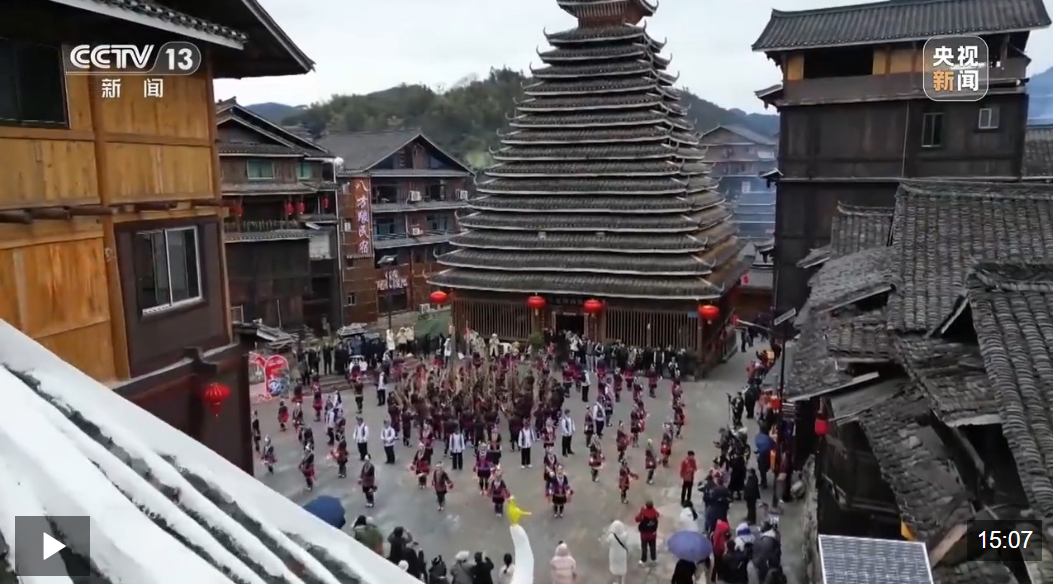
焦点访谈| 从“村规民约”到“文化惠民” 乡村文明焕发新气象
Yang Shi Wang· 2025-10-30 14:56
Core Viewpoint - The article discusses the significant changes in rural life and the challenges faced in promoting civilized customs in rural areas of China, emphasizing the need for reform in traditional practices related to weddings and funerals to alleviate economic burdens on families [1][3][19]. Group 1: Issues in Traditional Customs - Many rural areas still practice extravagant celebrations for weddings and funerals, leading to economic strain on families due to the culture of comparison and high costs associated with these events [1][3]. - The central government has been focusing on curbing outdated marriage customs and promoting reforms, but changing deep-rooted traditions is a gradual process [3][5]. Group 2: Local Initiatives for Change - In Guangxi's Yangshuo County, local authorities have introduced measures to promote simpler wedding ceremonies, including setting limits on the number of tables and costs per table for celebrations [7][9]. - Community engagement through village regulations has been effective in establishing standards for wedding and funeral practices, which has been positively received by residents [7][9]. Group 3: Cultural Development and Community Engagement - The article highlights the importance of not only removing outdated customs but also enriching cultural life in rural areas, with initiatives like free training in traditional crafts such as the Sanjiang farmer painting [9][11]. - The establishment of art exhibitions and community gatherings around painting has transformed leisure activities, moving away from wasteful practices to more productive and culturally enriching ones [13][15]. Group 4: Economic Impact and Future Prospects - The Sanjiang farmer painting has become a source of income for many villagers, with an estimated annual output value of approximately 12 million yuan, showcasing the potential for cultural industries to improve local economies [15][17]. - The integration of cultural activities with tourism has been promoted, enhancing the visibility and appreciation of local art while fostering community pride and participation [17][19].
首届“十佳临高媒婆”评树活动颁奖礼暨鹊桥相亲会成功举办
Zhong Guo Jing Ji Wang· 2025-10-30 09:17
Core Points - The event held in Hainan Province aimed to promote traditional marriage customs while advocating for "low bride price and simple wedding banquets" as part of rural cultural revitalization [1][2] - The activity included an award ceremony for outstanding matchmakers and a matchmaking event, successfully integrating formal recognition with interactive social engagement [2] Group 1 - The first "Top Ten Matchmakers" selection event recognized 20 outstanding matchmakers, with Chen Xiaoyu winning the championship due to her extensive experience and effective matchmaking results [2] - The event achieved a matchmaking success rate of over 30%, with media exposure expected to exceed 100,000 times, indicating strong public interest and engagement [2] Group 2 - The initiative reflects a shift in social governance from "hard constraints" to "soft guidance," utilizing matchmakers as key players in promoting civilized marriage concepts and social governance innovation [1] - Future efforts will focus on deepening the integration of marriage culture with traditional customs, further promoting the values of "low bride price and simple wedding banquets" to invigorate rural cultural and spiritual development [2]
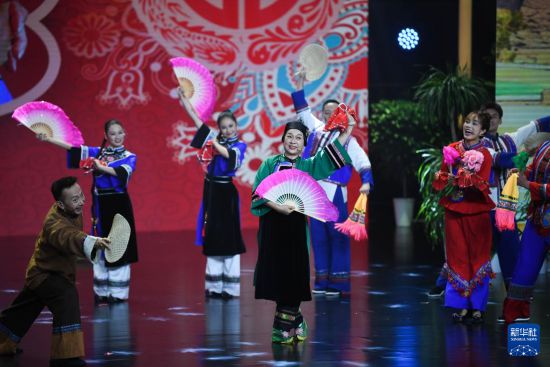
全国移风易俗优秀文艺节目在延安集中展演
Xin Hua Wang· 2025-10-30 01:02
Core Viewpoint - The event showcases excellent cultural programs aimed at promoting new customs and practices in society, reflecting a shift towards modern values and traditions [1][3]. Group 1 - The event took place on October 29 in Yan'an, Shaanxi province, featuring performances selected from various regions across the country [3]. - The performances included a variety of artistic expressions, such as song and dance skits, exemplified by the piece "Newly Organized Marriage" [3].
“折角红包”里的文明新风(暖闻热评)
Ren Min Ri Bao· 2025-10-29 22:41
Core Viewpoint - The "folded corner red envelope" practice in Shunde, Guangdong, symbolizes a shift from materialistic obligations to genuine emotional connections in social interactions, particularly during weddings [1][2]. Group 1: Cultural Shift - The concept of "folded corner red envelope" has gained popularity as it alleviates the pressure of monetary gifts while maintaining traditional customs [1]. - A survey indicates that nearly 70% of young people feel stressed about the monetary expectations associated with social events [1]. - The practice reflects a long-standing local belief in prioritizing emotional sincerity over material exchanges, which has been evolving for decades [1]. Group 2: Broader Trends - The trend of simplifying social obligations is not limited to Shunde; it is spreading, with variations like "electronic folded corners" in digital transactions [2]. - Younger generations are increasingly embracing alternative wedding formats, such as destination weddings, reflecting a desire for meaningful experiences over traditional expectations [2]. - The movement towards changing customs is characterized by a collective recognition of the need for healthier social interactions and a more relaxed attitude towards traditional practices [2]. Group 3: Social Implications - The transformation of social customs is seen as a way to modernize traditions, making them more relevant to contemporary society [2]. - Efforts to promote civilized behavior include community initiatives and local governance, emphasizing the importance of finding acceptable methods for societal change [2]. - The essence of traditional rituals lies in emotional reciprocity rather than material exchanges, fostering genuine relationships and trust within communities [2].
让乡村沐浴文明新风——国新办发布会聚焦文明乡风建设
Xin Hua She· 2025-10-16 15:55
Core Viewpoint - The construction of a civilized rural culture is crucial for the overall revitalization and quality of rural areas, as well as for the level of civilization in society [1] Group 1: Event Overview - The first China Civilization Rural Culture Conference will be held from October 29 to 30 in Yan'an, Shaanxi [2] - The conference aims to create a platform for social participation, showcasing achievements, and exchanging ideas on rural cultural construction [2] - The event will feature four sub-forums focusing on various topics, including the integration of innovative theories into rural areas and the protection of cultural heritage [2] Group 2: Key Initiatives - The government has implemented specific policies to address issues such as high bride prices and extravagant funerals, providing practical tools for local governance [3] - A collaborative mechanism has been established among departments to promote rural customs reform, with local governments taking the lead in implementation [3] - The Ministry of Agriculture and Rural Affairs plans to guide localities in revising village regulations to set standards for wedding expenses and other cultural practices [3] Group 3: Cultural Development - Utilizing rich cultural resources in rural areas is essential for governance and revitalization efforts [4] - "Village-themed" cultural and sports activities have emerged as significant avenues for promoting positive energy and community engagement [4] - The integration of traditional customs with modern life is encouraged through various cultural initiatives, enhancing community spirit and participation [5] Group 4: Heritage Preservation - Rural cultural heritage embodies agricultural wisdom and community values, playing a vital role in preserving traditional culture and promoting rural industries [5] - Efforts are being made to protect and utilize cultural heritage sites, including historical buildings and traditional villages, to meet the cultural needs of rural residents [5]
农业农村部:鼓励对农村彩礼金额、礼金限额等提出倡导性标准
Zhong Guo Xin Wen Wang· 2025-10-16 11:43
Core Viewpoint - The Ministry of Agriculture and Rural Affairs encourages the establishment of guiding standards for rural wedding and funeral expenses, including dowry amounts and banquet costs, to alleviate the financial burden on rural families [1][2]. Group 1: Encouragement of Standards - The Ministry will guide local areas to revise village regulations and encourage the establishment of standards for dowry amounts, gift limits, and categories of rural banquets, ensuring that rural residents have a basis for organizing weddings and funerals [1]. - The initiative aims to promote civilized and frugal practices in rural celebrations, significantly reducing the psychological and economic burdens on the community [1]. Group 2: Community Services - Local areas are encouraged to create new customs and banquet menus that reflect historical and cultural significance while being simple and fashionable, utilizing existing community facilities to provide services for weddings and funerals [1]. Group 3: Market Regulation - The Ministry promotes the establishment of price guidelines for wedding and funeral supplies and services, enhancing regulation of advertisements that promote extravagant celebrations and cracking down on vulgar performances in rural areas [2]. Group 4: Community Organization Role - The Ministry emphasizes the importance of community organizations, such as villagers' councils and moral review committees, in guiding self-service and self-management among residents, while ensuring strict supervision of village leaders [2]. - The integration of customs reform with local governance is highlighted, aiming to incorporate these practices into the rural governance system [2].
全区农村牧区移风易俗故事汇在乌兰察布市举行
Nei Meng Gu Ri Bao· 2025-09-25 03:37
Core Viewpoint - The event "Civilization New Wind into Thousands of Homes" aims to promote the transformation of customs in rural areas of Inner Mongolia, enhancing the spiritual outlook of farmers and herdsmen while improving the overall level of civilization in society [1] Group 1: Event Overview - The event took place on September 23 in Ulanqab City, organized by the Inner Mongolia Autonomous Region's Publicity Department and the Civilization Office [1] - It featured a delegation from seven leagues and cities, including Hohhot, Baotou, and Ordos, who observed various local cultural and educational initiatives [1] Group 2: Activities and Highlights - Attendees experienced local practices of transforming customs through exhibitions of intangible cultural heritage, rich book collections, village history museums, and wedding customs [1] - The evening concluded with a cultural performance showcasing various artistic forms, highlighting the achievements in the transformation of customs within the region [1]
持续用力遏制农村高额彩礼
Jing Ji Ri Bao· 2025-09-21 22:09
Core Viewpoint - The central government emphasizes the importance of addressing high bride price issues in rural areas as a key task for grassroots governance and rural revitalization, aiming to create a healthy and civilized marriage culture [1] Group 1: Background and Significance - High bride prices have become a widely discussed social issue, adding significant financial burdens to families, particularly low-income rural households, and affecting the sense of well-being associated with rural revitalization [1] - The phenomenon of high bride prices has historical roots and is influenced by social factors such as peer comparison, traditional customs, gender imbalance, and changing marriage views, as well as economic factors like urban-rural income disparity and evolving family structures [2] Group 2: Strategies for Improvement - It is essential to recognize the complexity and long-term nature of the issue, advocating for a comprehensive approach that includes economic measures to enhance the effectiveness of interventions [2] - Improving the living and working conditions in rural areas and enhancing income-generating capabilities can help reduce the emphasis on bride prices, promoting a shift towards "zero bride price" or "low bride price" families [2] Group 3: Community Engagement and Support - Listening to community concerns is crucial in addressing the motivations behind high bride prices, which often stem from a desire for future security rather than mere compensation for upbringing [3] - Strengthening social security policies and increasing investment in rural healthcare can alleviate concerns for families, while encouraging newlyweds to fulfill familial responsibilities can help maintain the living standards of both sets of parents [3] - Specific measures, such as those implemented in Ningxia Zhongwei City, provide incentives for "zero bride price" or "low bride price" families, demonstrating a shift towards these practices becoming the norm [3]