集体自卫权

Search documents
高市图穷匕见了!
Xin Hua She· 2025-11-15 10:19
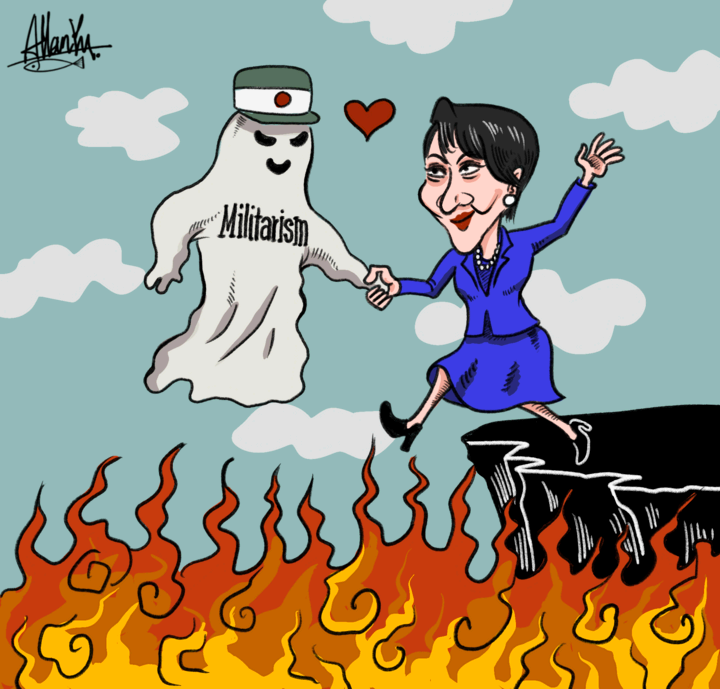
2015年7月,在民众的强烈抗议声浪中,日本国会强行通过了安倍晋三政府提交的旨在解禁集体自卫权 的新安保法案。 行使集体自卫权,实际上超越了日本宪法第9条划定的红线,这是1972年日本政府就"集体自卫权和宪法 关系"发表的正式立场。安倍内阁解禁集体自卫权的做法有违反宪法之嫌,也是迄今日本绝大多数宪法 学者的共识。 新安保法案规定,在"存亡危机事态"之际,日本可行使集体自卫权,而所谓"存亡危机事态"的定义是这 样的:"与我国有密切关系的他国遭到武力攻击,因此威胁到我国的生存,从根本上颠覆了我国国民的 生命、自由和追求幸福的权利的明确的危险事态。"从本质上来说,解禁集体自卫权,是为了松绑日本 宪法对日本扩军和自卫队海外行动的限制。 想不到,10年后,以安倍路线继承人自诩的高市早苗悍然将台湾问题与"存亡危机事态"联系起来,在接 受国会质询中公然发表涉台露骨挑衅言论,暗示日本可能武力介入台海问题。 高市这是图穷匕见了! 台湾是"与日本有密切关系的他国"?台湾问题"威胁到日本的生存"?"从根本上颠覆了日本国民的生 命、自由和追求幸福的权利"?简直荒谬至极。 责编:张靖雯、姚凯红 正如中方指出的,高市早苗的错误言论粗暴干 ...

专栏丨高市的“存亡危机事态”
Xin Hua Wang· 2025-11-15 02:44
Core Viewpoint - The article discusses the implications of Japanese politician Takashi Saito's provocative statements linking Taiwan to Japan's "survival crisis situation," suggesting potential military intervention in the Taiwan Strait, which raises concerns about Japan's military expansion and constitutional violations [1][2]. Group 1: Legislative Context - In July 2015, Japan's National Diet passed a controversial security law allowing collective self-defense, which many constitutional scholars argue violates Japan's constitution [1]. - The new security law defines a "survival crisis situation" as a scenario where an allied nation faces military aggression that threatens Japan's existence and the rights of its citizens [1]. Group 2: Political Reactions - Saito's remarks have sparked significant backlash within Japan, with critics arguing that they provoke China unnecessarily and jeopardize Japan's national interests [2]. - Some voices in Japan express concern that Saito's statements limit future policy options and could lead to a more aggressive military posture [2]. Group 3: Military Expansion Concerns - Since taking office, Saito has proposed various military expansion measures, including significant increases in defense spending and easing restrictions on arms exports [2]. - There are fears that Japan is abandoning its post-war pacifism and returning to militaristic policies, raising questions about the true motivations behind Saito's rhetoric [2].
高市的“存亡危机事态”
Xin Hua She· 2025-11-15 00:24
Core Points - The article discusses the controversial remarks made by Japanese Prime Minister Sanae Takaichi regarding Taiwan, linking it to Japan's "survival crisis" and suggesting potential military intervention, which has sparked significant backlash both domestically and internationally [1][2][3] Group 1: Political Context - The new security law passed in Japan in 2015 allows for collective self-defense, which many scholars argue violates Japan's constitution [1] - Takaichi's comments are seen as a significant shift in Japan's defense policy, potentially leading to increased military engagement in regional conflicts [2][3] Group 2: Domestic Reactions - Takaichi's statements have caused a stir within Japan, with critics arguing that they provoke China unnecessarily and could harm Japan's national interests [2][4] - Various political figures and groups in Japan have expressed concern over the implications of Takaichi's remarks, fearing a return to militarism [4][6] Group 3: International Relations - China's government has strongly condemned Takaichi's comments, viewing them as a violation of the One China principle and a challenge to China's core interests [3][7][8] - The diplomatic tensions have led to formal protests from China, indicating a deterioration in Sino-Japanese relations [5][7] Group 4: Historical Context - The article highlights the historical context of Japan's militaristic past and the need for Japan to reflect on its wartime actions, especially regarding Taiwan [4][8] - Experts emphasize that Japan's current trajectory could undermine the post-war international order established after World War II [4][5]
多部门强烈抗议高市挑衅言论,国防部:日方胆敢铤而走险,必将碰得头破血流
Huan Qiu Shi Bao· 2025-11-14 22:53
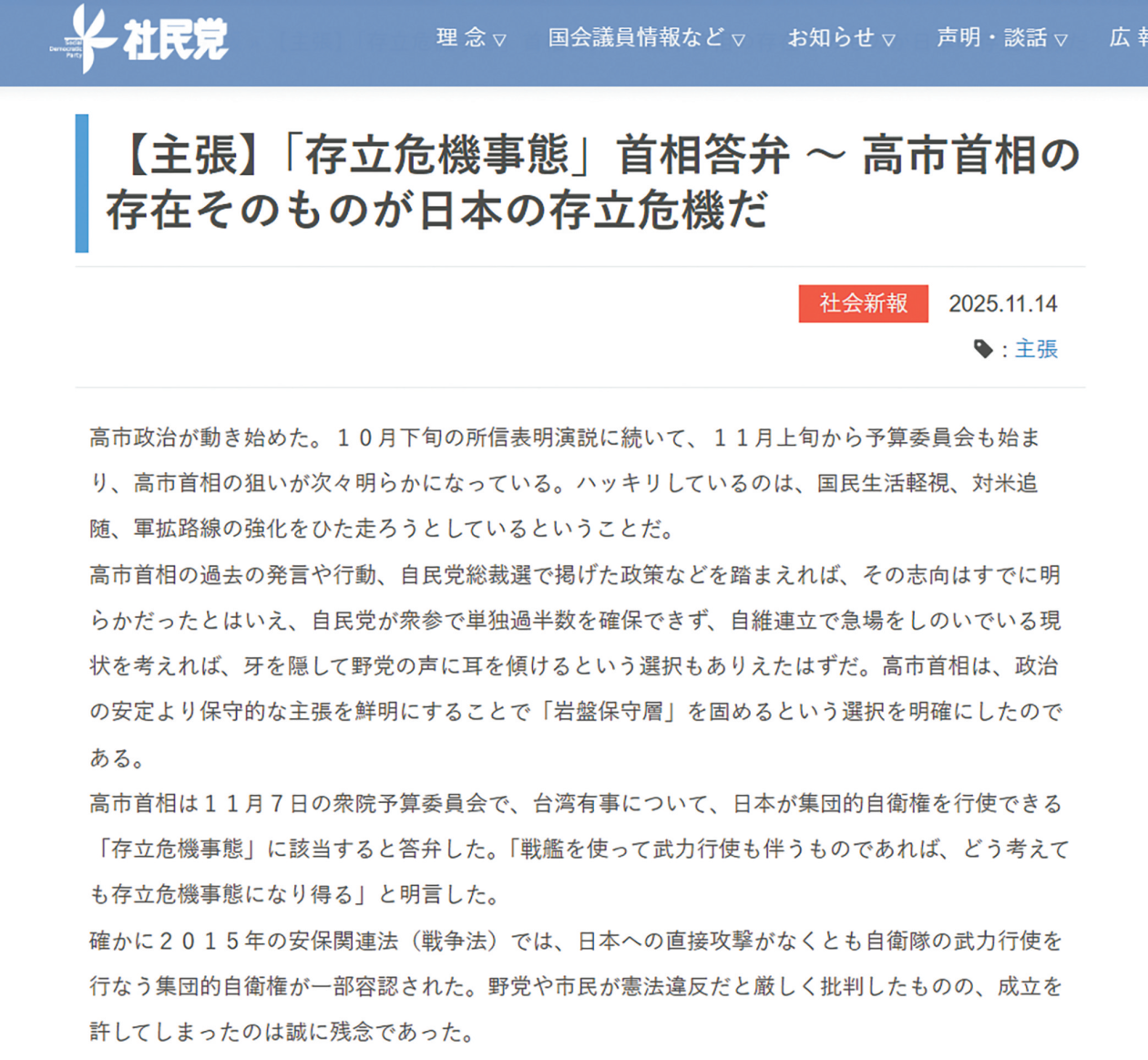
【环球时报驻日本特约记者 王军 环球时报记者 邢晓婧 杨晨】"如何解决台湾问题是中国人自己的事,不容任何外来干涉。"13日,外交部副部长孙卫东奉示 召见日本驻华大使金杉宪治,就日本首相高市早苗涉华错误言行提出严正交涉。孙卫东表示,日本首相高市早苗日前在国会答辩时公然发表涉台露骨挑衅言 论,暗示可能武力介入台海问题,性质影响极其恶劣。在中方多次严正交涉后,日方仍不思悔改,拒不撤回错误言论。中方对此强烈不满、坚决反对,向日 方提出严正交涉和强烈抗议。14日,国防部发言人和国务院台办发言人分别发表评论称,日本领导人涉台错误言论"挑战战后国际秩序,向'台独'势力发出 严重错误信号,性质影响十分恶劣,极不负责、极其危险","希望广大台湾同胞充分认清相关行径的危险性、危害性,同我们一道守护中华民族共同家园, 维护中华民族根本利益和自身安全福祉"。 "14 亿中国人民对此绝不答应! " 13日,外交部副部长孙卫东奉示召见日本驻华大使金杉宪治时指出,高市的涉台言论极其错误、极为危险,粗暴干涉中国内政,严重违背国际法和国际关系 基本准则,严重破坏战后国际秩序,严重违背一个中国原则和中日四个政治文件精神,严重破坏中日关系政治基础 ...
江宇舟:高市早苗如此盼望“有事”,就让她体验一下“多事之秋”
Guan Cha Zhe Wang· 2025-11-14 00:15
Core Viewpoint - The article discusses the provocative actions and statements made by Japan's new Prime Minister, Sanna Takashi, regarding Taiwan and China, highlighting the potential legal violations and the deterioration of Sino-Japanese relations [1][2]. Group 1: Provocative Actions - Sanna Takashi met with Taiwanese representatives shortly after APEC talks with China, which led to strong protests from China [1]. - Takashi's statements in the Japanese Diet suggested that any military action by China against Taiwan could trigger Japan's collective self-defense rights, which has drawn criticism [1][2]. - The awarding of the Order of the Rising Sun to Taiwanese politician Hsieh Chang-ting further escalated tensions [1]. Group 2: Legal Violations - Takashi's actions are seen as a violation of Japan's post-war constitution, particularly Article 9, which renounces war and the use of force [6]. - The statements made by Takashi contradict Japan's own security laws, which were modified under former Prime Minister Shinzo Abe to allow collective self-defense [2][5]. - The provocative rhetoric undermines the 1978 Treaty of Peace and Friendship between China and Japan, which emphasizes mutual respect for sovereignty and non-interference in internal affairs [8]. Group 3: Historical Context - The article emphasizes Japan's historical amnesia regarding its wartime actions and its current threats against China, which are viewed as a significant escalation [9]. - The narrative suggests that Japan's current government is attempting to shift its internal contradictions outward, leading to increased tensions with China [2]. Group 4: Economic and Military Implications - The article outlines potential economic responses from China, including tightening export controls on critical minerals and limiting imports from Japan [13]. - It discusses the possibility of military exercises near Japan as a countermeasure to Takashi's threats, indicating a shift in China's military posture [14][19]. - The article suggests that Japan's actions could lead to a reevaluation of the U.S.-Japan security alliance, particularly in light of Japan's provocative stance [20].
石破茂:反对高市早苗涉台言论
财联社· 2025-11-13 23:35
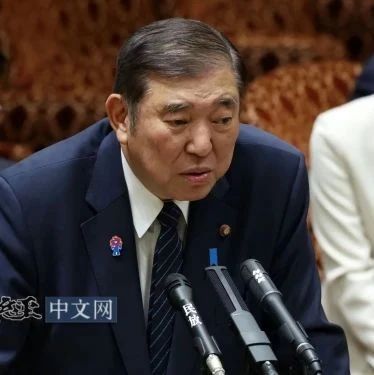
石破对高市的言论提出质疑。 他表示,断定"在某种情况下就会这样做",并不能提高威慑力。 高市7日在国会答辩时就"台湾有事"表示,如果伴随出动军舰和使用武力,可能会构成"存亡危机事态"。根据日本法律,如发生被认定为威胁日本 的"存亡危机事态",即便并未直接遭受攻击,日本也将可以行使集体自卫权。10日,高市在国会答辩时坚称,其言论遵循日本政府的一贯见解,无意 撤回。 据央视新闻,日本前任首相石破茂13日在一档广播节目中对现任首相高市早苗日前在国会发表的涉台言论表示反对。 石破表示,高市的言论几乎等同于"台湾有事就是日本有事"。日本历届政府在台湾问题上都避免发表类似"在某种情况下就会这样做"的明确言论。 中国外交部发言人林剑13日表示,高市日前在国会公然发表涉台露骨挑衅言论,暗示武力介入台海的可能性。在中方表达严正交涉和强烈抗议后, 还执迷不悟、拒不撤回。上述错误言行严重违背一个中国原则,严重违背中日四个政治文件精神和国际关系基本准则,粗暴干涉中国内政,挑战中 方核心利益,侵犯中国主权,中方对此坚决反对、绝不容忍,日方必须立即纠正,收回恶劣言论,否则一切后果必须由日方承担。 ...
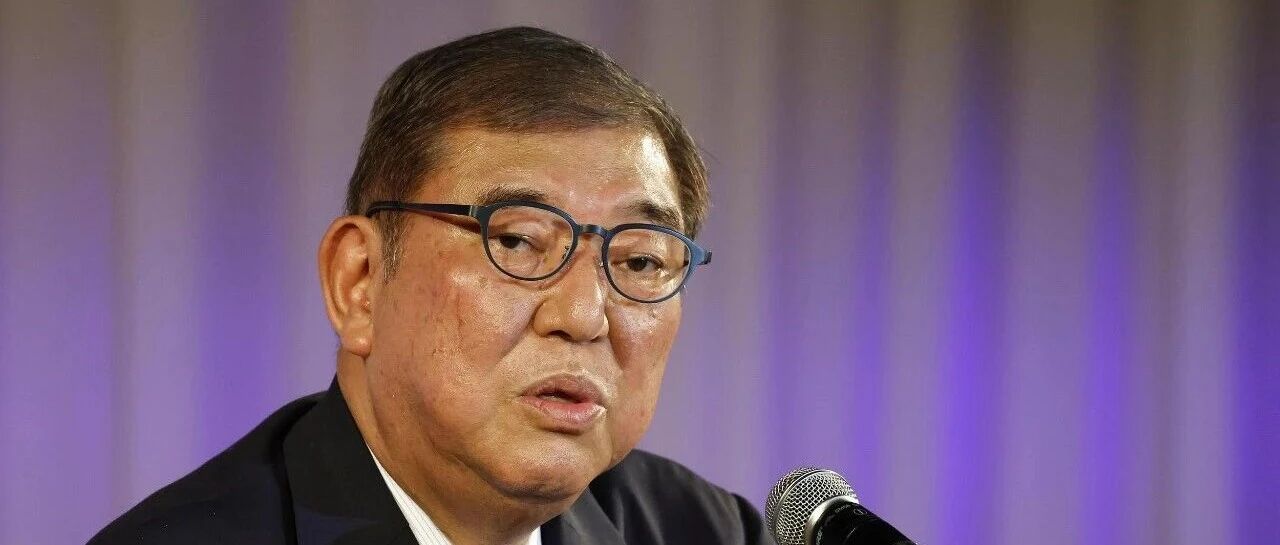
高市早苗妄谈台海局势,外交部发言人三问日本首相涉台谬论
Huan Qiu Shi Bao· 2025-11-10 22:51
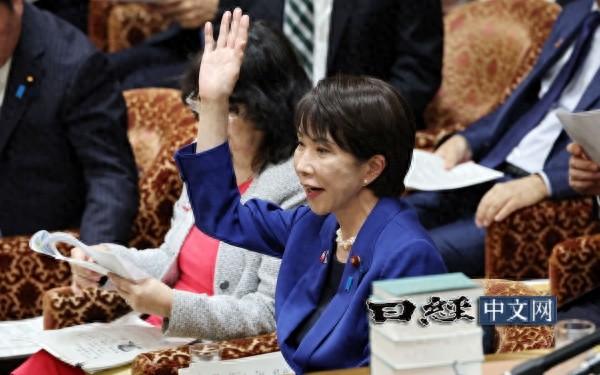
据日本TBS电视台10日报道,立宪民主党众议院议员大串博志在国会称,"认定'存亡危机事态'绝非易 事。一旦认定,就意味着防卫出动,也就是日本作为国家将卷入战争。你难道不打算撤回、取消相关发 言吗?" 对这番言论,日本政坛出现质疑声音。立宪民主党党首野田佳彦8日已对媒体表示,他对高市早苗的发 言感到"非常惊讶,感受到了(她)独自贸然前行的危险性",并表示打算在国会就此展开追问。野田佳 彦还称,"历任首相都对这类话题保持着一定克制,(首相的此番发言)会对国内外产生影响。"他强 调,该发言"分量极重","难道不应该格外谨慎吗?" 日本前首相鸠山由纪夫8日在社交平台X上发帖表示,过去也有人提出"台湾有事即日本有事",而高市 首相则称,(台湾有事)可能构成可行使集体自卫权的"存亡危机事态",目的恐怕是煽动危机,进而为 增强军事力量找借口,但日本本应尊重台湾是中国的一部分这一事实。"归根结底,台湾问题是中国的 内政,日本绝不应插手。"他写道。 【环球时报报道 记者 邢晓婧】日本首相高市早苗日前在回应国会质询时,宣称"台湾有事"恐构成可行 使集体自卫权的"存亡危机事态",引发争议。10日,日本在野党方面要求其撤回相关答辩内 ...
高市表示不收回台湾有事触发“存亡危机事态”的言论
日经中文网· 2025-11-10 07:30
Group 1 - The core viewpoint of the article is that Japanese Prime Minister Kishi Sanae emphasized the government's consistent stance regarding Taiwan's situation, stating that her previous comments were made while considering the worst-case scenario and that she will avoid such specific remarks in the future [2][4] - Kishi Sanae confirmed that the possibility of a crisis in Taiwan could trigger Japan's collective self-defense rights, referring to it as a "survival crisis situation," but acknowledged the need for reflection on how such situations are defined [2][4] - The Japanese government has historically maintained a cautious approach in public discussions regarding Taiwan, often responding with vague statements when asked about the implications of a crisis in Taiwan [4] Group 2 - Kishi Sanae denied any intention to retract her comments about Taiwan potentially triggering a survival crisis, asserting that these statements align with the government's longstanding position [4] - Regarding the funding sources for increasing defense spending to 2% of GDP, Kishi Sanae expressed the desire to ensure adequate funding through expenditure reforms without raising tax rates [4]
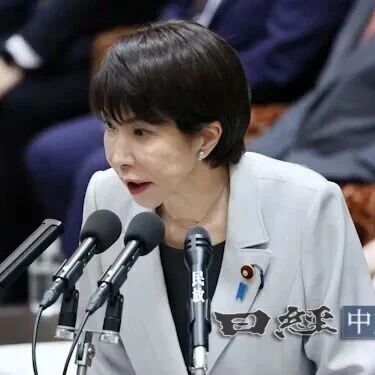
日本自民党与维新会迅速接近,磋商联合执政
日经中文网· 2025-10-16 02:58
Core Viewpoint - The meeting between Japan's ruling Liberal Democratic Party (LDP) and the Japan Innovation Party (JIP) on October 15 aims to establish a cooperative relationship for the upcoming prime ministerial election and potentially form a governing coalition [2][3]. Group 1: Political Cooperation - The LDP and JIP agreed to start policy discussions on October 16, with JIP's representative indicating support for LDP's leader, if consensus is reached [2][3]. - High-profile discussions included the JIP's proposal for a "sub-capital" concept, with plans to introduce legislative proposals in the 2026 regular session [3][6]. - The LDP and JIP hold a combined total of 231 seats in the House of Representatives, just two short of the majority needed, enhancing the likelihood of High City becoming Prime Minister if they collaborate [6][7]. Group 2: Challenges Among Opposition Parties - The three opposition parties, including the Constitutional Democratic Party (CDP), JIP, and the National Democratic Party (NDP), have not reached a consensus on basic policies, which could hinder their ability to support a unified candidate in the prime ministerial election [2][5][7]. - The NDP's leader expressed skepticism about forming a coalition with the LDP after the Komeito party's exit from the ruling coalition, indicating a complex political landscape [4][6]. Group 3: Policy Discussions - Key topics for discussion between the LDP and JIP include social security reform, political funding measures, and the foreigner policy [3][6]. - The LDP's High City proposed a mechanism for discussions with the NDP to address income tax exemption thresholds, aiming for collaboration in the prime ministerial election [6][7]. - The CDP's leader indicated a willingness to make concessions on security laws, while the JIP and NDP maintain a supportive stance towards the current security legislation [7].
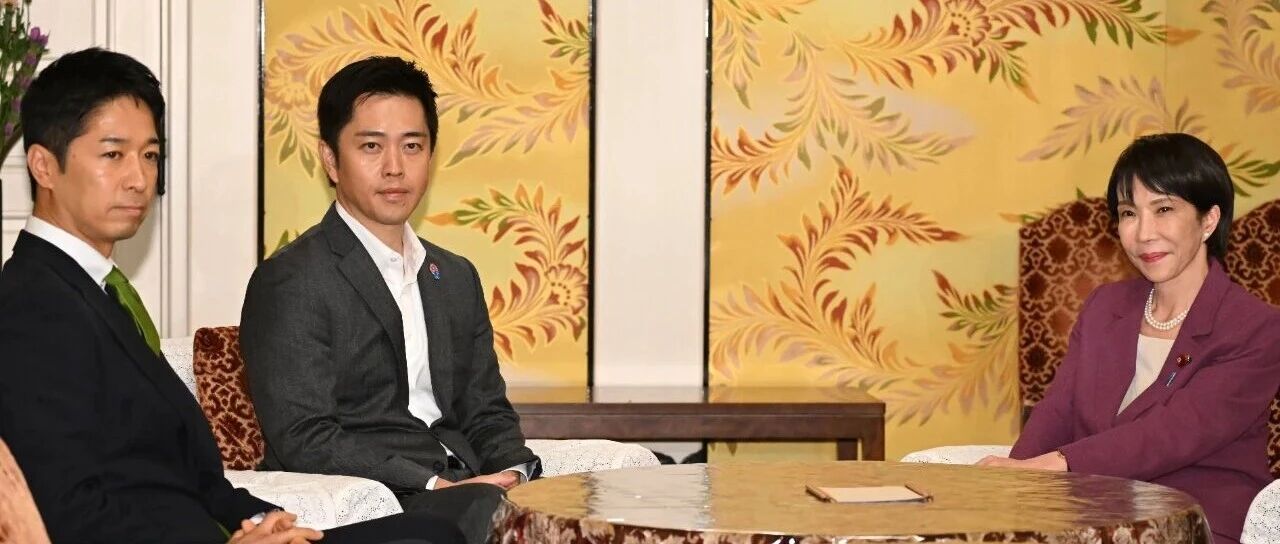
日美安保条约存在不平等吗?日本探究特朗普不满的真意
日经中文网· 2025-03-10 02:49
Core Viewpoint - The article discusses President Trump's dissatisfaction with the U.S.-Japan Security Treaty, highlighting perceived imbalances in defense obligations and economic benefits between the two nations [1][3]. Group 1: U.S.-Japan Security Treaty - The treaty stipulates U.S. defense obligations to Japan while requiring Japan to provide bases for U.S. military operations [2]. - Japan has amended its legal framework to allow for collective self-defense under certain conditions, addressing criticisms of the treaty being one-sided [2][4]. - Trump has repeatedly expressed that Japan benefits economically from U.S. military protection without reciprocating adequately [1][3]. Group 2: Japanese Government's Response - The Japanese government is investigating the true intent behind Trump's comments, emphasizing that the relationship is not one-sided and involves mutual obligations [3][4]. - Japanese officials are concerned that Trump's remarks may lead to demands for increased defense spending from Japan [3]. - Japan's leadership aims to reinforce the importance of the alliance, especially in the context of regional security threats from China and North Korea [4]. Group 3: Historical Context and Implications - Trump's previous comments during his first term also questioned the fairness of the alliance, yet security cooperation has strengthened since then [3]. - The article notes that if the U.S.-Japan security cooperation weakens, it could impact deterrence capabilities in Asia, particularly against China and North Korea [4]. - There are ongoing discussions within Japan about addressing the perceived asymmetry in the treaty, with calls for a reevaluation of the obligations [4].