日美同盟关系

Search documents
高市早苗的华盛顿奇幻之旅
财富FORTUNE· 2026-03-21 13:15
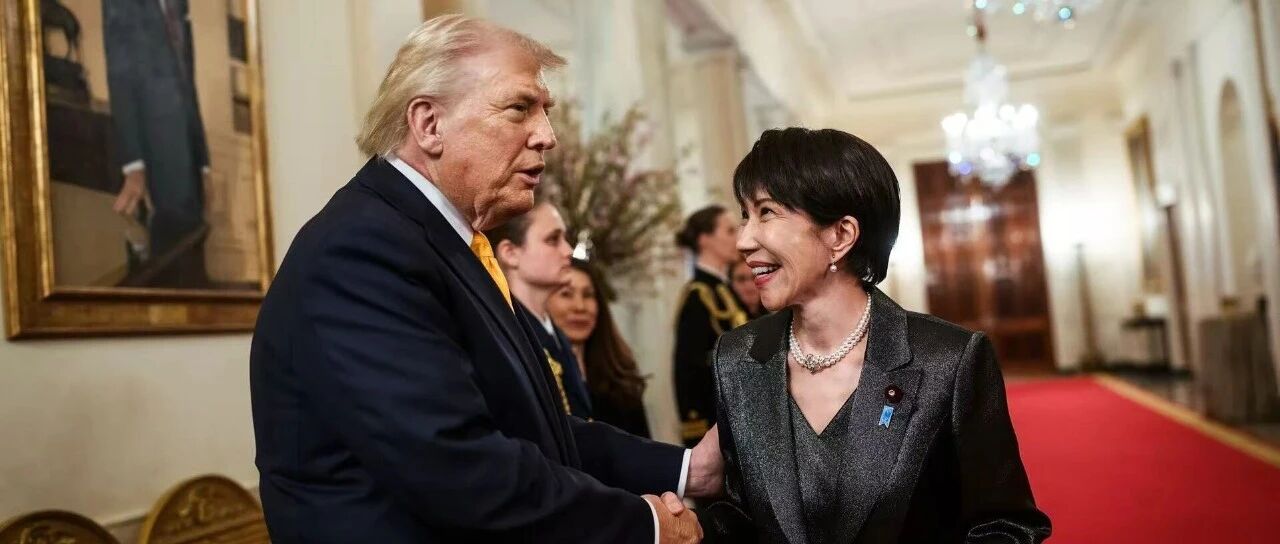
Core Viewpoint - The article discusses the diplomatic interactions between former U.S. President Donald Trump and Japanese Prime Minister Fumio Kishida, highlighting the complexities and challenges of their relationship, particularly in the context of security and energy cooperation [5][8]. Group 1: Diplomatic Interactions - Trump's use of humor, particularly referencing the Pearl Harbor attack, created an awkward moment during a meeting with Japanese officials, showcasing the delicate nature of U.S.-Japan relations [4][5]. - Kishida's visit to the U.S. aimed to solidify the U.S.-Japan alliance, especially in light of Japan's evolving security policies amid a complex geopolitical environment [5][6]. Group 2: Energy Cooperation - Japan announced plans to invest up to $73 billion in U.S. energy projects, indicating a significant commitment to enhancing energy security through collaboration with the U.S. [8][9]. - A proposed joint project aims to transport crude oil from Alaska directly to Japan, which would diversify Japan's energy supply sources and strengthen ties with the U.S. [9].

高市早苗访美与特朗普如何“面对面”?
第一财经· 2026-03-19 05:45
Group 1: Japan-US Relations - Japanese Prime Minister Sanna Marin's visit to the US is aimed at deepening the Japan-US alliance and discussing trade, security, and the Middle East situation [3][4] - The visit comes at a challenging time due to escalating tensions in the Middle East, making it difficult for Japan to navigate its diplomatic stance [4][5] - The Prime Minister's agenda has been disrupted by the unexpected developments in the Middle East, which complicates discussions on trade and defense cooperation [5][6] Group 2: Trade and Economic Implications - Japan is expected to invest $550 billion in the US, which could create hundreds of thousands of jobs, as part of a trade agreement reached last year [8] - Despite the anticipated growth, Japan's exports to the US have been declining, with a reported 8% drop in February, largely due to reduced exports of pharmaceuticals, automobiles, and auto parts [8][9] - The US Trade Representative's recent announcement of a 301 investigation into Japan and other trading partners could further strain Japan-US trade relations, potentially leading to a more pessimistic outlook for bilateral trade [9][10]
参考消息:高市早苗面临艰难抉择
Xin Lang Cai Jing· 2026-01-04 07:36
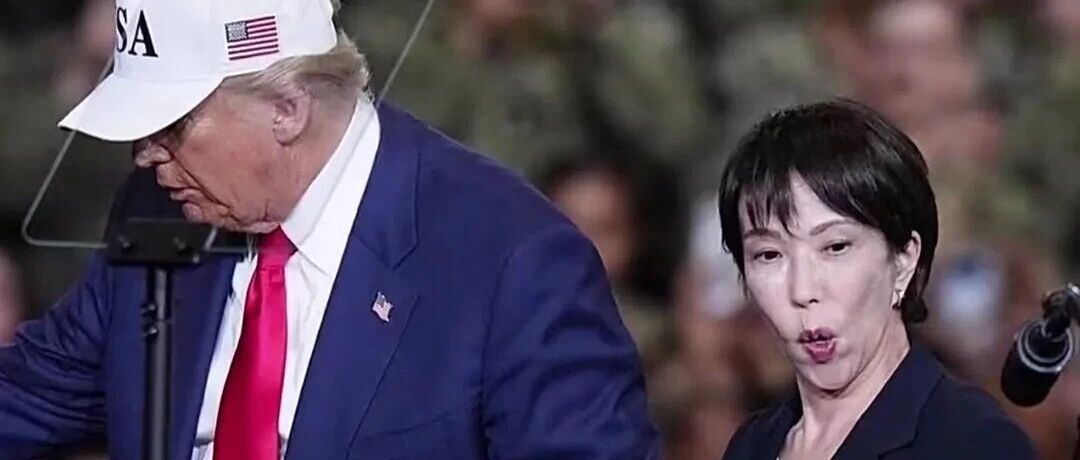
Core Viewpoint - Japanese Prime Minister Kishi Nobuo faces a difficult decision regarding whether to support U.S. President Trump's military action against Venezuela, which has drawn international condemnation for violating international law [1] Group 1: Japan's Position and International Relations - Japan's potential condemnation of the U.S. action could strain the Japan-U.S. alliance, highlighting the delicate balance between international law and bilateral relations [1] - Kishi has been working to build personal trust with Trump, showing support during a recent phone call by expressing admiration for Trump's efforts towards peace in various regions [1] - The Japanese government has established a liaison office within the Ministry of Foreign Affairs to gather information and ensure the safety of Japanese citizens in Venezuela [1] Group 2: Travel Warnings and Citizen Safety - In response to escalating tensions between the U.S. and Venezuela, Japan's Ministry of Foreign Affairs raised the travel warning level for Venezuela [1] - Approximately 160 Japanese citizens are currently in Venezuela, prompting the government to take precautionary measures [1]
急着求见特朗普,“高市早苗要和中国打时间差”
Xin Lang Cai Jing· 2025-12-21 09:21
Group 1 - The Japanese government is coordinating Prime Minister Fumio Kishida's visit to the U.S. to meet President Trump in spring 2024, aiming to solidify U.S.-Japan relations before Trump's visit to China in April [1][3] - Proposed dates for Kishida's visit include early January, during the opening of the regular Diet session on January 23, or after the budget approval for the fiscal year 2026 in March [1] - There are discussions within Japan about potentially meeting during the World Economic Forum in Davos in January, but Kishida's aides prefer a formal bilateral visit to discuss economic security cooperation [1] Group 2 - Kishida expressed a desire to meet Trump "as soon as possible," against the backdrop of deteriorating Japan-China relations, particularly following Kishida's controversial remarks regarding Taiwan in November [2] - In a recent phone call, Trump warned Kishida not to complicate U.S.-China relations, which left Kishida feeling quite low after the conversation [2] - Japan's Defense Minister and the U.S. Defense Secretary expressed serious concerns over radar issues, but Trump did not take a clear stance, which was perceived as being cautious of China [2]
视频丨日本专家:特朗普访日是为寻求战略利益
Yang Shi Xin Wen Ke Hu Duan· 2025-10-29 06:21
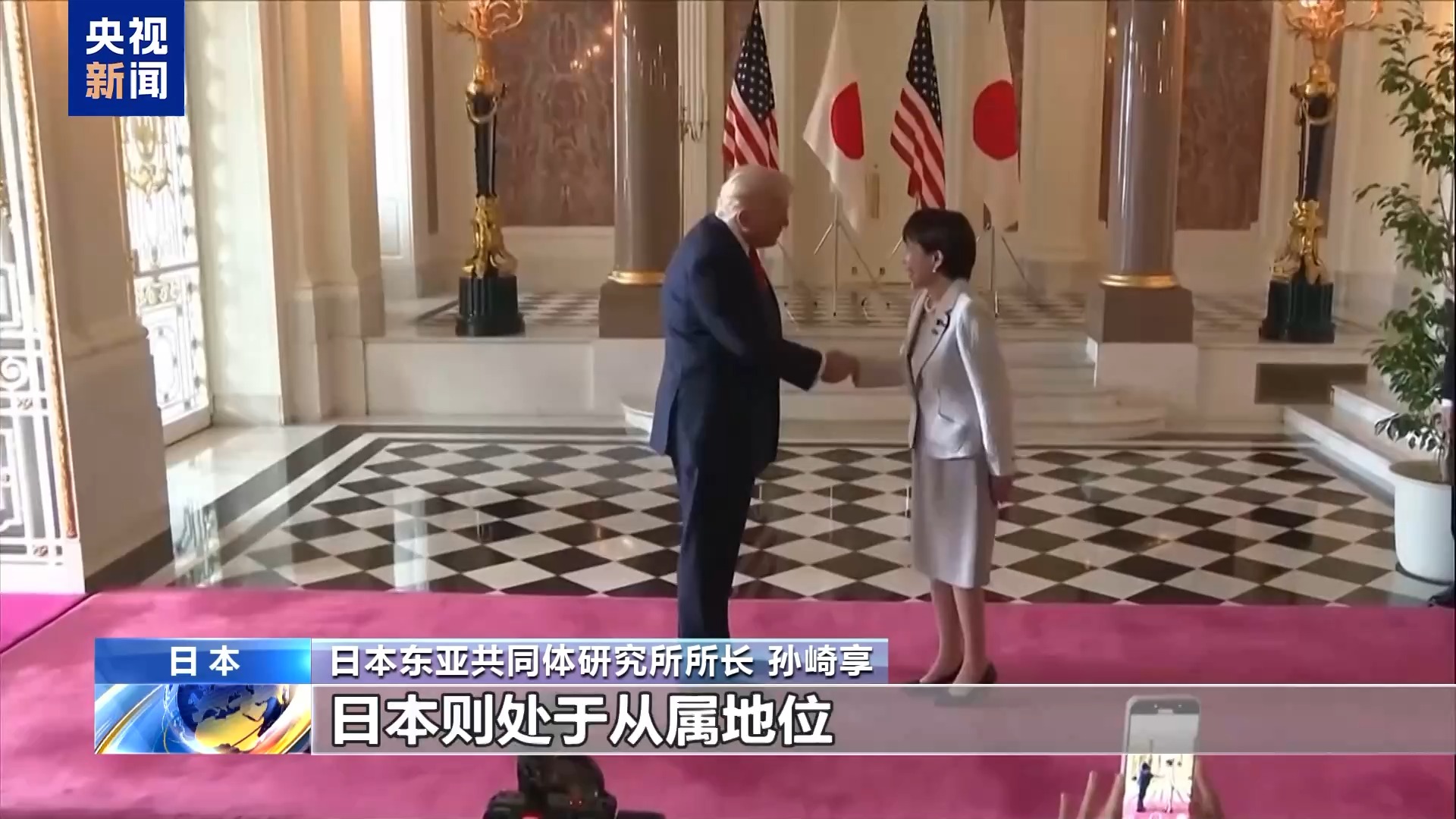
Core Points - The visit of U.S. President Trump to Japan aims to seek strategic interests for the U.S. in the Asia-Pacific region [1] - The discussions highlight two main objectives: increasing Japan's defense spending to purchase U.S. weapons, particularly missiles, and a U.S. policy that favors heightened tensions in East Asia [3] Group 1 - The first objective of Trump's visit is to encourage Japan to increase its defense budget to buy U.S. military equipment, ideally missiles like the "Patriot" system, which would support the U.S. defense industry [3] - The second objective reflects the current U.S. policy stance, which does not prioritize de-escalation of tensions in East Asia, suggesting that increased tensions align more closely with U.S. interests [3] Group 2 - The relationship between Japan and the U.S. is characterized as unequal, with Japan following U.S. directives, which is viewed as unwise [4] - The true nature of the Japan-U.S. alliance is described as one where the U.S. is the dominant partner and Japan is in a subordinate position, contrary to the perception of an equal partnership [6] - Japan's interest lies in avoiding conflict in Asia, yet the current approach does not clearly reflect a commitment to peaceful dispute resolution, which is seen as regrettable [6]
特朗普近期访日,见高市早苗
日经中文网· 2025-10-21 05:41
Group 1 - The core viewpoint of the article highlights President Trump's upcoming visit to Japan and Malaysia, focusing on discussions regarding Japan's defense spending and investment in the U.S. [2][4] - The U.S. and Japan signed a memorandum in September regarding Japan's investment of $550 billion in the U.S., indicating a strengthening economic relationship [4] - Discussions are expected to include Japan's energy imports from Russia, with the U.S. urging Japan to halt these imports, as Russia accounts for 9% of Japan's total LNG imports [4] Group 2 - The article mentions that NATO has set a defense spending guideline of 5% of GDP, while Japan's current target is 2%, which the U.S. finds insufficient [5] - Trump's previous comments suggest that he views the U.S.-Japan security arrangement as one-sided, emphasizing the need for Japan to increase its defense budget [5] - The upcoming ASEAN summit in Malaysia is also noted as part of Trump's itinerary before his visit to Japan [6]
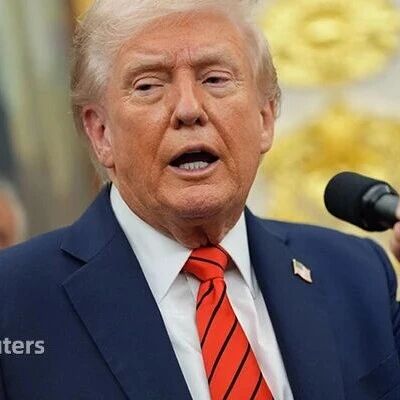
特朗普将于10月下旬访日
日经中文网· 2025-09-25 08:00
Group 1 - The core viewpoint of the articles revolves around the potential visit of former President Trump to Japan, which would mark his first visit since taking office again in January 2025 [2][4]. - The visit is planned to occur before the APEC leaders' meeting in South Korea on October 31 and November 1, with Japan aiming to communicate its policy towards China prior to the US-China talks [2][5]. - The Japanese government is coordinating the logistics of Trump's visit, which is expected to coincide with the election of a new Prime Minister following the resignation of Shinzo Abe [4]. Group 2 - The discussions during Trump's visit are likely to include topics beyond economic issues, such as defense cooperation to strengthen the US-Japan alliance, based on a tariff agreement reached in July [4]. - The US State Department has indicated a strong willingness from Trump to visit Japan, highlighting the long-standing relationship between the US and Japan [4]. - Regardless of whether Trump visits Japan, the country remains a cornerstone for security, stability, and prosperity in the Indo-Pacific region [4].
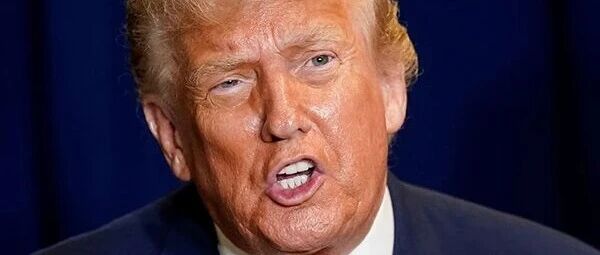
日本首相石破茂:确认将进一步巩固日美同盟关系。
news flash· 2025-06-16 23:07
Core Viewpoint - Japanese Prime Minister Shigeru Ishiba confirmed plans to further strengthen the Japan-U.S. alliance [1] Group 1 - The Japanese government is committed to enhancing security cooperation with the United States [1] - This initiative is part of a broader strategy to address regional security challenges [1] - Strengthening the alliance is expected to bolster Japan's defense capabilities [1]
日美安保条约存在不平等吗?日本探究特朗普不满的真意
日经中文网· 2025-03-10 02:49
Core Viewpoint - The article discusses President Trump's dissatisfaction with the U.S.-Japan Security Treaty, highlighting perceived imbalances in defense obligations and economic benefits between the two nations [1][3]. Group 1: U.S.-Japan Security Treaty - The treaty stipulates U.S. defense obligations to Japan while requiring Japan to provide bases for U.S. military operations [2]. - Japan has amended its legal framework to allow for collective self-defense under certain conditions, addressing criticisms of the treaty being one-sided [2][4]. - Trump has repeatedly expressed that Japan benefits economically from U.S. military protection without reciprocating adequately [1][3]. Group 2: Japanese Government's Response - The Japanese government is investigating the true intent behind Trump's comments, emphasizing that the relationship is not one-sided and involves mutual obligations [3][4]. - Japanese officials are concerned that Trump's remarks may lead to demands for increased defense spending from Japan [3]. - Japan's leadership aims to reinforce the importance of the alliance, especially in the context of regional security threats from China and North Korea [4]. Group 3: Historical Context and Implications - Trump's previous comments during his first term also questioned the fairness of the alliance, yet security cooperation has strengthened since then [3]. - The article notes that if the U.S.-Japan security cooperation weakens, it could impact deterrence capabilities in Asia, particularly against China and North Korea [4]. - There are ongoing discussions within Japan about addressing the perceived asymmetry in the treaty, with calls for a reevaluation of the obligations [4].