Autonomous driving

Search documents
Here's Why Tesla Will Win the EV Market
The Motley Fool· 2026-01-01 11:00
Core Viewpoint - The future of the electric vehicle (EV) industry is being debated, with Elon Musk advocating for robotaxis and autonomous driving, while competitors like Ford and General Motors focus on developing low-cost models [2][11][12]. Group 1: Tesla's Position - Tesla's management emphasizes that the future lies in autonomous electric vehicles, arguing that a regular $25,000 model is "pointless" compared to the cost efficiency of robotaxis [4][10]. - Musk claims that the cost per mile for a Cybercab robotaxi could be as low as $0.30, significantly cheaper than the average cost of over $2 for an internal combustion engine (ICE) taxi [8][9]. - Tesla is strategically positioned to benefit from both the robotaxi development and the production of lower-cost models, making it well-prepared for various market conditions [16][17]. Group 2: Competitors' Strategies - Ford is investing $5 billion in a universal EV platform to produce a $30,000 electric pickup truck by 2027, reflecting a focus on affordability in the EV market [11]. - General Motors has scaled back its EV plans due to disappointing sales and losses, indicating a shift towards more affordable EV options that Musk considers "pointless" [12]. - The sales performance of Tesla's Model 3 has grown nearly 18% through 2025, while competitors like Ford's F-150 Lightning have underperformed, highlighting differing market strategies [13]. Group 3: Market Dynamics - The debate on the future of EVs suggests that both low-cost models and robotaxis may coexist, with the timing of robotaxi rollouts and regulatory approvals being uncertain [14][13]. - Tesla's profitability in its EV business allows it to adapt to market conditions more effectively than its competitors, which may give it an edge in the evolving landscape of the EV industry [16][17].


NWTN(NWTN) - Prospectus
2025-12-31 21:47
As filed with the Securities and Exchange Commission on December 31, 2025 Registration No. 333- _______________________________ FORM F-1 REGISTRATION STATEMENT Under The Securities Act of 1933 _______________________________ Robo.ai Inc. (Exact name of Registrant as specified in its charter) Not Applicable (Translation of Registrant's name into English) _______________________________ Cayman Islands 3711 Not Applicable (State or other jurisdiction of (Primary Standard Industrial Classification Code Number) ...

1 Forever Stock I'll Hold for Dear Life
Yahoo Finance· 2025-12-29 18:20
Company Overview - Uber is a globally recognized brand and the leader in the rideshare market, generating more revenue globally from its Uber Eats segment than DoorDash, despite being behind DoorDash in the U.S. delivery market [3][4] Business Model - The company addresses two key needs: providing a platform for individuals to earn extra income by offering rides and serving customers in need of rides or food deliveries. This service is transformative, leading some users in car-dependent areas to rely on ridesharing instead of car ownership [4] Future Growth Potential - The trend towards ridesharing may accelerate with the rise of autonomous driving. Uber has partnered with automakers like GM and tech companies like Alphabet to support the self-driving car industry, positioning itself as a key player in the transportation ecosystem without owning the vehicles [5][6] Financial Performance - In the first nine months of 2025, Uber reported nearly $38 billion in revenue, an 18% increase year-over-year. Costs and expenses grew at a slower rate than revenue, and a $4.3 billion income tax benefit contributed to a net income of $9.8 billion, significantly higher than the $3.0 billion from the previous year [7] Market Position - Uber has established itself as the global leader in both rideshare and delivery markets, with revenue continuing to rise at double-digit rates. Current valuation suggests that regulatory challenges are already factored into Uber's stock price [8] Stock Performance - Despite macroeconomic concerns and pressures regarding driver employment classification, Uber's gross bookings are on the rise, and the stock has increased by over 30% in the past year [9]

Uber, Lyft Team Up With Baidu to Start Robotaxi Trials in UK
Insurance Journal· 2025-12-29 16:44
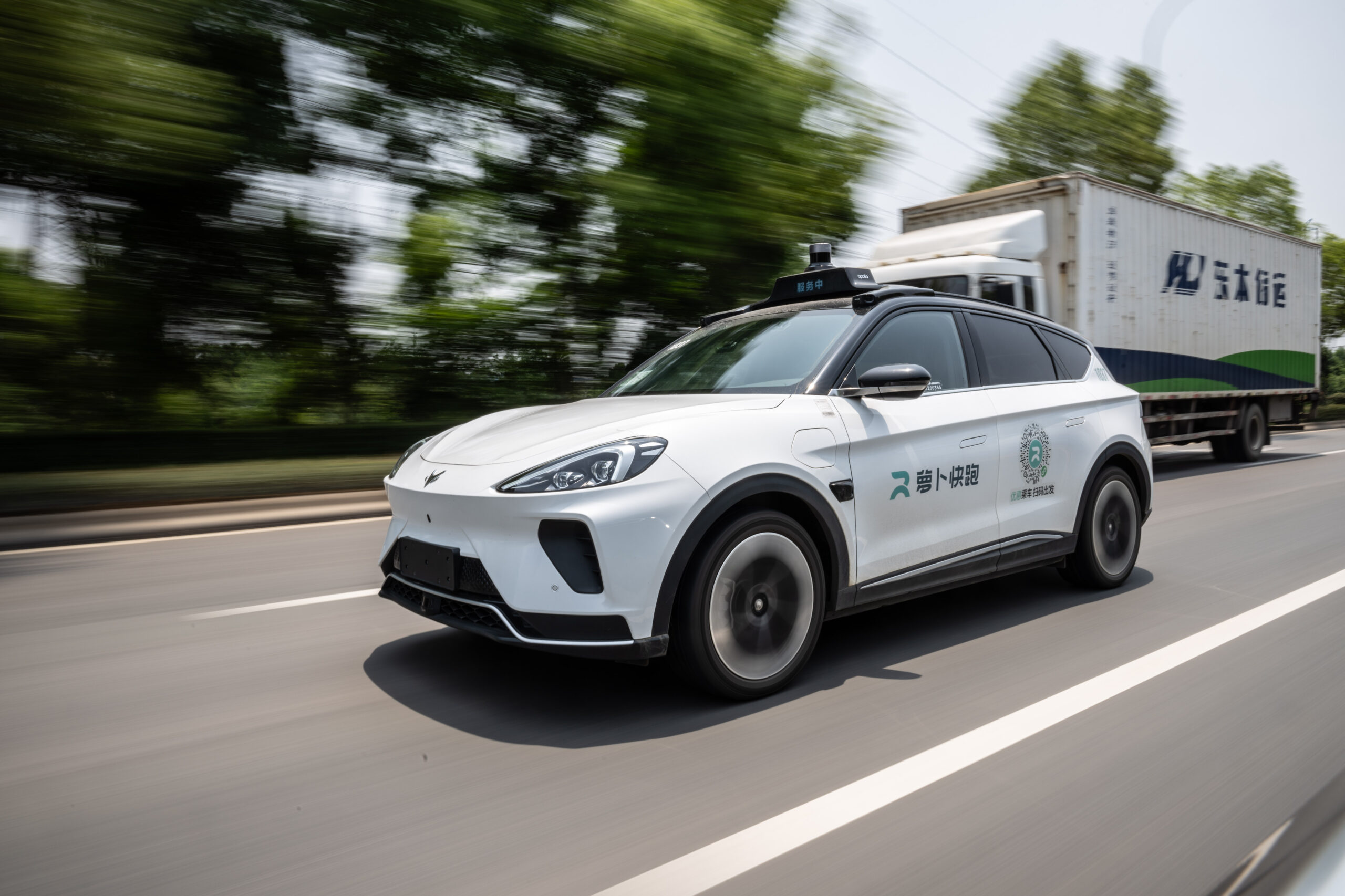
Core Insights - Uber Technologies Inc. and Lyft Inc. are collaborating with Baidu Inc. to test driverless taxis in the UK, reflecting the competitive landscape of autonomous ride-sharing services globally [1][2] - Uber plans to initiate a pilot program with Baidu's Apollo Go RT6 robotaxis in London in the first half of 2026, with expectations for commercial services to launch before the end of next year [1][2] - Lyft is also set to conduct trials in the UK next year, pending regulatory approval, using the same type of vehicles [2] Company Strategies - Uber has shifted from in-house development of autonomous driving, which it abandoned in 2020, to forming partnerships with various robotaxi companies [5] - Uber's CEO has indicated plans to offer driverless services in over 10 markets by the end of next year [5] - Lyft has signed a deal with Baidu to deploy robotaxis in Europe, indicating a similar strategy to Uber [6] Industry Trends - The global rollout of robotaxis is accelerating, with companies like Baidu, Weride Inc., and Alphabet Inc.'s Waymo leading the market [2] - Other ride-hailing platforms, such as Southeast Asia's Grab, are also partnering with Chinese firms to enhance their autonomous vehicle offerings [6] - Despite the growth in the sector, profitability of the robotaxi model remains uncertain, as companies like Pony AI Inc. and Weride continue to incur losses [6]

4 Auto Stocks Wall Street Analysts Are Bullish About for 2026
ZACKS· 2025-12-29 15:11
Industry Overview - The auto industry in 2025 is navigating policy uncertainty and shifting incentives, with U.S. new-vehicle sales expected to reach about 16.3 million units, the strongest level since 2019 [1] - Sales are projected to settle near 16 million units in 2026 as pricing, inventory, and dealer supply normalize, with growth driven by real consumer demand rather than short-term incentives [2] - Affordability remains a key theme, with higher-income buyers supporting demand for larger vehicles while cost-conscious shoppers lean towards used and off-lease options [3] Company Insights Garrett Motion - Garrett Motion develops advanced turbocharging and zero-emission technologies, securing new light-vehicle turbo programs and expecting over $40 million in lifetime revenues from turbochargers used in data-center backup power systems [6][7] - The company raised its 2025 profit outlook and approved a $250 million share repurchase program for 2026, with a Wall Street average price target of $20.75/share suggesting a nearly 19% upside [8] Standard Motor Products - Standard Motor Products specializes in premium automotive replacement parts, with demand driven by an aging vehicle fleet and long-term growth themes like electrification and affordability [9] - The acquisition of Nissens in November 2024 is expected to deliver $8-12 million in annualized cost savings, with a Wall Street average price target of $47/share suggesting a nearly 25% upside [11][12] Blue Bird Corporation - Blue Bird is a leader in low- and zero-emission school buses, with a record delivery of 901 electric buses in fiscal 2025 and an order backlog of 680 electric buses supporting its 2026 sales outlook [13][14] - The company targets $1.5 billion in revenues and $220 million in adjusted EBITDA for fiscal 2026, with a Wall Street average price target of $56.71/share suggesting a nearly 12% upside [15] WeRide Inc. - WeRide is a leader in the autonomous driving space with a fleet of over 1,600 AVs, including robotaxis and driverless licenses across eight countries, and is expanding its commercial operations [16][17] - The company has an attractive average broker recommendation of 1.42, with a Wall Street average price target of $15/share suggesting a nearly 72% upside [18]

Cadence's Free Cash Flow Continues to Power M&A, Buybacks
ZACKS· 2025-12-26 18:16
Core Insights - Cadence Design Systems Inc. (CDNS) is positioned to benefit from increasing demand for its AI-driven solutions amid strong design activity and customer spending on AI initiatives [1] Financial Performance - In Q3, CDNS reported revenues of $1.339 billion, reflecting a year-over-year increase of 10.2% [2][8] - The company generated operating cash flow of $311 million and free cash flow of $277 million [2] - As of September 30, 2025, CDNS had cash and cash equivalents of $2.753 billion and long-term debt of $2.479 billion [2] Growth Strategy - CDNS is pursuing a disciplined inorganic growth strategy, acquiring technologies that enhance organic growth [3] - Recent acquisitions include the Design & Engineering division of Hexagon AB, Artisan foundation IP from Arm Holdings, and Secure-IC [3] Shareholder Returns - CDNS repurchased shares worth $200 million in Q3 and plans to repurchase another $200 million in Q4 [4] - The company intends to use at least 50% of its free cash flow for share buybacks in 2025 [6][8] Future Outlook - The company expects revenues for 2025 to be between $5.262 billion and $5.292 billion, with operating cash flow projected between $1.65 billion and $1.75 billion [6][8] - Trends such as 5G, hyperscale computing, and autonomous driving are anticipated to drive design activity and sustain top-line growth [5]


Nvidia's $20B deal with Groq, plus 2026 investing resolutions and market outlook
Youtube· 2025-12-26 15:47
分组1 - The Santa Claus rally is currently underway, with stocks nearing record highs, as historically, this rally has occurred in nearly 80% of the last 50 years [2][3] - Precious metals have seen significant gains, with gold reaching a new record and silver up 40% in the past month [2] - Freeport Macaran, a leading gold and silver miner, has seen its shares rise 28% in the last month, indicating strong market performance [3] 分组2 - Nvidia has made its largest acquisition, purchasing assets from AI chip startup Grock for approximately $20 billion, which reflects the company's aggressive expansion in the AI sector [3][29] - Grock's founder will join Nvidia, and the remaining parts of Grock will operate independently, focusing on cloud business [29] - Nvidia's stock is expected to rise as the market anticipates positive outcomes from this acquisition [29] 分组3 - The tech sector, particularly AI, has driven significant market growth, with Nvidia and Alphabet contributing to a 20% increase in the NASDAQ this year [5] - Concerns are emerging regarding the potential overvaluation of AI stocks, with predictions of a market correction in 2026 [5] - Analysts suggest that Nvidia's growth potential is underestimated, with projections indicating a possible stock price of $250 by the end of 2026 [8] 分组4 - Tesla is positioned to lead in the autonomous vehicle market, with expectations that 20% of vehicles will be autonomous in the next few years [14] - The company's future value is projected to be between $2 trillion and $3 trillion, driven by its advancements in autonomous technology [15] - General Motors and Ford are seen as lagging in the autonomous vehicle space, needing to adapt to remain competitive [18] 分组5 - Palantir is anticipated to reach a trillion-dollar market cap within the next few years, as it begins to tap into the commercial market [19] - The company is viewed as a potential disruptor in the enterprise software space, comparable to Salesforce and Oracle [20] - The competitive landscape is shifting, with Palantir's unique approach posing challenges to traditional software companies [22]


Ross Gerber Says Tesla FSD v14 Doesn't Work Well In Rain — Camera Mistakes Raindrops For Debris - Tesla (NASDAQ:TSLA)
Benzinga· 2025-12-26 05:41
Core Insights - Investor Ross Gerber has shared his experiences with Tesla's Full Self-Driving (FSD) system, particularly highlighting its limitations in adverse weather conditions [1][2][3][4]. Group 1: FSD System Performance - Gerber reported that the FSD system version 14.2.1.25 on his Cybertruck did not function properly in the rain, displaying a prompt indicating "Autopilot Visibility Limited" [2][3]. - He emphasized that the issue was not due to dirt on the camera but rather the rain itself, questioning Tesla's plans if the FSD system struggles in such conditions [3][4]. Group 2: Tesla Leadership and Developments - Tesla CEO Elon Musk claimed to have experienced autonomous driving in a Robotaxi without a safety monitor, which aligns with the company's goal of deploying driverless operations by the end of the year [5]. - A Tesla Robotaxi was recently observed testing autonomously in Austin, indicating progress towards achieving full autonomy [5]. Group 3: Market Performance - Tesla's stock (TSLA) experienced a slight decline of 0.11%, closing at $485.03 during after-hours trading [6]. - The company is noted to perform well on Momentum and Quality metrics, although it is rated poorly on Value [6].
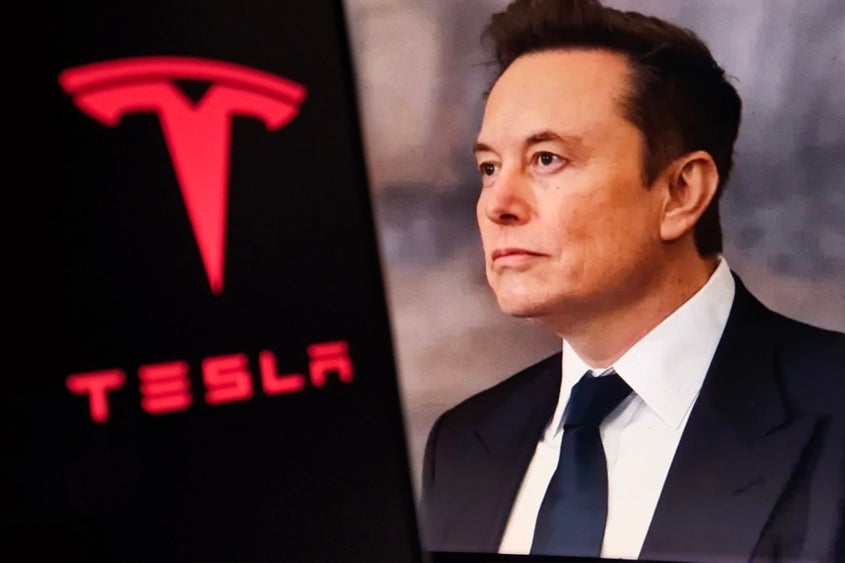
Waymo rolls out software update after blackout stranded robotaxis across San Francisco
New York Post· 2025-12-24 21:03
Core Insights - Waymo is implementing a fleet-wide software update to address issues exposed by a significant power outage in San Francisco, which halted its robotaxi service as vehicles stalled at dark intersections [1][9][11] Group 1: Incident Overview - A power outage affected nearly 30% of San Francisco, disabling traffic signals and causing gridlock, which highlighted limitations in Waymo's autonomous system [3][6][18] - The outage was triggered by a fire at a PG&E substation, leading to widespread traffic disruptions during a busy shopping weekend [4][5] - Waymo proactively paused operations as the outage intensified, with many vehicles immobilized at intersections, contributing to congestion [5][10] Group 2: Response and Updates - The software update aims to enhance the self-driving software's ability to recognize and respond to large-scale power outages, allowing vehicles to navigate dark intersections more effectively [2][20] - Waymo resumed its ride-hailing service on Sunday evening after power was restored, although some customers remained without electricity [9][19] - The company is reviewing lessons learned from the outage to improve its technology and maintain community trust [20] Group 3: Operational Context - Waymo operates a fleet of over 1,500 vehicles in major cities, including Phoenix and Los Angeles, and has logged over 100 million autonomous miles [14][15] - Despite lower crash rates compared to human drivers, Waymo faces scrutiny regarding its handling of edge cases, such as power outages [15][18] - The incident has intensified concerns among residents and lawmakers about the reliability of autonomous vehicles in rare but predictable scenarios [18]

Nvidia, Tesla, & more: Top tech stock predictions for 2026 from Dan Ives
Youtube· 2025-12-23 16:19
Group 1: Nvidia - Nvidia is expected to benefit from China's reopening, which may not have been fully factored into investor expectations [1] - The company is seen as a key player in the AI revolution, with growth estimates underestimated by 15 to 20% through 2026, potentially reaching a stock price of $250 by the end of that year [2] - Nvidia has less exposure to OpenAI compared to AMD, which may be partially owned by OpenAI in the future, positioning Nvidia favorably in the market [3] - The AI revolution is in its early stages, with only 3% of US companies having adopted AI, suggesting significant growth potential for Nvidia and other tech companies [3] Group 2: Tesla - 2026 is projected to be a pivotal year for Tesla as it enters the autonomous vehicle market, with expectations of robo taxis operating in 30 cities across the US [5] - The autonomous vehicle market is anticipated to grow, with 20% of vehicles expected to be autonomous in the next 3 to 4 years, positioning Tesla as a leader in this space [6] - Tesla's market value related to its robotics initiatives is conservatively estimated at $1 trillion, with potential for significant growth driven by autonomous technology [7] - Investors are looking beyond immediate delivery numbers to the long-term potential of Tesla's autonomous chapter, with projections of 4 to 5 times growth in the coming years [8] Group 3: General Motors and Ford - General Motors' stock has increased by 56% year-to-date, while Ford's has risen by 35%, despite challenges in their EV businesses [12] - GM is viewed as better positioned to navigate the transition to autonomous vehicles compared to Ford, which faces more significant challenges [11] - Both companies need to strategize their approach to the autonomous vehicle market, with potential partnerships with Tesla not ruled out [11] Group 4: Palantir - Palantir is expected to reach a market cap of $1 trillion within the next two to three years, as its disruptive potential in the enterprise market is recognized [13] - The company is seen as a future competitor to Salesforce and Oracle in the software space, despite its current high valuation [13] - Palantir's approach, which does not rely on direct salespeople, is viewed as a significant challenge to traditional software companies [16] Group 5: Overall Tech Industry Trends - The acceleration of enterprise adoption of AI has been surprising, with capital expenditures on AI technology being 50% higher than the previous year [19] - The tech industry may face a reset in the coming year, but this could lead to strong growth opportunities in the following decade [3]