eSIM技术

Search documents
eSIM卡来了!移动助你进入手机“无卡”时代
Chang Sha Wan Bao· 2025-10-16 12:26
Core Viewpoint - China Mobile has officially launched the eSIM service reservation page, indicating the imminent arrival of a "cardless" mobile era [1] Group 1: eSIM Technology - eSIM, or embedded SIM card, is integrated directly into the device chip, eliminating the need for physical SIM card insertion or replacement [1] - The technology allows users to enjoy communication functions without the hassle of traditional SIM cards [1] Group 2: User Experience - Users in Changsha can reserve eSIM services through the China Mobile app and visit designated stores for processing [1] - This service aims to provide a more convenient and flexible communication experience for users [1] Group 3: Industry Leadership - China Mobile is committed to leading eSIM standards and building an industry ecosystem, actively participating in the GSMA eSIM international standard formulation [1] - The company is focused on domestic technology development for eSIM chips and operating systems, establishing a self-controlled technical system [1] - The goal is to create a safer, more reliable, and efficient eSIM usage environment, promoting the widespread adoption of eSIM technology [1]

当手机用上eSIM,会带来哪些连锁反应?
Xin Jing Bao· 2025-10-16 08:42
Core Insights - The three major telecom operators in China, China Telecom, China Mobile, and China Unicom, have received approval from the Ministry of Industry and Information Technology for the commercial trial of eSIM mobile services, marking the official launch of eSIM services across 31 provinces and regions in China [1][3] - The introduction of eSIM technology signifies a shift towards a "cardless era," where the functionality of physical SIM cards is integrated into the phone's internal chip, enhancing user convenience and potentially transforming the mobile industry [1][2] Impact on Mobile Industry - The removal of physical SIM card slots allows for more streamlined and compact phone designs, aligning with trends pursued by manufacturers like Apple and Huawei towards fully sealed devices [2] - eSIM technology will simplify the manufacturing process by eliminating the need for SIM card slots and related components, potentially affecting hundreds of small suppliers in the industry [2] - The integration of eSIM will lead to a redesign of mobile phone motherboards, enhancing the dominance of chip manufacturers like Qualcomm and MediaTek in communication control [2] Changes in Operator Dynamics - The activation and management of eSIMs through cloud services may diminish the traditional advantages held by telecom operators, as consumers will no longer need to visit physical stores [3] - Mobile manufacturers could gain more influence over the customer experience, potentially sharing user data with operators and altering the competitive landscape [3] - The transition to eSIM technology may facilitate easier number portability for users, prompting operators to focus more on service quality and transparency rather than customer retention through binding contracts [3] Regulatory Considerations - The cautious rollout of eSIM services in China highlights the need for a new regulatory framework to address data security and identity management, given the unique context of mobile numbers in China [4] - The transition from physical SIM cards to eSIMs poses significant challenges in terms of data security, necessitating robust mechanisms to prevent identity theft and data breaches [4] - The eSIM initiative is not just a technological advancement but also a critical step in the evolution of China's digital identity system, requiring a balance between convenience and security [4]


苹果华为OPPO将推出eSIM手机,怎么办理?如何收费?
Qi Lu Wan Bao· 2025-10-16 02:44
Core Insights - eSIM technology is gaining traction as it allows users to activate mobile services without a physical SIM card, making devices lighter and providing more internal space [4] Group 1: eSIM Overview - eSIM replaces physical SIM cards with electronic data files, enabling mobile network services without the need for a physical card slot [4] - The approval of eSIM for mobile phones marks a new commercial phase in the industry, following its previous applications in IoT and smart wearables [4] Group 2: Activation Process - Users can activate eSIM services by visiting the physical stores of major telecom operators like China Telecom and China Mobile with their ID and eSIM-compatible devices [5] - China Mobile will start processing eSIM activations from the release date of the iPhone Air, while China Unicom requires online reservations for eSIM activation [5] Group 3: Supported Devices - Current eSIM-compatible devices include models from Apple, Huawei, and OPPO, which will be available for sale soon [6] Group 4: Usage of Original SIM Cards - Once eSIM is activated on devices like the iPhone Air, the original physical SIM card will no longer be usable unless a new number is written into the eSIM [7] Group 5: Pricing Structure - As of now, there are no clear fee structures for eSIM services, but initial activations are reported to be free at the stores [8] - China Unicom offers two types of eSIM services: a dual-terminal service for smart devices at a monthly fee of 10 yuan, and an independent eSIM number service with varying costs based on device type [9]

新华鲜报|eSIM来了!手机“无卡时代”已近
Xin Hua She· 2025-10-15 14:12
Core Insights - The launch of eSIM mobile services by major Chinese telecom operators marks a significant shift towards eliminating physical SIM cards, enhancing user convenience and device design [1][3][4] Group 1: eSIM Technology Overview - eSIM technology integrates the functionality of a physical SIM card into a chip embedded within the phone, allowing users to download their phone number over the air without needing a physical card [3] - eSIM-enabled devices will maintain traditional communication services such as voice calls, data usage, and SMS [3] Group 2: Impact on Consumer Experience - The introduction of eSIM will simplify processes such as activating new lines and changing numbers, eliminating the need for physical SIM cards and reducing the risk of loss [3][4] - Users who travel frequently will benefit from not having to swap SIM cards, enhancing their overall experience [3][4] Group 3: Industry Implications - The rollout of eSIM services is expected to stimulate investment across the entire supply chain, leading to increased demand for eSIM-compatible devices like smartphones, tablets, wearables, and connected vehicles [4] - eSIM technology is anticipated to extend into various sectors, including vehicle networking, smart cities, and consumer electronics, driving digital and intelligent upgrades across industries [4] Group 4: Operator Initiatives - Chinese telecom operators are actively innovating and enhancing eSIM-related technologies and services, with China Unicom having launched eSIM for wearables in 2018, supporting 75 devices and millions of users [4] - China Mobile is focusing on domestic technology development for eSIM chips and operating systems, while China Telecom aims to provide seamless activation and global roaming experiences [4]



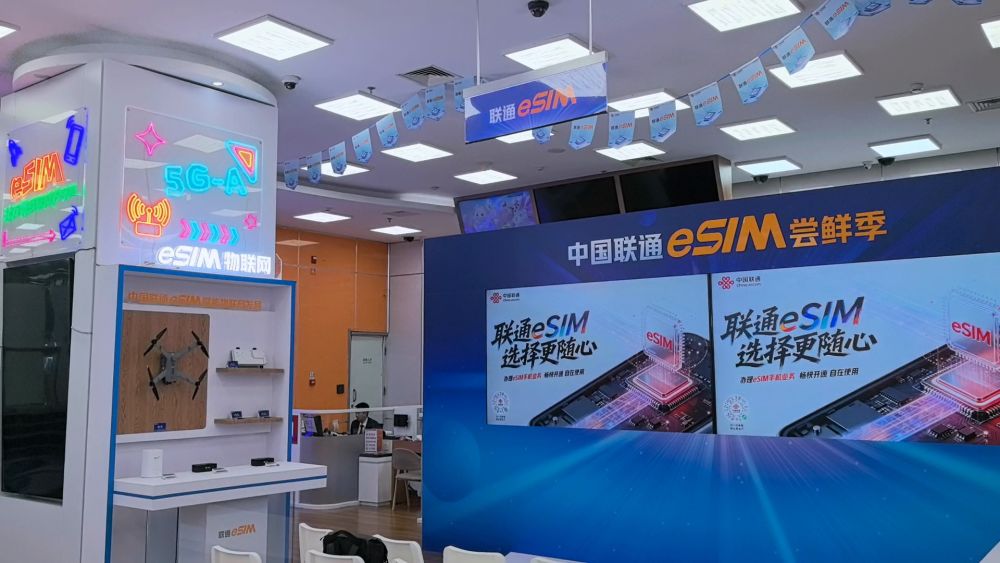
eSIM手机五问:怎么办理?如何收费?
36氪· 2025-10-15 10:44
Core Points - The three major telecom operators in China (China Unicom, China Mobile, China Telecom) have received approval to conduct commercial trials for eSIM mobile services [5] - Apple announced that the iPhone Air model A3518, which supports eSIM, will be available for sale in mainland China starting October 22 [5][18] Group 1: eSIM Overview - eSIM is a digital SIM card that allows users to activate a cellular plan without needing a physical nano-SIM card [7] - Users can have their original physical SIM card number embedded into the eSIM, eliminating the need for a physical card [7] Group 2: Activation Process - To activate eSIM on the iPhone Air, users must visit the telecom operator's physical store, as Apple stores do not handle eSIM activation [9] - Once the original physical SIM card number is written into the eSIM, the original SIM card will no longer be usable unless a new number is written in [9] Group 3: Service Availability - Users can activate eSIM services by visiting the stores with their ID and a compatible device, with no prior online appointment needed [13] - China Mobile will start processing eSIM activations on October 22, while China Unicom requires online appointments, with over 180,000 reservations already made [14] Group 4: Pricing Structure - Currently, there is no clear pricing standard for eSIM services, but activation is reported to be free at the moment [16] - China Unicom offers two types of eSIM services: a dual-device plan for 10 yuan per month and an independent virtual number plan for 20 yuan per month, which includes 100 minutes of calls and 2GB of data [16] Group 5: Supported Devices - The iPhone Air model A3518 is the only model confirmed to support eSIM in the Chinese market [18] - Other devices supported by eSIM include smartwatches, tablets, and in-car devices, with China Mobile providing a comprehensive range of eSIM products [19]
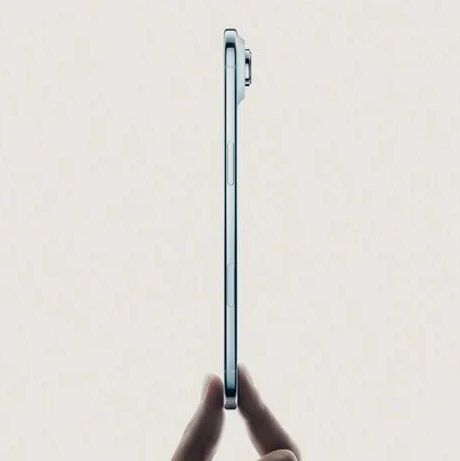
谁都逃不过,连苹果CEO来了都要直播带货……
Sou Hu Cai Jing· 2025-10-15 09:54
Core Viewpoint - Apple CEO Tim Cook's surprise appearance on Douyin to announce the pre-sale and official release dates of the iPhone 17 Air in China signifies a strategic shift towards direct consumer engagement in the Chinese market [2][18]. Group 1: Product Announcement - The iPhone 17 Air will be available for pre-sale on October 17 and officially released on October 22 [2]. - This model is touted as the "thinnest iPhone ever," with a thickness of only 5.6mm and a weight of 165g, featuring a 6.5-inch 120Hz OLED display and the latest A19 Pro chip [8]. - The iPhone 17 Air is Apple's first "pure eSIM" phone in the Chinese market, eliminating the physical SIM card slot and relying entirely on eSIM technology [10]. Group 2: Market Strategy - Cook's live stream attracted over 100,000 viewers, indicating strong consumer interest and engagement [4]. - The simultaneous announcement by China's three major telecom operators (China Mobile, China Unicom, and China Telecom) regarding eSIM commercial trials suggests a coordinated effort to support the new technology [10]. - The iPhone Air will be sold without carrier contracts, allowing users to purchase up to two units without being tied to long-term agreements [13]. Group 3: Pricing and Availability - The starting price for the iPhone 17 Air is set at 7,999 yuan (approximately $1,100) for the 256GB model, with higher storage options priced at 9,999 yuan (512GB) and 11,999 yuan (1TB) [17]. - The device will support eSIM for international roaming in over 200 countries, enhancing its appeal for frequent travelers [15]. Group 4: Broader Implications - Analysts suggest that Apple's proactive approach in promoting the iPhone Air and eSIM technology reflects its commitment to the Chinese market as a strategic priority [18]. - Cook's visit also included a donation to Tsinghua University to support sustainable innovation skills, indicating a blend of technological and emotional investment in China [19].
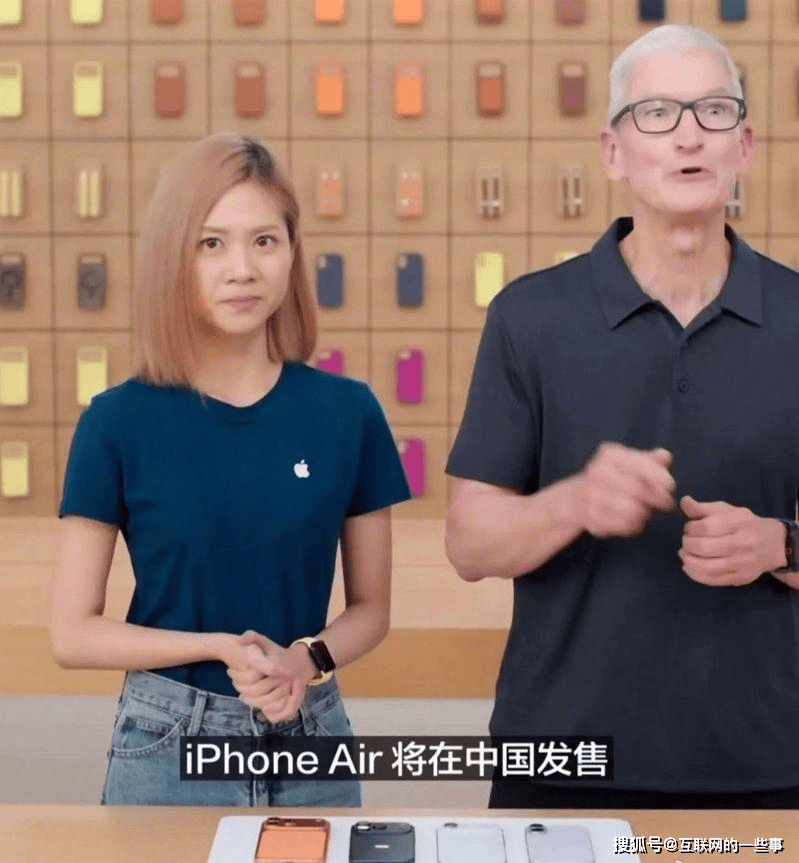
三大运营商上线eSIM手机业务,国产手机将支持eSIM和SIM
Xin Lang Ke Ji· 2025-10-15 09:00
Core Viewpoint - The three major telecom operators in China have launched eSIM mobile services, marking a significant shift from traditional SIM cards to a more versatile eSIM model, enhancing user experience across various devices and scenarios [1][2][3]. Group 1: Telecom Operators' Initiatives - China Mobile has introduced a comprehensive eSIM product line that includes not only mobile phones but also smartwatches, tablets, and in-car devices, promoting seamless connectivity and collaboration across devices [1]. - China Telecom's announcement highlights the transition from physical SIM cards to a "lightweight, multi-modal" eSIM model, aiming to enhance mobile communication services [1][2]. - China Unicom has received approval to conduct commercial trials for eSIM mobile services, which is expected to drive innovation in digital economy and terminal connectivity [2]. Group 2: User Engagement and Market Response - There is a strong user interest in eSIM mobile services, with over 170,000 reservations reported for China Unicom's eSIM mobile service as of the latest update [2]. - The eSIM mobile service offers functionalities equivalent to traditional SIM cards, allowing users to access voice communication, data services, and SMS [2]. Group 3: Future Developments - More eSIM-compatible mobile phones are expected to be launched soon, with China Mobile planning to collaborate with industry partners to introduce devices that support both traditional SIM and eSIM [3]. - Currently, the eSIM mobile service is only available for the iPhone Air (Chinese version), which will be available for pre-order on October 17 and officially released on October 22 [2].
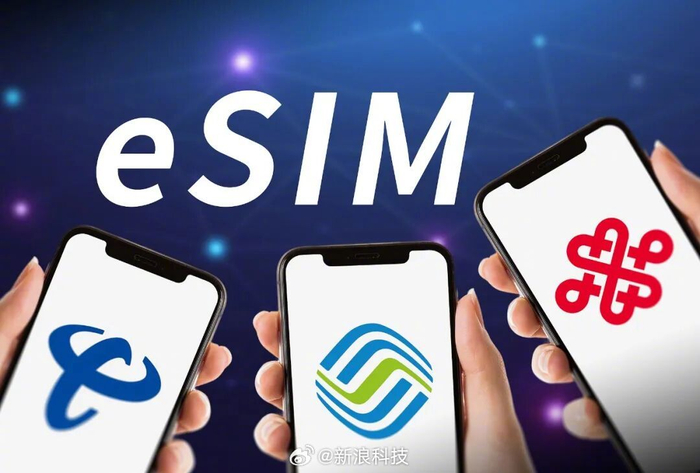
eSIM手机业务,全国上线!
Zhong Guo Zheng Quan Bao· 2025-10-15 08:41
Core Viewpoint - The three major telecom operators in China, China Telecom, China Mobile, and China Unicom, have received approval from the Ministry of Industry and Information Technology to officially launch eSIM mobile services nationwide, marking a significant advancement in mobile connectivity technology [1]. Group 1: eSIM Service Launch - China Telecom has announced that eSIM mobile services are now officially available for sale across the country, allowing consumers to activate eSIM services either in-store or through an app for online appointments [1]. - China Mobile will provide comprehensive support for eSIM products, extending beyond mobile phones to include smartwatches, tablets, and in-car devices, facilitating seamless connectivity across multiple devices and scenarios [1]. Group 2: eSIM Technology Overview - eSIM technology integrates the functionality of a physical SIM card into a built-in chip within the phone, enabling users to download their phone number over the air without the need for a physical SIM card [1]. - eSIM-enabled phones offer the same functionalities as traditional SIM card phones, including voice communication, data access, and SMS services [1].
三大运营商全国上线eSIM手机业务
Cai Jing Wang· 2025-10-15 05:36
Core Viewpoint - The three major telecom operators in China, China Telecom, China Mobile, and China Unicom, have officially launched eSIM mobile services nationwide after receiving approval from the Ministry of Industry and Information Technology [1] Group 1: Service Launch - China Telecom has announced that eSIM mobile services are now available for consumers, who can activate the service either in-store or through an app for online reservations [1] - China Mobile will provide a full range of eSIM product support, extending beyond mobile phones to include smartwatches, tablets, and in-car devices, enabling seamless connectivity across multiple devices and scenarios [1] Group 2: Technology Overview - eSIM technology integrates the functionality of a physical SIM card into a built-in chip within the phone, allowing users to download their phone number over the air without needing a physical SIM card [1] - eSIM-enabled phones offer the same communication services as traditional SIM card phones, including voice calls, data access, and SMS [1]

eSIM手机,来了!
中国能源报· 2025-10-15 04:33
Core Viewpoint - The recent approval for eSIM mobile services by China's three major telecom operators marks a significant step towards the commercialization of eSIM technology in the mobile sector, following its prior applications in IoT and smart wearable devices [4][7]. Group 1: eSIM Technology Overview - eSIM technology replaces physical SIM cards with a virtual electronic card, allowing users to activate mobile services without inserting a physical card [2]. - The absence of a physical card slot enables thinner devices and provides more internal space for expansion [2]. Group 2: Commercial Launch and Support - China Unicom, China Mobile, and China Telecom have officially received approval to conduct eSIM mobile service trials [7]. - China Unicom has adapted 75 terminal devices, including smartphones and smartwatches, serving millions of users [8]. - China Mobile plans to offer a comprehensive range of eSIM products, extending beyond smartphones to include smartwatches, tablets, and in-car devices [9]. - China Telecom has confirmed the official launch of eSIM mobile services across 31 provinces and regions in China [10]. Group 3: Service Activation - During the trial period, eSIM services will not be available for online activation; users must visit physical stores to activate their services [5][11]. Group 4: Supported Devices - Supported eSIM devices include models from Apple, Huawei, and OPPO, which will be available for sale soon [14].