
全面从严治党

Search documents
锲而不舍落实中央八项规定精神,推进作风建设常态化长效化④压实作风建设政治责任
Zhong Yang Ji Wei Guo Jia Jian Wei Wang Zhan· 2025-10-22 00:55
Core Viewpoint - The article emphasizes the importance of political responsibility in improving work style within the party, highlighting that addressing work style issues is essential for maintaining the party's governance foundation and ensuring its long-term rule [5][6][7]. Group 1: Political Responsibility in Work Style Construction - Work style issues are fundamentally party-related problems, and their harm is essentially political harm, necessitating a political perspective in work style construction [5]. - The construction of work style is a collective responsibility of the entire party, requiring all party organizations and members to be aware of, fulfill, and take responsibility for their roles [6][9]. - Strengthening work style construction is crucial for the party's advanced nature and purity, serving as a means for self-purification and improvement [5][6]. Group 2: Importance of Work Style for Party Success - The work style and image of the party are directly related to its creativity, cohesion, and combat effectiveness, which ultimately determine the success or failure of the party and the state [6][7]. - The current complex governance environment and heavy tasks of modernization in China necessitate a heightened focus on work style construction to ensure high-quality development [6][7]. Group 3: Mechanisms for Promoting Work Style Construction - A comprehensive mechanism involving clear responsibilities, collaborative efforts, and effective supervision is essential for promoting work style construction [9][10]. - The party's leadership must integrate work style construction into overall work deployment, ensuring that it is part of the broader framework of strict party governance [9][10]. - Regular assessments and evaluations of work style construction outcomes should be conducted, linking them to leadership evaluations and performance assessments [10][20]. Group 4: Role of Discipline Inspection and Supervision - Discipline inspection agencies play a crucial role in promoting work style construction, focusing on both the "key minority" and the "vast majority" [13][14]. - Continuous supervision and strict enforcement of discipline are necessary to maintain a healthy party environment and prevent the emergence of corrupt practices [13][14]. - Establishing a long-term mechanism for work style construction is vital, combining immediate corrections with systemic reforms [14][16].


“纪巡审”联动释放叠加效应
Zhong Yang Ji Wei Guo Jia Jian Wei Wang Zhan· 2025-10-22 00:55
Core Viewpoint - The integration and collaboration of disciplinary inspection, inspection, and audit supervision is essential for establishing a comprehensive and efficient supervision system under unified party leadership [1] Group 1: Development and Implementation - The city of Liaocheng has actively explored and improved the integration of disciplinary inspection, inspection, and audit supervision, transitioning from pilot programs to innovative practices across various sectors such as supply and marketing systems, grain purchasing and sales, state-owned enterprises, and healthcare [2][3] - Liaocheng's disciplinary inspection commission has played a guiding role, facilitating cooperation among inspection and audit agencies, which has accelerated the pace of integrated supervision [2][3] Group 2: Institutional Mechanisms - The establishment of institutional mechanisms has been prioritized, with the introduction of interim measures for inspection and audit integration, and a clear delineation of responsibilities among the involved parties [3] - A joint workflow document was issued to clarify the roles and responsibilities of the three parties, ensuring effective collaboration and operational guidelines [3] Group 3: Enhancing Supervision Effectiveness - Political supervision is emphasized as a primary responsibility, with a focus on identifying and addressing political issues through economic oversight [4] - Liaocheng's disciplinary inspection commission has targeted key areas and critical links to ensure that integrated supervision projects are effectively planned and executed [4][5] Group 4: Collaborative Supervision - The integration of personnel from different supervisory bodies has been optimized to enhance collaborative efforts during inspections and audits, ensuring a unified approach to identifying and addressing issues [6][7] - During the fifth round of inspections, a significant number of issues were identified and transferred to the disciplinary inspection authorities for further investigation [6] Group 5: Results Utilization and Rectification - The disciplinary inspection commission has intensified efforts to address issues identified during integrated supervision, ensuring that findings lead to actionable improvements [8][9] - A structured approach to managing problem identification and rectification has been established, with a focus on timely and effective responses to issues uncovered during inspections and audits [9][10] Group 6: Systematic Rectification - Information sharing and collaborative efforts are crucial for addressing systemic issues, with a focus on political and economic problem intersections [11] - The integration of findings from inspections and audits into daily supervision practices has been emphasized to enhance governance effectiveness [11]
抓铁有痕 踏石留印
Xin Hua She· 2025-10-21 00:52
Core Viewpoint - The article emphasizes the importance of the Central Eight Regulations in promoting integrity and accountability within the Chinese Communist Party, highlighting a systematic approach to governance and the necessity of consistent implementation to achieve substantial results [2][3][4]. Group 1: Implementation of Central Eight Regulations - The Central Eight Regulations address issues of corruption and waste, with a focus on specific problems such as extravagant spending during holidays and events [2]. - The approach involves a step-by-step process, tackling one issue at a time and maintaining focus on various key dates and events throughout the year [2][3]. - The success of the Central Eight Regulations is seen as foundational for further governance measures, indicating that without proper implementation, additional regulations would be ineffective [2]. Group 2: Systematic Governance and Development Strategies - The article discusses the broader context of governance, including environmental protection, poverty alleviation, and regional development strategies, all of which require meticulous execution [4][6]. - It highlights the importance of a systematic and coordinated approach to national strategies, ensuring that various regional developments are interconnected and mutually reinforcing [6][7]. - The emphasis is placed on practical action over mere planning, with a call for leaders to focus on tangible outcomes rather than theoretical discussions [7][8]. Group 3: Leadership and Accountability - The article stresses the need for leaders to possess both the willingness to take responsibility and the capability to execute plans effectively [8]. - It advocates for a culture of diligence and precision in governance, where leaders are expected to address issues with a focus on detail and long-term impact [8]. - The narrative encourages a mindset of continuous improvement and resilience in the face of challenges, reinforcing the idea that consistent effort leads to significant achievements [8].
河南优化力量健全基层监督体系 将监督触角延伸到群众身边
Zhong Yang Ji Wei Guo Jia Jian Wei Wang Zhan· 2025-10-21 00:08
Core Viewpoint - The article emphasizes the importance of enhancing grassroots supervision and governance in Henan Province, focusing on integrating various supervisory forces and improving the efficiency and effectiveness of disciplinary inspection and supervision work [4][15]. Group 1: Grassroots Supervision Initiatives - Henan's disciplinary inspection and supervision agencies are actively engaging with the public to gather opinions and address local issues, thereby enhancing grassroots governance [2]. - The integration of supervisory forces through mechanisms like area collaboration has significantly improved case handling efficiency, as demonstrated in a recent high-standard farmland construction case [5]. - The establishment of a three-level collaborative supervision system involving county, town, and village levels ensures seamless communication and problem-solving [7]. Group 2: Focus on Key Areas and Case Handling - The article highlights the proactive measures taken by various counties to address specific issues, such as the return of construction deposits in response to public complaints [8]. - The emphasis on case handling as a powerful supervisory tool is evident, with a focus on addressing corruption and misconduct in areas like rural revitalization and collective asset management [9][17]. - The implementation of a structured approach to case quality assessment and training for inspection personnel aims to enhance the overall effectiveness of the disciplinary system [10][11]. Group 3: Technology and Systematic Improvements - The integration of digital technology into governance frameworks, such as embedding supervisory modules into community governance platforms, is aimed at addressing bureaucratic inefficiencies [14]. - The article discusses the development of new management systems for rural collective asset oversight, promoting transparency and accountability [13]. - Continuous improvement through case analysis and feedback mechanisms is being utilized to strengthen governance and prevent future issues [12][18].
悟规律 明方向 学方法 增智慧 | 始终保持自我革命的战略定力
Zhong Yang Ji Wei Guo Jia Jian Wei Wang Zhan· 2025-10-21 00:08
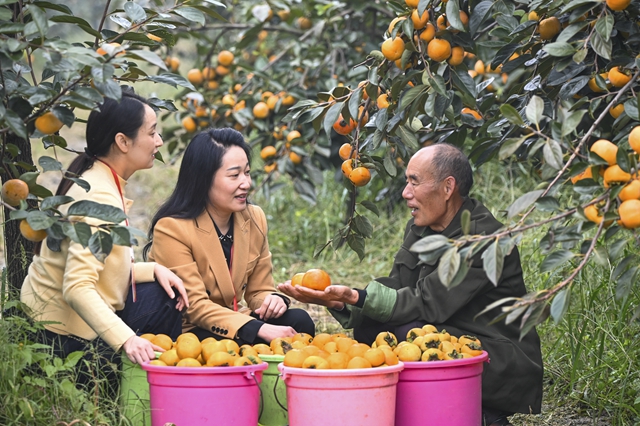
Core Points - The article emphasizes the importance of maintaining strategic determination in advancing the Party's self-revolution, which is essential for overcoming challenges and ensuring long-term governance [3][4][5] Group 1: Strategic Determination - Strategic determination is crucial for a political party and a nation to remain undefeated and continuously progress [3][4] - The Communist Party of China has successfully navigated challenges over the past century due to its strong strategic determination in adhering to Marxism and socialism with Chinese characteristics [3][5] - In the face of complex international situations and significant reform tasks, maintaining strong strategic determination is necessary to stabilize the situation and manage risks effectively [4][6] Group 2: Self-Revolution and Governance - The Party's self-revolution is a fundamental aspect of its governance strategy, aimed at ensuring long-term stability and the well-being of the people [4][6] - The self-revolution must be persistent and comprehensive, addressing the unique challenges faced by large political parties [5][6] - Continuous self-revolution is essential for the Party to maintain its advanced nature and purity, which are critical for its longevity and effectiveness [5][6] Group 3: Anti-Corruption Efforts - The article highlights the ongoing anti-corruption efforts as a vital part of the Party's self-revolution, emphasizing the need for strict discipline and oversight [19][20] - The Party must remain vigilant against corruption, with a zero-tolerance approach and a focus on both high-profile and grassroots corruption [19][20] - Strengthening the mechanisms for power regulation and supervision is necessary to prevent corruption and ensure accountability within the Party [15][19]
坚持自我革命 以高质量党建引领高质量发展——“十四五”时期经济社会发展实践与启示述评之七
Xin Hua She· 2025-10-20 16:09
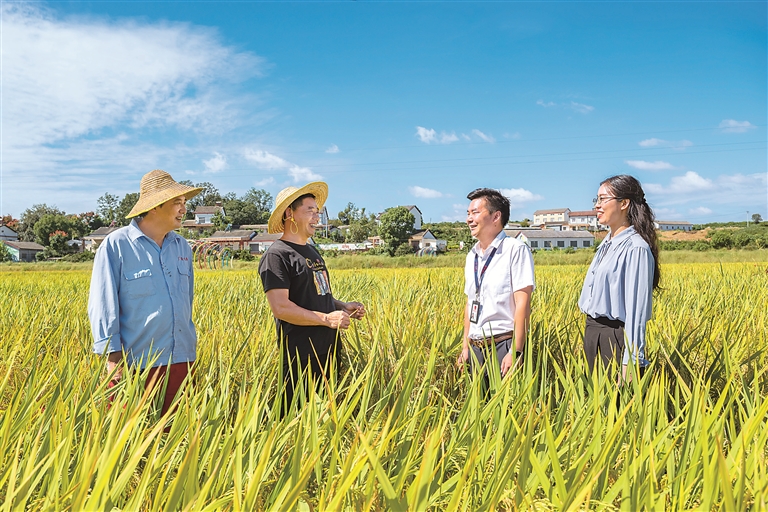
Core Viewpoint - The article emphasizes the importance of the Communist Party of China (CPC) in leading high-quality development through self-revolution and strict governance, highlighting the need for continuous improvement in party construction to ensure effective governance and societal progress [1][2][3]. Group 1: Party Governance and Development - The CPC's commitment to strict governance is crucial for achieving the goals set for the "14th Five-Year Plan" period, ensuring that development tasks are effectively implemented [2][3]. - The integration of self-revolution within the party is seen as essential for driving social revolution and maintaining the party's advanced nature and purity [7][9]. - The CPC has identified over 300 reform measures to promote modernization, emphasizing the need for strict standards in party governance [6][9]. Group 2: Political and Organizational Strength - The article discusses the necessity of enhancing the political and organizational functions of party organizations to foster a capable cadre team that is willing to engage in self-revolution [11][12]. - It highlights the importance of political supervision and the need to address political issues proactively to maintain the party's leadership and effectiveness in governance [10][12]. - The CPC's focus on building a strong organizational structure is aimed at ensuring that the party remains resilient and effective in the face of challenges [12][19]. Group 3: Systematic Approach to Party Construction - A systematic approach to party construction is advocated, which includes improving various systems such as education, supervision, and accountability to enhance overall governance quality [8][9]. - The article stresses the importance of continuous self-improvement and adaptation within the party to meet the evolving demands of society and governance [13][14]. - The CPC aims to create a positive political ecology and a fair development environment through rigorous discipline and anti-corruption measures [12][14]. Group 4: Future Directions and Challenges - The article calls for a persistent effort in advancing the party's self-revolution to meet new challenges posed by domestic and international changes [14][18]. - It emphasizes the need for a problem-oriented approach to address imbalances and inadequacies in development, ensuring that high-quality governance is achieved [17][18]. - The CPC is encouraged to maintain close ties with the people and leverage its organizational strength to drive national prosperity and stability [19][20].
市委常委会召开会议:牢记嘱托 感恩奋进,全力打造“五个中心”,努力建设现代化大武汉
Chang Jiang Ri Bao· 2025-10-20 13:04
Core Points - The meeting emphasized the importance of implementing Xi Jinping's directives for Wuhan's development, highlighting the need for a strong commitment to high-quality growth and innovation [1][2][3] - The focus is on enhancing technological and industrial innovation, promoting regional coordination, and establishing Wuhan as a significant hub in the domestic and international economic landscape [2][3] Group 1 - The meeting reiterated the significance of Xi Jinping's six visits to Wuhan, which provide guidance for the city's development and underscore the expectations placed on it [1] - There is a strong emphasis on transforming the expectations from the central leadership into actionable strategies for economic and social development [1][2] - The meeting called for a concerted effort to improve urban governance and environmental sustainability, aiming for a comprehensive green transition in economic and social development [2][3] Group 2 - The leadership aims to strengthen the city's core functions and enhance its development capabilities, focusing on the integration of the Wuhan metropolitan area and surrounding regions [2] - There is a commitment to fostering a beautiful Wuhan through ecological protection and continuous improvement of environmental quality [2] - The meeting highlighted the need for a robust political ecosystem that supports reform and development, ensuring a clean and efficient governance structure [2][3]
“社会主义是干出来的”系列述评之三:抓铁有痕 踏石留印
Xin Hua She· 2025-10-20 03:49
Core Viewpoint - The article emphasizes the importance of the Central Eight Regulations in guiding the Chinese Communist Party's governance and discipline, highlighting the need for consistent and thorough implementation to achieve effective results [2][9]. Group 1: Implementation of Central Eight Regulations - The Central Eight Regulations, though concise, address significant issues such as corruption and waste, demonstrating a systematic approach to governance [2]. - The focus on specific events and festivals for enforcement illustrates a meticulous strategy to combat corruption and promote integrity within the party [2][3]. - The ongoing commitment to these regulations is seen as foundational for further governance measures, indicating that success in these areas is crucial for future initiatives [2][9]. Group 2: Practical Governance and Development Strategies - The article discusses various national strategies, including ecological preservation and poverty alleviation, emphasizing a step-by-step approach to implementation [5][6]. - The concept of "systematic thinking" is highlighted in the context of regional development strategies, showcasing the importance of coordinated efforts across different areas [7][8]. - The need for precision in governance is underscored, with calls for targeted actions in areas such as pollution control and urban management [8]. Group 3: Leadership and Accountability - The article stresses the necessity for leaders to possess both a sense of responsibility and the skills to execute tasks effectively, as articulated by Xi Jinping [9]. - The emphasis on practical action over theoretical planning reflects a commitment to achieving tangible results in governance [7][9]. - The call for a diligent and detail-oriented approach to governance is reiterated, reinforcing the idea that success is built on consistent effort and attention to detail [3][9].
抓铁有痕 踏石留印——“社会主义是干出来的”系列述评之三
Xin Hua She· 2025-10-20 02:57
Core Viewpoint - The article emphasizes the importance of the "Eight Regulations" implemented by the Chinese Communist Party, highlighting their role in promoting integrity and effective governance within the party and the country [2][4]. Summary by Sections Implementation of the Eight Regulations - The Eight Regulations, though concise, address significant issues such as corruption and waste, demonstrating a commitment to thorough governance [2]. - The approach involves tackling specific problems systematically, with a focus on various festivals and events to maintain discipline [2][3]. - The success of the Eight Regulations is seen as foundational for further regulations and party building efforts [2]. Leadership and Governance Philosophy - The article discusses the "nail-driving" spirit advocated by Xi Jinping, emphasizing the need for persistent and methodical efforts in governance [3]. - It highlights the importance of practical action over superficial efforts, advocating for a grounded and diligent approach to governance [4]. Regional Development Strategies - The article outlines the establishment of national strategies for regional development, including the "river strategy" and various economic zones, emphasizing systematic and coordinated efforts [6][7]. - It stresses the need for practical implementation of plans rather than mere rhetoric, with a focus on achieving tangible results [7]. Focus on Precision and Collaboration - The article underscores the importance of precision in reform efforts, targeting specific issues effectively, such as poverty alleviation and pollution control [8]. - It advocates for collaborative approaches in regional development, urging leaders to think beyond local interests for broader national goals [8]. Commitment to Continuous Improvement - The article concludes with a call for leaders to embody a spirit of responsibility and practical capability, ensuring that the decisions made by the central government are effectively executed [9].
踔厉奋发新征程丨坚持严的基调、拧紧责任链条强化全面从严治党政治责任
Zhong Yang Ji Wei Guo Jia Jian Wei Wang Zhan· 2025-10-20 00:38
Core Viewpoint - The article emphasizes the importance of implementing strict party governance responsibilities and the need for clear accountability among party organizations and leaders to ensure effective governance and oversight [16][17][18]. Group 1: Implementation of Responsibilities - The establishment of a clear responsibility system is crucial for ensuring that relevant parties understand their duties and tasks [8]. - The "double clear double assignment" mechanism in Anyang City aims to detail the "two responsibilities" into specific tasks, promoting accountability among party organizations and supervisory bodies [9]. - Guangzhou's approach includes a detailed responsibility list for key leaders, breaking down 55 tasks and 87 specific measures to ensure clarity in accountability [10]. Group 2: Supervision and Accountability - Strengthening the supervision of key leaders, particularly the "first responsible person," is essential for effective governance [11][12]. - The implementation of a talk mechanism in Yixing City has helped in conveying responsibilities and addressing issues directly with key leaders [12]. - Nanjing City has emphasized strict accountability measures, having held 239 leaders accountable for governance failures in the first nine months of the year [14]. Group 3: Challenges and Solutions - The article highlights the challenges faced in enforcing party governance responsibilities, including a lack of clarity and commitment from some party organizations [16][18]. - It calls for a robust accountability framework that includes regular reporting and evaluation of responsibilities to ensure effective governance [14][17]. - The need for a culture of accountability is stressed, where leaders are encouraged to take responsibility and are held accountable for their actions [14][18].
