
太空旅游

Search documents
美飞行器成功发射,搭载“轮椅使用者”进入太空
Xin Lang Cai Jing· 2025-12-20 17:01
Core Viewpoint - Blue Origin's "New Shepard" spacecraft successfully completed its 37th space flight, marking a significant milestone in commercial space travel by including a paraplegic woman as the first wheelchair user to reach space [1]. Group 1: Flight Details - The "New Shepard" spacecraft launched from a site in West Texas at 8:16 AM Central Time on the 20th, reaching an altitude of approximately 100 kilometers before separating from the rocket and autonomously flying for several minutes before landing [1]. - The entire flight duration was about 10 minutes, showcasing the spacecraft's capability for suborbital travel [1]. Group 2: Passenger Information - Among the six passengers on this flight, 33-year-old Michaela Benthaus was the only female, who became the first wheelchair user to enter space after being paralyzed from a mountain biking accident in 2018 [1]. - Benthaus is currently an engineer with the European Space Agency, highlighting the increasing inclusivity in space travel [1]. Group 3: Company Background - Blue Origin, founded by Amazon's Jeff Bezos, operates the "New Shepard" as a reusable rocket and spacecraft system designed for both scientific payloads and space tourism [1]. - The spacecraft can reach heights of approximately 107 kilometers, surpassing the Kármán line, which is recognized as the boundary between Earth's atmosphere and outer space [1].
美飞行器成功发射 搭载“轮椅使用者”进入太空
Xin Hua She· 2025-12-20 15:50
Core Viewpoint - Blue Origin's "New Shepard" spacecraft successfully completed its 37th space flight, marking a significant milestone in commercial space travel and inclusivity by carrying the first wheelchair user to space [1][2] Group 1: Flight Details - The "New Shepard" spacecraft launched on December 20, 2023, at 8:16 AM Central Time, reaching an altitude of approximately 100 kilometers before returning to Earth [1] - The entire flight lasted about 10 minutes, during which the spacecraft autonomously flew for several minutes after separating from the launch vehicle [1] Group 2: Passenger Information - Among the six passengers on this flight, 33-year-old Michaela Benthaus was the only female and the first wheelchair user to travel to space, having become paralyzed from a mountain biking accident in 2018 [1] - Benthaus is currently an engineer with the European Space Agency [1] Group 3: Company Background - Blue Origin, founded by Jeff Bezos, is known for its reusable rocket and spacecraft system, "New Shepard," which is designed for both scientific payloads and space tourism [2] - The "New Shepard" can reach altitudes of approximately 107 kilometers, surpassing the Kármán line, which is recognized as the boundary between Earth's atmosphere and outer space [2]
美飞行器成功发射 搭载“轮椅使用者”进入太空
Xin Hua She· 2025-12-20 15:49
Core Viewpoint - Blue Origin's "New Shepard" spacecraft successfully completed its 37th space flight, marking a significant milestone in commercial space travel by carrying six passengers, including the first wheelchair user to reach space [1] Group 1: Flight Details - The "New Shepard" spacecraft launched from a site in West Texas at 8:16 AM Central Time on December 20, reaching an altitude of approximately 100 kilometers before separating from the rocket and autonomously flying for several minutes before landing [1] - The entire flight duration was about 10 minutes, showcasing the spacecraft's capabilities for suborbital travel [1] Group 2: Notable Passenger - Among the six passengers was 33-year-old Michaela Benthaus, the only female on board, who became the first wheelchair user to travel to space after being paralyzed in a mountain biking accident in 2018 [1] - Benthaus is currently an engineer with the European Space Agency, highlighting the inclusivity of space travel [1] Group 3: Company Background - Blue Origin, founded by Amazon's Jeff Bezos, operates the "New Shepard" as a reusable rocket and spacecraft system designed for both scientific payloads and space tourism [1] - The spacecraft can reach altitudes of approximately 107 kilometers, surpassing the Kármán line, which is recognized as the boundary between Earth's atmosphere and outer space [1]
SpaceX凭什么值1.5万亿美元?
Sou Hu Cai Jing· 2025-12-13 11:27
Core Viewpoint - SpaceX plans to go public with a valuation of $1.5 trillion, aiming to raise over $30 billion, driven by the need for capital to fund its ambitious projects and employee compensation [1][3][9]. Financial Overview - SpaceX's projected revenue for 2025 is $15.5 billion, which is insufficient compared to its anticipated expenses, including $17 billion for acquiring EchoStar's spectrum licenses and significant R&D costs for the Starship program [3][4]. - The company has a current cash flow that is positive but not sufficient for its extensive capital needs [3][6]. Employee Compensation and Stock Liquidity - As of September 2023, SpaceX has approximately 13,000 employees, with salaries ranging from $185,000 to $230,000, leading to an annual payroll of around $2.6 billion [6][7]. - Employees hold significant stock options, and the upcoming IPO is seen as a necessary avenue for them to liquidate their shares, as private market liquidity is limited [9][10]. Starlink Business Potential - Starlink is expected to contribute significantly to SpaceX's valuation, with projections of 7.65 million active subscribers by late 2025, potentially generating over $9.18 billion in revenue [11][20]. - The marginal cost of adding new Starlink users is nearly zero, allowing for high profit margins compared to traditional telecom companies [13][20]. Launch Services and Market Dominance - SpaceX is projected to dominate the global launch market, with plans for 150 launches in 2024 and potentially over 200 in 2025, capturing 90% of the market share [25][27]. - The company’s launch services, including contracts with NASA and the military, are expected to generate substantial revenue, further solidifying its market position [25][27]. Future Growth and Valuation - The potential for SpaceX's valuation to reach $1.5 trillion is based on optimistic growth projections, particularly from Starlink and the Starship program, which could revolutionize transportation and logistics [38][39]. - The company is seen as creating an incremental market with significant growth potential, contrasting with traditional industries like oil, which face stagnation [38]. Risks and Market Dynamics - The valuation of SpaceX is heavily tied to Elon Musk's leadership, and any issues with regulatory approvals or market conditions could impact its growth trajectory [40]. - The transition to a public company will subject SpaceX to the pressures of quarterly earnings reports, which may conflict with its long-term vision [40].


终于不“逃票”了?维珍银河将发射首架商业火箭进行太空飞行
Xin Lang Ke Ji· 2025-11-26 07:42
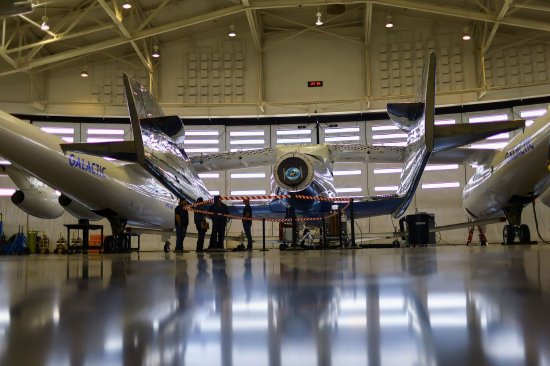
Core Insights - Virgin Galactic is set to conduct its first commercial flight with a crew of three Italian personnel, marking a significant milestone for the company in the space tourism industry [1][3] Company Overview - Virgin Galactic, founded by Richard Branson in 2004, is one of the few private spaceflight companies alongside SpaceX and Blue Origin, catering to wealthy individuals willing to pay for suborbital space experiences [3][6] - The company aims to demonstrate the safety of rocket flights to the public, especially after a tragic incident in 2014 that resulted in a fatality [6] Flight Details - The flight, named Galactic 01, will take place in New Mexico, reaching an altitude of approximately 50 miles (80 kilometers) [1][3] - The mission is defined as a scientific endeavor rather than a typical space tourism trip, with the crew planning to collect biometric data and study the behavior of certain materials in microgravity [3][4] - The flight is expected to last 90 minutes, with the spacecraft being released from a carrier aircraft at around 50,000 feet (15.24 kilometers) [4][5] Future Plans - If successful, Virgin Galactic plans to conduct another flight in early August and aims for monthly flights thereafter [6] - The company anticipates booking its first 1,000 paying customers at a price of approximately $250,000 per seat, with a vision to establish a fleet capable of 400 flights annually [6] Industry Context - The definition of spaceflight is a contentious issue within the industry, with NASA and the U.S. Air Force defining astronauts as those who fly above 50 miles (80 kilometers) [6] - Blue Origin, led by Jeff Bezos, has conducted multiple commercial flights and has criticized Virgin Galactic for not reaching the internationally recognized boundary of space, known as the Kármán line, which is above 62 miles (100 kilometers) [7]
一财主播说 | “太空旅游”渐行渐近 商业航天概念再度走强
Di Yi Cai Jing· 2025-11-25 04:06
Core Viewpoint - The commercial aerospace sector in China is experiencing significant growth, with experts indicating that space tourism is becoming a reality, supported by favorable policies, performance improvements, and technological advancements [1] Industry Summary - The commercial aerospace concept has strengthened recently, with companies like Aerospace Power seeing a surge in stock prices, and others such as Aerospace Universe and Shanghai Port Bay also experiencing gains [1] - The fourth China Space Science Conference highlighted that China's commercial aerospace is entering a new phase of steady and rapid development [1] - Huatai Securities suggests that the commercial aerospace sector is at a turning point with three key factors: policy, performance, and technology, recommending investors to focus on sector-wide investment opportunities [1] Company Summary - The Chinese Academy of Sciences' National Space Science Center plans to implement several space exploration satellite projects during the 14th Five-Year Plan, including the "Hongmeng Plan" and "Kuafu No. 2," aiming for breakthroughs in various fields such as dark universe research and exoplanet detection [1] - The next five years will focus on the exoplanet survey mission to search for "Earth 2.0" [1]


“太空游”项目“爽约”高交会 航天产业商业化落地仍面临挑战
证券时报· 2025-11-15 00:58
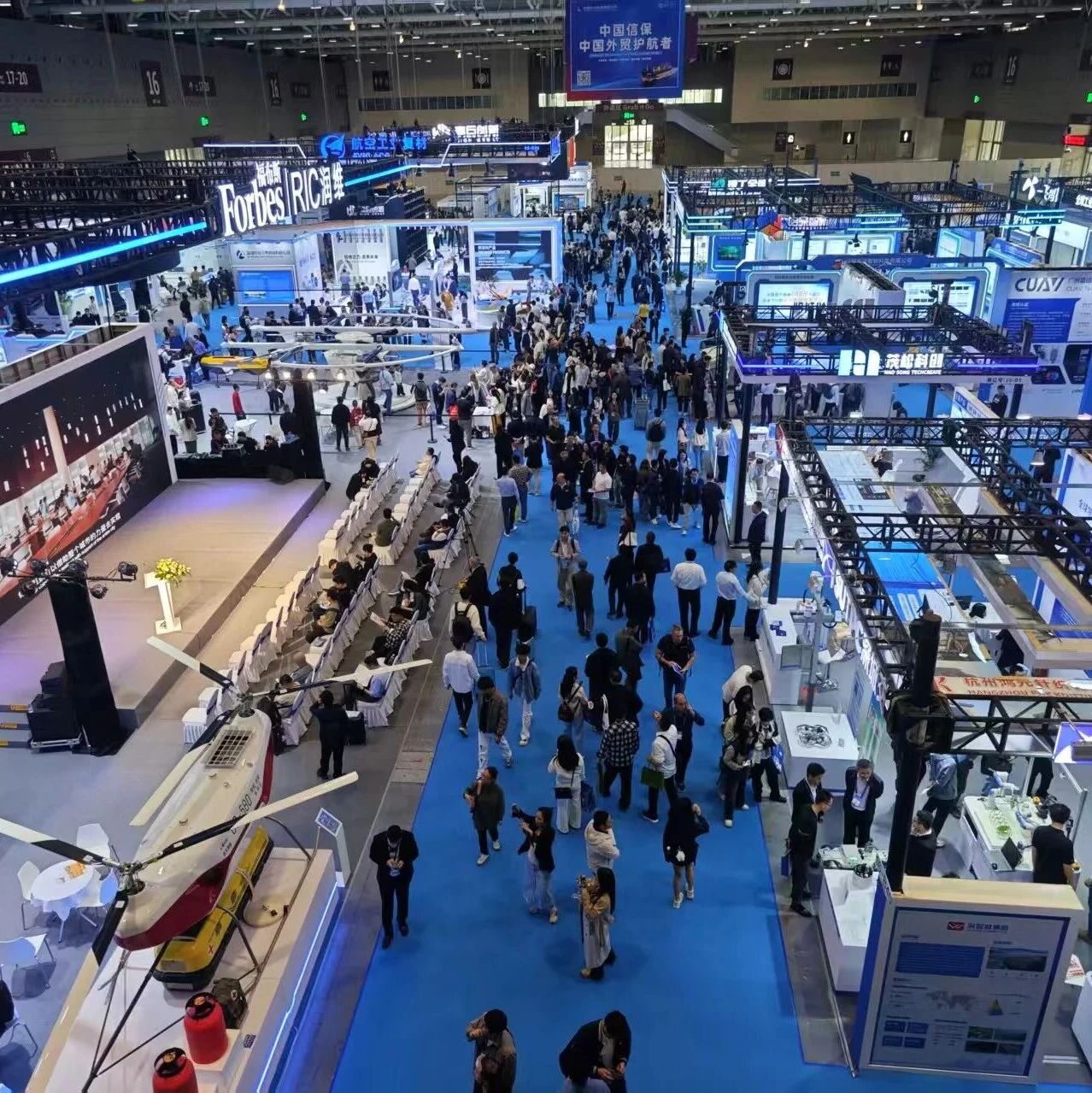
Core Viewpoint - The article discusses the anticipated launch of China's space tourism project by China Aerospace Science and Technology Corporation at the 27th China International High-Tech Achievements Fair, highlighting the challenges and market potential of space tourism in China [2][4][10]. Group 1: Space Tourism Market Potential - The global space tourism market is projected to reach $300 billion by 2030, with China expected to account for over 30% of this market [8]. - The demand for space tourism is driven by high-net-worth individuals viewing "space tickets" as social currency, with a reported 350% annual growth in inquiries for space travel [7][8]. - The successful pre-sale of space tickets by Deep Blue Aerospace, which sold out in under four minutes, indicates a strong market interest [6][8]. Group 2: Technological and Regulatory Challenges - China faces significant challenges in commercializing space tourism, particularly in areas such as rocket recovery, safety standards, and insurance frameworks [11][12]. - The lack of established regulations for passenger spacecraft and the absence of a database for medical data related to space travel complicate the development of a commercial space tourism model [12]. - The article emphasizes that overcoming these challenges is crucial for transforming space tourism from a luxury experience into a viable industry [12]. Group 3: Strategic Importance of Space Tourism - Developing space tourism is seen as a key driver for advancing commercial aerospace technology and fostering new economic growth points in the space sector [8]. - The article notes that the push for space tourism aligns with national strategies to support commercial aerospace as a new growth engine [7][8]. - The integration of commercial demand is expected to accelerate technological advancements in reusable rockets and life support systems, ultimately reducing costs in satellite deployment and space experiments [8].
多少年后可以去月球旅游?
Qi Lu Wan Bao· 2025-10-26 03:05
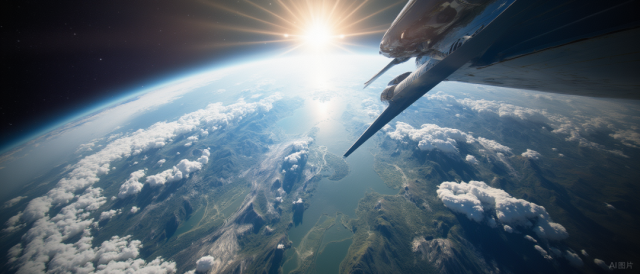
Group 1: Core Concept - The essence of space tourism extends beyond experiencing microgravity; it involves traveling to other celestial bodies, with the Moon being the nearest destination [1][3]. Group 2: Lunar Travel - Traveling from Earth to the Moon requires covering a distance of 380,000 kilometers, with an optimal flight time of two to three days, necessitating engaging activities during the journey [3][4]. - The spacecraft should rotate to allow all passengers to enjoy views of Earth and space, enhancing the overall experience [4][5]. - Passengers will have opportunities to learn about celestial bodies, including the Sun and the five major planets, during the journey [6][9]. Group 3: Lunar Orbit Tourism - Upon entering lunar orbit, tourists can appreciate the Moon's surface features, such as craters and maria, which have remained unchanged for millions of years [7][8]. - A highlight of lunar orbit tourism is witnessing the "Earthrise," where Earth appears to rise above the lunar horizon, evoking a sense of connection to home [8][10]. Group 4: Lunar Surface Tourism - Future lunar tourism may involve experiences in a sealed lunar hotel, allowing tourists to walk in 1/6th gravity and enjoy views of Earth from their rooms [10][11]. - Communication with loved ones back on Earth will be facilitated, despite a communication delay of approximately 1.3 seconds [12][13]. - Tourists can engage in additional activities, such as walking on the lunar surface and exploring the ancient landscape, enhancing their understanding of humanity's place in the universe [12][13]. Group 5: Future Solar System Tourism - Beyond the Moon, Mars is a likely candidate for tourism, requiring infrastructure for fuel extraction and sustainable living [14][15]. - Tourists may experience diverse landscapes on Mars, including canyons and mountains, while also reflecting on the importance of preserving Earth [15][16]. - The potential for visiting other celestial bodies, such as Jupiter and Saturn, is highlighted, with advancements in technology enabling longer space travel and improved passenger experiences [16][17].
2025会议明牌:未来5年钱往哪流,都在这13个领域
Sou Hu Cai Jing· 2025-10-25 18:33
Core Viewpoint - The era of land finance is officially over, and the next five years will see a shift in wealth towards technology and green innovation, with a target to increase per capita GDP from $13,000 to $20,000 by 2035 [1][3] Group 1: Economic Transition - The focus of economic growth has shifted from investment and real estate to high-quality development, emphasizing self-controlled industrial chains, particularly in chips and artificial intelligence [3][5] - Significant investments are expected in high-end manufacturing, aerospace, and comprehensive transportation networks, indicating a strong capital flow into these sectors [5] Group 2: Emerging Opportunities - The AI sector is moving from concept to practical integration across various industries, while quantum technology is being pushed from laboratories to applications [5] - The domestic market is identified as a new growth area, with sectors like specialty dining, healthcare, and cultural entertainment poised for rapid development, especially in central and rural regions [5][6] Group 3: Policy Support and Market Trends - The "Three Guarantees" policy aims to support employment, consumption, and livelihood, benefiting businesses related to basic living needs, such as community services and affordable consumption [6] - The silver economy is projected to reach ¥30 trillion by 2035, creating a vast industry around elderly care and related services [8] Group 4: Infrastructure and Digital Trade - Urban development will shift from expansion to internal renewal, with over 700,000 kilometers of underground pipeline renovations expected, generating nearly ¥5 trillion in new investment demand [6] - The digital trade sector is expanding, with a current scale exceeding ¥3 trillion and 165 cross-border e-commerce pilot zones, allowing even small companies to engage in global trade [6] Group 5: Regional Development and Financial Market - Key regional developments are focused on the Yangtze River Delta and the Guangdong-Hong Kong-Macao Greater Bay Area, with specific attention to integrated circuits and biomedicine [10] - Financial market reforms are optimizing channels for long-term funds, enhancing market stability and potentially increasing foreign investment in A-shares [10]

中国有望2028年前突破太空旅游技术
Zhong Guo Xin Wen Wang· 2025-09-20 08:40
Group 1 - The core viewpoint is that Chinese space companies are expected to achieve breakthroughs in space travel-related technologies by 2028 [1] Group 2 - The event mentioned is the China-ASEAN Expo taking place in Nanning [1] - The representative from Beijing E-Town Star Arrow Technology Industry Development Co., Ltd. provided insights on the advancements in the space sector [1]