电信诈骗

Search documents
为何10万元突然从我卡里“消失”了?
虎嗅APP· 2025-11-25 23:55
Core Viewpoint - The article discusses the challenges faced by individuals whose bank accounts are frozen due to being inadvertently involved in fraud schemes, highlighting the emotional and financial turmoil they experience [4][9]. User Experiences - Many individuals, like Wang Li, find their bank accounts frozen without understanding the reasons, leading to significant disruptions in their daily lives and financial obligations [4][8]. - A case from Henan illustrates how a farmer's account was frozen after receiving payment for wheat, which was later deemed to be linked to fraud [6]. - Various scenarios, such as part-time jobs, currency exchange, and business transactions, make cardholders vulnerable to becoming unwitting participants in fraud [7]. Investigation Findings - The article reveals that individuals often become "pawns" in a larger fraud network, with their accounts frozen due to the flow of funds linked to criminal activities [10][12]. - Fraudsters typically use legitimate transactions to launder money, making it difficult for innocent parties to prove their lack of involvement [16][18]. - The freezing of accounts is primarily based on automated systems that track suspicious fund flows rather than individual assessments [17]. Legal and Financial Implications - The article discusses the complexities of legal responsibility for individuals who unknowingly receive fraudulent funds, emphasizing the need for them to prove their innocence to unfreeze their accounts [21][22]. - The concept of "unjust enrichment" is explored, where individuals may be required to return funds received from fraudulent sources, even if they were unaware of the fraud [20][29]. - The article highlights the importance of providing evidence of legitimate transactions to facilitate the unfreezing of accounts [21][22]. Current Trends and Challenges - The article notes the increasing prevalence of fraud cases and the evolving tactics used by criminals, particularly in relation to bank cards and phone cards [25]. - It emphasizes the need for improved measures to prevent individuals from becoming unwitting accomplices in fraud schemes [30][31]. - Recommendations include separating bank accounts for different purposes to minimize the impact of potential fraud on personal finances [33].


太子集团陈志被曝在日本买豪宅并成立3家公司,以获得长期居留资格
Mei Ri Jing Ji Xin Wen· 2025-11-18 09:54
Core Insights - Chen Zhi, the leader of the Prince Group, has attempted to establish businesses in Japan to obtain long-term residency and has purchased a luxury apartment in Tokyo [1][3] Group 1: Business Activities - The Prince Group has established three companies in Japan, including a consulting firm in Shibuya in 2023 and a real estate company in Chiyoda in 2024, alongside another company founded by Chen Zhi in 2022 [3] - These companies have hosted multiple seminars promoting high-end real estate investments in Cambodia, which may involve the use of criminal proceeds for development and money laundering [3] Group 2: Legal Issues and Investigations - U.S. authorities have accused the Prince Group of large-scale investment fraud and money laundering, seeking to confiscate approximately $15 billion in Bitcoin assets held by Chen Zhi [4] - The Prince Group's assets, including over 91 billion Korean Won in Cambodian banks, have been frozen, leading to a bank run at Prince Bank, one of Cambodia's largest commercial banks [4] - Singaporean authorities have seized six properties and other financial assets valued at over 150 million Singapore Dollars, including luxury vehicles and a yacht [5] - In Taiwan, authorities have frozen assets worth over 4.5 billion New Taiwan Dollars related to the Prince Group and detained 25 suspects for fraud and money laundering activities [6] Group 3: Criminal Operations - The Prince Group has been linked to forced labor and telecom fraud operations, using deceptive recruitment ads to lure workers into scams involving cryptocurrency investments [7] - Reports indicate that the group has operated at least ten forced labor scam facilities in Cambodia, where workers were subjected to torture and coerced into fraudulent activities [7] - The group has employed violent methods to maintain operations, including physical assaults on individuals causing trouble within their scam bases [8] Group 4: Corruption and Bribery - Chen Zhi and associates have systematically bribed public officials across multiple countries to protect their criminal enterprise, including purchasing luxury items for officials in exchange for favorable treatment [8] - Evidence suggests that Chen Zhi has used his connections to evade law enforcement actions and has boasted about his ability to receive advance notice of investigations [8]
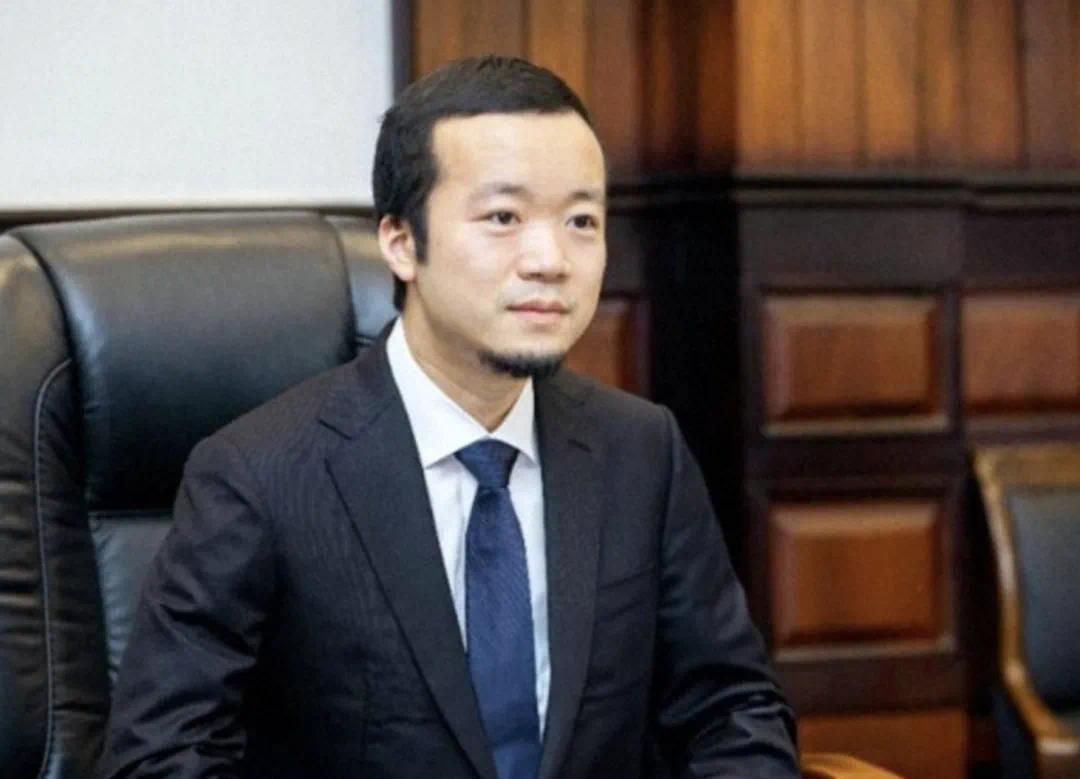
柬埔寨警方逮捕西港电诈窝点263人,含207名中国公民
Xin Lang Cai Jing· 2025-11-13 07:43
Group 1 - A joint operation by the Cambodian Anti-Cyber Fraud Committee and local police dismantled a transnational cyber fraud operation in Sihanoukville, resulting in the arrest of 263 individuals, including 207 Chinese nationals [1] - The operation seized 4,129 mobile phones and 860 computers, indicating the scale of the cyber fraud activities [1] - The arrested Chinese nationals are being processed for deportation under Cambodian laws [2] Group 2 - The border regions of Myanmar and Cambodia lack effective central government control, providing a haven for criminal groups involved in cyber fraud [2] - The Cambodian government issued a "ban on gambling" in 2019, leading illegal online gambling operations to relocate to areas like Myanmar's Myawaddy [2] - Reports indicate a significant increase in the number of South Koreans going missing or being detained in Cambodia, with 330 cases reported in the first eight months of the year, up from 220 the previous year [2] Group 3 - Southeast Asian cyber fraud networks are well-organized, with distinct roles; Myanmar groups set up fake investment platforms using servers in Singapore, while Cambodian groups utilize casinos and real estate projects for money laundering [4] - The U.S. government has sanctioned 19 entities and individuals involved in the telecom fraud industry in Myanmar and Cambodia, with some operating under the protection of ethnic armed groups [4] - A major crackdown in Cambodia led to the seizure of 127,271 bitcoins, valued at approximately $15 billion, marking the largest cryptocurrency asset confiscation in the country's history [4] Group 4 - The main suspect in the Myawaddy "Asia Pacific New City" crime group, She Zhijiang, was recently extradited back to China and arrested [5] - She Zhijiang, originally from Hunan, China, obtained Cambodian citizenship in 2017 and was involved in a project developed in collaboration with local military forces [5]

“亚太新城”主犯佘智江被引渡回国
Bei Jing Ri Bao Ke Hu Duan· 2025-11-13 02:48
Core Points - A major criminal figure, She Zhijiang, involved in cross-border gambling and fraud, has been extradited from Thailand to China, highlighting the strong cooperation between China and Thailand in combating online gambling and fraud crimes [1][2] - The criminal group led by She Zhijiang established over 200 online gambling platforms, attracting 330,000 participants and involving over 2.7 billion RMB in illicit activities [2] - The group operated multiple companies within China, recruiting personnel for online gambling and collaborating with illegal payment and underground banking networks [2] Group 1 - The successful extradition of She Zhijiang marks a significant achievement in law enforcement cooperation between China and Thailand [1] - The criminal activities of She Zhijiang's group have severely impacted the financial safety and legal rights of Chinese citizens [1] - The Chinese police launched a nationwide operation across 17 provinces to dismantle the gambling network associated with She Zhijiang [2] Group 2 - The "Asia-Pacific New City" project in Myanmar served as a cover for the gambling operations, which included extensive fraud activities [1][2] - The criminal group has been linked to 29 fraud parks and 248 fraud groups, causing substantial financial losses and negative social impact [2] - The operation's scale and the number of participants indicate a significant challenge in addressing online gambling and fraud in the region [2]
存取款争议背后的风控之困,银行反诈只能靠“问”?
Bei Jing Shang Bao· 2025-11-12 14:27
Core Viewpoint - The recent incident involving a lawyer being questioned about the purpose of withdrawing 40,000 yuan from a bank highlights the growing tension between anti-fraud measures and customer privacy, leading to a divided public opinion on the necessity and extent of such inquiries [1][3][4]. Group 1: Incident Overview - A lawyer shared an experience of being repeatedly questioned by bank staff about the purpose of withdrawing 40,000 yuan, which escalated to the bank contacting anti-fraud authorities due to non-cooperation [3][4]. - Many social media users reported similar experiences, expressing frustration over being asked to justify their own money withdrawals [3][4]. Group 2: Regulatory and Banking Environment - The increase in questioning during large cash transactions is attributed to a combination of heightened regulatory scrutiny, banks' strict compliance measures, and growing public sensitivity to privacy issues [4][5]. - Banks are under pressure to fulfill anti-fraud responsibilities due to rising incidents of telecom fraud and cross-border gambling, leading to a "strict over lenient" approach in customer interactions [4][5]. Group 3: Legal and Regulatory Framework - Legal experts indicate that while banks are required to identify customers and report large transactions, they do not have the authority to act as law enforcement [5][6]. - Overreach by banks in questioning customers is seen as a misinterpretation of their legal obligations, with some banks lowering the threshold for inquiries and expanding the scope of information requested [5][6]. Group 4: Recommendations for Improvement - Experts suggest that banks should implement a risk-based approach to inquiries, simplifying processes for long-term customers while maintaining scrutiny for high-risk transactions [7][8]. - Enhancing communication about the legal basis for inquiries and establishing a feedback mechanism for customers can help rebuild trust and improve the overall experience [8][9].

缅甸妙瓦底“亚太新城”犯罪集团主犯佘智江被成功从泰国引渡回国
Xin Lang Cai Jing· 2025-11-12 13:37
Core Points - The successful extradition of She Zhijiang, a key figure in a cross-border gambling crime syndicate, from Thailand to China highlights the strong commitment of both China and Thailand to combat online gambling and fraud [1][2][3] Group 1: Criminal Activities - She Zhijiang established the Asia-Pacific International Holding Group in 2013 and built the "Asia-Pacific New City" in Myanmar in 2017, using it as a cover for online gambling operations targeting Chinese citizens [2] - The crime syndicate operated over 200 gambling platforms, attracting 330,000 participants and involving over 2.7 billion RMB in illicit activities [2] - The syndicate also set up multiple companies within China to recruit personnel for online gambling and collaborated with illegal payment and underground banking groups [2] Group 2: Law Enforcement Actions - A nationwide crackdown was initiated across 17 provinces in China, successfully dismantling the gambling network operated by the crime syndicate [3] - Following the capture of She Zhijiang in Bangkok in August 2022, the extradition was facilitated under a bilateral treaty between China and Thailand [3] - Chinese law enforcement agencies, in collaboration with Myanmar and Thailand, have been actively targeting cross-border criminal activities, achieving significant results in combating online gambling and fraud [3]
佘智江,被引渡回国
财联社· 2025-11-12 11:37
Core Points - The article discusses the extradition of She Zhijiang, a Chinese national, from Thailand to China for his involvement in illegal gambling activities [1][3] - She Zhijiang is accused of creating and operating 239 illegal gambling websites, with a total flow of funds exceeding 12.63 trillion Thai Baht (approximately 2.77 trillion RMB) [3] Summary by Sections - **Extradition Details** - Thai police escorted She Zhijiang to Suvarnabhumi Airport in Bangkok for extradition to China on November 12 [1] - The Thai Supreme Court upheld the lower court's decision to extradite him for trial regarding his illegal gambling operations [1] - **Criminal Activities** - She Zhijiang's main crimes include the establishment and management of numerous illegal gambling websites [3] - He has been operating these activities primarily in Myanmar's KK Park and "Asia Pacific New City," using online platforms to lure Chinese citizens into illegal transactions [3]
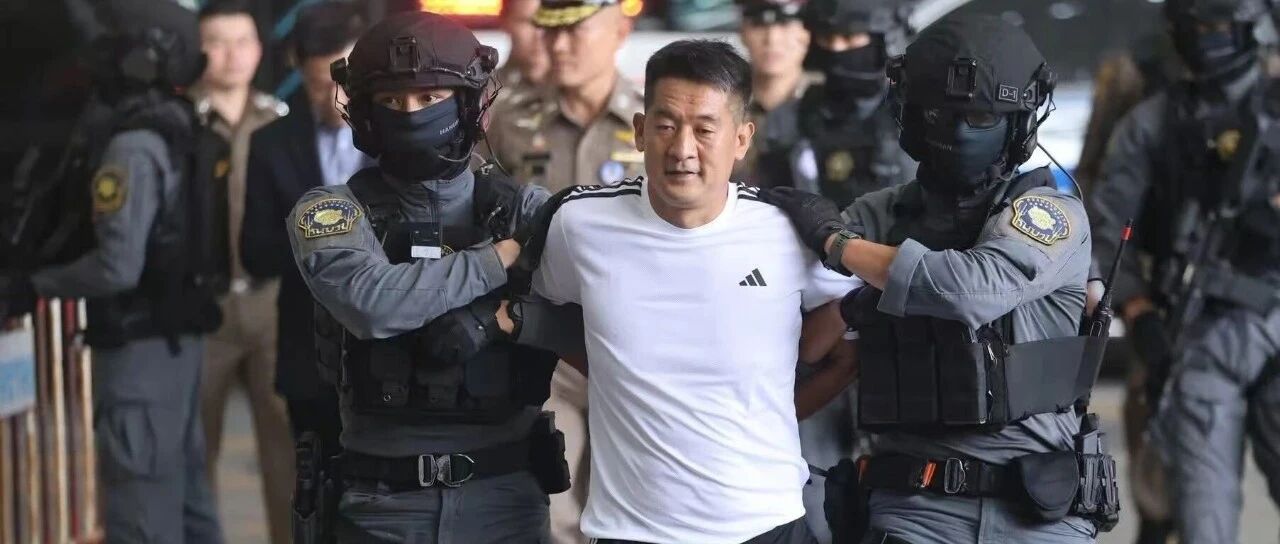
泰国将向中国引渡跨境网赌头目佘智江,涉案资金超2.7万亿
Xin Lang Cai Jing· 2025-11-12 02:56
Core Points - The Thai Supreme Court has decided to extradite She Zhijiang, the head of a cross-border gambling and fraud crime syndicate, to China for trial, with the Thai government coordinating the process within 90 days [1] - She Zhijiang has been involved in illegal gambling and telecom fraud activities, creating and operating 239 illegal gambling websites with a total flow of funds exceeding 27.7 billion RMB [1] - The crime syndicate has been operating in regions like Myanmar and the Philippines, taking advantage of the political instability in the border areas [1][2] - The "Asia-Pacific New City" project, associated with She Zhijiang, has been linked to various illegal activities, including gambling and telecom fraud [1] Company and Industry Summary - She Zhijiang, originally from Hunan, China, has been active in the online gambling industry since 2012, establishing various gambling platforms [1] - The "Asia-Pacific New City" project is a collaboration between She Zhijiang's Asia-Pacific International Holdings Group and a company operated by the Karen Border Guard, which has been involved in illegal gambling and fraud [1] - In September 2025, the U.S. Treasury imposed sanctions on 19 entities and individuals involved in the telecom fraud industry in Myanmar and Cambodia, including She Zhijiang and the "Asia-Pacific New City" [2] - Interpol issued a red notice for She Zhijiang in May 2021, and he was arrested by Thai police in August 2022, with a Thai court later ruling for his extradition to China [4] - She Zhijiang faces criminal charges in China for illegal casino operations, potentially leading to a maximum sentence of 10 years in prison [4]

双11下单忙,警惕藏在购物车后的诈骗方
第一财经· 2025-11-11 15:48
Core Viewpoint - The article highlights the increasing prevalence of online shopping fraud during the Double 11 shopping festival, emphasizing the need for consumer vigilance against various scams targeting online shoppers [3][10]. Group 1: Types of Scams - The article outlines several types of scams prevalent during the Double 11 shopping festival, including refund and compensation scams, where fraudsters lure victims into transferring money under the guise of refunds or compensation for faulty products [5][10]. - Another common scam involves impersonating customer service representatives, claiming issues with purchased items and prompting victims to share personal information or download malicious apps [10][11]. - The article also mentions phishing scams that exploit promotional messages to direct consumers to fake websites, leading to potential theft of personal information and funds [10]. Group 2: Fraud Prevention Measures - Authorities recommend that consumers adhere to the "four no principles" to protect themselves: do not engage in private communication outside official platforms, do not trust high compensation promises, avoid downloading unknown software, and do not transfer money to unfamiliar accounts [6][10]. - The article emphasizes the importance of consumer awareness and vigilance, urging individuals not to download any software based on unsolicited prompts and to safeguard their personal information [11][12]. - The article notes that the fraud industry has become increasingly sophisticated, operating in a "puzzle-like" manner where different teams handle various aspects of the scam, making it challenging to combat [10].

佘智江将被引渡回中国!他在东南亚涉及赌博、电诈和人口贩卖 曾参与投资开发KK园区
Mei Ri Jing Ji Xin Wen· 2025-11-11 15:13
Core Points - The Thai Appeals Court upheld the first-instance ruling to extradite She Zhijiang (also known as She Lunkai) back to China within 90 days due to his involvement in operating online casinos [1] - She Zhijiang is identified as the mastermind behind a large-scale online gambling network, managing 239 active websites with a total circulation of over 2.775 trillion RMB [1] Group 1 - She Zhijiang, also known as She Lunkai, is a key figure in multiple transnational crime syndicates, involved in illegal gambling, telecom fraud, and human trafficking [2] - He was born in 1982 in Shaodong, Hunan, and later acquired Cambodian nationality in 2017, changing his name to She Lunkai [2] - His criminal activities include establishing online gambling sites that attracted 330,000 gamblers, generating illegal profits exceeding 150 million RMB from January 2018 to February 2021 [4] Group 2 - The extradition process began after She Zhijiang was arrested in Thailand in August 2022, with the Thai Attorney General's Office submitting an extradition request in November 2022 [4] - The Thai Criminal Court ruled in May 2023 to extradite him, which was upheld by the Constitutional Court in October 2025, confirming the legality of the extradition under Thai law [4]