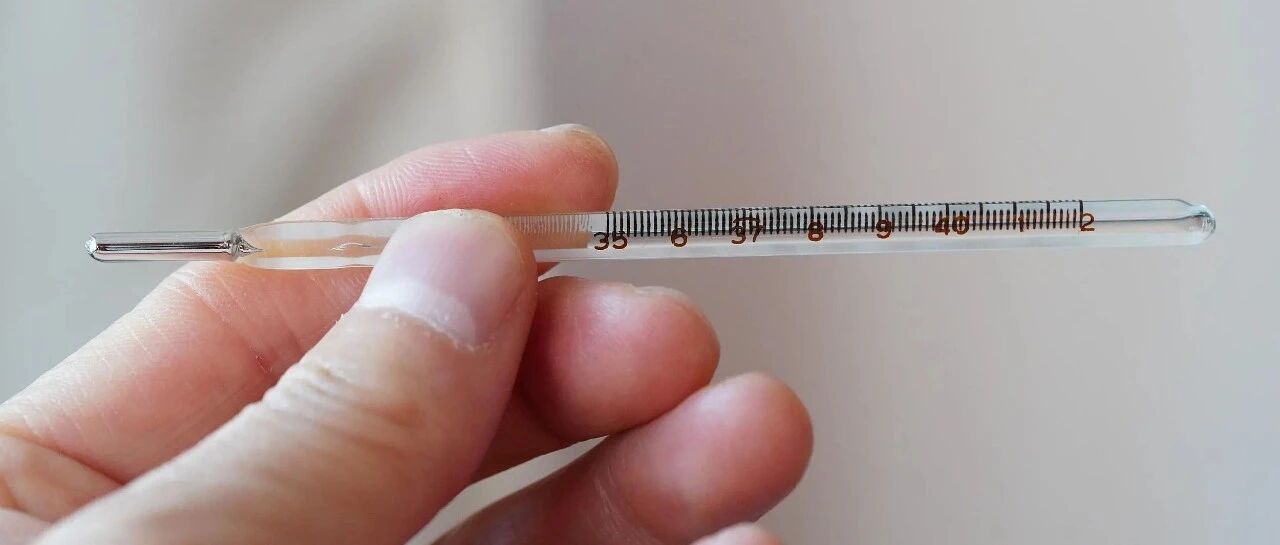
《关于汞的水俣公约》

Search documents
100多国联合封杀,水银体温计为什么非死不可?
3 6 Ke· 2025-12-14 10:00
Core Viewpoint - The production of mercury thermometers will be prohibited starting January 1, 2026, as part of a global initiative to limit mercury use due to its harmful effects on health and the environment [7][11][12]. Group 1: Regulatory Background - The National Medical Products Administration of China announced in 2020 that mercury thermometers and blood pressure monitors would be banned from production starting in 2026, following the global Minamata Convention on Mercury [7][11]. - The ban is not solely focused on thermometers but is part of a broader effort to restrict mercury-containing products, which include batteries, switches, cosmetics, and fluorescent lamps [15][12]. Group 2: Public Reaction - The announcement led to a surge in public concern, with many rushing to pharmacies to stockpile mercury thermometers, reflecting their long-standing familiarity and perceived reliability [6][3]. - The news quickly became a trending topic on social media, indicating widespread anxiety about the impending ban [6]. Group 3: Alternatives and Accuracy - Despite concerns about the accuracy of electronic thermometers, they are designed to meet national standards, with maximum allowable errors comparable to those of mercury thermometers [25][22]. - Alternatives such as gallium-indium alloy thermometers are available, providing a safer option while maintaining similar functionality to mercury thermometers [42]. Group 4: Health Implications - Mercury is highly toxic, and its use in household products poses significant health risks, particularly if the thermometer breaks and mercury is released into the environment [14][17]. - The potential for mercury vapor to exceed safe levels in enclosed spaces underscores the importance of transitioning away from mercury-based products [17].


你家药箱里,一个存在了300多年的“剧毒物品”即将消失……
3 6 Ke· 2025-12-11 00:06
Core Viewpoint - The production of mercury thermometers and blood pressure monitors will be completely banned starting January 1 next year, as announced by the National Medical Products Administration, marking a significant shift towards safer measurement devices [1][5]. Group 1: Historical Context - Mercury thermometers have been in use for over 300 years, regarded as the "gold standard" for temperature measurement due to their accuracy and reliability [2][4]. - The principle behind mercury thermometers is based on the thermal expansion of liquids, with mercury providing a stable and wide temperature range compared to alternatives like alcohol [4]. Group 2: Reasons for the Ban - The primary reason for the ban is the toxicity of mercury, which poses health risks to the nervous, digestive, and immune systems, as well as potential harm to fetal and child development [5]. - The ban is also a commitment to the Minamata Convention, aimed at controlling global mercury pollution, as mercury can persist in the environment and convert to highly toxic methylmercury [5][7]. Group 3: Alternatives to Mercury Thermometers - Contact electronic thermometers are a viable alternative, with an accuracy range of ±0.1℃ to ±0.2℃ within the clinical measurement range of 35℃ to 41℃, meeting clinical diagnostic needs [8]. - Non-mercury thermometers made from gallium-indium-tin alloy are also available, maintaining the same operational principles as traditional thermometers but using safer materials [8]. Group 4: Environmental and Safety Considerations - While mercury thermometers are not the primary source of mercury pollution, their discontinuation will contribute to pollution control efforts [7]. - Proper disposal methods for broken mercury thermometers include using a plastic bottle for collection and ensuring safe handling to minimize exposure to mercury vapor [10].
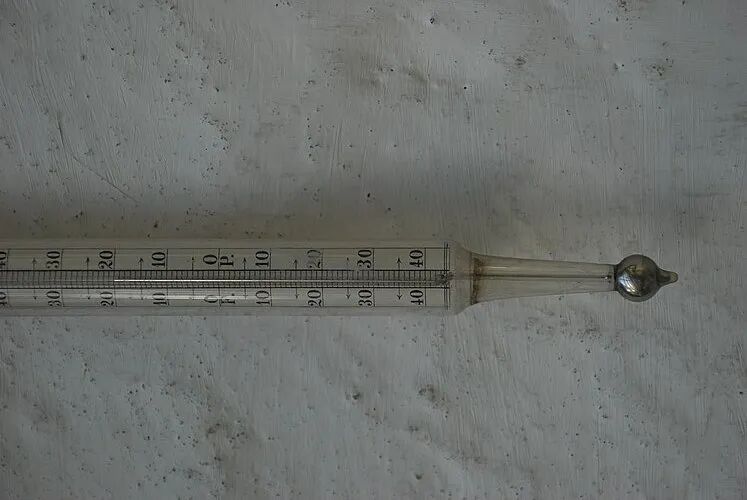
水银体温计、血压计明年起禁产 电子产品接棒
Yang Shi Xin Wen· 2025-12-10 07:47
Core Points - From January 1, 2026, China will prohibit the production of mercury thermometers and blood pressure monitors, in compliance with the Minamata Convention on Mercury [1][2] - The National Medical Products Administration has set the registration certificate validity for mercury thermometers and blood pressure monitors to not exceed December 31, 2025 [1] - Mercury is a toxic and non-degradable metal that poses health risks and environmental hazards, particularly through the risk of mercury poisoning [1][2] Industry Impact - The ban on mercury-based medical devices aligns with international regulations and reflects a growing trend towards safer, non-toxic alternatives in the healthcare industry [1][2] - Current market alternatives include electronic thermometers, ear thermometers, and forehead thermometers, which are capable of meeting daily needs without the risks associated with mercury [2] - Electronic blood pressure monitors are favored for their ease of use, portability, clear digital display, and high safety, making them suitable for a wide range of users [2]
下月起全面禁产水银体温计!为啥要禁?医生解释
Mei Ri Jing Ji Xin Wen· 2025-12-09 10:42
Core Points - Mercury thermometers will be banned from production starting January 1, 2026, as part of China's commitment to the Minamata Convention on Mercury [2][9][13] - The ban includes both mercury thermometers and mercury sphygmomanometers, reflecting a global trend towards safer medical devices [9][14] Group 1: Product Characteristics - Mercury thermometers are known for their high measurement accuracy due to the thermal expansion properties of mercury, making them sensitive to even slight temperature changes [3][8] - The price of mercury thermometers is relatively low, typically around 10 yuan, compared to electronic and infrared thermometers which can cost several tens to hundreds of yuan [5][8] Group 2: Health and Safety Concerns - Despite their accuracy, mercury thermometers pose significant health risks if broken, as mercury is a toxic heavy metal that can lead to acute mercury poisoning [7][8] - A standard mercury thermometer contains approximately 1 gram of mercury, which can significantly increase air mercury concentration if it breaks, posing a danger to health and the environment [7][8] Group 3: Market Trends - There has been a noticeable shortage of mercury thermometers in the market recently, indicating a shift in consumer preference towards electronic and infrared alternatives [5][8] - The transition away from mercury thermometers is seen as a necessary evolution in medical technology, with electronic thermometers offering comparable accuracy and greater convenience [8][9]

下月起,全面禁产水银体温计!测量精准,几元就能买1支,电子体温计要几十元……为啥要禁?医生解释
Mei Ri Jing Ji Xin Wen· 2025-12-09 10:32
Core Viewpoint - The production of mercury thermometers and blood pressure monitors will be banned starting January 1, 2026, as part of China's commitment to the Minamata Convention on Mercury, which aims to reduce mercury pollution and protect public health and the environment [2][12][15]. Group 1: Product Characteristics - Mercury thermometers are known for their high measurement accuracy, being sensitive to even slight temperature changes, and are relatively inexpensive, typically priced around 10 yuan [2][3][10]. - The common mercury thermometer contains approximately 1 gram of mercury, which poses significant health risks if broken, as it can lead to mercury vapor exposure that exceeds safety limits [8][11]. Group 2: Market Trends - There has been a noticeable shortage of mercury thermometers in the market, with prices ranging from a few yuan to around 10 yuan, while alternative electronic and infrared thermometers are significantly more expensive, costing several tens to hundreds of yuan [6][11]. - The transition away from mercury thermometers is driven by their disadvantages, such as being fragile, requiring longer measurement times, and posing health risks due to mercury exposure [11][12]. Group 3: Regulatory Framework - The ban on mercury thermometers is part of the implementation of the Minamata Convention, which came into effect in China on August 16, 2017, and mandates the prohibition of mercury-containing medical devices starting in 2026 [12][15][16]. - The National Medical Products Administration has outlined that existing mercury thermometer products can continue to be registered until December 31, 2025, after which production will cease entirely [15].
明年起,禁止生产水银体温计
第一财经· 2025-12-09 07:20
Core Viewpoint - The article highlights that starting from January 1, 2026, China will completely ban the production of mercury thermometers and mercury sphygmomanometers, marking the end of an era for mercury-based medical devices [1][4]. Summary by Sections - **Policy Implementation**: The notification from the National Medical Products Administration (NMPA) outlines the enforcement of the Minamata Convention on Mercury, which has been effective in China since August 16, 2017. The convention mandates the prohibition of mercury thermometers and sphygmomanometers starting January 1, 2026 [3][4]. - **Existing Products**: Medical devices that have already obtained registration certificates for mercury thermometers and sphygmomanometers will remain valid until their expiration. However, any renewal of these certificates must not exceed December 31, 2025 [3][4]. - **Regulatory Guidance**: Provincial and regional drug supervision authorities are instructed to ensure that local manufacturers comply with the ban and prepare for the transition away from mercury-based products [4].
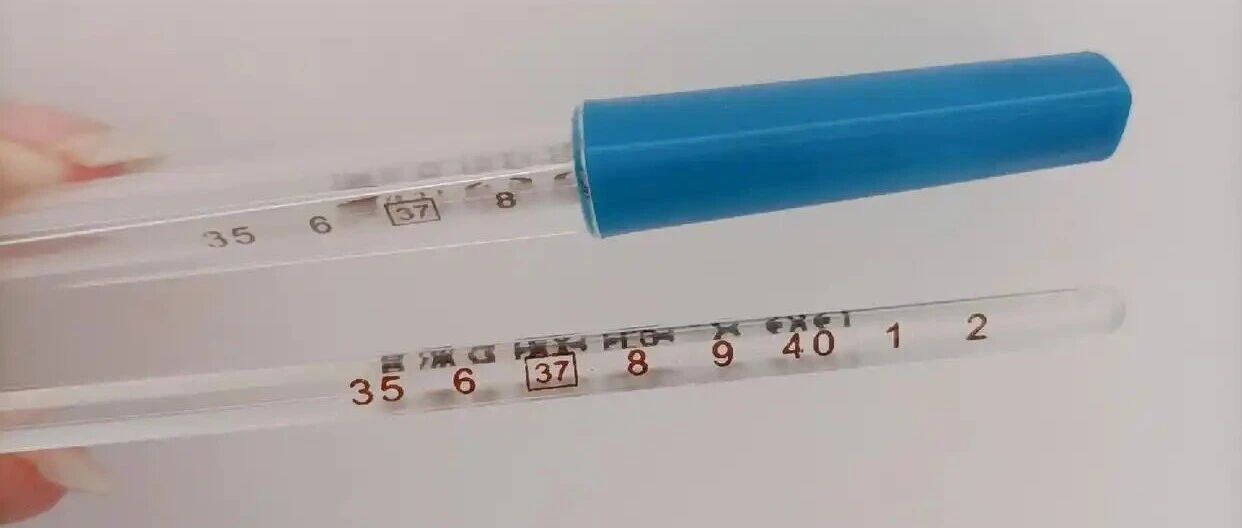
明年起,禁止生产水银体温计
财联社· 2025-12-09 05:46
Core Viewpoint - The article highlights the upcoming ban on the production of mercury-containing thermometers and sphygmomanometers in China, effective from January 1, 2026, as part of the implementation of the Minamata Convention on Mercury [1][2][3]. Summary by Sections Policy Announcement - The National Medical Products Administration (NMPA) has announced that from January 1, 2026, the production of mercury-containing thermometers and sphygmomanometers will be completely prohibited in China [1][3]. Implementation Guidelines - Existing medical device registration certificates for mercury-containing thermometers and sphygmomanometers will remain valid until their expiration, but renewal applications can only be made until December 31, 2025 [2][7]. - Products that have been accepted for medical device registration will continue to undergo evaluation and approval, with certificates issued valid until December 31, 2025 [2][7]. Responsibilities of Regulatory Bodies - Provincial and regional drug supervision authorities are urged to guide local enterprises in preparing for the complete ban on the production of mercury-containing thermometers and sphygmomanometers starting January 1, 2026, ensuring compliance with the Minamata Convention and related announcements [3][8].