
水银血压计

Search documents
水银体温计禁产在即 线上店开始断货 多家上市公司回应
Ge Long Hui A P P· 2025-12-12 03:57
Core Viewpoint - The Chinese government will ban the production of mercury thermometers and sphygmomanometers starting January 1, 2026, marking the end of mercury-based medical devices in the market [1] Company Impact - Yuyue Medical stated that the volume of mercury thermometer and sphygmomanometer products in its business is very small, as the company primarily focuses on electronic products [1] - Jiuan Medical indicated that it is not a traditional thermometer manufacturer, and the impact on the company can be considered negligible [1] Market Response - There is a reported shortage of mercury thermometers on e-commerce platforms, with available products mainly being glass and electronic thermometers [1]


含汞体温计血压计明年起停产,多家上市公司回应影响有限
Guan Cha Zhe Wang· 2025-12-10 15:06
Core Points - The Chinese government will ban the production of mercury thermometers and blood pressure monitors starting January 1, 2026, in compliance with the Minamata Convention on Mercury [1][3] - The ban is driven by the toxic nature of mercury and its environmental hazards, with a standard mercury thermometer containing about 1 to 2 grams of mercury, which can significantly exceed safe concentration levels if broken [1][3] - Following the announcement, there has been a surge in demand for mercury thermometers on e-commerce platforms, leading to stock shortages due to their low price compared to electronic alternatives [1][8] Policy Background - The ban is part of China's commitment to the Minamata Convention, which took effect in China on August 16, 2017, and was further detailed by the National Medical Products Administration in October 2020 [3] - The environmental and health risks associated with mercury, including irreversible damage to the nervous system and kidneys, particularly in vulnerable populations like children and pregnant women, are key considerations for the ban [3] Market Reaction - E-commerce platforms like JD.com and Taobao have reported limited stock and shortages of mercury thermometers following the announcement of the ban [3] - The price of mercury thermometers is generally under 10 yuan, while electronic thermometers range from tens to hundreds of yuan, creating a significant price difference that drives consumer behavior [8] Company Responses - Companies such as Yuyue Medical (002223), Jiuan Medical (002432), and Kefu Medical (301087) have indicated that the impact of the ban on their businesses will be limited, as the share of mercury products in their portfolios is small [9][10] - Yuyue Medical, once a leader in the mercury blood pressure monitor market with an 85% market share, has transitioned to electronic products and reported a revenue of 7.972 billion yuan in 2023 [9] - Jiuan Medical stated that it is not a traditional thermometer manufacturer and has minimal exposure to mercury products, suggesting that the exit of mercury products may create opportunities in the electronic thermometer market [10] Industry Outlook - The global blood pressure monitor market is projected to grow from 2.15 billion USD in 2025 to 3.97 billion USD by 2032, with a compound annual growth rate of 9.2% [10] - The market for electronic thermometers and infrared measuring devices is expected to expand as consumer preferences shift away from mercury products [10][12] - Major players in the electronic blood pressure monitor market include Omron and Yuyue, with domestic brands like Jiuan and Kefu gaining market share through e-commerce strategies [12]


2026年全面“禁汞”倒计时!水银血压计退场,2.7亿人的“救命数值”谁来守护?
Huan Qiu Wang· 2025-12-10 08:31
Group 1 - The mercury-containing sphygmomanometers and thermometers will officially cease production starting January 1, 2026, in compliance with China's obligations under the Minamata Convention on Mercury, leading to widespread nostalgia and discussion among the public [1][3] - The transition away from mercury is aimed at promoting environmental protection and health, but raises concerns about the accuracy of electronic blood pressure monitors for the 270 million hypertension patients in China [3][11] - Traditional mercury sphygmomanometers are considered the "gold standard" for blood pressure measurement due to their non-invasive nature and reliability, while electronic devices often use oscillometric methods that may lead to significant measurement errors [5][6] Group 2 - The current electronic blood pressure monitors face challenges in accuracy, especially in patients with irregular heartbeats, which can exacerbate the existing issues of low awareness, treatment, and control rates among hypertension patients in China [11] - Hanwang Technology has developed an innovative electronic sphygmomanometer that incorporates artificial intelligence to replicate the traditional auscultatory method, addressing the limitations of current electronic devices [11][13] - The new device features high-sensitivity sensors, a mechanism that mimics manual pressure control, and an AI system trained on over 1 million quality auscultation data points, marking a significant advancement in blood pressure monitoring technology [13][17] Group 3 - The upcoming ban on mercury sphygmomanometers is part of a broader national initiative to eliminate mercury use, with Hanwang Technology actively participating in this effort through its "Clean Mercury Action" project [15] - The Hanwang auscultatory electronic blood pressure monitor not only provides accurate measurements but also has a high sensitivity of 94.91% for detecting atrial fibrillation, enhancing its role as a comprehensive health management tool for families [17][19] - The year 2026 is seen as the beginning of a new era in precision medicine, moving towards smarter and more comprehensive health monitoring solutions [19]

水银体温计、血压计明年起禁产 电子产品接棒
Yang Shi Xin Wen· 2025-12-10 07:47
Core Points - From January 1, 2026, China will prohibit the production of mercury thermometers and blood pressure monitors, in compliance with the Minamata Convention on Mercury [1][2] - The National Medical Products Administration has set the registration certificate validity for mercury thermometers and blood pressure monitors to not exceed December 31, 2025 [1] - Mercury is a toxic and non-degradable metal that poses health risks and environmental hazards, particularly through the risk of mercury poisoning [1][2] Industry Impact - The ban on mercury-based medical devices aligns with international regulations and reflects a growing trend towards safer, non-toxic alternatives in the healthcare industry [1][2] - Current market alternatives include electronic thermometers, ear thermometers, and forehead thermometers, which are capable of meeting daily needs without the risks associated with mercury [2] - Electronic blood pressure monitors are favored for their ease of use, portability, clear digital display, and high safety, making them suitable for a wide range of users [2]
水银体温计血压计禁产背后:谁能代替
Bei Jing Shang Bao· 2025-12-09 13:12
Core Viewpoint - The production of mercury thermometers and sphygmomanometers will be banned starting January 1, 2024, as part of China's commitment to the Minamata Convention on Mercury, leading to a transition towards electronic medical devices and a shift in the healthcare industry towards high-value digital health ecosystems [1][7]. Group 1: Market Trends - The market for smart thermometers in China reached 1.55 billion yuan in 2021, with a year-on-year growth of 23%, and is projected to grow to 2.13 billion yuan by the end of 2023, reflecting a compound annual growth rate of 13.8% [5]. - Over 80% of young consumers prefer electronic thermometers and sphygmomanometers, while more than half of middle-aged and elderly consumers also choose electronic devices due to their convenience [5]. Group 2: Consumer Perspectives - Many consumers express a strong trust in traditional mercury measuring devices, with concerns about the accuracy of electronic alternatives, particularly among families with young children [4]. - Some consumers have found electronic devices to be more user-friendly and practical compared to mercury devices, indicating a shift in consumer preferences [4]. Group 3: Technological Transition - The ban on mercury devices is expected to drive the medical device industry in China from low-cost glass manufacturing to high-value digital healthcare solutions, integrating sensor technology, microelectronics, and software development [7][8]. - Electronic devices have achieved clinically acceptable accuracy through advancements in sensor technology and algorithms, although there are still scenarios where mercury devices may outperform them [7][8]. Group 4: Future Innovations - The market is seeing the emergence of innovative alternatives such as infrared thermometers, wearable continuous temperature monitoring patches, and integrated devices that measure multiple health parameters [8]. - The integration of smart connectivity in modern devices allows for continuous health monitoring and personalized health recommendations, marking a significant shift from passive measurement to active health management [8].
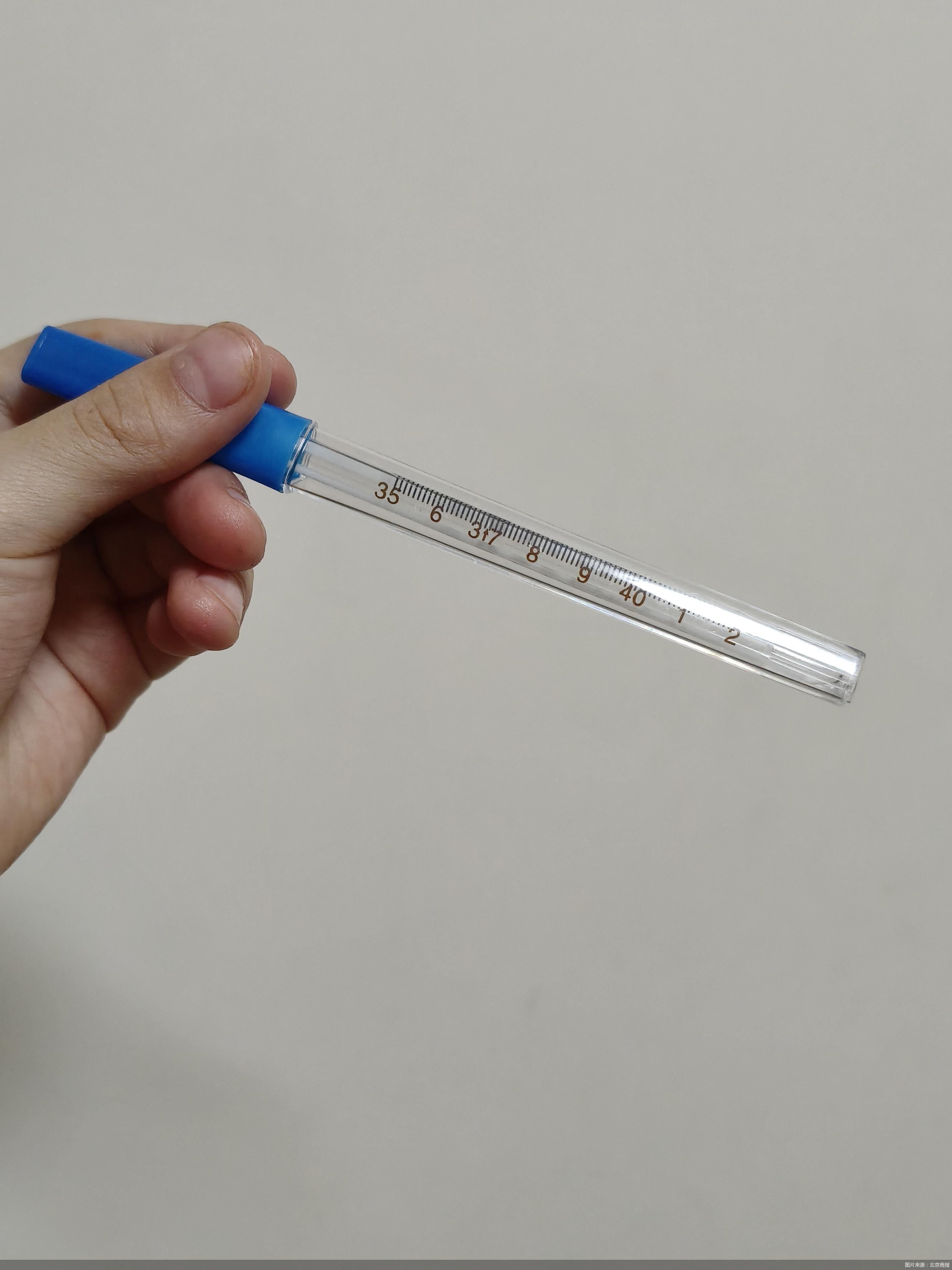
水银体温计血压计明年起禁产
Jing Ji Guan Cha Wang· 2025-12-09 06:11
Core Viewpoint - The Chinese government will ban the production of mercury-containing thermometers and sphygmomanometers starting January 1, 2026, due to safety concerns related to mercury toxicity [1] Group 1: Regulatory Changes - The ban on mercury-containing medical devices is a significant regulatory change aimed at enhancing public safety [1] - The decision reflects a growing awareness of the dangers posed by mercury, a highly toxic heavy metal [1] Group 2: Impact on Industry - Mercury thermometers and sphygmomanometers have been popular in households due to their accuracy and low cost [1] - The industry will need to adapt to the new regulations, potentially leading to increased demand for alternative, safer medical devices [1]