耳温枪

Search documents
研判2026!中国耳温枪行业发展历程、产业链、市场规模、重点品牌及前景展望:公众健康意识提升与技术进步,耳温枪行业迎来新发展阶段[图]
Chan Ye Xin Xi Wang· 2026-02-07 01:18
Industry Overview - The ear thermometer is a non-contact temperature measurement tool that offers advantages such as accuracy, speed, convenience, safety, and resistance to external environmental interference, making it suitable for various applications in healthcare, industry, schools, homes, and public places [1][12] - The market demand for ear thermometers has been steadily increasing, particularly influenced by heightened public health awareness and advancements in medical detection technology [1][12] - In 2020, the domestic ear thermometer market size exceeded 600 million yuan, with a year-on-year growth of 17.31%, highlighting its critical role in public health emergency systems [1][12] - The market size for the ear thermometer industry in China is projected to reach 830 million yuan in 2024, with a year-on-year growth of 6.41%, and approximately 900 million yuan in 2025 [1][12] Industry Development History - The ear thermometer industry traces back to the 1980s, gaining momentum in the 1990s due to rising household demand for medical devices [7] - The 21st century has seen unprecedented growth in the ear thermometer industry, driven by continuous innovation in medical technology and increased public health awareness [7] Industry Chain - The ear thermometer industry chain consists of upstream raw materials and components, including metals, plastics, infrared sensors, chips, displays, batteries, and microcontrollers [8] - The midstream involves the production and manufacturing of ear thermometers, while the downstream encompasses sales channels such as medical device specialty stores, large chain pharmacies, e-commerce platforms, and supermarkets [8] Market Competition - The competition in the ear thermometer industry features both domestic and international brands, with foreign companies holding significant market positions due to their established technology and brand advantages [13] - Notable domestic companies include Yuyue Medical, Jiuan Medical, and Kefu Medical, which are rapidly developing through product innovation and channel expansion [13] Key Companies - Yuyue Medical Equipment Co., Ltd. focuses on providing home medical devices and clinical products, with a significant portion of its revenue coming from home health monitoring solutions [13] - Kefu Medical Technology Co., Ltd. specializes in medical device research, production, and sales, with a diverse product line covering health monitoring and rehabilitation [14] Future Trends - The ear thermometer is expected to evolve into a personal health management terminal that integrates health data monitoring and intelligent analysis, enhancing its role in chronic disease management and early epidemic screening [15] - Continuous improvements in measurement accuracy will focus on overcoming complexities in deep ear canal measurements through multi-sensor fusion technology and adaptive calibration algorithms [16] - The industry is anticipated to shift towards data and service-oriented ecological integration, establishing new standards for measurement accuracy and data privacy, which will enhance the reliability of temperature data for remote healthcare and public health monitoring [18]


智研咨询发布:耳温枪分析报告(附市场现状、运行态势、竞争格局及前景分析)
Xin Lang Cai Jing· 2026-02-05 12:25
Core Insights - The ear thermometer market in China is experiencing steady growth, driven by increased public health awareness and advancements in medical detection technology [1][5][31] - The market size for ear thermometers in China is projected to reach 830 million yuan in 2024, with a year-on-year growth of 6.41%, and approximately 900 million yuan in 2025 [5][31] - The COVID-19 pandemic significantly boosted the ear thermometer market in 2020, with a market size exceeding 600 million yuan and a growth rate of 17.31% [5][31] Product Overview - Ear thermometers utilize infrared spectrum detection from the eardrum to measure body temperature, providing more accurate readings compared to traditional methods [1][3] - Normal ear temperature ranges from 35.8 to 38 degrees Celsius, and ear thermometers can be categorized into those that require ear covers and those that do not [1][3] Industry Development - The ear thermometer industry has evolved since the 1980s, with significant advancements in electronic and infrared technologies facilitating its production [4][30] - The industry has seen rapid growth in the 21st century due to continuous innovation in medical technology and rising consumer health awareness [4][30] Market Dynamics - The ear thermometer market is characterized by competition between domestic and international brands, with notable foreign companies including Omron, Braun, and Philips holding significant market shares [6][32] - Domestic companies such as Beierkang, Yuyue Medical, and Jiuan Medical are also emerging rapidly, focusing on product innovation and channel expansion [6][32] Future Trends - The ear thermometer is expected to evolve from a simple temperature measurement tool to an integrated health data monitoring and analysis device [7][32] - Future advancements will focus on improving measurement accuracy and overcoming the complexities associated with deep ear canal measurements [7][32] - The industry is anticipated to shift from hardware manufacturing to a data and service-oriented ecosystem [7][32]
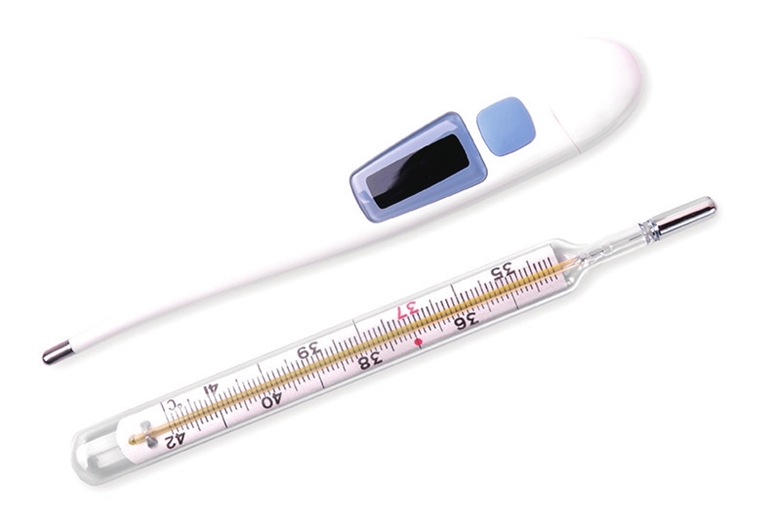
水银体温计退场 准备好迎接电子测温了吗
He Nan Ri Bao· 2026-01-07 23:13
Core Viewpoint - The production of mercury thermometers will officially cease on January 1, 2026, due to safety and environmental concerns, marking a significant shift in the healthcare industry towards safer alternatives like electronic thermometers and ear thermometers [3]. Group 1: Market Transition - The market is transitioning away from mercury thermometers, with pharmacies already removing them from shelves. For instance, a pharmacy in Zhengzhou reported that they sold out of mercury thermometers over two weeks ago, while another still had a few remaining, which have seen price increases due to limited supply [3][4]. - A wholesale dealer noted that as manufacturers stop production, the remaining stock is becoming scarce, leading to inevitable price hikes [3]. Group 2: Hospital Adaptation - Hospitals are also adapting to the change, with many departments, such as the pediatric emergency department, having fully switched to electronic thermometers. These devices are preferred for their safety and efficiency, providing results in seconds [4]. - However, some hospitals still use mercury thermometers for specific cases, such as confirming temperatures in already febrile patients, indicating a transitional phase where both types coexist [4]. Group 3: Public Perception and Expert Insights - There is a lingering public concern regarding the accuracy of electronic thermometers compared to traditional mercury ones. Many parents express anxiety over discrepancies in readings from different electronic devices [5]. - Experts emphasize that the shift away from mercury thermometers is part of a global trend and a crucial step in preventing mercury pollution. They assert that electronic thermometers are capable of meeting daily health monitoring needs [5].
水银体温计药店普遍存货不多
Qi Lu Wan Bao· 2026-01-07 00:05
Core Viewpoint - The production ban on mercury thermometers and related mercury-containing medical devices will take effect on January 1, 2026, leading to a shift in consumer preferences towards alternative thermometer options [1][2]. Group 1: Market Situation - As of January 4, 2026, local pharmacies in Jinan are experiencing a limited supply of mercury thermometers, with prices slightly increasing but not significantly [1]. - Various types of thermometers are available, including electronic thermometers priced between 22.2 yuan and 48 yuan, and a popular non-mercury glass thermometer priced at 19.8 yuan, which is gaining traction among consumers [1][2]. - The most common mercury thermometer has recently faced stock shortages, with only a few remaining in local pharmacies [1]. Group 2: Consumer Preferences - Many consumers, like Ms. Zhang, express skepticism about the accuracy of electronic thermometers, leading to a preference for mercury thermometers, although they are now sold out [2]. - Healthcare professionals, such as nurses, indicate that both ear thermometers and mercury thermometers are still in use, with no clear directive to eliminate mercury thermometers entirely [2]. - The recommendation for consumers is to choose thermometers based on their specific needs, with mercury thermometers suggested for accuracy in safe environments, while electronic thermometers are recommended for convenience, especially in households with children or elderly individuals [2].
水银体温计停产,替代产品怎么选?
Xin Lang Cai Jing· 2026-01-02 00:56
Core Viewpoint - The National Medical Products Administration of China has announced a ban on the production of mercury thermometers and sphygmomanometers starting January 1, 2026, due to the toxicity and non-degradability of mercury [1]. Group 1: Reasons for the Ban - Mercury thermometers contain approximately 1 gram of mercury, which can significantly increase the mercury concentration in a room if broken [1]. - Inhalation of mercury vapor can cause symptoms such as dizziness, headaches, and fatigue, with long-term exposure potentially leading to irreversible damage to the nervous system and kidneys, especially in children and pregnant women [1]. - The ban aligns with China's commitment to the Minamata Convention on Mercury, aiming to reduce environmental hazards associated with mercury [1]. Group 2: Handling Broken Thermometers - If a mercury thermometer is broken, it is crucial to ventilate the area immediately and avoid using a broom or vacuum cleaner to clean up the mercury [1]. - The correct procedure involves wearing gloves, using hard paper or tape to collect mercury beads, and sealing them in a container marked as "waste mercury" for proper disposal [1]. Group 3: Alternatives to Mercury Thermometers - For general household use, medical-grade electronic thermometers are recommended for their simplicity and cost-effectiveness [2]. - For infants or uncooperative children, ear thermometers are preferred due to their speed and accuracy in measuring core body temperature [2]. - For those accustomed to the "shake" method, non-mercury thermometers made from gallium-indium-tin alloy are available, which are safe and environmentally friendly [2]. Group 4: Best Practices for Thermometer Use - It is essential to choose thermometers from reputable brands and ensure they have medical device certification [3]. - Regular calibration of electronic thermometers is advised to maintain measurement accuracy [3]. - Proper disposal of any unused or broken mercury thermometers is necessary to ensure health and environmental safety [3].

水银体温计退出 替代品选购攻略来啦!
Xin Lang Cai Jing· 2025-12-29 04:48
Core Viewpoint - China will ban the production of mercury thermometers and sphygmomanometers starting January 1, 2026, due to health and environmental concerns, marking the end of an era for mercury-based medical devices [1][2]. Group 1: Health Risks of Mercury - Mercury, contained in traditional thermometers, poses significant health risks, including acute symptoms like headaches and chronic effects such as damage to the central nervous system and kidneys [2][3]. - Sensitive populations, including children and pregnant women, are at risk of irreversible harm, such as developmental delays and fetal deformities due to mercury exposure [3]. Group 2: Environmental Impact - Mercury is a neurotoxic heavy metal that can accumulate in the food chain, posing risks to marine life and human health [4]. - The biological magnification of mercury can lead to high concentrations in marine organisms, which can ultimately affect human consumers [4]. Group 3: Transition to Alternative Products - The market is shifting towards electronic and non-mercury alternatives, which are safer and more user-friendly [8]. - Various alternatives include gallium-indium-tin thermometers, electronic thermometers, ear thermometers, and forehead thermometers, each with unique features and accuracy levels [8][10]. Group 4: Usage and Safety Guidelines - Existing mercury thermometers can still be used if intact and within the registration validity period, but users should be aware of the associated risks and proper handling methods [5]. - In case of breakage, specific steps must be followed for safe cleanup, including ventilation and proper collection of mercury beads [6][7]. Group 5: Accuracy of Electronic Devices - Concerns about the accuracy of electronic thermometers exist, with reported discrepancies of up to 1°C among different brands [10]. - It is crucial to choose products with medical device registration and to follow proper usage instructions to ensure reliable readings [10].
用了几十年的水银体温计为啥要禁产?
Xin Lang Cai Jing· 2025-12-27 16:36
Core Viewpoint - The article discusses the impending ban on mercury thermometers in China by 2026 due to health and environmental concerns associated with mercury exposure [3]. Group 1: Health Risks - Mercury thermometers contain approximately 1 gram of mercury, which can evaporate and increase indoor mercury concentration if broken, posing serious health risks, especially to sensitive populations like children and pregnant women [3]. - Mercury vapor can penetrate the blood-brain barrier, potentially causing irreversible damage such as developmental delays and fetal deformities [3]. Group 2: Environmental Impact - Mercury is a heavy metal that does not naturally degrade; once it enters soil or water, it can be converted into more toxic methylmercury, which accumulates in the food chain and ultimately returns to humans [3]. Group 3: Alternatives - The article highlights that alternative products have surpassed mercury thermometers in safety and convenience, including soft-tip electronic thermometers, ear thermometers, and gallium-indium-tin alloy thermometers, which replicate the feel of mercury thermometers without the associated toxicity [3][4].
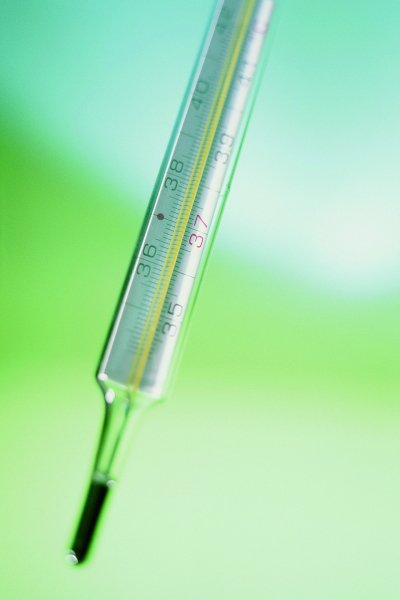
水银体温计,为何禁产
Ren Min Ri Bao· 2025-12-17 22:11
Core Viewpoint - China will completely ban the production of mercury thermometers and blood pressure monitors starting January 1, 2026, marking the end of mercury thermometers in the market due to their toxicity and environmental hazards [1]. Industry Summary - The ban is driven by concerns over the strong toxicity and non-degradability of mercury, which poses greater risks to human health and the ecological environment compared to traditional temperature measurement tools [1]. - Currently popular alternatives in the market include electronic thermometers, ear thermometers, and forehead thermometers, which offer various advantages over mercury thermometers [1]. Consumer Insights - Mercury thermometers present several inconveniences for consumers, such as small font size for readings, difficulty in reading, and safety hazards due to breakage [1]. - Industry experts indicate that electronic thermometers, when used correctly, provide high accuracy and meet daily needs, while being safer than mercury thermometers. These products feature clear digital displays, simple operation, and high safety, making them suitable for different user groups [1].
100多国联合封杀,水银体温计为什么「非死不可」?
36氪· 2025-12-15 11:12
Core Viewpoint - The article discusses the impending ban on the production of mercury thermometers starting January 1, 2026, due to health and safety concerns related to mercury exposure, highlighting the transition to safer alternatives [12][15][27]. Group 1: Background and Reasons for the Ban - The National Medical Products Administration announced the ban in 2020, allowing a five-year grace period for manufacturers [12][15]. - The ban is part of a global initiative involving over 150 countries, known as the Minamata Convention on Mercury, aimed at reducing mercury use due to its harmful effects on human health and the environment [17][24]. - Historical incidents, such as the mercury poisoning in Minamata, Japan, underscore the dangers of mercury exposure, leading to widespread regulatory changes [18][20][22]. Group 2: Public Reaction and Market Impact - The announcement triggered a rush among consumers to purchase mercury thermometers, reflecting a deep-seated reliance on this traditional tool [10][11]. - The article notes that the fear and urgency in family groups on social media indicate a significant emotional attachment to mercury thermometers, which many associate with authority and reliability [7][8]. Group 3: Alternatives and Accuracy of New Thermometers - The article emphasizes that compliant electronic thermometers can achieve similar accuracy to mercury thermometers, with a maximum allowable error of ±0.1°C within the specified range [42]. - It discusses various types of thermometers, including electronic, ear, and forehead thermometers, and their respective accuracy standards [44][45]. - The introduction of gallium-indium alloy thermometers is presented as a viable alternative, combining the traditional use of mercury thermometers with improved safety [66][71]. Group 4: Safety Concerns and Proper Handling - The article outlines the dangers of mercury exposure, including the potential for severe health risks if mercury is not properly contained and cleaned up [30][29]. - It provides guidelines for safely handling broken mercury thermometers, emphasizing the importance of ventilation and proper disposal methods [33][35].

水银体温计在线销售涨十倍,这些上市公司股价集体上涨
Di Yi Cai Jing· 2025-12-15 07:00
Core Points - The mercury thermometer will be discontinued starting January 1, leading to a surge in demand and price increases for existing mercury thermometers [1][2] - The price of mercury thermometers has significantly risen, with online prices reaching 15-20 yuan, and some exceeding 20 yuan, compared to previous prices of 2-10 yuan [1][2] - The alternative to mercury thermometers, non-mercury glass thermometers, are more expensive, costing 20-30 yuan, and are made with safer materials like gallium-indium-tin alloy [1][6] Industry Insights - The production of mercury thermometers in China was approximately 120 million units annually, resulting in over 10 tons of mercury needing disposal due to breakage [4] - Major manufacturers of non-mercury thermometers include Shanghai Huachen Medical Instrument Co., Yuyue Medical, and Jiuan Medical, with Shanghai Huachen being the largest producer [6] - The upstream suppliers for non-mercury materials include major metal producers such as China Aluminum (gallium), Zhuhai Group (indium), and Xiyang Silver Tin (tin) [6] Market Dynamics - The non-mercury thermometer market is limited and faces competition from electronic thermometers, which are also gaining popularity [7] - The safety and accuracy of gallium-indium-tin alloy thermometers are comparable to mercury thermometers, but they are positioned as a safer alternative [7] - Companies with capabilities in developing special alloy materials, such as Antai Technology and Yuyuan New Materials, are also noteworthy in this transition [6]