额温枪

Search documents
水银体温计停产,替代产品怎么选?
Xin Lang Cai Jing· 2026-01-02 00:56
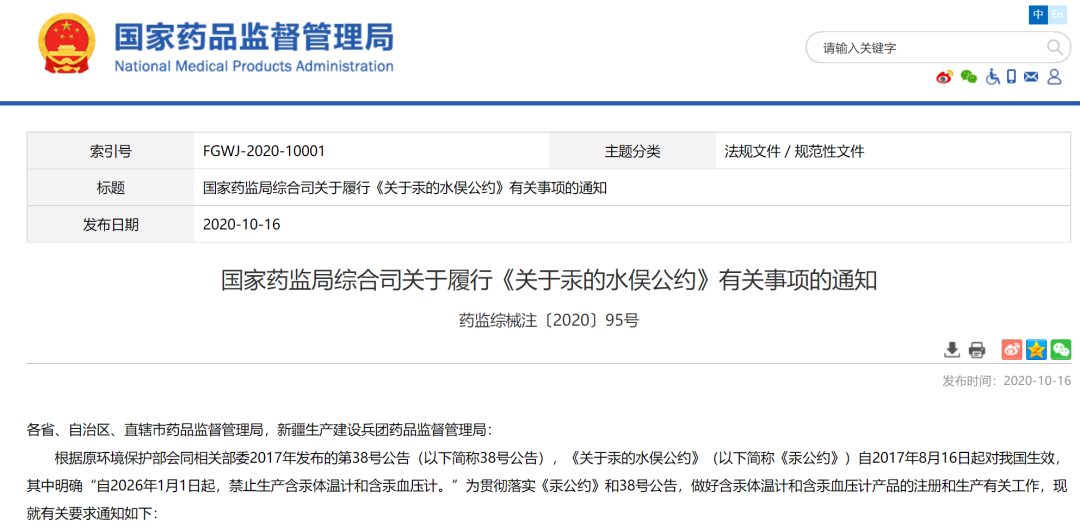
Core Viewpoint - The National Medical Products Administration of China has announced a ban on the production of mercury thermometers and sphygmomanometers starting January 1, 2026, due to the toxicity and non-degradability of mercury [1]. Group 1: Reasons for the Ban - Mercury thermometers contain approximately 1 gram of mercury, which can significantly increase the mercury concentration in a room if broken [1]. - Inhalation of mercury vapor can cause symptoms such as dizziness, headaches, and fatigue, with long-term exposure potentially leading to irreversible damage to the nervous system and kidneys, especially in children and pregnant women [1]. - The ban aligns with China's commitment to the Minamata Convention on Mercury, aiming to reduce environmental hazards associated with mercury [1]. Group 2: Handling Broken Thermometers - If a mercury thermometer is broken, it is crucial to ventilate the area immediately and avoid using a broom or vacuum cleaner to clean up the mercury [1]. - The correct procedure involves wearing gloves, using hard paper or tape to collect mercury beads, and sealing them in a container marked as "waste mercury" for proper disposal [1]. Group 3: Alternatives to Mercury Thermometers - For general household use, medical-grade electronic thermometers are recommended for their simplicity and cost-effectiveness [2]. - For infants or uncooperative children, ear thermometers are preferred due to their speed and accuracy in measuring core body temperature [2]. - For those accustomed to the "shake" method, non-mercury thermometers made from gallium-indium-tin alloy are available, which are safe and environmentally friendly [2]. Group 4: Best Practices for Thermometer Use - It is essential to choose thermometers from reputable brands and ensure they have medical device certification [3]. - Regular calibration of electronic thermometers is advised to maintain measurement accuracy [3]. - Proper disposal of any unused or broken mercury thermometers is necessary to ensure health and environmental safety [3].


水银体温计退出 替代品选购攻略来啦!
Xin Lang Cai Jing· 2025-12-29 04:48
Core Viewpoint - China will ban the production of mercury thermometers and sphygmomanometers starting January 1, 2026, due to health and environmental concerns, marking the end of an era for mercury-based medical devices [1][2]. Group 1: Health Risks of Mercury - Mercury, contained in traditional thermometers, poses significant health risks, including acute symptoms like headaches and chronic effects such as damage to the central nervous system and kidneys [2][3]. - Sensitive populations, including children and pregnant women, are at risk of irreversible harm, such as developmental delays and fetal deformities due to mercury exposure [3]. Group 2: Environmental Impact - Mercury is a neurotoxic heavy metal that can accumulate in the food chain, posing risks to marine life and human health [4]. - The biological magnification of mercury can lead to high concentrations in marine organisms, which can ultimately affect human consumers [4]. Group 3: Transition to Alternative Products - The market is shifting towards electronic and non-mercury alternatives, which are safer and more user-friendly [8]. - Various alternatives include gallium-indium-tin thermometers, electronic thermometers, ear thermometers, and forehead thermometers, each with unique features and accuracy levels [8][10]. Group 4: Usage and Safety Guidelines - Existing mercury thermometers can still be used if intact and within the registration validity period, but users should be aware of the associated risks and proper handling methods [5]. - In case of breakage, specific steps must be followed for safe cleanup, including ventilation and proper collection of mercury beads [6][7]. Group 5: Accuracy of Electronic Devices - Concerns about the accuracy of electronic thermometers exist, with reported discrepancies of up to 1°C among different brands [10]. - It is crucial to choose products with medical device registration and to follow proper usage instructions to ensure reliable readings [10].
水银体温计,为何禁产
Ren Min Ri Bao· 2025-12-17 22:11
Core Viewpoint - China will completely ban the production of mercury thermometers and blood pressure monitors starting January 1, 2026, marking the end of mercury thermometers in the market due to their toxicity and environmental hazards [1]. Industry Summary - The ban is driven by concerns over the strong toxicity and non-degradability of mercury, which poses greater risks to human health and the ecological environment compared to traditional temperature measurement tools [1]. - Currently popular alternatives in the market include electronic thermometers, ear thermometers, and forehead thermometers, which offer various advantages over mercury thermometers [1]. Consumer Insights - Mercury thermometers present several inconveniences for consumers, such as small font size for readings, difficulty in reading, and safety hazards due to breakage [1]. - Industry experts indicate that electronic thermometers, when used correctly, provide high accuracy and meet daily needs, while being safer than mercury thermometers. These products feature clear digital displays, simple operation, and high safety, making them suitable for different user groups [1].
100多国联合封杀,水银体温计为什么「非死不可」?
36氪· 2025-12-15 11:12
Core Viewpoint - The article discusses the impending ban on the production of mercury thermometers starting January 1, 2026, due to health and safety concerns related to mercury exposure, highlighting the transition to safer alternatives [12][15][27]. Group 1: Background and Reasons for the Ban - The National Medical Products Administration announced the ban in 2020, allowing a five-year grace period for manufacturers [12][15]. - The ban is part of a global initiative involving over 150 countries, known as the Minamata Convention on Mercury, aimed at reducing mercury use due to its harmful effects on human health and the environment [17][24]. - Historical incidents, such as the mercury poisoning in Minamata, Japan, underscore the dangers of mercury exposure, leading to widespread regulatory changes [18][20][22]. Group 2: Public Reaction and Market Impact - The announcement triggered a rush among consumers to purchase mercury thermometers, reflecting a deep-seated reliance on this traditional tool [10][11]. - The article notes that the fear and urgency in family groups on social media indicate a significant emotional attachment to mercury thermometers, which many associate with authority and reliability [7][8]. Group 3: Alternatives and Accuracy of New Thermometers - The article emphasizes that compliant electronic thermometers can achieve similar accuracy to mercury thermometers, with a maximum allowable error of ±0.1°C within the specified range [42]. - It discusses various types of thermometers, including electronic, ear, and forehead thermometers, and their respective accuracy standards [44][45]. - The introduction of gallium-indium alloy thermometers is presented as a viable alternative, combining the traditional use of mercury thermometers with improved safety [66][71]. Group 4: Safety Concerns and Proper Handling - The article outlines the dangers of mercury exposure, including the potential for severe health risks if mercury is not properly contained and cleaned up [30][29]. - It provides guidelines for safely handling broken mercury thermometers, emphasizing the importance of ventilation and proper disposal methods [33][35].

100多国联合封杀,水银体温计为什么非死不可?
3 6 Ke· 2025-12-14 10:00
Core Viewpoint - The production of mercury thermometers will be prohibited starting January 1, 2026, as part of a global initiative to limit mercury use due to its harmful effects on health and the environment [7][11][12]. Group 1: Regulatory Background - The National Medical Products Administration of China announced in 2020 that mercury thermometers and blood pressure monitors would be banned from production starting in 2026, following the global Minamata Convention on Mercury [7][11]. - The ban is not solely focused on thermometers but is part of a broader effort to restrict mercury-containing products, which include batteries, switches, cosmetics, and fluorescent lamps [15][12]. Group 2: Public Reaction - The announcement led to a surge in public concern, with many rushing to pharmacies to stockpile mercury thermometers, reflecting their long-standing familiarity and perceived reliability [6][3]. - The news quickly became a trending topic on social media, indicating widespread anxiety about the impending ban [6]. Group 3: Alternatives and Accuracy - Despite concerns about the accuracy of electronic thermometers, they are designed to meet national standards, with maximum allowable errors comparable to those of mercury thermometers [25][22]. - Alternatives such as gallium-indium alloy thermometers are available, providing a safer option while maintaining similar functionality to mercury thermometers [42]. Group 4: Health Implications - Mercury is highly toxic, and its use in household products poses significant health risks, particularly if the thermometer breaks and mercury is released into the environment [14][17]. - The potential for mercury vapor to exceed safe levels in enclosed spaces underscores the importance of transitioning away from mercury-based products [17].

销量飙涨,多家门店卖断货,价格翻倍!水银温度计即将停产
2 1 Shi Ji Jing Ji Bao Dao· 2025-12-12 01:14
Core Viewpoint - The market for mercury thermometers is experiencing a surge in demand due to the upcoming ban on their production starting January 1, 2026, as part of China's commitment to the Minamata Convention on Mercury, leading to a stockpiling trend among consumers [2][11]. Group 1: Market Dynamics - Many consumers are purchasing multiple mercury thermometers at once, with reports of individuals buying four to five units per visit [2][12]. - The price of mercury thermometers has increased significantly, with some products now selling for 15 to 20 yuan each, compared to a normal price of around 6 yuan [12]. - Several pharmacies have reported that their stocks of mercury thermometers are running low or have sold out entirely [1][12]. Group 2: Regulatory Background - The ban on mercury thermometers is part of a broader global initiative to phase out hazardous materials, with many countries having already implemented similar bans [8]. - The Minamata Convention on Mercury, which took effect in China in 2017, mandates the prohibition of the production of mercury-containing thermometers and sphygmomanometers by 2026 [8][11]. Group 3: Safety Concerns - Mercury is highly toxic and poses significant health risks, including acute poisoning symptoms and long-term neurological damage [8]. - The environmental impact of mercury is also a concern, as it can accumulate in the food chain and disrupt ecological balance [8]. Group 4: Alternatives and Trends - Alternatives to mercury thermometers, such as non-mercury glass thermometers, electronic thermometers, ear thermometers, and forehead thermometers, are gaining popularity [13]. - Recent data indicates that sales of electronic thermometers have increased by over 100% year-on-year, reflecting a shift towards safer and more advanced monitoring solutions [13][14]. - The ear thermometer is noted for its accuracy in measuring core body temperature and is becoming a preferred choice in many medical settings [14].
水银体温计2026年起禁产:囤货潮席卷,有产品涨至20元/支
2 1 Shi Ji Jing Ji Bao Dao· 2025-12-12 01:13
Core Viewpoint - The market for mercury thermometers is experiencing a surge in demand due to the upcoming ban on their production starting January 1, 2026, as part of China's commitment to the Minamata Convention on Mercury, leading to public nostalgia and stockpiling behavior [1][5][6] Group 1: Market Dynamics - There has been a noticeable increase in the purchase of mercury thermometers, with individuals buying multiple units at a time, reflecting a stockpiling trend [1][2] - The price of mercury thermometers has significantly increased, with reports of prices rising from around 6 yuan to as high as 20 yuan per unit on e-commerce platforms [7] Group 2: Health and Safety Concerns - Mercury, the core component of these thermometers, poses serious health risks, including acute poisoning and long-term neurological damage, leading to their prohibition in many countries [3][4] - The environmental impact of mercury is also a concern, as it can accumulate in the food chain and disrupt ecological balance [3][4] Group 3: Transition to Alternatives - Various alternatives to mercury thermometers are available, including non-mercury glass thermometers, electronic thermometers, ear thermometers, and forehead thermometers, which are gaining popularity [8][10] - The sales of electronic thermometers have seen a significant increase, with a reported growth of over 100% in the past week, indicating a shift towards safer and smarter health monitoring solutions [8][10] Group 4: Institutional Response - Different medical institutions are at varying stages of transitioning away from mercury thermometers, with some still relying on them while others have already adopted alternatives [2][6] - Education on the safe handling and disposal of mercury thermometers is essential as they remain in use during the transition period [7][10]

水银体温计将禁产 专家介绍替代产品
Ke Ji Ri Bao· 2025-12-12 00:55
Core Viewpoint - The production of mercury thermometers and blood pressure monitors will be banned in China starting January 1, 2026, as part of the country's commitment to the Minamata Convention on Mercury, reflecting ecological and medical safety principles [2][3]. Group 1: Reasons for the Ban - The ban is a specific measure to fulfill the Minamata Convention, which includes prohibiting the mining of primary mercury, controlling mercury resource use, and gradually phasing out mercury-containing medical products [2]. - Mercury, known for its high toxicity and non-degradability, poses significant health risks, including acute poisoning and long-term neurological damage, especially to vulnerable populations like children and pregnant women [2][3]. - The inefficiency of mercury thermometers in emergency situations, requiring patients to remain still for 5 to 10 minutes, highlights their limitations in modern medical practices [2][3]. Group 2: Safe Alternatives to Mercury Thermometers - Electronic thermometers, which do not contain mercury, are emerging as ideal replacements, with types including non-contact and contact models [4]. - Non-contact models, such as forehead and ear thermometers, use infrared technology but can be affected by environmental conditions, while contact models provide results comparable to mercury thermometers in a shorter time [4][5]. - Gallium-indium-tin thermometers are also considered potential replacements due to their non-toxic nature and similar measurement performance, although they face challenges in technology maturity and market acceptance [5][6]. Group 3: Future Developments and Considerations - There is a need for advancements in high-precision sensors and product quality control to meet the demands of critical care environments and consumer expectations for low-cost measurement tools [5][6]. - The integration of big data and IoT technologies is essential for transforming thermometers from simple measuring devices into smart health management tools [6].
销量飙涨,多家门店卖断货,价格翻倍!水银温度计即将停产
21世纪经济报道· 2025-12-12 00:48
Core Viewpoint - The article discusses the rising popularity and impending ban of mercury thermometers in China, highlighting public concerns and market reactions as the production of these devices is set to cease by January 1, 2026 [2][10][12]. Group 1: Market Reaction - There has been a noticeable increase in the purchase of mercury thermometers, with reports of individuals buying multiple units at once [2][12]. - Many pharmacies are experiencing shortages of mercury thermometers, indicating a surge in demand as consumers rush to stock up before the ban [1][12]. - Prices for mercury thermometers have significantly increased, with some being sold for 15-20 yuan each, compared to the normal price of around 6 yuan [14]. Group 2: Regulatory Background - The ban on mercury thermometers is part of China's commitment to the Minamata Convention on Mercury, which aims to reduce mercury use globally [2][10]. - The National Medical Products Administration (NMPA) has issued notifications outlining the timeline and requirements for the ban, which has been in discussion since 2017 [2][10]. Group 3: Safety Concerns - Mercury is highly toxic and poses significant health risks, including acute poisoning and long-term neurological damage [9][10]. - The environmental impact of mercury is also a concern, as it can accumulate in the food chain and affect ecosystems [9][10]. Group 4: Alternatives and Market Shift - Alternatives to mercury thermometers, such as non-mercury glass thermometers, electronic thermometers, ear thermometers, and forehead thermometers, are gaining popularity [16][17]. - Sales of electronic thermometers have reportedly increased by over 100% in the past week, indicating a shift towards safer and more modern alternatives [16]. - The article emphasizes the need for public education on the safe handling and disposal of mercury thermometers, especially in light of their impending obsolescence [14].

水银体温计将成历史,京东健康电子体温计品类成交同比增长100%以上
Zhong Jin Zai Xian· 2025-12-11 13:16
Core Insights - The National Medical Products Administration announced a complete ban on the production of mercury thermometers and sphygmomanometers starting January 1, 2026, leading to a significant market response [1] - The transition from mercury-based devices has been planned since China joined the Minamata Convention on Mercury in 2017, with a clear roadmap for phasing out these products [1] - The sales of electronic thermometers and blood pressure monitors have surged, with electronic thermometer sales increasing over 100% year-on-year and electronic blood pressure monitors up by 50% [1] Market Trends - The search volume for thermometers on JD Health has significantly increased in the past week, indicating a shift in consumer behavior towards safer and smarter home monitoring solutions [1] - Among the alternatives to mercury thermometers, non-mercury glass thermometers, ear thermometers, and forehead thermometers have emerged as the three main categories [1] - Non-mercury glass thermometers cater to traditional users who prioritize safety and cost-effectiveness, while multifunctional ear thermometers are favored by families with infants for their quick measurement capabilities [1] - Forehead thermometers are preferred for their non-contact and high-efficiency features, appealing to users focused on convenience and public health scenarios [1] Product Innovations - Omron launched a new ear thermometer on JD Health, featuring a no-ear-cap design, 1-second measurement, and high fever alerts, quickly gaining market attention [2] - JD Health offers services such as 211 same-day delivery and a 180-day exchange policy for electronic thermometers, addressing consumer needs during peak flu seasons [2] - The policy-driven upgrade trend in health monitoring devices reflects an increase in public health awareness and indicates a shift towards more professional and intelligent home health monitoring solutions [2] - JD Health aims to leverage data insights, product supply, and service innovation to support the development of a more secure and intelligent family health management ecosystem [2]