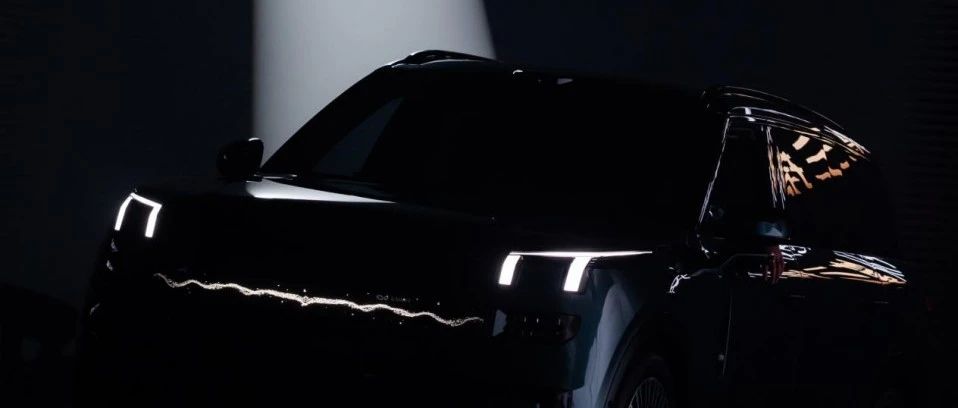
与用户共创

Search documents
2025广汽本田躁梦节:与爱车人共创无界车生活
Zhong Guo Zhi Liang Xin Wen Wang· 2025-12-24 06:15
Core Insights - The 2025 GAC Honda Zao Dream Festival emphasizes the theme of "Upholding Car Manufacturing Quality and Expanding Car Life Boundaries" with nearly 300 classic and modified vehicles showcased, creating an immersive experience for car enthusiasts [1][12] - GAC Honda has maintained its commitment to quality and user trust over its 27 years in the automotive industry, highlighting the long-term value that can withstand market fluctuations [3][12] - The festival serves as a platform for deep interaction and emotional resonance with users, reinforcing the brand's connection with younger demographics and showcasing the essence of co-creation with users [13][15] Event Highlights - The festival features a diverse range of vehicles, including classic cars, performance modifications, and unique styles, creating a vibrant atmosphere for car lovers [8] - Interactive experiences such as VR technology and driving simulators allow participants to engage with Honda's safety and connectivity features, enhancing the overall user experience [7][8] - The event includes a cultural market with food, creative products, and interactive experiences, further enriching the festival's offerings [8] Brand Philosophy - GAC Honda's commitment to quality and user-centric design is evident in its approach to car manufacturing, focusing on creating vehicles that resonate emotionally with users [15][17] - The festival is a testament to the brand's belief that the essence of car manufacturing lies in quality, driving pleasure, and respect for users, which are crucial for long-term success [17] - GAC Honda aims to continue exploring new possibilities in driving enjoyment while maintaining its dedication to quality and user trust in the face of industry changes [17]

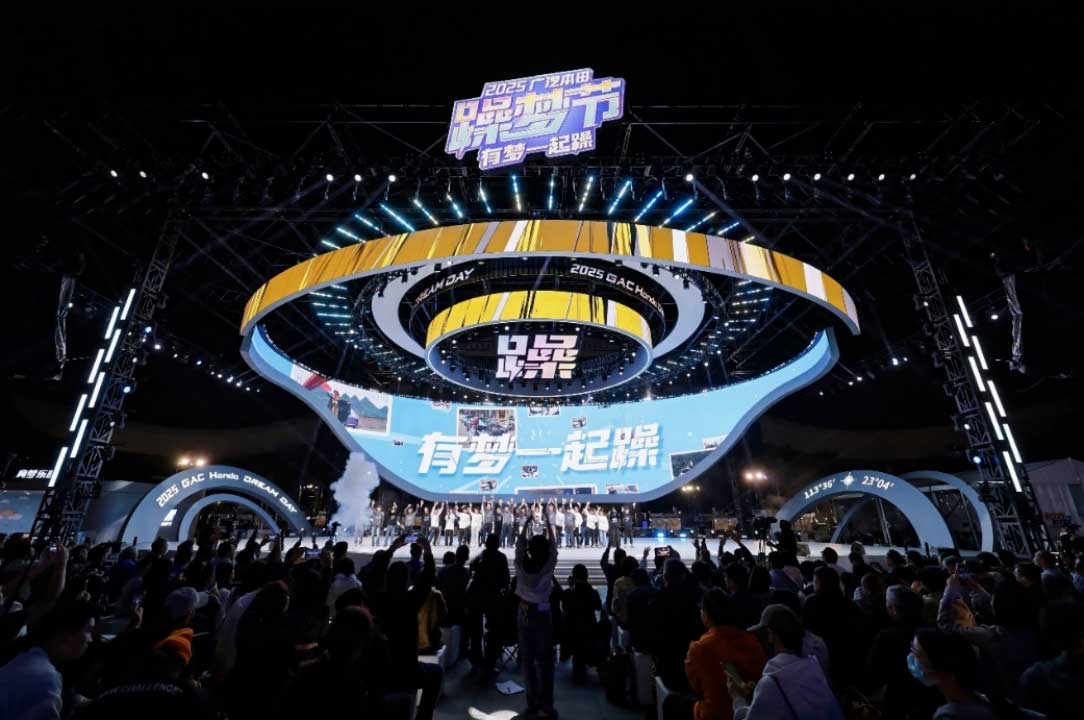
与爱车人共创无界车生活 2025广汽本田躁梦节顺利举行
Zheng Quan Ri Bao Wang· 2025-12-08 07:59
Core Insights - The 2025 GAC Honda Zao Dream Festival emphasizes the brand's commitment to car manufacturing and user engagement, showcasing a blend of automotive culture and lifestyle experiences [1][5][7] Group 1: Event Overview - The festival featured nearly 300 classic and modified vehicles, creating an immersive experience for car enthusiasts [1] - Various interactive zones were established, including the craftsmanship exhibition and driving experience areas, highlighting GAC Honda's dedication to quality and innovation [2][3] Group 2: Brand Philosophy - GAC Honda maintains its 27-year commitment to quality and user-centric values, emphasizing the emotional connection between the brand and its customers [1][5][7] - The festival serves as a platform for deep user interaction and emotional resonance, reinforcing the brand's long-term vision amidst industry challenges [5][7] Group 3: Technological Integration - The event showcased advanced technologies such as the Honda SENSING360 safety system and HondaCONNECT 4.0, enhancing user experience and safety [3] - Participants engaged with virtual reality and driving simulators, bridging the gap between real and virtual driving experiences [3] Group 4: Community Engagement - The festival fostered a sense of community among diverse age groups, from older car owners to Gen Z enthusiasts, promoting cross-generational connections [7] - GAC Honda's focus on user co-creation and emotional engagement is seen as a key strategy for building lasting brand loyalty [5][7]
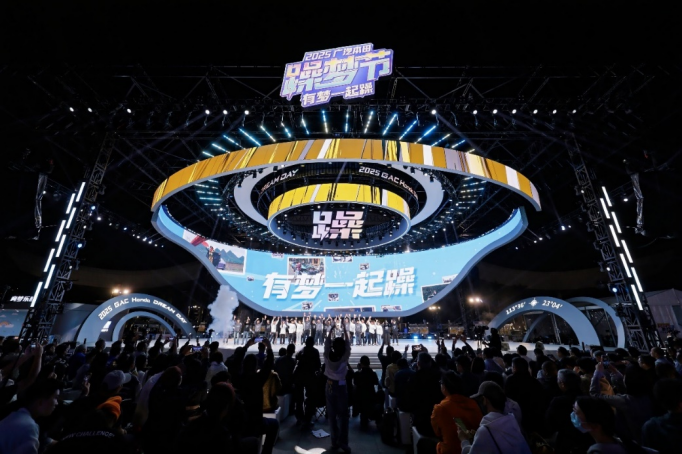
2025广汽本田躁梦节:与用户共创、巩固年轻圈层连接
Bei Jing Shang Bao· 2025-12-08 03:02
Core Insights - The 2025 GAC Honda Zao Meng Festival emphasizes the theme "Upholding Car Manufacturing Quality, Expanding Car Life Boundaries" and features nearly 300 classic and modified vehicles, creating an immersive co-creation event for car enthusiasts [1] - The GAC Honda P7 exclusive workshop showcased the vehicle's original body structure and advanced compatibility design, which won the 2024 CCB China's Top Ten Body Awards [1] - Since its inception in 2019, the Zao Meng Festival has evolved through key milestones such as user co-creation, national owner gatherings, and the announcement of electrification transformation, aiming to deepen interaction and emotional resonance with users, particularly among younger demographics [1]
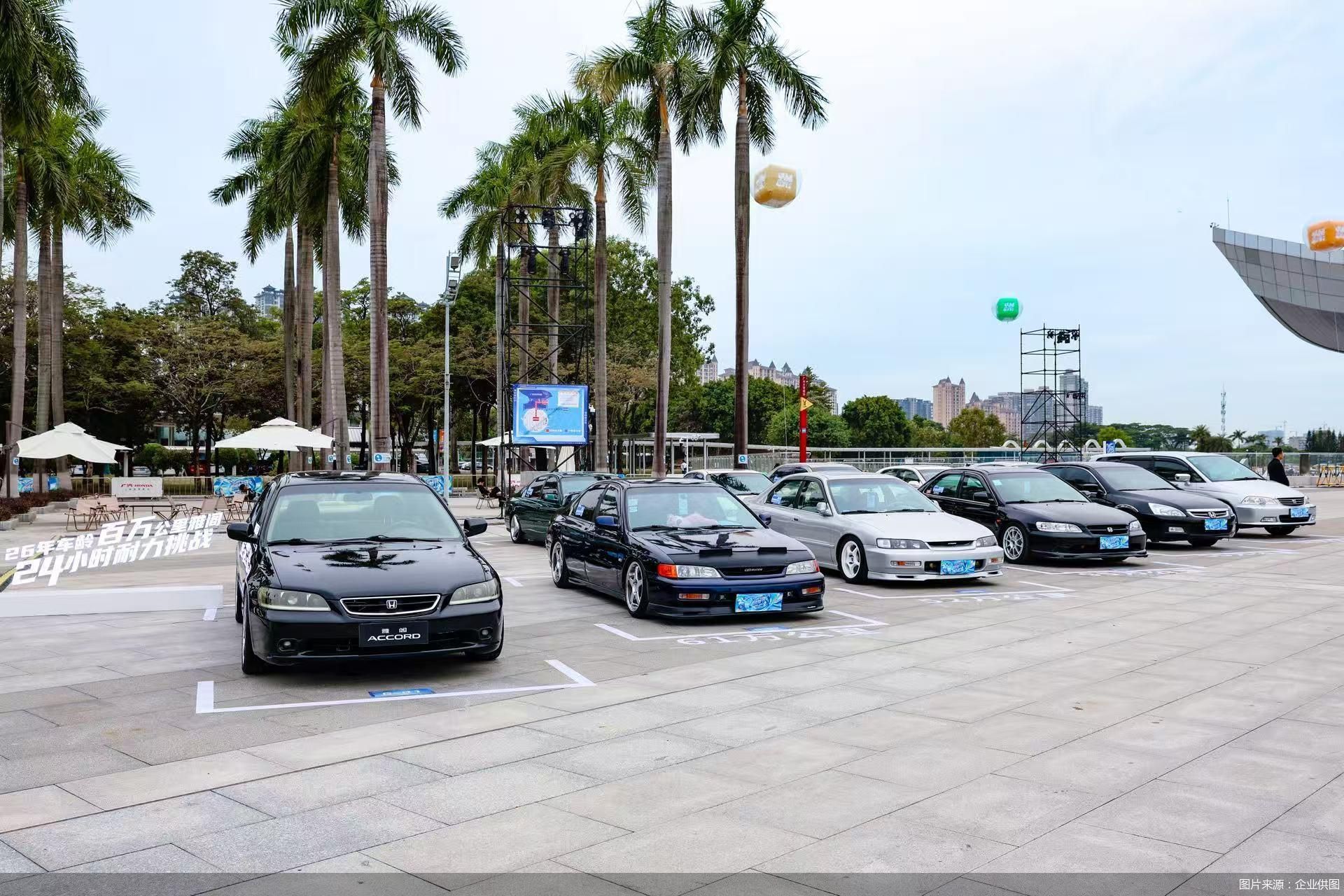
旧秩序在坍塌
汽车商业评论· 2025-05-11 15:41
Core Viewpoint - The article discusses the transformation of the Chinese automotive industry, highlighting how domestic brands like Geely are redefining market standards and challenging traditional luxury brands through innovative technology and competitive pricing [2][8][19]. Group 1: Market Dynamics - The Geely Galaxy Star 8, priced between 115,800 to 155,800 RMB, is positioned in the C-segment, competing with luxury brands like Audi A6L, which has a price range of 427,900 to 656,800 RMB, showcasing a significant price disparity [2][3]. - The sales of C-segment vehicles in 2024 are expected to be dominated by eight traditional luxury brands, with a total sales volume of 486,000 units, indicating a concentrated market [2][3]. - The article notes a shift in consumer perception, where cars are increasingly viewed as a third living space rather than just a means of transportation, particularly with the rise of electric vehicles [16][18]. Group 2: Technological Advancements - Chinese brands are not merely following the lead of joint venture brands but are establishing new standards in technology, product offerings, and pricing strategies [8][19]. - The Galaxy Star 8 includes advanced features such as a seven-layer structure design for seats, heating and cooling functions, and high-end audio systems, which were previously exclusive to luxury vehicles [9][11]. - The article emphasizes that the technological advancements and features offered by Chinese brands are often superior to those of traditional luxury brands at a fraction of the price [8][11]. Group 3: Consumer Engagement - The development of the Geely Galaxy Star 8 involved extensive communication with users to ensure the vehicle met their needs, illustrating a shift towards user-driven product development [24][25]. - The article highlights the importance of understanding local consumer preferences, with Chinese brands adapting their designs and features to better suit domestic market demands [18][22]. - The concept of "co-creation" with users is emphasized, where feedback directly influences product design and features, leading to a more tailored consumer experience [24][25]. Group 4: Competitive Landscape - The emergence of large SUVs like the Lynk & Co 900, which has a price range of 289,900 to 396,900 RMB, signifies a shift in the market where previously niche segments are now being aggressively targeted by Chinese brands [13][15]. - The article notes that the rapid growth of large SUVs in China is driven by changing consumer needs and preferences, with several domestic brands now offering models exceeding 5.2 meters in length [15][16]. - The competitive landscape is evolving, with traditional luxury brands facing challenges from agile Chinese manufacturers that are quick to adapt to market trends and consumer demands [22][25].