中华文脉传承

Search documents
千里阴山 千古岩画
Xin Lang Cai Jing· 2026-02-24 20:22
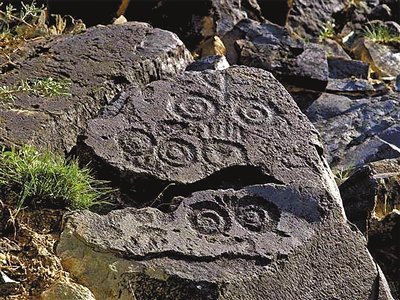
Core Viewpoint - The "Thousand Miles Yinshan · Ancient Rock Paintings" art exhibition showcases over a hundred contemporary artworks inspired by the ancient rock paintings of the Yinshan Mountains, aiming to create a dialogue between ancient and modern art while promoting cultural identity and heritage [4][9][13]. Group 1: Exhibition Overview - The exhibition is hosted by the Bayannur Municipal Government and features various art forms including Chinese painting, oil painting, printmaking, and watercolor, all rooted in the Yinshan rock paintings [4]. - It aims to enhance cultural recognition and continuity of Chinese civilization through artistic expression, showcasing the historical significance and cultural value of the Yinshan rock paintings [4][6]. Group 2: Historical and Cultural Significance - The Yinshan Mountains are recognized as a significant geographical feature in northern China, with the rock paintings being one of the most concentrated and diverse collections globally, dating back thousands of years [6][7]. - These rock paintings serve as a cultural memory of early human societies, reflecting their spiritual world and societal practices, and are considered a vital part of Chinese cultural heritage [6][8]. Group 3: Artistic Dialogue and Innovation - The exhibition creates a dynamic dialogue between ancient cultural heritage and contemporary art, allowing for reinterpretation and recontextualization of the rock paintings [9][10]. - Artists utilize various techniques to explore and express the essence of the rock paintings, moving beyond mere replication to engage in a deeper spiritual and aesthetic conversation [10][11][12]. Group 4: Cultural Continuity and Future Implications - The exhibition emphasizes that cultural heritage is not merely a relic of the past but a source of contemporary creativity and vitality, encouraging artists to draw inspiration from ancient art to express modern narratives [13]. - It highlights the importance of actively continuing cultural threads, showcasing the enduring impact of human creativity and the rich tapestry of Chinese civilization [13].

文化之光 不断激发文化创新创造活力
Si Chuan Ri Bao· 2026-01-04 22:39
Group 1 - The core theme of the article highlights the significant cultural developments in Sichuan, showcasing the integration of culture and tourism, and the achievements in various cultural sectors [1][10][11] - The "Jin Xiu Tian Fu · An Yi Si Chuan" brand has gained widespread recognition, generating over 5 billion clicks online and is expected to attract over 1 billion tourists, driving consumption exceeding 1.5 trillion yuan [11][12] - The animated film "Ne Zha: The Devil Child Comes to the World" has set a global box office record of over 15.9 billion yuan, ranking fifth in global film history, marking a milestone for Chinese cinema [4][14] Group 2 - The Sichuan Provincial Regulations on the Protection and Utilization of Ancient Books were passed, marking a significant step in the legal protection of ancient texts, with approximately 230,000 Han Chinese ancient books and 500,000 ethnic ancient books identified [3][29] - The archaeological discovery of the Mengxi River site has filled a critical gap in the study of modern human evolution in East Asia, providing essential evidence for the cultural development of early humans in southern China [2][24] - The second Golden Panda Award attracted entries from 126 countries, with over 70% of submissions from foreign works, emphasizing international cultural exchange and collaboration [7][18] Group 3 - The Sichuan City Football League ("Chuan Chao") has engaged 21 teams across four regions, with 90 matches igniting public enthusiasm and generating over 5.6 billion yuan in consumption [5][19] - Sichuan has seen a historic increase in the number of national civilized cities, with 13 new additions, bringing the total to 26, and leading the nation in the number of civilized units and families [6][20] - The 14th China Arts Festival in Sichuan featured over 50,000 cultural performances, showcasing the province's vibrant cultural scene and its ability to produce significant artistic works [21][23]
(校馆弦歌)北京大学赛克勒考古与艺术博物馆:文明的守望与传承
Zhong Guo Xin Wen Wang· 2025-10-07 12:30
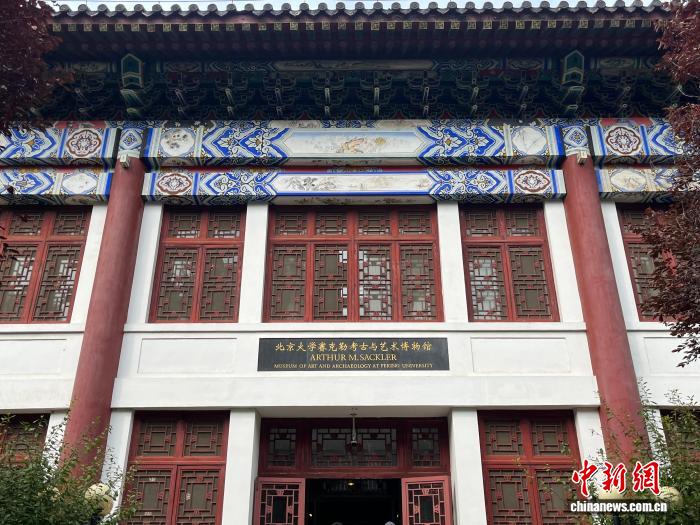
Core Insights - The Peking University Sackler Museum of Archaeology and Art serves as a modern museum and a specialized archaeological museum, showcasing over 13,000 artifacts that reflect the history of archaeology at Peking University since its establishment in 1993 [1][2] Group 1: Historical Development - The Archaeology Research Office was established at Peking University in 1922, marking the beginning of modern archaeology in China, with Ma Heng as its first director [1][2] - In 1952, Peking University established the first archaeology program in Chinese higher education, which later developed the "Peking Model" of field archaeology training [2][3] Group 2: Academic Contributions - The Archaeology Department has expanded its academic fields to include religious archaeology, ceramic archaeology, and environmental archaeology, contributing to significant research on the origins of modern humans and the early development of Chinese civilization [2][3] - Notable archaeologists associated with Peking University include Ma Heng, Xiang Da, and Su Bingqi, who have collectively contributed to the field over the past century [2] Group 3: Recent Achievements - Peking University has participated in 39 archaeological projects recognized as "Top Ten New Archaeological Discoveries" in China, with 16 projects included in the "Top 100 Archaeological Discoveries of the Century" [5] - Recent excavations, such as those at the Sanxingdui site and the Zhouyuan site, have provided critical insights into the development of Chinese civilization and urbanization during the Zhou dynasty [3][5] Group 4: Future Outlook - The Peking University Archaeology Department is committed to continuing its role in the exploration of Chinese civilization and cultural heritage preservation, as emphasized by the department head, Shen Ruiwen [5]
陕西共青团“中华文脉传三秦”主题活动启动
Shan Xi Ri Bao· 2025-10-03 23:24
Core Viewpoint - The Shaanxi Youth League has launched the "Chinese Cultural Heritage Transmission in the Three Qin Regions" theme activity plan to enhance cultural confidence among youth and promote traditional culture through various initiatives [1][3]. Group 1: Key Projects - The initiative focuses on seven key projects, including the "Chinese Cultural Heritage · Three Qin Scenery" special products, which will utilize new media platforms to promote local cultural landmarks and heritage [2]. - The "Book Fragrance Youth" traditional culture project aims to implement a reading plan for youth, recommend classic literature related to traditional culture, and create a new media column to encourage cultural absorption [2]. - The "Intangible Cultural Heritage New Vitality · Youth Craftsmen" activity will establish a talent pool for young inheritors of intangible cultural heritage and involve them in experiential learning and creative activities [2]. - The "Cultural Dream Journey" project will collaborate with social resources to conduct educational activities focused on Chinese history and revolutionary culture [2]. - The "Youth China Festival" series will explore cultural connotations of traditional festivals and engage youth in various cultural activities [2]. - The "Three Qin Cultural Youth Market" will organize exhibitions and performances related to intangible cultural heritage, promoting cultural consumption [2]. - The "Youth Cultural Excellence" collection activity will gather cultural works in various formats to stimulate creative enthusiasm among youth [2]. Group 2: Objectives and Impact - The Shaanxi Youth League aims to use this theme activity as a means to cultivate cultural identity, encouraging youth to become inheritors, innovators, and disseminators of Chinese culture [3]. - The initiative is expected to inject strong youthful energy into the cultural development of Shaanxi and contribute to the region's role as a model in Western China [3].
舞剧《永乐未央》十一假期上演
Jing Ji Guan Cha Bao· 2025-09-27 02:05
Group 1 - The core theme of the performance "Eternal Joy" is centered around the historical significance of Yongle Palace and its relocation in the 1960s, highlighting the continuity of cultural heritage over time [1] - The narrative spans over 700 years, connecting four aesthetic dimensions: ancient architecture, murals, glazed tiles, and cultural inheritance [1] - The performance integrates modern visual elements with traditional aesthetics, transforming cultural relics into a poetic physical expression, emphasizing the theme of cultural transmission [1] Group 2 - The performance will take place at the Beijing Poly Theatre from October 3 to October 5, starting at 19:30 [2] - Ticket prices for the event start at ¥280 [2]
焕新的传统服饰之美
Ren Min Ri Bao· 2025-05-31 22:02
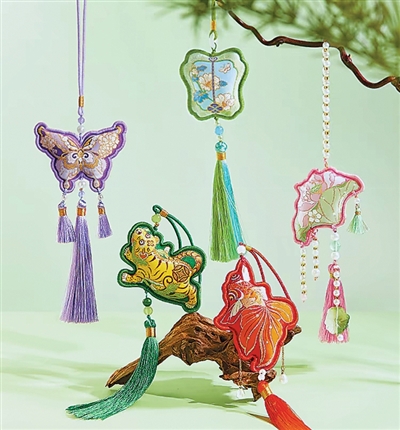
Core Points - The article highlights the resurgence of traditional Dragon Boat Festival (Duanwu) clothing and accessories, particularly the popularity of medicinal sachets featuring gourd and auspicious patterns as gifts for children [1] - The cultural significance of Duanwu has deep historical roots, dating back to the Han Dynasty, and the clothing traditions have evolved over time, incorporating various auspicious motifs [1][2] - The aesthetic value of Duanwu clothing is increasingly recognized, with modern interpretations blending traditional elements into contemporary fashion, enhancing the cultural experience [2][4] Summary by Categories Cultural Significance - Duanwu has been a national festival since the Han Dynasty, with a unique cultural system built around the traditions of blessing and warding off evil [1] - The clothing culture associated with Duanwu has a long history, with practices such as the "Five Poisons" motifs still present in children's clothing designs today [1][2] Modern Interpretations - Contemporary Duanwu clothing often features vibrant patterns and is made using techniques like embroidery, reflecting both seasonal characteristics and cultural beauty [1] - Events like "Chufu Yaji" and "Duanwu Huashang" showcase the integration of Duanwu elements into modern fashion design, emphasizing the importance of cultural heritage [2] Accessories and Innovations - Traditional accessories like the colorful longevity threads and various shaped sachets are still popular, symbolizing health and protection [1][2] - New forms of Duanwu accessories, such as modern interpretations of traditional sachets, are gaining popularity among children, making cultural practices more accessible [4]