中国+1惩罚机制

Search documents
压力山大:依赖中国,又怕被美国整……
Sou Hu Cai Jing· 2025-12-15 15:46
Group 1 - China and Southeast Asia have maintained a close trade relationship, being each other's largest trading partners for five consecutive years, with trade volume expected to approach $1 trillion in 2024 [2] - The upcoming Christmas season in the U.S. has led to increased demand for holiday gifts, putting pressure on Southeast Asian factories [2] - U.S. tariffs have triggered a chain reaction affecting various exports, including everyday gloves, popular headphones, and children's toys, leading to higher prices in U.S. stores and significant pressure on Southeast Asian manufacturers [2] Group 2 - Southeast Asian economies, particularly Malaysia, Vietnam, Laos, and Indonesia, are heavily reliant on low-cost exports and are caught in the escalating economic competition between the U.S. and China [2] - The new U.S. tariff system is viewed as a "China +1 penalty mechanism," where exporters using Chinese components face base tariffs and potential additional fees of up to 40% [2] - Despite the challenges, completely disengaging from the Chinese supply chain is difficult, as China remains a crucial supplier of raw materials and intermediate products for countries like Malaysia and Vietnam [2] Group 3 - In August, U.S. apparel imports peaked as many importers sought to reduce reliance on traditional sourcing countries facing high tariff pressures, including China, Bangladesh, and Vietnam [5] - Malaysia has signed trade agreements to maintain its market presence in the U.S. despite facing a 19% tariff on knitted sleepwear, gloves, and cotton-blend fabrics [3] - The toy industry, exemplified by Mattel's situation, highlights the complexities of supply chains in Southeast Asia, where significant portions of exports are directed to the U.S. [5] Group 4 - Southeast Asian manufacturers are beginning to shift final assembly operations to countries like Vietnam, Indonesia, and Thailand, while still relying on China for design and high-end component manufacturing [5] - The ongoing trade tensions reflect the intricate balancing act smaller nations must perform amid the larger geopolitical competition between the U.S. and China [5] - Workers in Southeast Asian factories are working overtime to ensure timely delivery of holiday gifts, indicating the continued importance of this trans-Pacific trade [5]

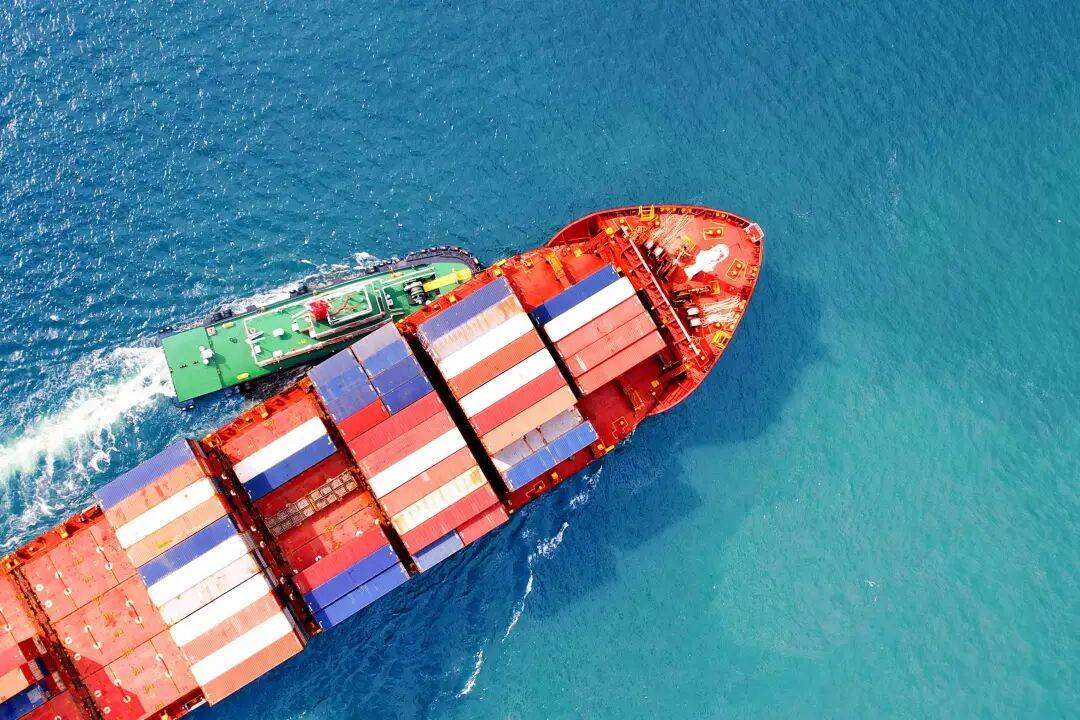
东南亚国家陷入两难困境:很依赖中国供应链,但又怕被美国加征转运附加费
Sou Hu Cai Jing· 2025-12-15 10:09
Core Viewpoint - The article discusses the impact of U.S. tariffs on Southeast Asian manufacturers as they face pressure from the upcoming Christmas shopping season, leading to supply chain disruptions and increased retail prices in the U.S. [1][2] Group 1: Tariff Impact on Southeast Asia - U.S. tariffs have affected low-cost export countries in Southeast Asia, including Malaysia, Vietnam, Laos, and Indonesia, deepening their involvement in the U.S.-China structural competition [1] - The new tariff regime has established a "China+1 penalty mechanism," where exporters relying on Chinese components face an additional 40% transshipment surcharge [2] - Manufacturers are struggling with increased production and logistics costs due to tariffs, which have disrupted delivery schedules [4] Group 2: Export Trends and Adjustments - Malaysia's exports of knitted products to the U.S. increased from $39,000 in June to $148,000 in July, reflecting a trend of manufacturers rushing to ship goods before tariff deadlines [5] - In August, U.S. apparel imports peaked at $244,000, as importers sought to reduce reliance on traditional garment hubs facing higher tariffs [5] - Malaysia's exports of electrical and electronic products to the U.S. reached nearly $24 billion, largely driven by the semiconductor industry [5] Group 3: Strategic Shifts in Manufacturing - Southeast Asian manufacturers are beginning to relocate final assembly operations to Vietnam, Indonesia, and Thailand while still depending on China for design and high-tech components [9] - Malaysia and Thailand are attracting more strategic long-term investments due to their lower exposure to new tariffs [9] - The U.S. has pressured Malaysia and Cambodia to accept "poison pill" clauses in trade agreements, which could reshape future trade negotiations in the region [9]