玩具业

Search documents
特朗普暗示违法征收的关税不退了,美财长称今年关税收入将“基本保持不变”
Hua Er Jie Jian Wen· 2026-02-20 23:09
Core Viewpoint - The Trump administration is determined to maintain tariff barriers despite a Supreme Court ruling declaring most of the tariffs imposed last year illegal, indicating that the government will not refund the estimated $170 billion in tariffs collected [1][2][3]. Group 1: Tariff Policy Changes - President Trump announced plans to sign an executive order imposing a 10% import tariff on global goods, replacing the tariffs deemed illegal by the Supreme Court [1][3]. - Treasury Secretary Mnuchin stated that the government will utilize alternative legal powers under the Trade Act of 1974 and the Trade Expansion Act of 1962 to implement new tariffs [1][2]. Group 2: Financial Implications - Mnuchin emphasized that no reduction in tariff revenue is expected, projecting that tariff income will remain "basically unchanged" by 2026 [2]. - The government’s estimated tariff revenue is closer to $130 billion, contrary to the $175 billion suggested by some economic models [2][3]. Group 3: Refund Controversy - The Supreme Court's ruling has initiated a significant dispute over potential refunds, with over 30,000 importers affected and many companies, including Costco and Lululemon, seeking to reclaim paid tariffs [3][4]. - The refund process is expected to be complex and may take weeks to months, potentially exceeding a year [5][6]. Group 4: Industry Reactions - Retailers and manufacturers are preparing for the refund process, with some companies like Lalo and Ibis Cycles expressing hope for refunds but acknowledging uncertainty regarding timing [6][7]. - The National Retail Federation has called for a streamlined refund process, highlighting the potential economic boost from tariff reductions [5][6].
招引外资实现“两突破一优化”!汕头会展业“从无到有、从有到优”
Sou Hu Cai Jing· 2026-01-10 05:32
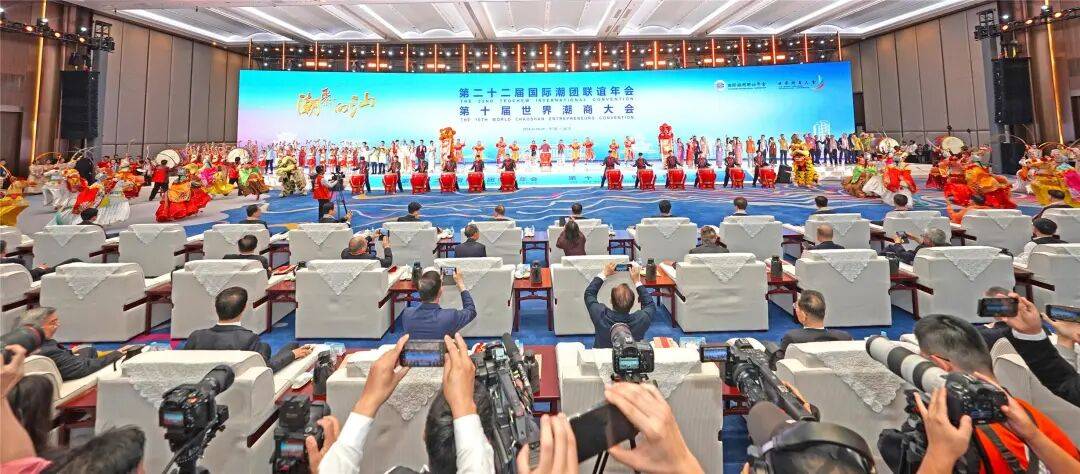
Core Insights - Shantou City has made significant progress in attracting foreign and overseas Chinese investment during the "14th Five-Year Plan" period, with a total of 285 new foreign-funded enterprises established, representing a 10.5% increase compared to the previous five-year period, and an average annual growth rate of 25.4% in actual foreign investment [1][3] Group 1: Foreign Investment Achievements - The actual foreign investment in Shantou is projected to reach 1.298 billion yuan by 2025, marking a year-on-year increase of 136.86%, placing it among the top three growth rates in the province [1] - The city has achieved "two breakthroughs and one optimization" in foreign investment, including attracting overseas Chinese investment through proactive engagement with overseas Chinese communities and enterprises [1][3] Group 2: Major Projects and Collaborations - Shantou has successfully introduced key foreign investment projects, including the SK Group's chemical project and the global electronic information industry center by Luxshare, contributing to the city's modern industrial system [3][4] - The total investment from overseas Chinese enterprises in Shantou is expected to reach 8.98 billion USD by November 2025, accounting for 80% of the city's total foreign investment [3] Group 3: Business Environment Improvements - The city has reduced restrictions on foreign investment by 12.1% and eliminated restrictions in the manufacturing sector, creating a fair and stable investment environment for foreign enterprises [4] - Shantou has organized roundtable meetings with foreign enterprises to address their concerns and ensure smooth project implementation [4] Group 4: Exhibition Industry Development - The exhibition industry has become a new engine for economic growth in Shantou, with the city focusing on developing this sector as a key driver for trade and industrial innovation [7][8] - The Shantou International Convention and Exhibition Center has expanded its exhibition area from 35,000 square meters to over 700,000 square meters by 2025, marking a 20-fold increase [8] - Shantou has successfully organized major exhibitions, including the International Textile and Apparel Expo and the International Toy and Gift Expo, enhancing the city's industrial competitiveness [8][9]

特朗普亲手埋葬“美印同盟”?50%关税背后,印度挑战中国梦碎
Sou Hu Cai Jing· 2025-12-27 07:44
Group 1 - The relationship between the US and India has deteriorated significantly, particularly after Trump's imposition of a 50% punitive tariff on India, leading to a collapse of the so-called "strategic mutual trust" [1][5] - India's manufacturing sector is facing a major crisis, with foreign capital withdrawing en masse, raising questions about India's importance in Trump's view [3][7] - Trump's policies have been described as "hysterical," treating India similarly to hostile trade nations, which has caused significant concern among multinational companies considering relocating production to India [5][7] Group 2 - China's manufacturing sector continues to demonstrate resilience, maintaining a $11 billion toy export to the US, attributed to its technological integration, supply chain flexibility, and economies of scale [9] - The ongoing trade environment has highlighted the gap between China and India, with India increasingly reliant on Chinese technology and knowledge despite its push for self-reliance [9] - The situation indicates that globalization's principles will not be altered by political maneuvers, with China poised to remain a cornerstone of the global manufacturing chain [9]

东南亚不想给中国做踏板?美国关税威胁下,中国制造业咋破局
Sou Hu Cai Jing· 2025-12-18 04:42
Core Insights - The article discusses the changing trade dynamics between Southeast Asia and the U.S. amid escalating U.S.-China tensions, highlighting how Southeast Asia has become a crucial assembly hub for Chinese products to enter the U.S. market [1][3] - The introduction of new tariffs by the U.S. has disrupted this model, leading to increased costs and uncertainty for Southeast Asian and Mexican manufacturers [4][8] Group 1: Trade Dynamics - Southeast Asia has benefited economically from the assembly of products using Chinese components, allowing them to label goods as locally made for entry into the U.S. market [3] - The U.S. has shifted its focus from just the assembly location to the origin of core components, imposing tariffs on products with Chinese parts even if assembled in Southeast Asia [4][6] Group 2: Impact of New Tariffs - New U.S. tariff legislation could impose tariffs as high as 50% on over 1,400 products from non-free trade agreement Asian countries, primarily targeting Chinese goods [8] - Mexico's automotive industry is particularly affected, as it has seen a rise in Chinese market share, now facing significant tariffs that threaten its local industry [10] Group 3: Supply Chain Dependencies - Both Southeast Asia and Mexico are heavily reliant on Chinese supply chains, making it difficult for them to adapt to increased import costs without risking inflation and reduced manufacturing competitiveness [11] - The U.S. has implemented "poison pill" clauses that require countries to distance themselves from China to secure trade agreements, complicating the balance for Southeast Asian and Mexican economies [13] Group 4: Challenges in Industrial Upgrading - Southeast Asian countries, like Vietnam, struggle to develop advanced manufacturing capabilities, such as producing quality chips, despite years of effort [15] - Mexico's ambition to transition from a transit hub to a manufacturing base is hindered by a lack of technology and funding, making this transformation nearly impossible [15] Group 5: Importance of Core Technology - The success of companies like Huawei in developing their own technology illustrates the necessity of mastering core technologies to remain competitive in the global market [17] - The article concludes that the era of relying on assembly and labeling for profit is over, emphasizing the need for robust supply chains and core technological capabilities [18]

东南亚不想给中国做“踏板”?美国关税威胁下,中国制造业咋破局
Sou Hu Cai Jing· 2025-12-17 11:20
Core Insights - The article discusses the changing trade dynamics between Southeast Asia, Mexico, and the U.S. amid the U.S.-China trade tensions, highlighting how these regions have previously benefited from a "labeling" strategy to access the U.S. market [1][3][18] Group 1: Trade Dynamics - Southeast Asia and Mexico have acted as intermediaries for Chinese goods, allowing products to be labeled as locally made to avoid tariffs [1][4] - The "China Plus One" strategy has led multinational companies to shift assembly lines from China to Southeast Asia, impacting local economies [4][8] - New U.S. tariff regulations are targeting the supply chain origins, meaning that products with core components from China face higher tariffs, disrupting the previous trade model [6][10] Group 2: Economic Impact - Southeast Asian countries like Malaysia have seen a surge in exports as companies rush to sell products before new tariffs take effect, indicating a panic response to changing regulations [8][12] - Mexico's automotive industry is particularly vulnerable, facing increased tariffs on Chinese vehicles, which could harm local manufacturing and economic stability [10][12] - Both regions are caught in a dilemma of needing Chinese supply chains while trying to appease U.S. trade demands, leading to potential long-term economic consequences [12][14] Group 3: Future Outlook - The article suggests that the era of easy profits from "labeling" is over, and true competitiveness will rely on core technologies and complete supply chains [16][18] - Countries like Vietnam and Mexico are struggling to upgrade their industries due to a lack of technology and capital, making it difficult to transition from assembly to manufacturing [16][18] - The need for countries to rethink their strategies in light of U.S.-China tensions is emphasized, as reliance on Chinese supply chains may become a liability [12][18]
压力山大:依赖中国,又怕被美国整……
Sou Hu Cai Jing· 2025-12-15 15:46
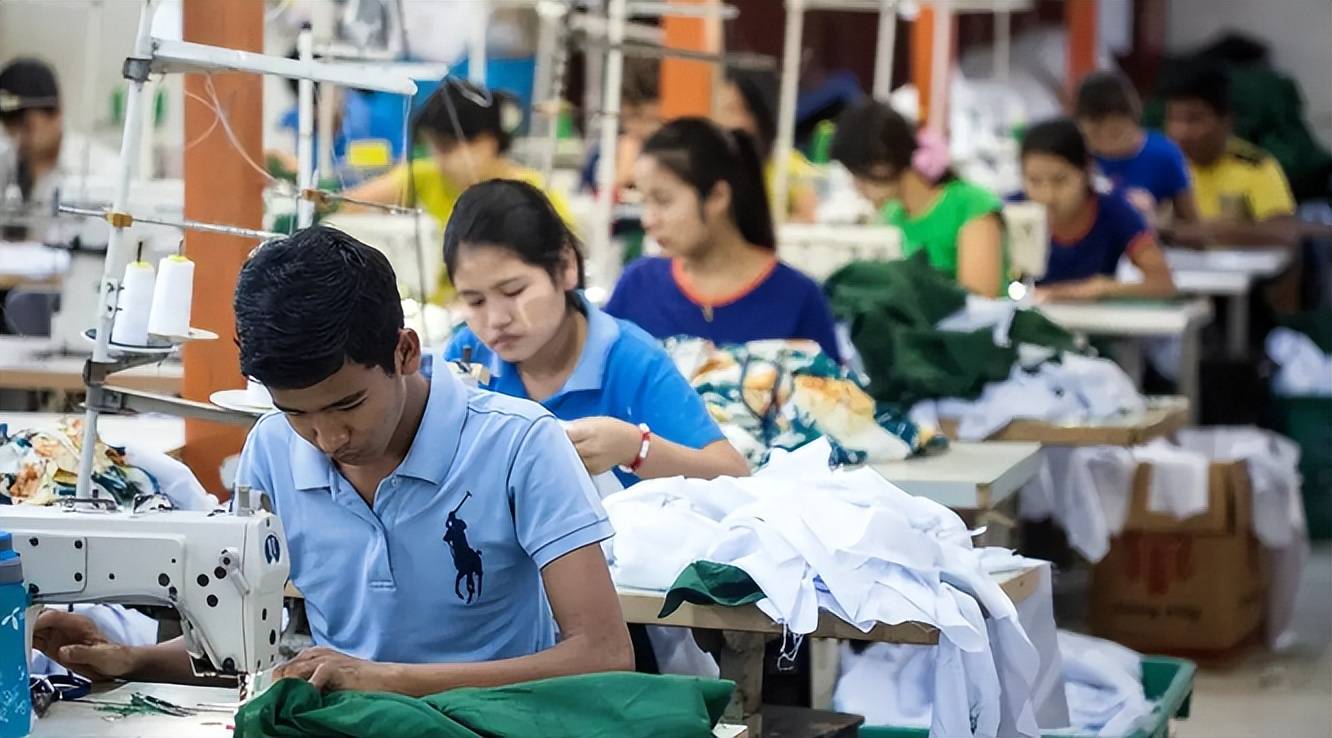
Group 1 - China and Southeast Asia have maintained a close trade relationship, being each other's largest trading partners for five consecutive years, with trade volume expected to approach $1 trillion in 2024 [2] - The upcoming Christmas season in the U.S. has led to increased demand for holiday gifts, putting pressure on Southeast Asian factories [2] - U.S. tariffs have triggered a chain reaction affecting various exports, including everyday gloves, popular headphones, and children's toys, leading to higher prices in U.S. stores and significant pressure on Southeast Asian manufacturers [2] Group 2 - Southeast Asian economies, particularly Malaysia, Vietnam, Laos, and Indonesia, are heavily reliant on low-cost exports and are caught in the escalating economic competition between the U.S. and China [2] - The new U.S. tariff system is viewed as a "China +1 penalty mechanism," where exporters using Chinese components face base tariffs and potential additional fees of up to 40% [2] - Despite the challenges, completely disengaging from the Chinese supply chain is difficult, as China remains a crucial supplier of raw materials and intermediate products for countries like Malaysia and Vietnam [2] Group 3 - In August, U.S. apparel imports peaked as many importers sought to reduce reliance on traditional sourcing countries facing high tariff pressures, including China, Bangladesh, and Vietnam [5] - Malaysia has signed trade agreements to maintain its market presence in the U.S. despite facing a 19% tariff on knitted sleepwear, gloves, and cotton-blend fabrics [3] - The toy industry, exemplified by Mattel's situation, highlights the complexities of supply chains in Southeast Asia, where significant portions of exports are directed to the U.S. [5] Group 4 - Southeast Asian manufacturers are beginning to shift final assembly operations to countries like Vietnam, Indonesia, and Thailand, while still relying on China for design and high-end component manufacturing [5] - The ongoing trade tensions reflect the intricate balancing act smaller nations must perform amid the larger geopolitical competition between the U.S. and China [5] - Workers in Southeast Asian factories are working overtime to ensure timely delivery of holiday gifts, indicating the continued importance of this trans-Pacific trade [5]

每日机构分析:11月27日
Xin Hua Cai Jing· 2025-11-27 13:44
Group 1: Economic Policies and Predictions - The Australian National Bank states that the easing cycle of the Reserve Bank of Australia has ended, with potential interest rate hikes considered in the first half of 2026 due to nearing capacity constraints in the economy [1] - Fitch Ratings warns that Japan's new economic stimulus plan, which accounts for 3.4% of GDP, may threaten its A/stable sovereign credit rating due to high debt levels and structural risks [1] - Analysts from the Commonwealth Bank of Australia suggest that political factors may delay the Bank of Japan's interest rate hike until January 2026, rather than December [1] Group 2: Market Reactions and Trends - Spectra Markets indicates that if Kevin Hassett, a proponent of rate cuts, becomes the next Federal Reserve Chair, it would negatively impact the US dollar, as market expectations for rate cuts continue to rise [2] - The Swedish National Debt Office has significantly revised its fiscal deficit expectations for 2025-2027, leading to a 33% increase in government bond issuance in 2026 [3] - The UK’s autumn budget has stabilized the bond market, with a slight decrease in five-year sovereign credit default swap (CDS) spreads, indicating a temporary easing in market concerns over default risk [3] Group 3: Consumer Sentiment and Retail Outlook - GfK and NIM's survey shows a slight recovery in Germany's consumer climate index, but overall retail sales growth is expected to be modest at 1.4% year-on-year during the holiday season [2] - Analysts warn that if Sweden's nominal GDP growth falls below 2%, the debt-to-GDP ratio may approach the 45% warning line within three years, indicating limited fiscal space [2] Group 4: AI Hardware Market Trends - Macquarie Research predicts that 2026 will mark a significant increase in demand for consumer-grade AI hardware, driven by companies like Apple, Google, and Xiaomi integrating hardware and AI software [3]
美联储降息,对中国外贸出口企业影响几何?
Sou Hu Cai Jing· 2025-09-25 09:24
Core Viewpoint - The Federal Reserve's decision to lower the federal funds rate by 25 basis points to a target range of 4.00%-4.25% reflects a response to economic slowdown and political pressure, presenting both challenges and opportunities for Chinese export enterprises and cross-border e-commerce [1]. Direct Impact: Exchange Rate Fluctuations and Cost Restructuring - The depreciation of the US dollar typically leads to the appreciation of the RMB, impacting the competitiveness of export prices. For instance, the USD/RMB exchange rate fell from 7.3 to around 7.1, potentially causing a profit decline of 0.5%-1% for the textile industry with every 1% appreciation of the RMB [7][8]. - The appreciation of the RMB reduces import costs for raw materials and consumer goods, allowing cross-border e-commerce companies to optimize procurement strategies, particularly in categories like 3C electronics and beauty products [8]. - Increased exchange rate volatility raises the risk of foreign exchange losses for enterprises, with some exporters experiencing losses exceeding 5% of net profit in a single quarter due to unhedged positions [9]. Indirect Impact: Capital Flows and Market Segmentation - The Fed's rate cut encourages capital flow to emerging markets, reducing financing costs for Chinese export enterprises. For example, the dollar loan interest rate decreased from 5% to 4%, alleviating financial pressure [10]. - While US consumer spending may be stimulated by lower rates, high inflation could weaken actual purchasing power, leading to mixed demand for Chinese exports, with some categories like home appliances and clothing seeing moderate growth [12]. Long-term Trends: Industrial Upgrading and Restructuring - Traditional export sectors face pressure to upgrade due to RMB appreciation and rising labor costs, prompting a shift of low-end production to Southeast Asia. Companies are encouraged to innovate and build brands to enhance value [15]. - High-tech products and flexible supply chains are becoming central to cross-border e-commerce, with high-tech exports projected to account for 35% of total exports by 2024 [16]. - Diversification into regional markets through agreements like RCEP is essential for reducing reliance on the US market, with exports to ASEAN expected to rise to 16% by 2024 [17]. Corporate Response Strategies: From Passive Adaptation to Active Transformation - Traditional export enterprises should implement dynamic hedging strategies, diversify settlement currencies, and enhance product and market upgrades through increased R&D and brand development [18][20]. - Cross-border e-commerce companies are advised to optimize supply chains through localized procurement and flexible production, while also adjusting operational strategies to reduce dependency on third-party platforms [22][24]. Conclusion - The Fed's rate cut may intensify short-term risks for Chinese export enterprises and cross-border e-commerce, but it also compels a shift towards high-tech and high-value-added operations, necessitating a robust competitive framework for sustainable growth [29].
第三季香港出口信心指数回升 香港贸发局上调今年出口增长预测
智通财经网· 2025-09-04 07:57
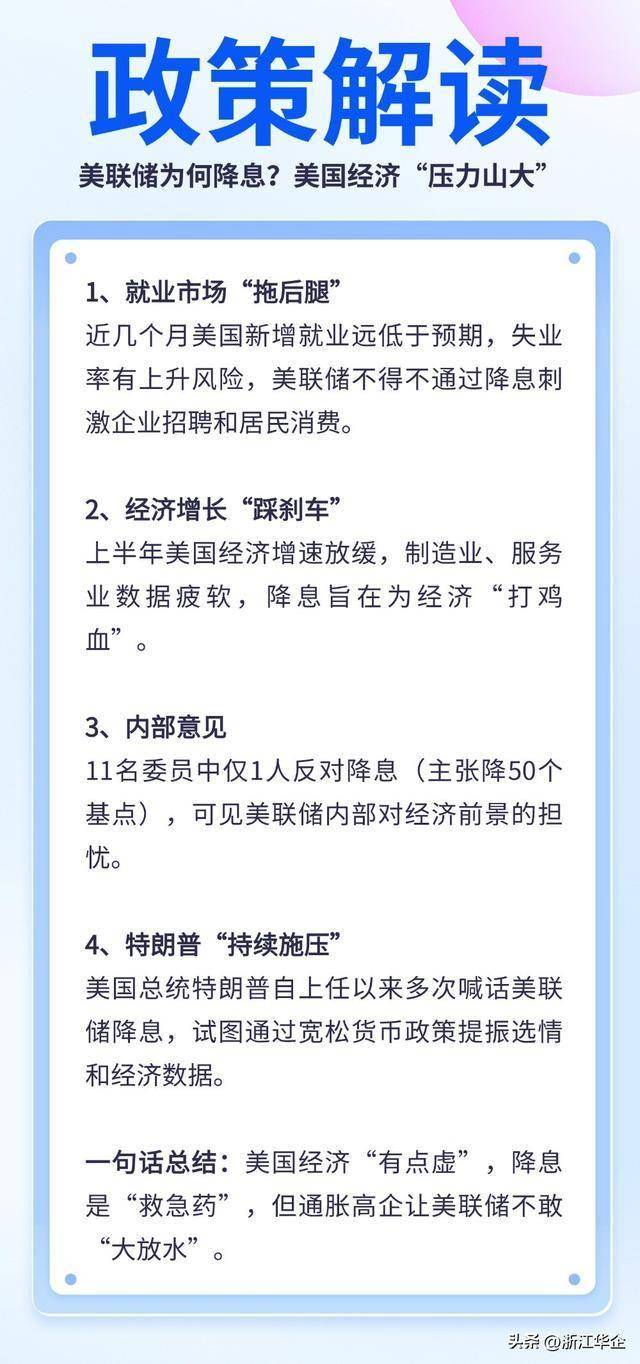
Group 1 - The Hong Kong Trade Development Council (HKTDC) reported an increase in the export confidence index for Q3 2025, with the current index rising from 49.6 to 53.3 and the expected index increasing from 49.0 to 54.3, marking new highs since the index's upgrade in Q1 2024 [1] - The growth in export confidence is attributed to exporters adopting an advance shipping strategy, benefiting sales and new orders, as well as an increase in trade value following U.S. tariffs [1] - Hong Kong's overall export growth forecast for 2025 has been revised upward from 3% to a range of 7-9%, driven by a year-on-year export growth of 12.7% in the first seven months of 2025 [1] Group 2 - The current market classification index indicates that Mainland China (62.4, up 9.5 points) and ASEAN (56.9, up 3.5 points) are viewed as the best-performing markets, while the EU and Japan have also shown improvement [2] - Exporters are optimistic about several markets, with expected market indices showing positive outlooks for Mainland China (60.5, up 7.9 points), ASEAN (60.5, up 0.6 points), EU (55, up 4.3 points), and Japan (54.7, up 4.1 points) [2] - The toy industry (49.4, up 6.3 points) and production equipment/materials industry (45.8, down 4.6 points) remain in contraction, while the watch (54.9, up 2.8 points), electronics (54.5, up 5.6 points), clothing (51.2, up 2.3 points), and jewelry (51.3, down 0.3 points) industries are in expansion [2][3] Group 3 - The expected indices for various industries show stable growth, with electronics (56.0, up 7.6 points), watches (53.8, up 2.3 points), clothing (51.9, up 4.6 points), and jewelry (51.5, up 1.5 points) indicating positive trends [3] - Despite challenges in the trade environment, 64% of surveyed companies still expect their net profit margins to increase or at least remain stable [3]
恒指半年检结果揭晓在即!泡泡玛特(09992)等有望“染蓝” 机构看好这些个股入港股通
智通财经网· 2025-08-20 13:36
Group 1 - The Hang Seng Index Company will announce the semi-annual review results of the Hang Seng series indices on August 22, 2025, with changes effective from September 8, 2025 [1] - Major brokerages, including UBS, Huatai Securities, and CICC, have released reports predicting adjustments to the Hang Seng Index, Hang Seng China Enterprises Index, and Hang Seng Composite Index [1][2] - CICC highlights the significant scale of passive funds tracking flagship indices, with ETF sizes for the Hang Seng Index, Hang Seng China Enterprises Index, and Hang Seng Technology Index being approximately $30.35 billion, $6.63 billion, and $26.12 billion respectively [1] Group 2 - Potential candidates for inclusion in the Hang Seng Index include Bank of Communications, Pop Mart, Yum China, XPeng Motors, Huazhu Group, JD Logistics, and Innovent Biologics [1][2] - UBS predicts that stocks likely to be included as blue-chip stocks are WuXi AppTec, Pop Mart, JD Logistics, Kingsoft, and Bank of Communications [2] - Historical data indicates that actual results of the Hang Seng Index's quarterly reviews may differ significantly from predictions based on market capitalization rankings [2] Group 3 - Companies such as Cao Cao Travel, InnoCare Pharma, and Chow Tai Fook are expected to be included in the Stock Connect list, which connects Hong Kong-listed companies with mainland investors [3] - CICC estimates that 19 stocks meet the criteria for inclusion in the Stock Connect, including Cao Cao Travel, InnoCare Pharma, and Nanshan Aluminum [3][4] - UBS forecasts potential additions to the Stock Connect list, including East Asia Bank, InnoCare Pharma-B, and Blue Moon Group [3] Group 4 - Huatai Securities also anticipates that 19 stocks may be added to the Stock Connect, including Yunzhisheng, Huiju Technology, and InnoCare Pharma-B [4] - Historical performance shows that newly included stocks in the Stock Connect tend to outperform the Hang Seng Index during the adjustment period, while stocks removed from the index face significant outflows [4]