友岸供应链

Search documents
东南亚国家陷入两难困境:很依赖中国供应链,但又怕被美国加征转运附加费
Sou Hu Cai Jing· 2025-12-15 10:09
Core Viewpoint - The article discusses the impact of U.S. tariffs on Southeast Asian manufacturers as they face pressure from the upcoming Christmas shopping season, leading to supply chain disruptions and increased retail prices in the U.S. [1][2] Group 1: Tariff Impact on Southeast Asia - U.S. tariffs have affected low-cost export countries in Southeast Asia, including Malaysia, Vietnam, Laos, and Indonesia, deepening their involvement in the U.S.-China structural competition [1] - The new tariff regime has established a "China+1 penalty mechanism," where exporters relying on Chinese components face an additional 40% transshipment surcharge [2] - Manufacturers are struggling with increased production and logistics costs due to tariffs, which have disrupted delivery schedules [4] Group 2: Export Trends and Adjustments - Malaysia's exports of knitted products to the U.S. increased from $39,000 in June to $148,000 in July, reflecting a trend of manufacturers rushing to ship goods before tariff deadlines [5] - In August, U.S. apparel imports peaked at $244,000, as importers sought to reduce reliance on traditional garment hubs facing higher tariffs [5] - Malaysia's exports of electrical and electronic products to the U.S. reached nearly $24 billion, largely driven by the semiconductor industry [5] Group 3: Strategic Shifts in Manufacturing - Southeast Asian manufacturers are beginning to relocate final assembly operations to Vietnam, Indonesia, and Thailand while still depending on China for design and high-tech components [9] - Malaysia and Thailand are attracting more strategic long-term investments due to their lower exposure to new tariffs [9] - The U.S. has pressured Malaysia and Cambodia to accept "poison pill" clauses in trade agreements, which could reshape future trade negotiations in the region [9]


中美非洲关键矿产对决!美国78亿抢占先机,反超中国成为第一
Sou Hu Cai Jing· 2025-12-11 10:23
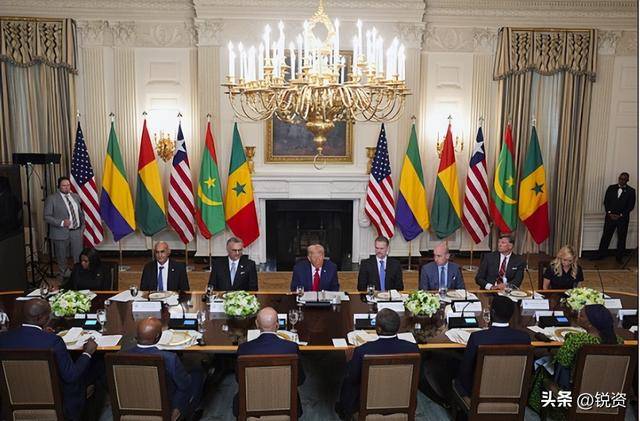
Group 1 - The core point of the article highlights the shift in investment dynamics in Africa, with the U.S. surpassing China in direct investment for the first time since 2012, amounting to $7.8 billion compared to China's $4 billion, indicating a strategic reconfiguration in resource control and supply chains [3][27]. - The U.S. is focusing its investments on critical minerals such as lithium, cobalt, and rare earths, as well as local refining and processing facilities, aiming to gain control over the entire supply chain rather than just mining rights [7][14]. - The U.S. is leveraging the International Development Finance Corporation (DFC) to counter China's influence in Africa, employing a targeted investment strategy that emphasizes key mining and refining projects [10][12]. Group 2 - China's investment strategy in Africa has historically involved a comprehensive approach, securing mining rights, building infrastructure, and processing minerals, which has created a robust supply chain that is not easily replaceable [5][19]. - The competitive landscape is changing, with increased participation from Western countries and emerging economies, leading to a more challenging environment for Chinese investments [21][23]. - African nations are shifting their approach to resource management, seeking joint ventures and local equity participation, which enhances their bargaining power and aims to retain more value from their resources [25][27]. Group 3 - The competition between the U.S. and China in Africa is evolving from infrastructure investment to a focus on sustainable industrial upgrade solutions and regulatory frameworks [29][30]. - The article suggests that the future of this competition will be intense, with both countries needing to adapt their strategies to maintain influence in the critical minerals sector [32].