
中国年俗文化

Search documents
外国友人赶年集感受浓浓中国年
Xin Lang Cai Jing· 2026-02-27 16:26
Core Viewpoint - The news highlights the vibrant atmosphere of the traditional New Year market in Zouping City, where foreign visitors engage in cultural experiences, showcasing the integration of international elements into local customs [3]. Group 1: Cultural Engagement - Foreign visitors are actively participating in traditional activities such as drum performances and local opera, enhancing their understanding of Chinese culture [1]. - The experience of making Chinese knots, guided by a representative inheritor of intangible cultural heritage, is particularly popular among foreign attendees [1]. Group 2: Artistic Expression - In the intangible cultural heritage interaction area, foreign friends are trying their hand at calligraphy, writing Spring Festival couplets and painting New Year pictures, reflecting their sincere engagement with Chinese traditions [2]. - Local calligraphy enthusiasts are involved in community outreach, providing New Year blessings to the public, which fosters a sense of cultural connection [2]. Group 3: Local Economy and Community - The market features a variety of local specialties, such as crispy fried dough twists, showcasing the thriving local economy and the joy of community life [2]. - The presence of foreign visitors at the market contributes to a sense of happiness and cultural exchange among local residents, highlighting the inclusive nature of the event [2].
马元素年货走俏西安都城隍庙会 融合业态圈粉年轻人
Sou Hu Cai Jing· 2026-02-22 11:01
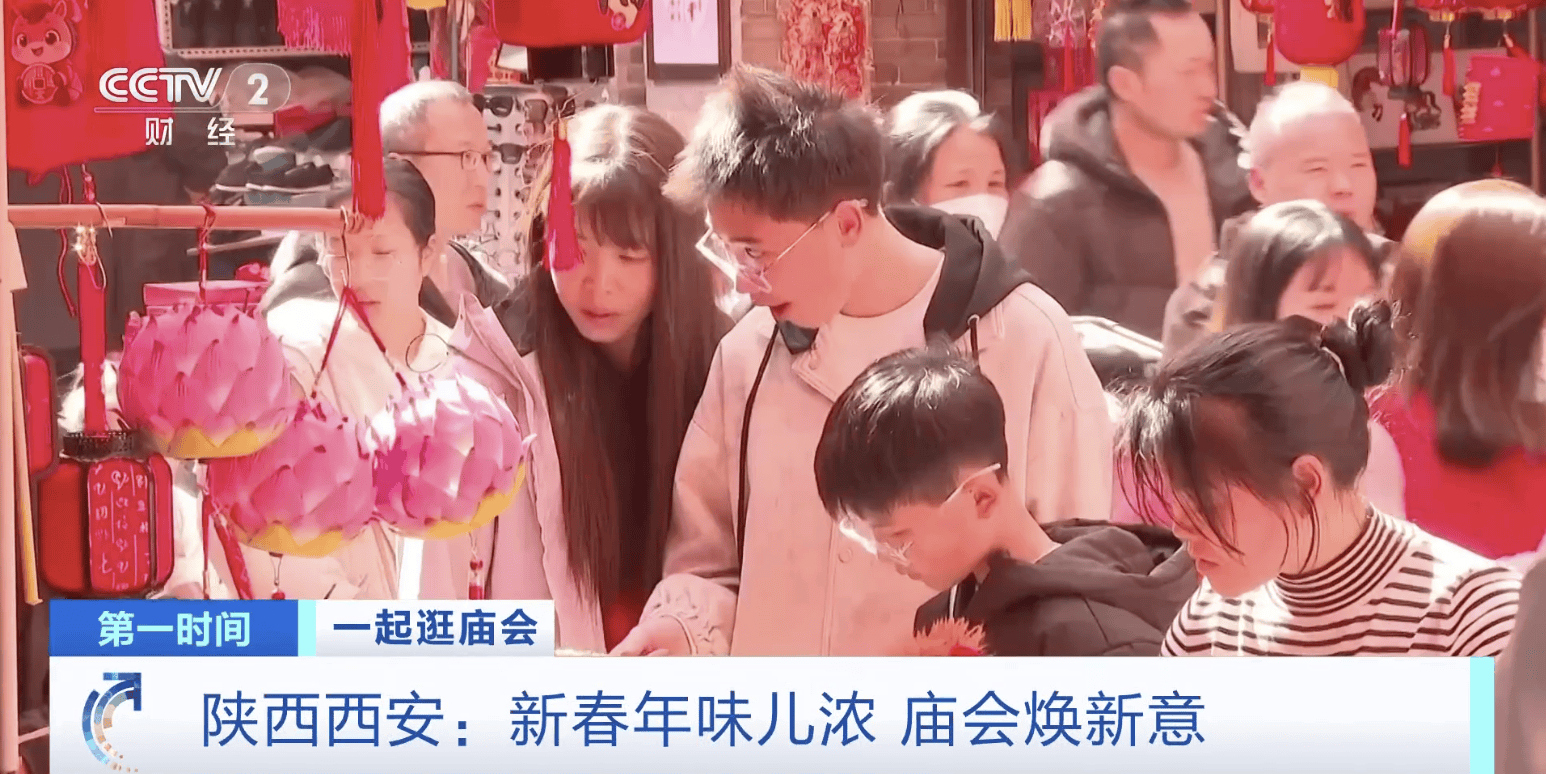
Group 1 - The core event is the opening of the historic Xian Douchenghuang Temple Fair during the Spring Festival, which combines traditional festive elements with intangible cultural heritage, attracting many citizens and tourists [1] - The market at Douchenghuang Temple features a variety of traditional New Year goods, including couplets, lanterns, and shadow puppets, with items featuring horse elements being particularly popular among vendors [3] - The fair has drawn foreign tourists, facilitated by visa-free entry policies, allowing them to experience Chinese New Year customs up close [3] Group 2 - The Xian Guoyue, known as a "living fossil of ancient Chinese music," is performing at the temple, preserving ancient scores and performance styles, which adds cultural depth to the festive atmosphere [4] - The temple fair includes themed photo spots for visitors and introduces various integrated business formats, catering to younger audiences looking for leisure activities while exploring the fair [6]

海外游客偏爱“地道年味” 大同春节入境游增速居首
Xin Lang Cai Jing· 2026-02-21 11:02
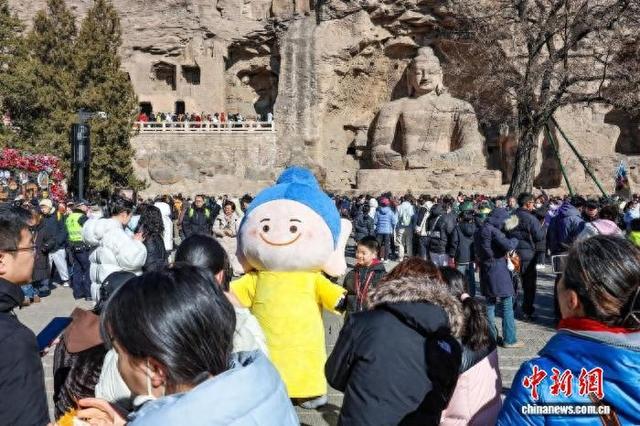
Core Insights - Datong City is leading the nation with a 735% increase in inbound tourism heat during the 2026 Spring Festival, ranking among the top ten cities in China for inbound tourism growth, making it a preferred destination for overseas visitors celebrating the New Year in China [1] Group 1: Inbound Tourism Growth - Datong's inbound tourism heat has surged by 735%, positioning it as a top destination for international travelers during the Spring Festival [1] - The trend of "coming to China for the New Year" has gained popularity, with a 20% year-on-year increase in domestic flight bookings by non-Chinese passport holders [3] Group 2: Cultural and Historical Appeal - Datong's rich cultural heritage and unique ancient city landscape have attracted international tourists, with its well-preserved historical layout being referred to as a "living history book" [3] - The city has planned over 160 New Year activities, creating a cultural feast titled "Datong Year, Different from Others," featuring vibrant events such as lantern festivals and traditional performances [3] Group 3: Infrastructure and Experience Enhancement - The opening of multiple international flight routes from Datong International Airport has facilitated easier access for tourists [3] - Cultural productions like "Dreaming Datong" and the city's reputation as an "International Food Capital" have further enriched the visitor experience [3] Group 4: Global Recognition and Social Media Influence - Cultural works such as "Black Myth: Wukong" filmed in Datong have sparked a global "pilgrimage" trend, enhancing the city's international visibility through social media shares by overseas tourists [4]
(新春走基层)走,跟着外国友人去山西办“年货”
Xin Lang Cai Jing· 2026-02-15 08:33
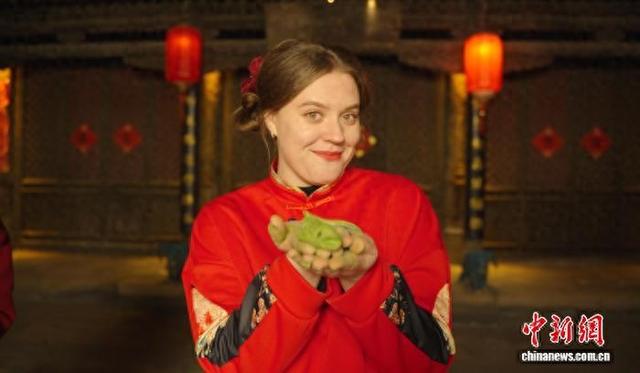
Group 1 - Foreign friends from the US, UK, Egypt, and Pakistan are experiencing traditional Chinese "New Year goods" in Shanxi, highlighting the cultural significance of these customs [1] - The event includes immersive activities such as making traditional flower buns and participating in local folk performances, showcasing the rich heritage of Shanxi [3][4] - The cultural exchange emphasizes the importance of mutual understanding and appreciation, as foreign participants engage in local traditions and crafts [4][7] Group 2 - The event features various traditional crafts, including the making of embroidered shoe insoles and fabric pillows, which have been passed down for over a thousand years [4] - Participants learn about the symbolic meanings behind traditional foods, such as flower buns representing family happiness and prosperity [4] - The gathering culminates in a communal New Year's Eve dinner, featuring local delicacies like the Datong copper hot pot, symbolizing family reunion [7]
烟火里的文明密码
Xin Lang Cai Jing· 2026-02-12 10:18
Core Viewpoint - The article discusses the cultural significance of Chinese New Year customs, emphasizing the themes of reunion and hope, and how these traditions have evolved over thousands of years [1][2][3]. Group 1: Historical Context - The formation of New Year customs is closely linked to historical evolution, with origins tracing back to ancient "sacrificial" rituals in the twelfth month, known as "腊月" [1]. - The term "腊" signifies the transition between old and new, reflecting the ancient belief in harmony between humans and nature [1]. Group 2: Cultural Practices - Various customs such as family reunions, special meals, and traditional activities like setting off fireworks are highlighted as expressions of familial bonds and hopes for the coming year [2]. - The first day of the lunar new year, known as "正月初一," is celebrated with new clothes and greetings, symbolizing renewal and joy [2]. Group 3: Culinary Traditions - Traditional foods during the New Year, such as "鼓藏肉" and "拴腿面," represent not only the importance of the festival but also the care and love for future generations [3]. - The culinary practices during the New Year serve as a means of connecting past traditions with future aspirations, emphasizing the continuity of cultural heritage [3]. Group 4: Emotional Significance - The essence of the New Year celebration is rooted in the concepts of reunion and hope, with customs serving as cultural codes that reflect deep emotional connections [3]. - The article calls for the preservation of cultural roots, ensuring that the warmth and strength of these traditions are passed down through generations [3].
总台“春晚序曲”俄罗斯专场活动在莫斯科举行
Yang Guang Wang· 2026-02-12 01:36
Group 1 - The event "Spring Festival Prelude: Global Viewing of the Spring Festival Gala" was held in Moscow on February 10, organized by China Central Radio and Television and the People's Friendship University of Russia [1] - Over 1,000 guests, including representatives from various sectors and youth from China and Russia, attended the event [1] - The event featured interactive displays of Chinese cultural traditions, including creative products, Spring Festival couplets, paper-cutting, sugar painting, and ethnic costumes, providing attendees with a new experience of Chinese cultural trends [1]