马元素年货

Search documents
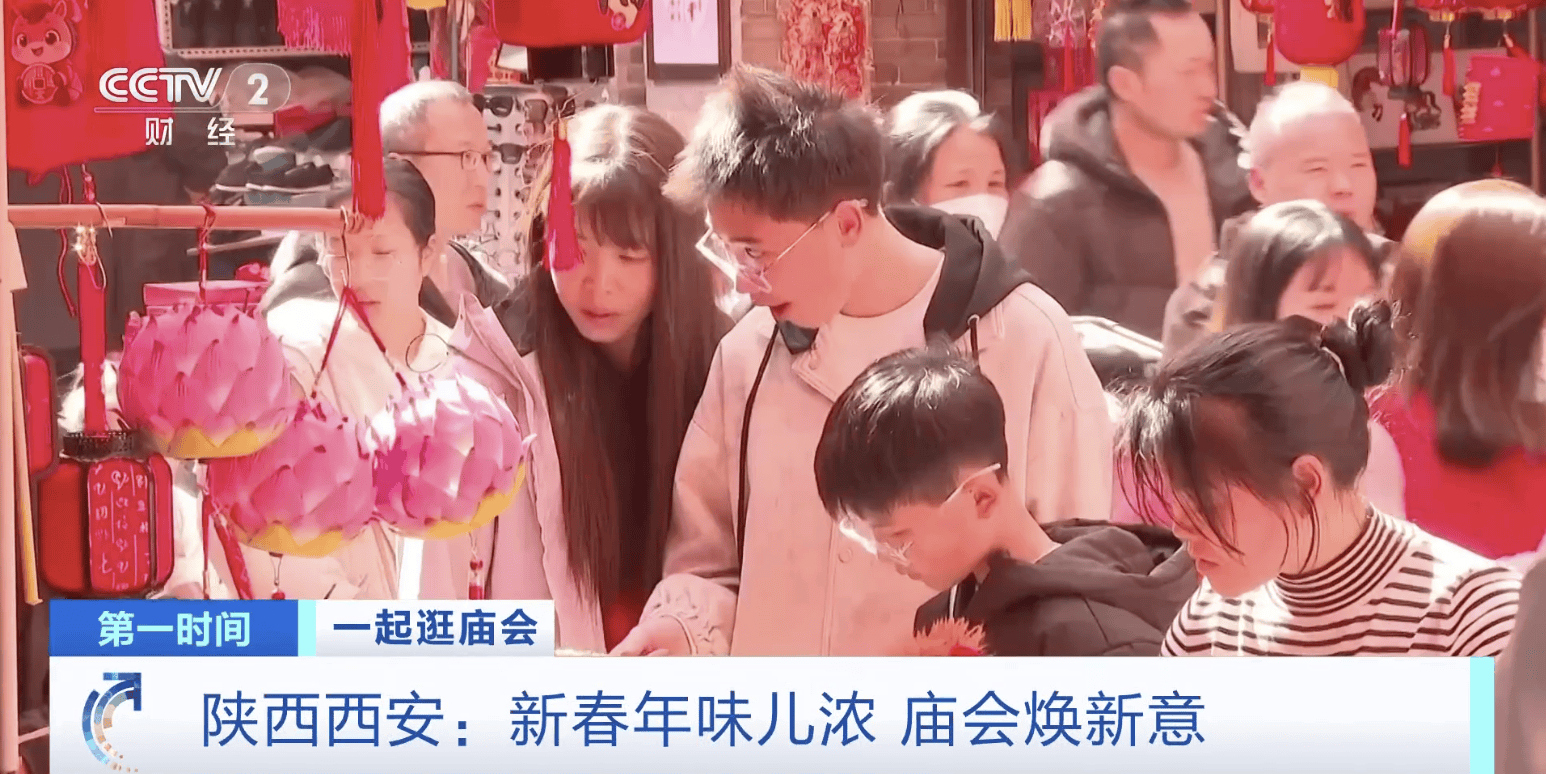
马元素年货走俏西安都城隍庙会 融合业态圈粉年轻人
Sou Hu Cai Jing· 2026-02-22 11:01
Group 1 - The core event is the opening of the historic Xian Douchenghuang Temple Fair during the Spring Festival, which combines traditional festive elements with intangible cultural heritage, attracting many citizens and tourists [1] - The market at Douchenghuang Temple features a variety of traditional New Year goods, including couplets, lanterns, and shadow puppets, with items featuring horse elements being particularly popular among vendors [3] - The fair has drawn foreign tourists, facilitated by visa-free entry policies, allowing them to experience Chinese New Year customs up close [3] Group 2 - The Xian Guoyue, known as a "living fossil of ancient Chinese music," is performing at the temple, preserving ancient scores and performance styles, which adds cultural depth to the festive atmosphere [4] - The temple fair includes themed photo spots for visitors and introduces various integrated business formats, catering to younger audiences looking for leisure activities while exploring the fair [6]

消费市场“马”味儿浓
Xin Lang Cai Jing· 2026-02-09 18:13
Group 1 - The article highlights the surge in consumer spending during the Lunar New Year, with various businesses launching promotions to attract customers [3] - A notable increase in restaurant bookings for New Year's Eve dinners has been observed, with many establishments fully booked and offering special packages [5][6] - The demand for traditional New Year foods, such as fish and rice cakes, is high, with specific products like large fish and creatively designed rice cakes gaining popularity among consumers [8] Group 2 - E-commerce platforms like JD.com have initiated their New Year sales, with products featuring horse motifs and traditional decorations seeing significant interest from consumers [9] - A survey indicates that 84.5% of consumers are inclined to purchase New Year items with horse themes, reflecting a strong cultural connection to the celebrations [9]

京东年货消费观察:AI玩具、家政服务、宠物年服跻身“新年货” ,情绪价值成为年货新要素
Sou Hu Cai Jing· 2026-02-06 01:22
Core Insights - The Chinese New Year shopping season has officially begun, with a significant increase in consumer interest and spending on traditional goods and gifts, as evidenced by a fourfold increase in related search volume on JD.com since the launch of the New Year shopping festival on January 25 [10][3]. Consumer Behavior - Consumers exhibit strong planning and high engagement in their New Year shopping, with 68.8% starting their purchasing plans more than two weeks in advance, and 82.6% creating shopping lists before buying [3][10]. - The shopping process is characterized by a clear rhythm, with 79.4% of consumers purchasing different types of goods in stages, prioritizing high-value items and gifts first [4][13]. New Year Goods Trends - New types of goods are emerging, including "good fortune" items and tech products, with 58.8% of consumers favoring good fortune decorations and 58.2% opting for trendy food items [5][18]. - The demand for pet-related products is rising, with 45.7% of consumers purchasing New Year outfits for their pets, indicating that pets are becoming part of the New Year celebrations [19][24]. Cultural Significance - The cultural significance of the New Year is reflected in consumer preferences, with 84.5% showing interest in zodiac-themed goods, particularly those related to the Year of the Horse [20][22]. - Traditional customs remain vital, with 55.3% of consumers identifying the period around the Laba Festival as the start of the New Year atmosphere, emphasizing the importance of family gatherings and rituals [7][9]. Market Dynamics - The market for household appliances is experiencing a notable transformation, particularly in rural areas, with significant sales increases for smart home devices such as robotic vacuum cleaners and multi-functional cooking appliances [6][23]. - The trend towards online shopping continues, with 65.4% of consumers preferring online channels for their New Year purchases, highlighting the importance of logistics and product authenticity [15][19].