中国美学

Search documents
她一夜复出,惊艳半个娱乐圈!网友:老祖宗审美,从不让人失望
首席商业评论· 2026-01-20 04:15
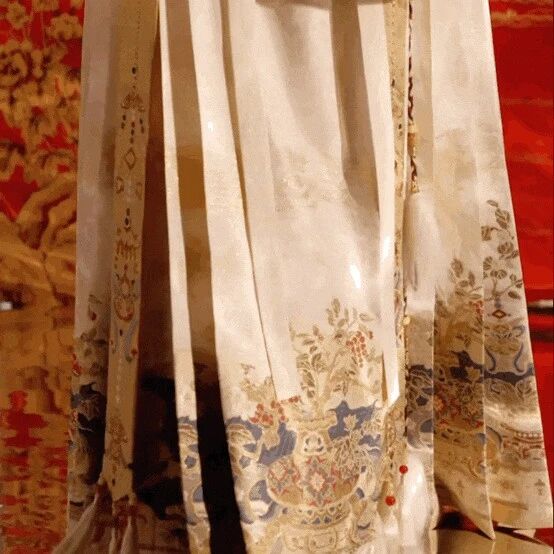
Core Viewpoint - The article discusses the resurgence of Chinese aesthetics globally, highlighting its historical significance and contemporary relevance in fashion and art [1][6]. Group 1: Historical Influence - Chinese aesthetics have influenced global fashion trends, as seen with international models wearing traditional Chinese garments [2]. - Historical figures such as King Louis XIV of France and King Augustus II of Poland showcased Chinese culture through extravagant displays and exchanges of valuable Chinese artifacts [8][10]. - The article emphasizes that Chinese aesthetics have been ahead of the world by a millennium, with notable figures like Picasso acknowledging its artistic depth [16]. Group 2: Aesthetic Philosophy - Chinese aesthetics are portrayed as a mission-driven belief system, where artists and craftsmen dedicated their lives to creating beauty despite hardships [18][21]. - The article illustrates the deep connection between art and cultural identity, emphasizing that true luxury lies in the appreciation of aesthetic heritage rather than material wealth [168]. Group 3: Recommended Literature - The article recommends "A History of Chinese Art" by Wang Xun, which has been a foundational text in art education for over 60 years [31][33]. - This book is described as a comprehensive visual history of Chinese aesthetics, featuring over 5,000 high-quality images and covering 8,000 years of artistic evolution [54][62]. Group 4: Cultural Significance - The resurgence of interest in Chinese aesthetics is linked to a broader cultural confidence and a desire to reconnect with historical roots [168]. - The article suggests that understanding Chinese aesthetics can enhance cultural appreciation and foster a sense of identity across generations [78][168].

由世界的对岸回到世界中
Xin Lang Cai Jing· 2026-01-02 17:26
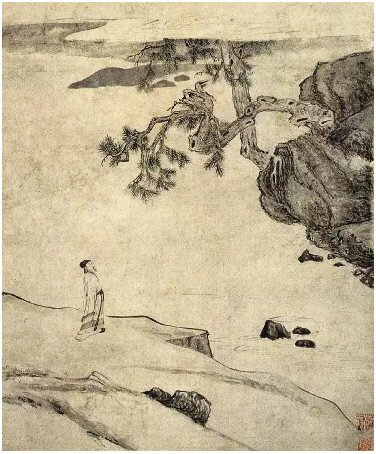
Core Viewpoint - The essence of Chinese aesthetics is deeply rooted in philosophical concepts and reflects a profound understanding of human existence, distinguishing it from Western aesthetic perspectives [3]. Group 1: Key Concepts of Chinese Aesthetics - The book "Essence of Chinese Aesthetics" by Professor Zhu Liangzhi compiles nine core concepts: beauty and ugliness, qi yun (spirit resonance), virtual and real, simplicity and complexity, space, time, subtle understanding, and transformation [3]. - Chinese aesthetics is not merely about aesthetic forms but is fundamentally intertwined with Daoist and Zen philosophical thoughts, emphasizing a deep comprehension of the state of existence [3]. Group 2: Philosophical Underpinnings - The philosophy of "shifa zaohua" (learning from nature) aims to correct the artificial flaws caused by human knowledge and emotions, promoting a harmonious relationship between humans and the world [4]. - The opposition between natural and artificial is central to Laozi's philosophy, which advocates for a return to natural rhythms and the avoidance of blind actions that disrupt these rhythms [5]. Group 3: The Four Realms of Existence - Feng Youlan's concept of the "Four Realms" includes the natural realm, the utilitarian realm, the moral realm, and the realm of heaven and earth, providing a framework for understanding human existence from different perspectives [6]. - The natural realm is viewed as a state of desire-driven existence, while the utilitarian realm focuses on self-interest, and the moral realm emphasizes altruism [6]. Group 4: Overcoming Desire and Artificial Constructs - Laozi's teachings suggest that human desires and artificial constructs lead to a disconnection from nature, advocating for a life of moderation and simplicity to achieve true harmony [7]. - The highest state of existence, as described by Laozi, is to transcend desires and live in unity with the universe, achieving a state of balance and peace [8]. Group 5: The Human Condition - The writings of Zhuangzi illustrate the struggles of human existence, emphasizing the futility of a life driven by desires and societal pressures, leading to a loss of life's meaning [9][10]. - Zhuangzi argues for a return to a natural state of being, where individuals can find true freedom and connection with the world, rather than being enslaved by artificial constructs [10].
她一夜复出,惊艳半个娱乐圈!网友:老祖宗审美,从不让人失望
首席商业评论· 2025-12-31 04:14
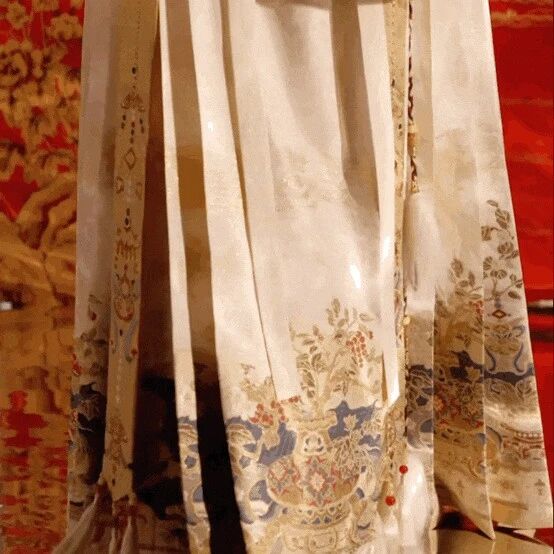
Core Viewpoint - The article discusses the resurgence of Chinese aesthetics and its global influence, highlighting the historical appreciation of Chinese culture and art, and promoting a comprehensive book on Chinese art history as a means to understand this rich heritage [1][6][16]. Group 1: Historical Influence - International models wearing traditional Chinese garments have gained global attention, showcasing the appeal of Chinese aesthetics [2]. - Historical figures such as King Louis XIV of France and King Augustus II of Poland demonstrated a fascination with Chinese culture, exchanging significant resources for Chinese artifacts [8][10]. - The article emphasizes that Chinese aesthetics have been ahead of the world by a millennium, with notable figures like Picasso acknowledging the artistic mastery of ancient Chinese civilization [16]. Group 2: Aesthetic Philosophy - Chinese aesthetics is portrayed as a mission-driven belief system, where artists and craftsmen dedicated their lives to creating beauty, often in the face of hardship [18][21]. - The article illustrates the deep connection between art and cultural identity, suggesting that understanding Chinese aesthetics is essential for appreciating its historical and cultural significance [26][39]. Group 3: Recommended Literature - The article promotes "A History of Chinese Art" by Wang Xun, a foundational text in Chinese art history that has been used in top art institutions for over 60 years [31][33]. - The book is described as a comprehensive resource, covering 8000 years of aesthetic evolution with over 5000 color images, making it a valuable asset for art lovers and historians alike [54][62]. Group 4: Cultural Significance - The text highlights the importance of understanding Chinese aesthetics not just as art, but as a reflection of cultural values and identity, encouraging readers to engage with this heritage [78][168]. - The book is positioned as a tool for cultural enlightenment, fostering appreciation for the depth and beauty of Chinese art across generations [85][168].
她一夜复出,惊艳半个娱乐圈!网友:老祖宗审美,从不让人失望
首席商业评论· 2025-12-25 04:18
Core Viewpoint - The article discusses the resurgence of Chinese aesthetics globally, highlighting its historical significance and contemporary relevance in fashion and art [1][6]. Group 1: Historical Influence - Chinese aesthetics have influenced global fashion trends, as seen with international models wearing traditional Chinese garments [2]. - Historical figures like King Louis XIV of France and King Augustus II of Poland showcased Chinese culture through extravagant displays and exchanges of valuable Chinese artifacts [8][10]. - The article emphasizes that Chinese aesthetics have been ahead of the world by a millennium, with notable figures like Picasso acknowledging its artistic depth [16]. Group 2: Aesthetic Philosophy - Chinese aesthetics is portrayed as a mission-driven belief system, where artists and craftsmen dedicated their lives to creating beauty despite hardships [18][21]. - The article illustrates the deep connection between art and cultural identity, emphasizing that true beauty transcends mere visual appeal [19][24]. Group 3: Recommended Literature - The article recommends "A History of Chinese Art" by Wang Xun, a foundational text in Chinese art history that has been used in top art institutions for over 60 years [31][33]. - The book is described as a comprehensive visual history of 8000 years of Chinese aesthetics, featuring over 5000 color images and detailed analysis of various art forms [54][62]. Group 4: Cultural Significance - The resurgence of interest in Chinese aesthetics is linked to a broader cultural confidence and a desire to understand the depth of Chinese artistic heritage [26][168]. - The article suggests that engaging with Chinese aesthetics can foster cultural pride and a deeper appreciation for historical art forms [168].
美学大家朱良志解码华夏美学,《中国美学要义》出版
Xin Lang Cai Jing· 2025-12-22 04:57
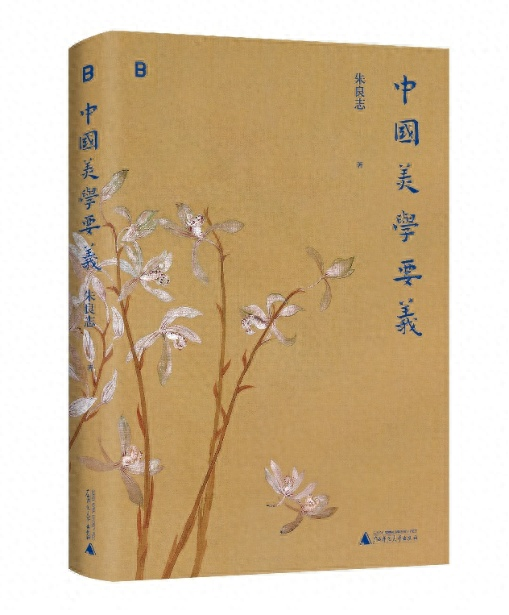
Core Viewpoint - The publication of "Essence of Chinese Aesthetics" by Zhu Liangzhi aims to enrich modern minds with the wisdom of traditional Chinese art and philosophy, helping readers draw strength from ancient wisdom to rebuild inner order and stability in a chaotic world [4] Group 1: Book Overview - "Essence of Chinese Aesthetics" is a significant work that encapsulates Zhu Liangzhi's lifelong thoughts and teachings, published by Guangxi Normal University Press and Beijing Beibeite [1] - The book achieved remarkable success during its online launch, selling over 15 million copies in one hour and generating a GMV of 200,000 in the philosophy book category [1] - This book serves as a special commemoration of Zhu's 70th birthday and distills the essence of his popular course at Peking University on aesthetics [3] Group 2: Philosophical Insights - Zhu Liangzhi posits that Chinese aesthetics fundamentally represents "the study of transcending life" and "the study of settling life," emphasizing the appreciation of imperfection as a recognition of life's essence [3] - The book discusses the cyclical nature of life, where individuals transition from vitality to decline, and highlights the internal strength of life that should not be forgotten during low periods [3] - Zhu suggests that understanding this aspect of life can be healing, allowing individuals to navigate through difficulties without being trapped in despair [3] Group 3: Thematic Structure - The book addresses the fundamental question of "What is Chinese aesthetic?" and is structured around nine key issues that reflect the characteristics of Chinese aesthetics, such as beauty and ugliness, spirit, and reality [4] - It aims to guide readers beyond mere knowledge to the core of aesthetics, using Daoist and Zen philosophies as the ideological roots of Chinese art [4] - The writing style is intentionally clear and accessible, minimizing lengthy citations to make profound philosophical ideas more understandable to a general audience [4]
经典美学课程《中国美学要义》出版
Xin Lang Cai Jing· 2025-12-20 19:01
Core Viewpoint - The book "Essence of Chinese Aesthetics" by Zhu Liangzhi explores key concepts of Chinese aesthetics, emphasizing its distinctiveness from Western aesthetics and its connection to life and human experience [1][2]. Group 1: Key Concepts of Chinese Aesthetics - The book identifies nine critical concepts that reflect the characteristics of Chinese aesthetics, including beauty and ugliness, qi yun (spirit resonance), virtual and real, simplicity and complexity, space, time, subtle understanding, the great within the small, and transformation [1]. - Zhu Liangzhi argues that Chinese aesthetics is a study of transcending life and finding a stable spiritual core in a changing world, linking aesthetics closely with human existence [1]. Group 2: Author's Background and Contributions - Zhu Liangzhi is a distinguished professor at Peking University and a recipient of the National Book Award, with a long-standing focus on traditional Chinese aesthetics and art philosophy [1]. - The book serves as a synthesis of Zhu's teachings from his classical courses at Peking University, aimed at making Chinese aesthetics accessible to a broader audience [1].
中国金茂、越秀地产联袂发布 璞樾以多重价值释放资产配置新信号
Zheng Quan Ri Bao Wang· 2025-09-28 09:14
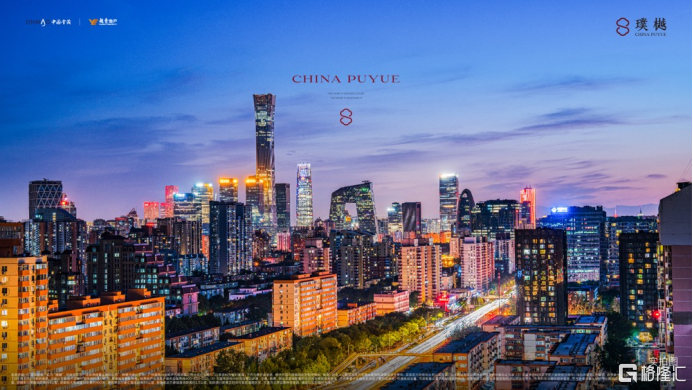
Core Insights - The launch of the "Puyue" project by China Jinmao and Yuexiu Property marks a significant event in the high-end residential market in Beijing, reflecting a steady recovery and increasing demand from high-net-worth clients for luxury housing [1][2] Group 1: Project Overview - The "Puyue" project is positioned as a benchmark for luxury living in Beijing's CBD, emphasizing its unique location and design that combines Eastern aesthetics with international standards [2][4] - The project is strategically located in the Beijing CBD, surrounded by significant ecological resources, enhancing its appeal as a luxury residential option [2][3] Group 2: Target Audience - The primary target demographic for the "Puyue" project consists of high-net-worth individuals born between 1985 and 1990, primarily from emerging industries such as e-commerce, AI, and renewable energy [3] - This demographic is characterized by a desire for not only asset stability but also a sense of belonging and wellness in their living environment [3] Group 3: Design and Features - The project integrates the top-tier product lines from both China Jinmao and Yuexiu Property, focusing on human-centric design rather than mere luxury accumulation [4][5] - The architectural design features a unique layout that emphasizes spaciousness and natural light, with units ranging from 152 to 258 square meters, ensuring optimal views and comfort [5] Group 4: Amenities and Services - The project includes a comprehensive service system provided by Yuexiu Services, which aims to enhance the living experience through community activities and high-end service offerings [6] - The amenities include a 4,800 square meter clubhouse with various luxury services, ensuring that the project remains valuable and appealing over time [6] Group 5: Market Impact - The introduction of the "Puyue" project is seen as a reflection of the evolving standards in high-end residential design and service, setting a new benchmark for the industry [7]

璞樾全球发布会启幕,北京东四环迎来"世界东方"人居新典范
Ge Long Hui· 2025-09-26 14:22
Core Insights - The launch of the high-end residential project "Puyue" by China Jinmao and Yuexiu Property in Beijing marks a significant event in the recovering real estate market, catering to the increasing demands of high-net-worth clients for luxury residences [1][2] - The project aims to set a new benchmark in Beijing's high-end housing market, emphasizing its unique location, innovative product offerings, and lifestyle [1][2] Group 1: Project Overview - "Puyue" is strategically located in the Beijing CBD, benefiting from its rare land resources and proximity to major parks, making it an ideal luxury residential option [4][6] - The project is a collaboration between two leading developers, integrating their top-tier product lines to redefine high-end living in Beijing [7] Group 2: Design and Aesthetics - The design philosophy of "Puyue" focuses on human-centric principles, blending Eastern aesthetics with international luxury standards [7][8] - The project features a unique layout with a "one garden leads to three gardens" concept, ensuring a prestigious living experience with ample natural light and views [7][8] Group 3: Amenities and Services - "Puyue" offers a comprehensive service system, including high-end amenities and personalized services, aimed at enhancing the living experience for residents [11][12] - The project incorporates advanced health technology and smart home systems, ensuring a comfortable and modern living environment [10][12] Group 4: Market Positioning - The target demographic for "Puyue" includes high-net-worth individuals primarily from emerging industries, who seek not only luxury but also a sense of belonging and tranquility in their living spaces [6][10] - The project is positioned as a leader in the luxury residential market, reflecting the evolving standards and expectations of affluent buyers [12]