中式快餐标准化运营

Search documents
三次递表港交所!这个快餐品牌用1700+家门店撑起45亿营收
Sou Hu Cai Jing· 2026-01-17 01:08
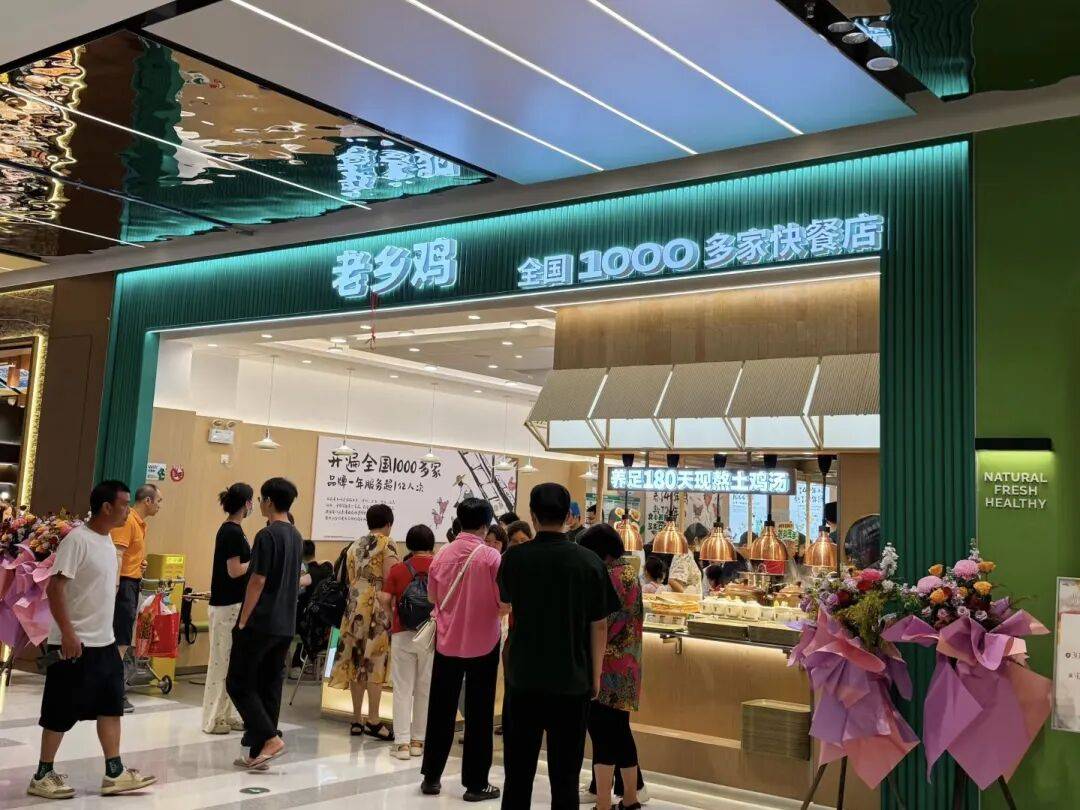
Core Viewpoint - LXJ International Holdings Limited, known as "Laoxiangji," has submitted its prospectus to the Hong Kong Stock Exchange for the third time, indicating its determination to enter the capital market amid stable growth in its operations and expansion plans [1][9]. Group 1: Financial Performance - For the period from January 1 to August 31, 2025, Laoxiangji achieved a revenue of 4.578 billion yuan, representing a year-on-year growth of 10.9% [2]. - Net profit increased from 332 million yuan in the first eight months of 2024 to 371 million yuan in the same period of 2025, reflecting an 11.8% year-on-year increase [2]. - Same-store sales rose from 3.489 billion yuan in the first eight months of 2024 to 3.621 billion yuan in 2025, marking a growth of 3.8% [6]. Group 2: Store Expansion - As of the latest date, Laoxiangji operates 1,777 stores nationwide, including 969 direct-operated stores and 808 franchise stores, with plans to reach nearly 2,000 stores by 2025 [4]. - The proportion of franchise stores has increased significantly from 10.5% in 2022 to 45.5% currently, indicating a shift towards a "direct-operated + franchise" dual-drive model [5]. - Most of Laoxiangji's stores are concentrated in East China, with 1,434 stores located in provinces such as Anhui, Jiangsu, Zhejiang, and Shanghai, accounting for over 80% of total stores [4]. Group 3: Market Position and Strategy - Laoxiangji claims to be the largest Chinese fast-food brand, holding a 0.9% market share in the Chinese fast-food industry as of 2024, ranking first among Chinese rice fast-food companies [10]. - The overall market for Chinese rice fast food is projected to reach 300 billion yuan in 2025, growing at a rate of 10.2% year-on-year [9]. - The company emphasizes its standardized operations and full industry chain layout as key advantages in overcoming challenges associated with scaling in a fragmented market [13].

12月5日港股挂牌!遇见小面冲刺上市,争当中式面馆第一股
Sou Hu Cai Jing· 2025-12-09 09:22
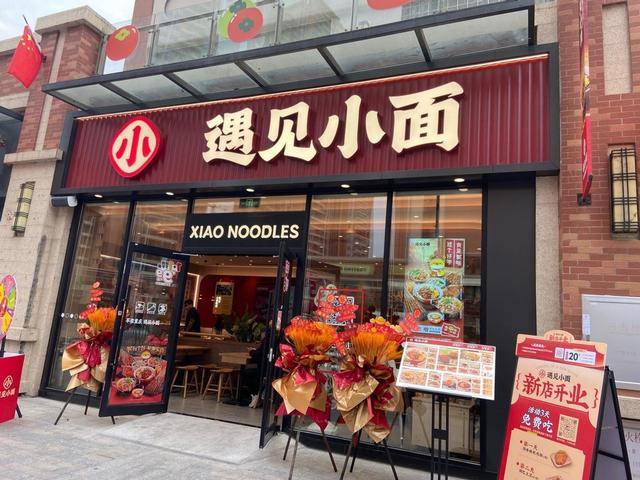
Core Viewpoint - The successful listing of "Yujian Xiaomian" on the Hong Kong Stock Exchange marks a significant milestone for the company and reflects the rise of the Chinese fast-food sector, particularly in the noodle restaurant segment [1][13]. Group 1: IPO and Market Reception - On its first day of trading, "Yujian Xiaomian" achieved a remarkable oversubscription rate of 426 times, with approximately 97.36 million shares issued at an offering price of HKD 7.04, raising a total of HKD 685 million [3]. - The public offering received over 60,000 valid applications, and the international placement was oversubscribed by five times, indicating strong market enthusiasm for the stock [3]. - Notable investors, including Hillhouse Capital and Haidilao, participated in the cornerstone subscription, contributing a total of USD 22 million, which accounted for 25% of the total fundraising [3][5]. Group 2: Business Performance and Expansion - "Yujian Xiaomian" has demonstrated impressive growth, with revenue increasing from RMB 418 million in 2022 to RMB 1.154 billion in 2024, reflecting a compound annual growth rate of 66.2% [9][11]. - The company plans to expand its store count from 465 to over 500 by the end of the year, with 115 new stores in preparation, showcasing a strategic and rapid expansion approach [7][11]. - The brand's successful entry into the Hong Kong market, achieving a 1050.57% year-on-year increase in transaction volume, highlights its ability to adapt and thrive in competitive environments [7]. Group 3: Operational Model and Future Strategy - The company's standardized operational model has been key to its success, ensuring consistent taste and quality across different locations, which is crucial for customer retention [11]. - Future plans include opening 520 to 610 new stores between 2026 and 2028, focusing on lower-tier cities and international markets, indicating a clear growth strategy [11][13]. - Funds raised from the IPO will be allocated to store expansion, digital system upgrades, brand building, and upstream investments, all aimed at supporting sustainable growth [13].