中日关系紧张

Search documents
华生科技(605180.SH):目前公司的电容薄膜产品营业收入占公司的总营业收入比例较小
Ge Long Hui· 2025-12-29 08:14
Group 1 - The core viewpoint of the article indicates that the overall import scale of capacitor films in China is currently at a low level [1] - The company's capacitor film project has not been affected by the tense Sino-Japanese relations due to the relatively small proportion of capacitor film product revenue in the company's total revenue [1] - The project requires a certain amount of time for capacity to be fully released, and future operations may face uncertainties due to macroeconomic and industry policy changes [1]

鲁比奥就高市早苗“台湾有事”国会答辩发声
日经中文网· 2025-12-22 03:23
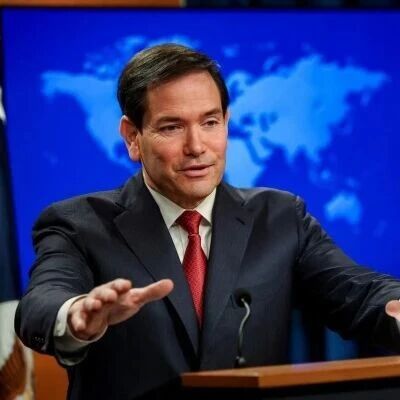
Core Viewpoint - The U.S. Secretary of State Rubio emphasizes the importance of maintaining a strong partnership with Japan while also seeking constructive ways to cooperate with the Chinese government, highlighting a balanced approach in U.S. foreign policy [2][4]. Group 1: U.S.-China Relations - Rubio acknowledges the existing tensions in U.S.-China relations and stresses the need for the U.S. to maintain balance in the Indo-Pacific region, recognizing China's status as a wealthy and powerful nation that plays a key role in geopolitical dynamics [5]. - He advocates for identifying areas of cooperation with China, suggesting that collaboration on global issues could lead to solutions, while ensuring that U.S. commitments to allies like Japan and South Korea remain intact [5]. Group 2: U.S.-Japan Relations - The statement comes in the context of Japan's Prime Minister's remarks regarding Taiwan, indicating the interconnectedness of U.S. relations with both Japan and China [4]. - Rubio's comments reflect a nuanced stance, aiming to reassure allies while also opening channels for dialogue with China, which contrasts with his historically hardline views [4]. Group 3: Current Diplomatic Climate - The current U.S.-China relationship is described as being in a phase of easing tensions, with recent agreements on tariff reductions and postponed export controls following a meeting between the leaders of both countries [5]. - Future visits are planned, with Trump expected to visit China in April 2026, followed by a visit from Chinese leaders to the U.S., indicating a potential thaw in relations [5].

日本是来作死,中国必将迎头痛击
Xin Lang Cai Jing· 2025-12-18 15:16
Core Viewpoint - The article expresses a strong opinion that Japan is provoking China, suggesting that China will respond decisively to Japan's actions [1] Group 1 - The article highlights the notion that Japan's actions are perceived as self-destructive, indicating a belief that Japan is engaging in behavior that could lead to negative consequences for itself [1] - It emphasizes the expectation of a strong reaction from China, implying that the geopolitical tensions between the two nations are escalating [1]

中日球队在成都进行足球赛,警方严密警戒
日经中文网· 2025-11-26 02:47
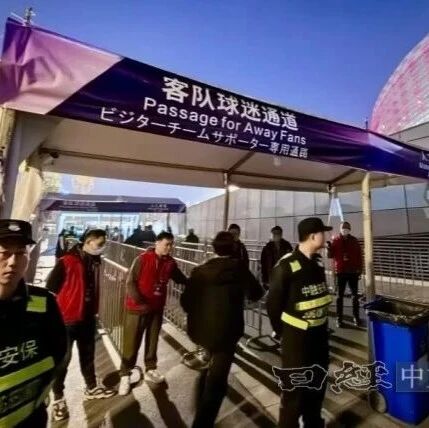
Group 1 - The AFC Champions League Elite Group Stage match took place in Chengdu, Sichuan Province, China, featuring the Japanese J-League team Sanfrecce Hiroshima against a local team [2][4] - Due to heightened tensions in Sino-Japanese relations, local authorities deployed significant police presence for security measures around the venue and the hotel where the Hiroshima team was staying [4][6] - The Chengdu team urged spectators to maintain a respectful atmosphere during the match, prohibiting any political slogans or discriminatory behavior [5][6] Group 2 - Approximately 80 fans from the Hiroshima team attended the away match, and for safety reasons, all personnel, including players, were required to use three dedicated buses for transportation to and from the venue [6]
股债汇下跌,抛售日本开始了?自民党开会反思,高市还未醒悟
Sou Hu Cai Jing· 2025-11-24 10:18
Group 1 - The core issue revolves around the backlash against Japan due to comments made by Prime Minister Kishi Sanae regarding Taiwan, leading to a series of countermeasures from China and travel warnings from multiple countries, exacerbating the sell-off of Japanese assets [1][3] - The sell-off is not limited to the stock market; it also includes a decline in the yen's value and rising Japanese bond yields, indicating a broader capital flight from Japan as investors seek safer havens [3][5] - The Japanese government, particularly the ruling Liberal Democratic Party, is beginning to recognize the need for dialogue with China and to address the root causes of the tensions, although previous hardline stances are being reconsidered [5][7] Group 2 - Public sentiment in Japan is shifting from support for Kishi's hardline approach to a realization of the economic repercussions faced by ordinary citizens and small businesses, with a significant drop in support for military intervention in Taiwan [7][9] - Kishi Sanae's strategy appears to be an attempt to bolster her political standing through a tough stance on China, reflecting a deeper insecurity, but this has backfired as the current geopolitical landscape has changed significantly [9]

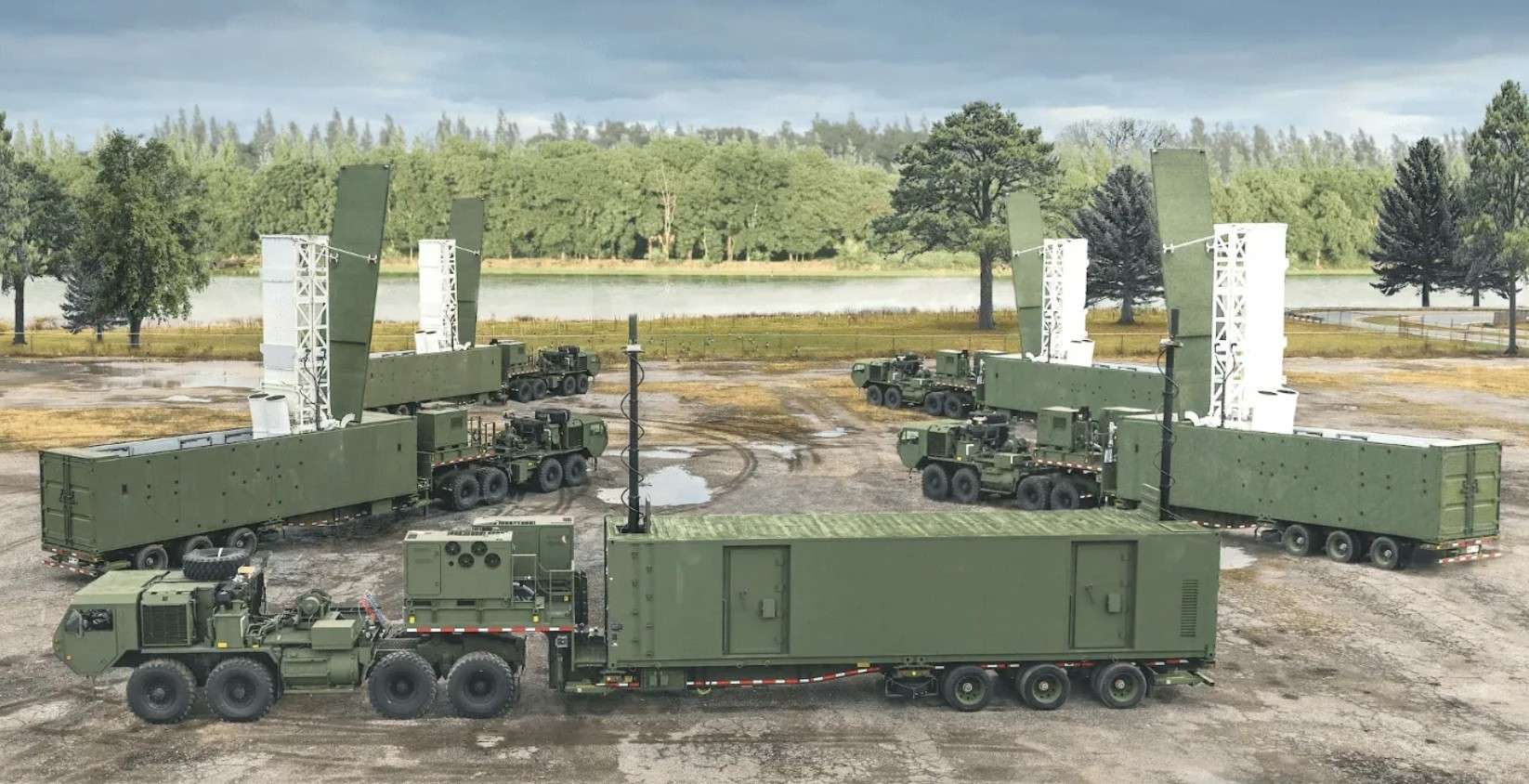
中方拒见高市早苗,解放军划下禁区,美军导弹已撤离,日底气全无
Sou Hu Cai Jing· 2025-11-20 00:49
Group 1 - Japan's lack of sincerity in addressing diplomatic tensions with China is highlighted, as evidenced by the absence of a formal apology from Japanese officials regarding controversial statements made by a politician [1] - The Chinese government has taken concrete actions in response, including issuing travel warnings and indicating no plans for a meeting with Japanese leaders during the upcoming G20 summit [1] - Japan's government has begun to show signs of concern, with officials expressing reflections on previous statements, but this is perceived as insufficient by China [1] Group 2 - The Chinese military has initiated live-fire exercises in the Yellow Sea, which are strategically positioned to exert pressure on Japan and South Korea [3] - The exercises are located approximately 870 kilometers from Japan's nearest islands, indicating a potential shift in military strategy that could be adjusted to be closer to Japan if necessary [3] - The Chinese military's actions are seen as a direct response to the escalating tensions and serve as a demonstration of military capability [3] Group 3 - The United States has notably distanced itself from Japan's political rhetoric, with former President Trump stating that Japan is not a friend of the U.S., which may impact Japan's strategic positioning [4] - The U.S. military has withdrawn significant missile systems from Japan, which could be interpreted as a response to China's growing influence and military capabilities [6] - The withdrawal of the "Tianfeng" missile system reflects concerns among Japanese citizens about potential provocations towards neighboring countries, particularly China [6] Group 4 - The retreat of U.S. military support has led to a decline in confidence among Japanese right-wing factions, who have historically relied on U.S. backing in their confrontations with China [8] - The situation suggests that aspirations for a revival of militarism in Japan are increasingly unrealistic in the current geopolitical climate [8]