
中美经贸磋商机制

Search documents
商务部:用好中美经贸磋商机制
Qi Huo Ri Bao Wang· 2026-01-29 18:22
(文章来源:期货日报网) 何咏前说,2025年,在中美两国元首战略引领下,中美双方秉持平等、尊重和互惠的精神,先后开展了 五轮经贸磋商,取得一系列积极成果,充分证明中美双方通过平等对话磋商,能够找到解决经贸分歧的 办法。 何咏前表示,两国元首釜山会晤后,双方通过中美经贸磋商机制在各层级持续保持沟通,共同推动落实 元首会晤重要共识和吉隆坡经贸磋商成果。下一步,中方愿与美方共同维护好、落实好两国元首重要共 识,用好中美经贸磋商机制,管控分歧、推进合作,促进中美经贸关系稳定、健康、可持续发展。 据新华社电商务部新闻发言人何咏前29日就中美经贸问题回应外界关切时说,中方愿与美方用好中美经 贸磋商机制,管控分歧、推进合作。 ...
商务部:中美通过经贸磋商机制,在各层级持续保持沟通
第一财经· 2026-01-29 12:53
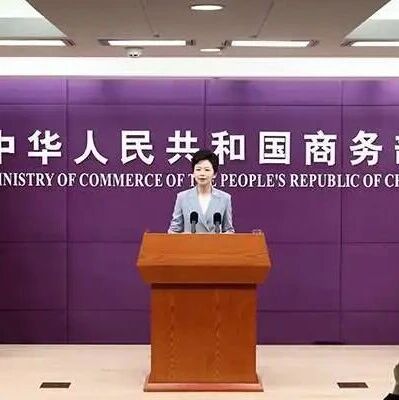
2026.01. 29 本文字数:1137,阅读时长大约2分钟 作者 | 第一财经 高雅 要共识,用好中美经贸磋商机制,管控分歧,推进合作,促进中美经贸关系稳定、健康、可持续发 展。 芬兰总理成功访华 1月29日,商务部举行例行新闻发布会。商务部新闻发言人何咏前就近期国际热点经贸话题进行回 应。 用好中美经贸磋商机制 有记者提问称,美国贸易代表近期在达沃斯表示,在4月份可能举行的中美领导人会晤之前,中美有 可能开启新一轮的经贸谈判。 对此,何咏前表示,2025年,在中美两国元首战略引领下,中美双方秉持平等、尊重和互惠的精 神,先后开展了5轮磋商,取得一系列积极成果,充分证明中美双方通过平等对话磋商,能够找到解 决经贸分歧的办法。 何咏前称,两国元首釜山会晤后,双方通过中美经贸磋商机制,在各层级持续保持沟通,共同推动落 实元首会晤重要共识和吉隆坡经贸磋商成果。下一步,中方愿与美方共同维护好、落实好两国元首重 1月25日至28日,芬兰总理奥尔波对中国进行了正式访问。 何咏前介绍称:"近日芬兰总理奥尔波成功访华,中芬双方在经贸领域取得务实合作成果。习近平主 席在会见奥尔波总理时指出,中芬友好互信具有历史根基。双方要 ...

商务部:中美通过经贸磋商机制,在各层级持续保持沟通
Di Yi Cai Jing· 2026-01-29 08:05
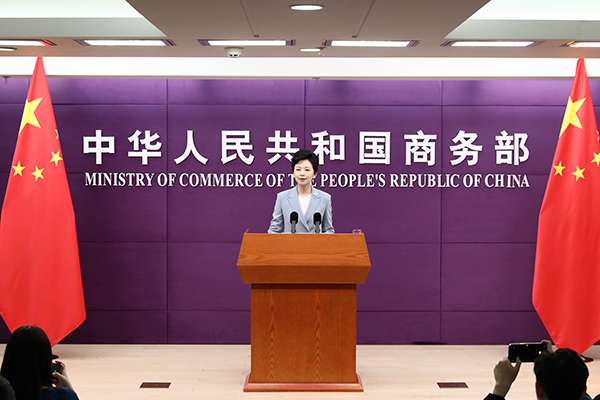
"两国元首釜山会晤后,双方通过中美经贸磋商机制,在各层级持续保持沟通。" 用好中美经贸磋商机制 有记者提问称,美国贸易代表近期在达沃斯表示,在4月份可能举行的中美领导人会晤之前,中美有可 能开启新一轮的经贸谈判。 对此,何咏前表示,2025年,在中美两国元首战略引领下,中美双方秉持平等、尊重和互惠的精神,先 后开展了5轮磋商,取得一系列积极成果,充分证明中美双方通过平等对话磋商,能够找到解决经贸分 歧的办法。 芬兰总理成功访华 何咏前表示,访问期间,中国商务部和芬兰经济事务与就业部签署了《关于加强中芬创新企业合作委员 会工作的谅解备忘录》,共同主办了中芬创新企业合作委员会第六次会议,奥尔波总理与王文涛部长出 席会议闭幕式并致辞。 1月29日,商务部举行例行新闻发布会。商务部新闻发言人何咏前就近期国际热点经贸话题进行回应。 何咏前称,两国元首釜山会晤后,双方通过中美经贸磋商机制,在各层级持续保持沟通,共同推动落实 元首会晤重要共识和吉隆坡经贸磋商成果。下一步,中方愿与美方共同维护好、落实好两国元首重要共 识,用好中美经贸磋商机制,管控分歧,推进合作,促进中美经贸关系稳定、健康、可持续发展。 1月25日至28日, ...
商务部:李成钢率团访问加拿大并赴美会见美方相关官员
Di Yi Cai Jing· 2025-08-28 08:03
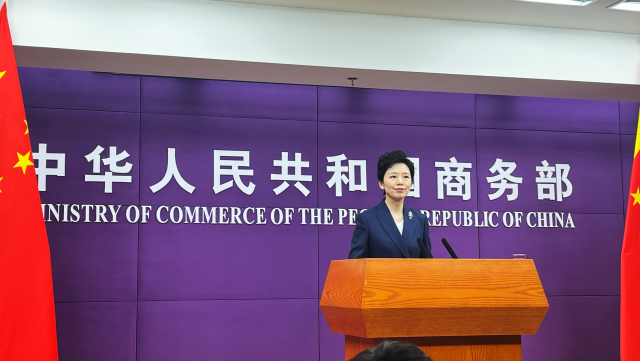
Group 1 - The Chinese side is willing to work with the U.S. to continue utilizing the China-U.S. economic and trade consultation mechanism to address issues through equal dialogue and maintain a healthy, stable, and sustainable development of China-U.S. economic and trade relations [1] - The Chinese Ministry of Commerce emphasizes the importance of helping foreign trade enterprises secure orders and expand markets, implementing policies to support these enterprises in facing various risks and challenges [3] - The Ministry of Commerce plans to strengthen policy support, enhance assistance to enterprises, and help them explore diversified international markets through various trade promotion activities [3] Group 2 - Li Chenggang, the Chinese international trade negotiation representative, co-chaired the 28th China-Canada Economic and Trade Joint Committee in Ottawa, focusing on improving bilateral economic and trade relations and addressing mutual concerns [4] - The meeting is seen as an important step in implementing the consensus reached during the phone call between the two countries' leaders, with both sides committed to managing differences constructively and expanding cooperation [5] - Prior to the meeting, extensive preparatory work was conducted, and both sides engaged in candid discussions on deepening bilateral, regional, and multilateral economic cooperation [6]
中方回应美财长涉关税言论:望发挥好中美经贸磋商机制作用
Zhong Guo Xin Wen Wang· 2025-08-20 08:05
Core Viewpoint - The Chinese government expresses hope for the U.S. to effectively utilize the China-U.S. economic and trade consultation mechanism, aiming for positive outcomes based on equality, respect, and mutual benefit [1] Group 1 - The U.S. Treasury Secretary expressed satisfaction with the current tariffs on China, indicating a willingness to maintain stable relations before the November tariff deadline [1] - The Chinese Foreign Ministry spokesperson emphasized the importance of adhering to the consensus reached by the leaders of both countries [1]
逸语道破:中美关税“休战”,有几个错误认知需要澄清
Sou Hu Cai Jing· 2025-08-14 07:16
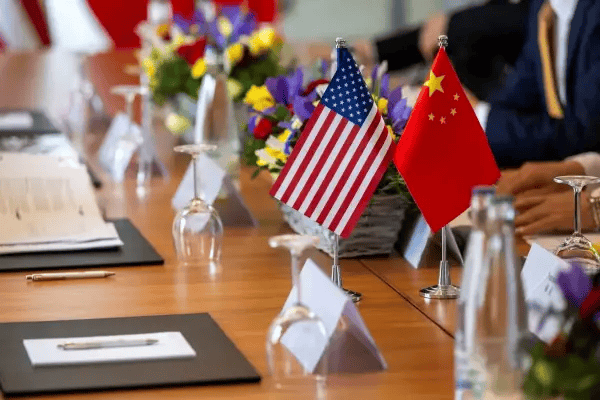
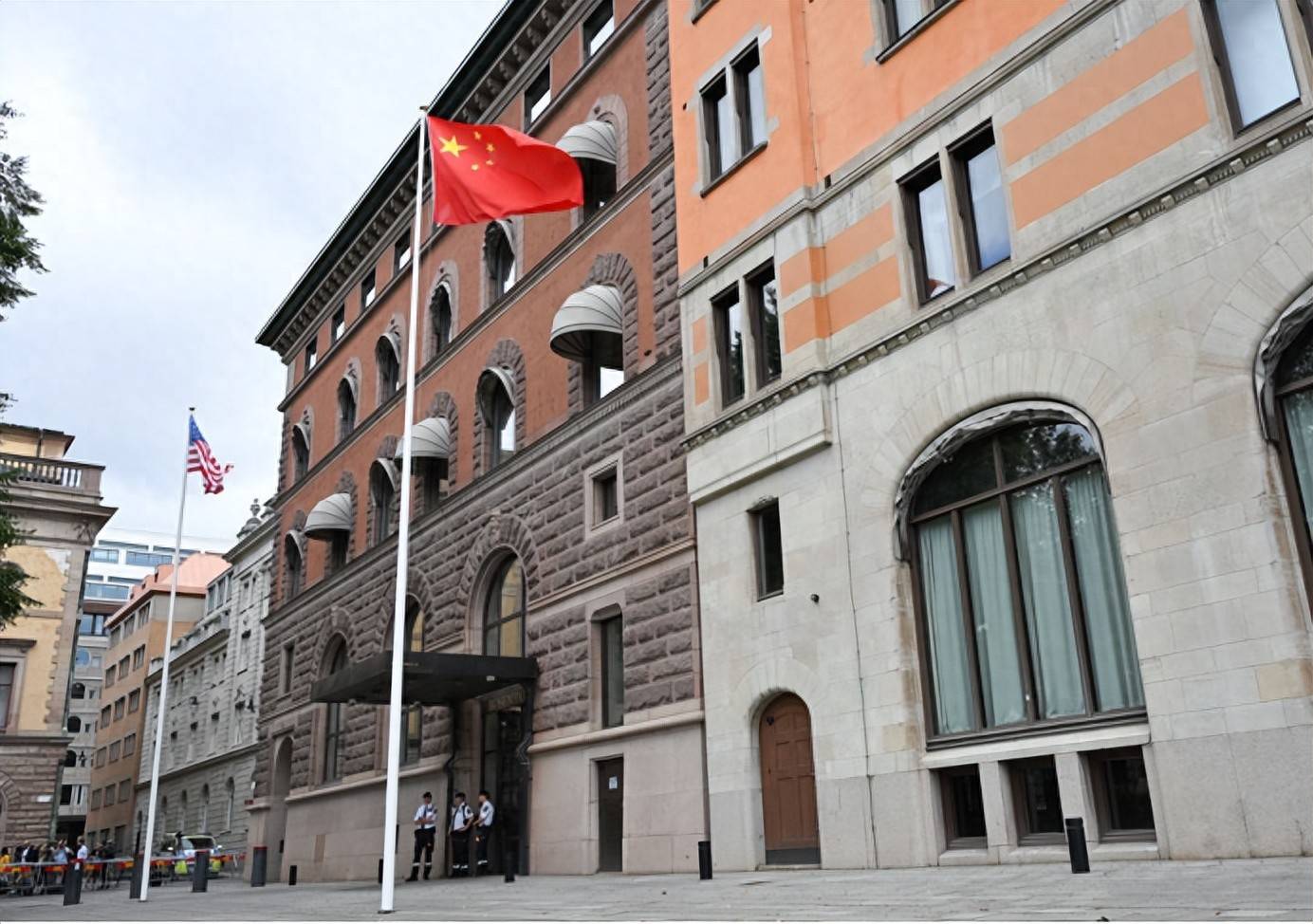
Core Viewpoint - The joint statement from the China-U.S. Stockholm economic talks indicates a shift towards more constructive and pragmatic negotiations, with both sides agreeing to maintain a stable framework for trade discussions and a temporary pause on additional tariffs [1][3][12]. Summary by Sections Trade Negotiation Framework - China is currently the only country effectively countering U.S. pressure and transitioning the U.S.-China trade discussions from a highly politicized atmosphere to functional and pragmatic negotiations [2]. - The established negotiation mechanism has allowed for a return to a relatively stable communication and dialogue framework reminiscent of the pre-2018 trade environment [2]. - The framework includes clear delineation of issues of concern for both sides, facilitating ongoing high-level discussions [2]. Outcomes of the Stockholm Talks - The Stockholm joint statement introduced a "constructive" tone, reflecting an increase in satisfaction with the outcomes of the talks [3]. - The consensus reached emphasizes that certainty in trade relations is preferable to uncertainty, aiming to control the trade conflict at an acceptable level [5][6]. - The talks have resulted in a mutual understanding that unilateral pressure tactics from the U.S. are counterproductive, as they could lead to significant economic repercussions for the U.S. [6][8]. Future Implications - The joint statement signifies a continuation of the previous 90-day pause in tariff increases, maintaining the status quo in U.S.-China trade relations [12]. - There is an emphasis on the importance of maintaining a stable policy environment, with both sides agreeing to reciprocal actions regarding tariffs [12][13]. - The ongoing negotiations are expected to adhere to market economic principles, despite the U.S. government's various policy challenges [14]. Strategic Positioning - The current state of U.S.-China relations is characterized as a "strategic stability," indicating a recognition from both sides of the need for ongoing dialogue and negotiation [11]. - The ability of China to withstand U.S. strategic pressure and compel the U.S. to return to the negotiation table is seen as a significant achievement [11][9]. - The framework established through these negotiations is viewed as a foundation for future discussions, with the potential for more substantive agreements as both sides continue to engage [14].
中美谈判情况有变,美口风两连变,九三阅兵式不用给特郎普留座了
Sou Hu Cai Jing· 2025-08-04 07:50
Core Points - The recent US-China trade talks in Sweden ended without significant breakthroughs, with a noticeable shift in the US attitude from positive to arrogant [1][5] - The meeting's outcomes were less impactful compared to previous discussions in London, despite US Treasury Secretary Mnuchin's positive remarks [1][3] Group 1: Meeting Dynamics - The meeting started later in the day, with both parties entering the venue at 3 PM, and it was characterized by a lack of interaction with Sweden, unlike previous talks [3] - The primary focus of the discussions shifted from trade issues to diplomatic and security concerns, indicating a more complex and relaxed negotiation environment [3] Group 2: US Position and Strategy - Prior to the talks, President Trump made several concessions to China, including approvals for technology exports and resuming key component supplies, but the US stance changed during the negotiations [5][9] - The US pressured China regarding its oil purchases from Iran and Russia, threatening higher tariffs if these continued, showcasing a more aggressive approach [5][9] Group 3: Future Implications - The success of the Sweden talks is linked to the upcoming APEC summit, with both sides agreeing to extend the tariff pause for 90 days, increasing the likelihood of a summit [7][9] - Despite the temporary easing of trade tensions, unresolved structural issues, particularly in technology and supply chains, pose ongoing risks for US-China relations [9]
国际锐评丨“如期展期90天”对中美解决经贸分歧意味着什么?
Yang Shi Xin Wen· 2025-07-31 08:10
Core Points - The recent US-China trade talks in Stockholm aimed to extend the 90-day tariff "truce" established in the Geneva consensus, reflecting a desire to avoid escalation of trade tensions and to allow for further negotiations [1][2] - Both sides acknowledged the importance of stable US-China economic relations for their own economies and the global economy, emphasizing the need for constructive dialogue and cooperation [1][3] - The talks demonstrated a willingness from both parties to resolve issues, with the US describing the discussions as "constructive" [1][3] Group 1: Trade Negotiations - The Stockholm talks were a continuation of previous agreements made in Geneva and London, focusing on key economic issues and reaffirming the importance of the established negotiation mechanisms [1][3] - The US and China are both seeking to avoid a "trade war" and are willing to invest time in negotiations to address significant differences [2][3] Group 2: Economic Context - China's economy grew by 5.3% year-on-year in the first half of the year, with the IMF raising its growth forecast, indicating resilience amid external challenges [5] - A report from the US-China Business Council indicated that 82% of surveyed US companies expect to be profitable in China in 2024, highlighting the importance of the Chinese market for US businesses [4][5] Group 3: Future Outlook - The continuation of the 90-day truce provides an opportunity for both sides to enhance consensus, reduce misunderstandings, and strengthen cooperation, which is crucial for the stability of bilateral economic relations [5] - The US needs to correct its misconceptions about China and listen to the business community to foster a more favorable trade environment [4][5]
有关中美!外交部回应
Zheng Quan Shi Bao Wang· 2025-06-12 09:27
Group 1 - The Chinese Foreign Ministry emphasizes the importance of implementing the consensus reached during the recent phone call between the two countries' leaders, highlighting the progress made in addressing mutual economic concerns [2] - The Ministry expresses a commitment to enhancing personnel exchanges as a foundation for cooperation between nations, aligning with the interests and expectations of all parties involved [3] - The Ministry reiterates its opposition to the AUKUS security alliance and the associated nuclear submarine agreement, advocating against the creation of bloc confrontations and the escalation of nuclear proliferation risks [4] Group 2 - The Ministry responds to Japan's claims of a Chinese aircraft coming dangerously close to a Japanese patrol plane, asserting that China's activities in the relevant airspace are in accordance with international law and norms [5] - The Ministry calls for Japan to cease its reconnaissance activities that contribute to security risks in maritime and aerial domains [5]