乳糖不耐受

Search documents
麦秀华:牛奶如何在中国走进千家万户
Xin Lang Cai Jing· 2025-12-29 02:42
Core Insights - The article discusses the significant shift in milk consumption in China, where despite low lactose tolerance, Chinese people now consume over a quarter of the world's milk. This change is analyzed through various factors beyond modernization and Western dietary influences [1][3][4]. Group 1: Historical Context and Influences - Post-World War II food systems, particularly U.S. food aid, altered dietary habits in Asia, including China, laying the groundwork for increased milk consumption [3]. - The 1980s saw European milk exports to China, which, along with multinational companies like Nestlé establishing production facilities, contributed to the expansion of milk and dairy products in East Asia [3][4]. - Government support for dairy industry projects, including land reforms and financial incentives, has led to a significant increase in milk production, transforming milk from a luxury to a common beverage [3][4]. Group 2: Medicalization and Marketing - The marketing strategies of dairy and pharmaceutical companies have created health narratives around milk, such as "insufficient breast milk" and "picky eating," which have driven consumer demand [4][8]. - The collaboration between global capital, state policies, and commercial medicine has intertwined to elevate milk consumption in daily diets, marking a profound dietary transformation [4][8]. Group 3: Cultural and Traditional Aspects - Traditional Chinese dietary practices have historically been distant from milk consumption, but recent decades have seen a surge in daily milk intake, influenced by both nutritional awareness and modern marketing [7][8]. - The unique water buffalo milk production in regions like Shunde reflects local culinary traditions, which have been affected by economic changes and modern consumer preferences [10][11]. Group 4: Modern Consumption Trends - In Hong Kong, the low breastfeeding rates and the rise of formula milk consumption reflect a complex interplay of modern parenting ideals and societal pressures [13][14]. - The perception of milk as a necessary dietary component has led to the medicalization of lactose intolerance, framing it as an abnormality rather than a natural condition [14][15].



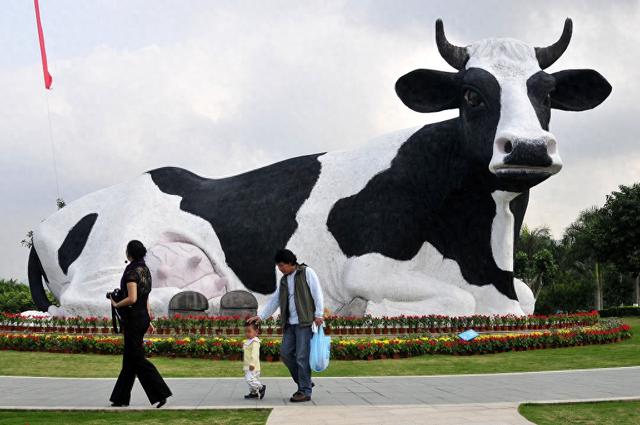
每天一杯牛奶,你做到了吗?
Xin Jing Bao· 2025-06-14 03:49
Core Insights - The article highlights the gap between recommended dairy consumption and actual consumption in China, with only 35.6% of the population meeting the daily intake guideline of 300 milliliters of dairy products [1][3][6] - Despite a steady increase in milk production, the dairy industry faces challenges such as low consumer awareness and changing dietary habits, leading to a decline in profits for major dairy companies [12][14][18] Industry Overview - China's milk production reached 4,197 million tons in 2023, marking a 6.7% year-on-year increase, although this is still lower than countries like India and the USA [12][14] - The average per capita dairy consumption in China is about 42 kilograms, which is one-third of the world average and significantly lower than Japan's consumption [6][10] Consumer Behavior - A significant portion of the population, over 1 billion people, has not developed a habit of drinking milk, with only 16.7 grams consumed daily by the 18-59 age group, far below the recommended levels [6][10] - Cultural perceptions of milk as a supplement for the elderly or children contribute to low consumption rates, with many young consumers preferring sugary beverages [10][12] Financial Performance of Dairy Companies - Major dairy companies like Yili and Mengniu reported significant profit declines in 2024, with Yili's net profit down by 18.94% and Mengniu's nearly halved [14][15] - The financial struggles are attributed to economic slowdown, low consumer confidence, and an imbalance in raw milk supply and demand [14][18] Pricing and Market Dynamics - The average price of milk in China is higher than in many other countries, influenced by high production costs and market dynamics [12][18] - There has been a noticeable drop in retail prices for liquid milk products, with promotions leading to lower prices for premium brands [18]