
乳腺癌

Search documents
知己知“彼”,如何正确认识乳腺癌?
Xin Lang Cai Jing· 2026-02-12 11:17
Core Insights - The incidence of breast cancer in China is rising rapidly, with over 500,000 new cases reported annually and an increase rate of approximately 3% per year, which is double the global average, making China the country with the highest incidence rate worldwide [4][5] - Urban areas show significantly higher rates of breast cancer cases and deaths compared to rural areas, with incidence rates in cities being about twice that of rural regions and mortality rates approximately 1.8 times higher [4] - The average age of diagnosis for breast cancer in Chinese women is 10 years earlier than in Western countries, with the highest incidence occurring in women aged 45-55 [4] Risk Factors - Uncontrollable risk factors include gender, age, and genetic predisposition, with women being 100 times more likely to develop breast cancer than men, and 75% of diagnosed cases occurring in women over 50 [5] - Modifiable risk factors include alcohol consumption, obesity, lack of physical activity, not having children, not breastfeeding, contraceptive use, hormone therapy after menopause, and breast augmentation, all of which can increase the risk of breast cancer [5] Diagnostic Methods - Common diagnostic methods for breast cancer include physical examinations, laboratory tests (such as blood tests), pathological examinations, and imaging tests like mammography, ultrasound, and MRI [6] Treatment Options - Breast cancer treatment is categorized into local and systemic therapies, with local treatments including surgery and radiation therapy, while systemic treatments encompass chemotherapy, endocrine therapy, and targeted therapy [8][9] - Surgical options primarily involve either total mastectomy or partial mastectomy, with a trend towards minimizing the extent of surgery [10] Rehabilitation Considerations - Post-treatment rehabilitation emphasizes dietary adjustments, maintaining a balanced diet, and psychological support, as optimism and mental well-being significantly influence recovery outcomes [11] - Early screening, diagnosis, and treatment are crucial for effective management of breast cancer, highlighting the importance of regular health check-ups as a long-term investment in health [11]


知己知“彼”,如何正确认识乳腺癌?
第一财经· 2026-02-12 11:10
Core Viewpoint - The article emphasizes the increasing severity of breast health issues among women in China, highlighting the rapid rise in breast cancer incidence and the importance of early detection and treatment [2][5]. Group 1: Breast Cancer Incidence - China has over 500,000 new breast cancer cases annually, with an annual growth rate of approximately 3%, which is double the global average, making it the highest in the world [5]. - The incidence and mortality rates of breast cancer are significantly higher in urban areas compared to rural areas, with urban incidence being about twice that of rural areas and mortality rates being 1.8 times higher [5]. - The average age of breast cancer diagnosis in Chinese women is 10 years earlier than in Western countries, with the highest incidence occurring in women aged 45-55 [5]. Group 2: Risk Factors - Uncontrollable risk factors include gender, age, and genetic predisposition, with women being 100 times more likely to develop breast cancer than men, and 75% of diagnosed cases occurring in women over 50 [6]. - Modifiable risk factors include alcohol consumption, obesity, lack of exercise, not having children, not breastfeeding, contraceptive use, hormone therapy after menopause, and breast augmentation, all of which can increase the risk of breast cancer [7]. - Breast cancer is an estrogen-related tumor, and prolonged exposure to high estrogen environments significantly raises the risk [7]. Group 3: Diagnosis Methods - Common diagnostic methods for breast cancer include physical examinations (visual and tactile), laboratory tests (blood tests), and imaging techniques such as mammography, ultrasound, and MRI [8][11]. - Pathological examination is the definitive method for diagnosing breast cancer and is crucial for determining treatment plans and assessing prognosis [9]. Group 4: Treatment Options - Breast cancer treatment is categorized into local and systemic therapies, with local treatments including surgery and radiation therapy, and systemic treatments encompassing chemotherapy, endocrine therapy, and targeted therapy [11]. - Surgical options primarily involve either total mastectomy (radical surgery with or without breast reconstruction) or partial mastectomy (breast-conserving surgery) [11]. Group 5: Recovery Considerations - Nutritional management is vital during recovery, with emphasis on maintaining a balanced diet and avoiding obesity, which can negatively impact breast cancer outcomes [12][13]. - Psychological recovery is equally important, as a positive mindset can enhance treatment efficacy, making mental health support a critical component of recovery [13]. - The article advocates for "early screening, early diagnosis, and early treatment" as key strategies for combating breast cancer, encouraging regular health check-ups as a long-term investment in health [13].

00后也被乳腺癌盯上?这些真相女性都该了解
Xin Lang Cai Jing· 2026-02-04 05:07
Core Insights - The rising incidence of breast cancer among women aged 20-40 is alarming, with an annual increase of 3%-4% in this demographic, highlighting the need for awareness and early detection [1][3] - Advances in breast cancer treatment have shifted from a one-size-fits-all approach to more personalized care, with breast-conserving surgeries increasing the preservation rate from under 20% to over 50% [1][7] Group 1: Breast Cancer Incidence and Challenges - The proportion of young breast cancer patients in China under 40 is significantly higher than in Western countries, with a notable number of patients under 35 [3] - Young women face unique challenges due to denser breast tissue, making early detection through standard imaging more difficult, compounded by lifestyle factors such as stress and irregular sleep patterns [3][4] Group 2: Risk Factors and Prevention - Genetic factors account for less than 10% of breast cancer cases, with most cases arising from lifestyle choices, including high-calorie diets, late childbirth, and poor mental health management [4][5] - Women are advised to be cautious with estrogen-containing supplements and skincare products, especially those in high-risk age groups [5] Group 3: Treatment and Recovery - The principle of "tumor eradication first" is emphasized in breast reconstruction, ensuring that cancer is fully treated before focusing on aesthetic restoration [7][8] - A multidisciplinary approach is adopted for breast reconstruction, involving various specialists to create personalized treatment plans that consider the patient's overall health and lifestyle [9] Group 4: Post-Surgery Rehabilitation - Post-operative recovery is crucial, addressing both physical and psychological aspects, with a focus on gradual rehabilitation and emotional support [11][12] - Family support plays a vital role in recovery, with recommendations for balanced involvement that encourages patient independence while providing emotional reassurance [14]

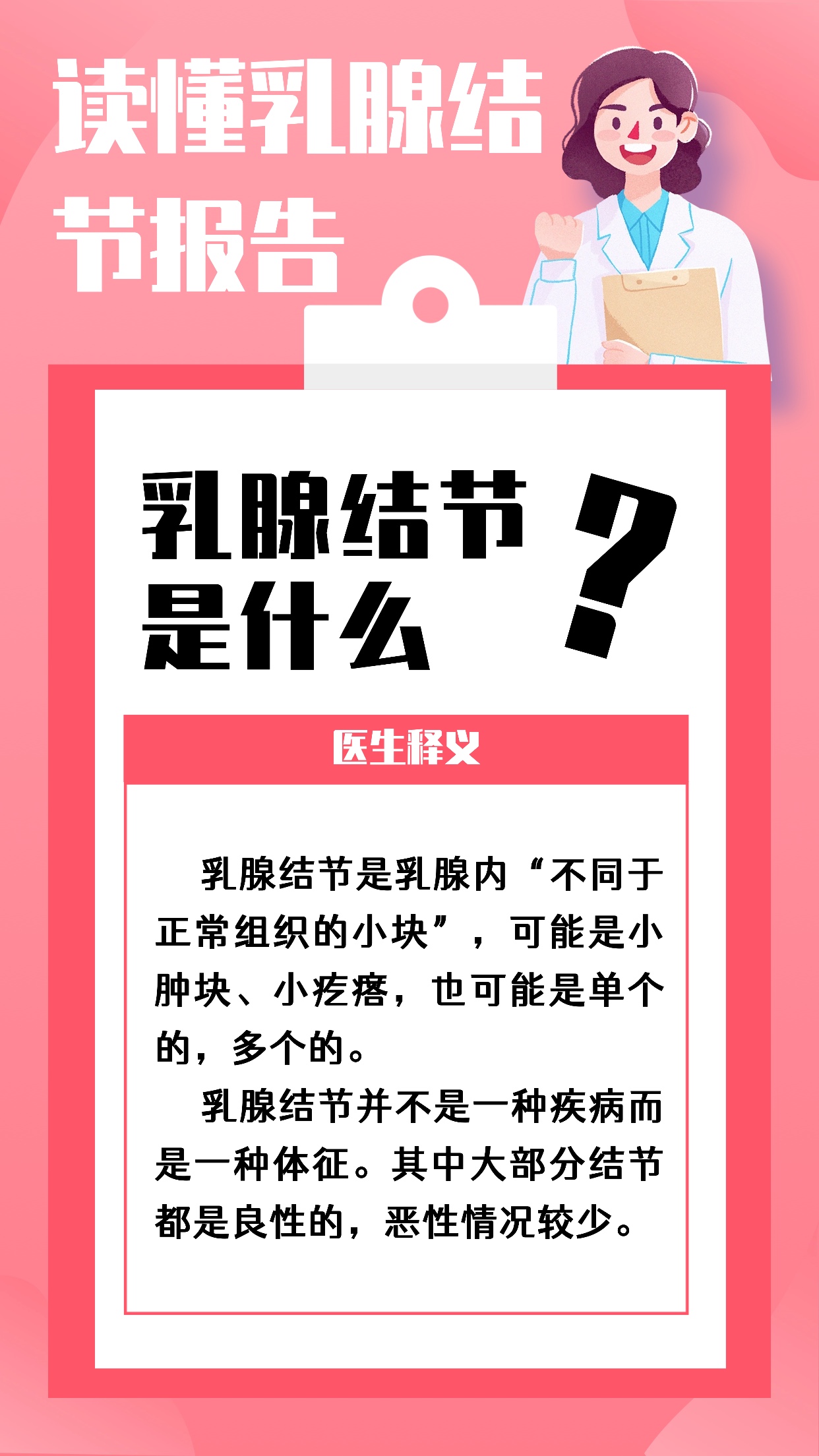
读懂乳腺结节报告 出现这些指征需警惕
Ren Min Wang· 2025-11-27 03:24
Core Points - The article emphasizes that breast nodules are not diseases but rather a description of a condition, with most nodules being benign and malignant cases being rare [3][4]. Group 1: Understanding Breast Nodules - Breast nodules are a common concern, often discovered during self-examinations or medical check-ups, and they can appear as single or multiple lumps in one or both breasts [5][6]. - Symptoms associated with breast nodules may include localized pain, nipple discharge, skin changes, and swelling of nearby lymph nodes [6][8]. Group 2: Risk Factors - Genetic factors, such as a family history of breast cancer or carrying BRCA1/2 genes, increase the risk of developing breast nodules [11]. - Reproductive and hormonal history, including early menstruation, late menopause, and lack of childbirth, are also significant risk factors [12]. - Lifestyle choices, such as high sugar and fat diets, obesity, excessive alcohol consumption, and lack of exercise, contribute to the risk [14]. - Emotional stress and poor sleep patterns can lead to hormonal imbalances, increasing the likelihood of nodules [15][36]. Group 3: Self-Examination and Screening - Self-examination techniques are recommended, including visual inspection and tactile checks for lumps [16][19]. - Various screening methods, such as ultrasound and mammography, are essential for early detection of breast cancer and assessing nodules [24][25]. - BI-RADS classification is used to evaluate the risk of malignancy in detected nodules, with categories ranging from benign to highly suspicious [29][30]. Group 4: Management and Prevention - Regular check-ups and self-examinations are crucial for early detection and management of breast nodules [41]. - Maintaining a balanced diet, managing stress, and ensuring adequate sleep can help reduce the risk of developing nodules [37][40].
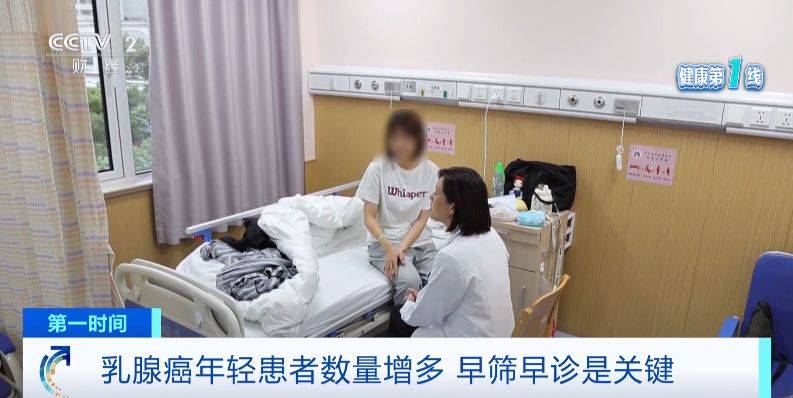
乳腺癌发病率呈上升趋势,年轻患者数量增多!早期有哪些症状?
Sou Hu Cai Jing· 2025-10-28 08:59
Core Viewpoint - Breast cancer is the most common malignant tumor among women globally, with an increasing incidence rate, approximately 2.3 million new cases reported annually according to the World Health Organization [1] Group 1: Incidence and Demographics - The incidence of breast cancer is rising both globally and in China, with a notable increase in younger patients [3] - Breast cancer typically occurs more frequently in women around the ages of 55 to 60, with a secondary peak in women around 40 years old [3] - Younger breast cancer patients tend to experience faster disease progression and a higher likelihood of lymph node metastasis [3] Group 2: Symptoms and Self-Examination - The primary symptom of breast cancer is a breast lump, with about 80% of patients presenting with this symptom at diagnosis [5] - Most early-stage breast cancer patients do not exhibit obvious symptoms, making regular self-examination crucial [5] - Recommended self-examination frequency is once every one to two months, including visual checks for skin changes and nipple discharge [7] Group 3: Screening and Diagnosis - Due to the uncertainty of self-examinations, regular hospital screenings are essential, including ultrasound, mammography, MRI, and ductoscopy [9] - Early-stage breast cancer often presents with calcifications that are difficult to detect via ultrasound, necessitating mammography for accurate diagnosis [9] - It is advised that women over 40 undergo mammography screenings every one to two years, especially if abnormalities are detected on X-rays [11]
Cell子刊:苏士诚团队揭示脂肪肝通过外泌体促进乳腺癌发展
生物世界· 2025-09-25 04:35
Core Viewpoint - The study reveals a mechanism of liver-breast metabolic communication that drives cancer progression, particularly highlighting the role of exosomes derived from non-alcoholic fatty liver disease (NAFLD) in promoting breast cancer development [9]. Group 1: Research Findings - Exosomes from fatty liver induce the release of free fatty acids in breast adipocytes, thereby promoting breast cancer progression [3][10]. - The study establishes a correlation between NAFLD and increased breast cancer risk in atypical hyperplasia individuals, as well as poor prognosis in breast cancer patients [4]. - The accumulation of fatty liver-derived exosomes in adipocytes contributes to the formation of a pro-tumor microenvironment in the breast [4]. Group 2: Mechanisms Involved - The targeting of adipocytes by exosomes is mediated by the interaction between ErbB4 and Nrg4 [4][10]. - TRMT10C in the exosomes is transferred to mitochondria, leading to m1A modification of mitochondrial mRNA, which suppresses the translation of ND5 and ND6, resulting in increased reactive oxygen species (ROS) levels and accelerated tumor progression [4][10]. Group 3: Prognostic Indicators - Plasma ErbB4-positive exosomes are identified as an independent prognostic indicator for breast cancer patients with NAFLD [5].

这群“带病生活”的母亲,需要重新被看见
Hu Xiu· 2025-05-19 23:54
Core Insights - Breast cancer is the most common cancer type among women, with 357,200 new cases reported in China in 2022, making it the second most prevalent malignant tumor among females [2] - Metastatic breast cancer (MBC) poses significant challenges, requiring long-term treatment and causing both physical pain and psychological stress for patients [2][17] - The emotional and psychological needs of breast cancer patients often go unrecognized, highlighting the importance of understanding their experiences [3] Group 1: Psychological Impact and Support - Many breast cancer patients experience feelings of incompleteness due to the loss of a breast, which can affect their self-image and societal perceptions of normalcy [4][5] - Self-blame is a common reaction among newly diagnosed patients, leading to increased anxiety and depression, with studies indicating that self-blame can exacerbate psychological distress [7][8][10] - Openly expressing emotions and seeking support from family and peers can significantly aid in coping with the disease, as hiding feelings may lead to increased isolation [11][13][15] Group 2: Quality of Life and Treatment Advances - Despite the challenges, breast cancer patients can still lead high-quality lives, as advancements in medical treatments have improved survival rates and options for managing the disease [18][19] - The psychological burden of breast cancer often correlates with physical symptoms, with a high prevalence of anxiety (84.1%) and depression (25.2%) among patients with advanced stages of the disease [17] - Innovative therapies, such as antibody-drug conjugates (ADCs), are becoming more prevalent, providing targeted treatment options that can enhance patients' quality of life [18] Group 3: Family Dynamics and Communication - The impact of breast cancer extends beyond the individual, significantly affecting family dynamics and the roles of patients within their households [21] - Effective communication with children about the illness is crucial, as it can alleviate fears and misconceptions, helping to maintain a sense of stability in the family [24][26] - Maintaining routines and providing emotional support to children can help them adapt to changes brought about by a parent's illness, fostering a sense of security [27]
恒瑞医药(600276) - 恒瑞医药关于药品临床试验进展的公告
2025-02-23 07:45
证券代码:600276 证券简称:恒瑞医药 公告编号:临 2025-016 江苏恒瑞医药股份有限公司 关于药品临床试验进展的公告 本公司董事会及全体董事保证本公告内容不存在任何虚假记载、误导性陈述 或者重大遗漏,并对其内容的真实性、准确性和完整性承担法律责任。 近日,江苏恒瑞医药股份有限公司(以下简称"公司")自主研发的羟乙磺 酸达尔西利片联合内分泌治疗在激素受体(HR)阳性、人表皮生长因子受体 2 (HER2)阴性女性乳腺癌辅助治疗中的一项多中心、随机、双盲的Ⅲ期临床试验 (研究方案编号:SHR6390-Ⅲ-303),首次期中分析主要终点达到统计学显著性。 研究结果显示,达尔西利联合内分泌治疗,较安慰剂联合内分泌治疗,可显著降 低患者复发风险,提高患者无侵袭性疾病生存期(IDFS)[1]。公司已于近期向国 家药品监督管理局药品审评中心递交上市前沟通交流申请。 一、 药品的基本情况 药品名称:羟乙磺酸达尔西利片 剂型:片剂 二、 药品的临床试验情况 达尔西利已于国内获批两项适应症,即本品适用于激素受体(HR)阳性、人 表皮生长因子受体 2(HER2)阴性局部晚期或转移性乳腺癌患者:1.与芳香化酶 抑制剂联合使 ...
