云钉一体

Search documents
钉钉原总裁叶军离职
Sou Hu Cai Jing· 2025-07-14 23:38
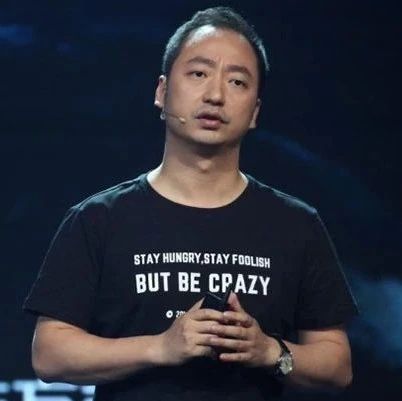
Core Insights - Alibaba Group's Vice President and former DingTalk President Ye Jun has confirmed his departure from the company, stating he will take time to rest and reflect [2] - DingTalk, under Ye Jun's leadership since September 2020, aimed to integrate with Alibaba Cloud, focusing on serving small and medium enterprises [2] - DingTalk's Annual Recurring Revenue (ARR) reached $200 million (approximately 1.45 billion RMB) by the first half of the 2024 fiscal year, marking a leading position in the domestic collaboration tools market [2] Group 1 - After two consecutive quarters without revenue data for DingTalk, the platform faces challenges in monetization despite having over 199 million daily active users and low conversion rates [3] - In 2023, Alibaba shifted its overall strategy to "AI-first," with DingTalk becoming a key platform for implementing large model scenarios, integrating the "Tongyi Qianwen" model and launching various AI features [3] Group 2 - The integration of AI capabilities has revealed "adaptation anxiety" in the platform strategy, with approximately 60% of R&D resources allocated to custom demands for large clients, leading to fragmented product updates and decreased user experience consistency [4] - DingTalk's founder Chen Hang returned as CEO in March 2025, focusing on product refinement and user experience, contrasting with Ye Jun's emphasis on industry solutions and large-scale commercialization [4]


回归一百天:叶军离职,吴泳铭无招能否再造新钉钉?
3 6 Ke· 2025-07-14 11:51
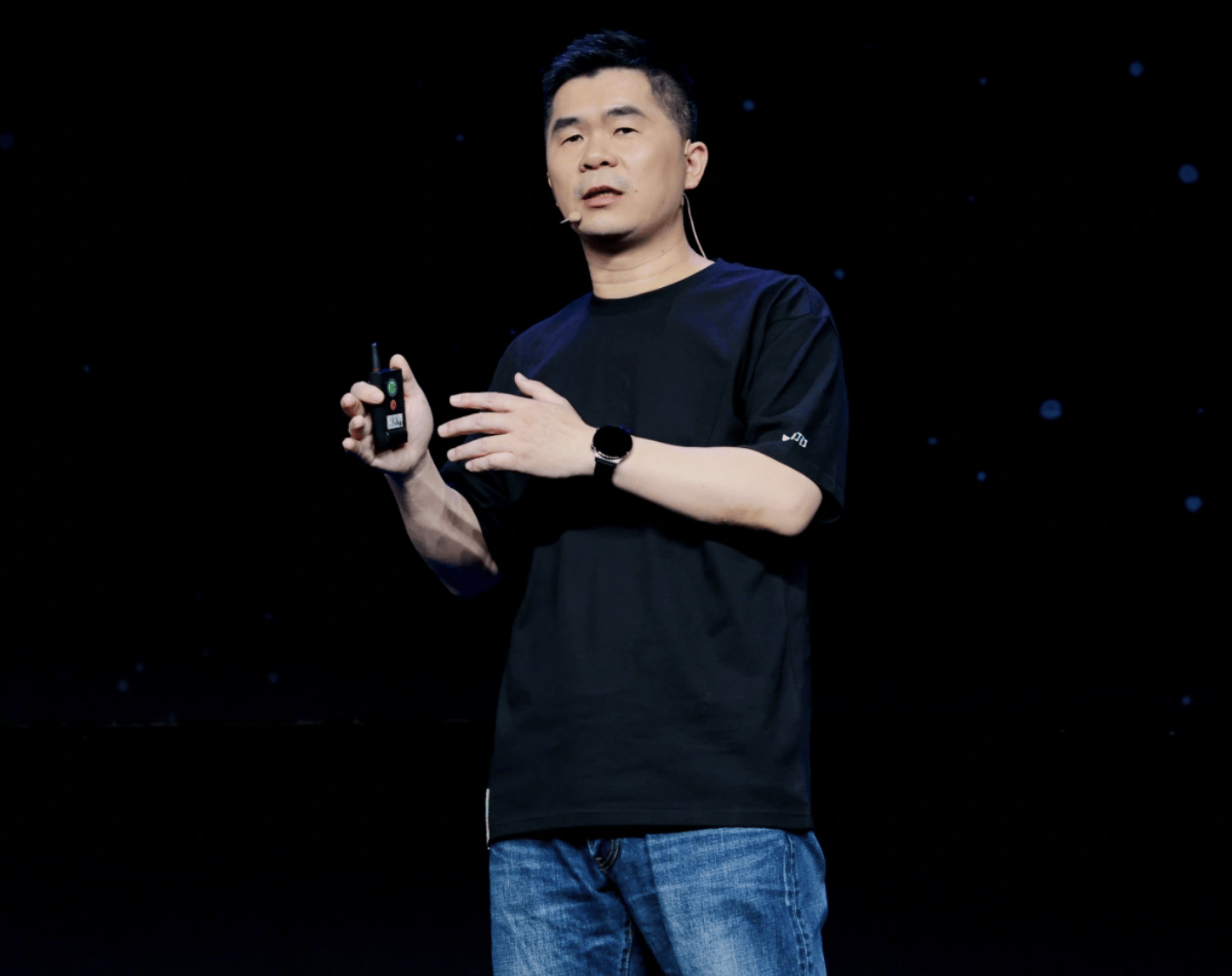
Core Viewpoint - The departure of former DingTalk CEO Ye Jun (alias: Buqiong) has raised questions about the effectiveness of the cloud-integration strategy and AI innovation at Alibaba, with comparisons drawn to competitors like Feishu [1][3][19]. Group 1: Leadership Changes - Ye Jun has officially left his position as CEO of DingTalk after 18 years at Alibaba, with internal communications indicating a "retirement" [1]. - The reasons for Ye Jun's departure were not explicitly stated by Alibaba, only mentioning a reassignment within the group [2]. - The new CEO, Wu Zhao, has been in charge for 100 days, focusing on returning DingTalk to a more entrepreneurial approach, although significant strategic changes have yet to be observed [4]. Group 2: Strategic Shifts - DingTalk has undergone a major strategic adjustment since Ye Jun's tenure, primarily aimed at fulfilling the cloud-integration goals [19]. - The integration of Alibaba Cloud and DingTalk has required a unified sales approach and the establishment of a service system for large clients, which Ye Jun did not develop during his leadership [21]. - Ye Jun's focus was on achieving a balance between commercial efficiency and scale, targeting 100,000 paid enterprises, while Wu Zhao aimed for a broader user base of 1 billion [25][24]. Group 3: Competitive Landscape - The competitive landscape has shifted, with Feishu gaining significant traction and adopting strategies that cater to larger clients, contrasting with DingTalk's focus on small and micro enterprises [32]. - Feishu's approach includes subscription models and tailored services, which have proven attractive to larger clients, highlighting the need for DingTalk to leverage its established capabilities in serving big clients [32]. - The market dynamics have changed since the pandemic, and DingTalk must reassess its positioning to remain competitive against Feishu [31][32].

阿里18年老将副总裁、钉钉前CEO叶军悄然离职,曾推钉钉商业化转型
Sou Hu Cai Jing· 2025-07-14 11:44
Group 1 - Alibaba's Vice President and former DingTalk CEO Ye Jun has left the company after 16 years of service, having held key positions in various sectors including software and cross-border e-commerce [2] - During his tenure, Ye Jun led DingTalk to achieve annual revenue exceeding 3 billion yuan, transitioning the focus from daily active users to annual recurring revenue and active enterprises [2] - Despite these achievements, internal reports indicate that DingTalk lagged behind competitors in AI innovation and did not meet expectations for the "cloud-ding integration" strategy [2] Group 2 - Ye Jun's departure may signal the end of the "scale-first" era for internet giants, as the industry shifts towards a need for "disruptors" rather than just "operators" in the AI age [3] - Following Ye Jun's exit, Alibaba announced the acquisition of "Two Hydrogen and One Oxygen" (HHO) and brought back Chen Hang as DingTalk's CEO, who is expected to enhance AI capabilities within the platform [2][3]
阿里巴巴副总裁叶军离职!
21世纪经济报道· 2025-07-14 09:06
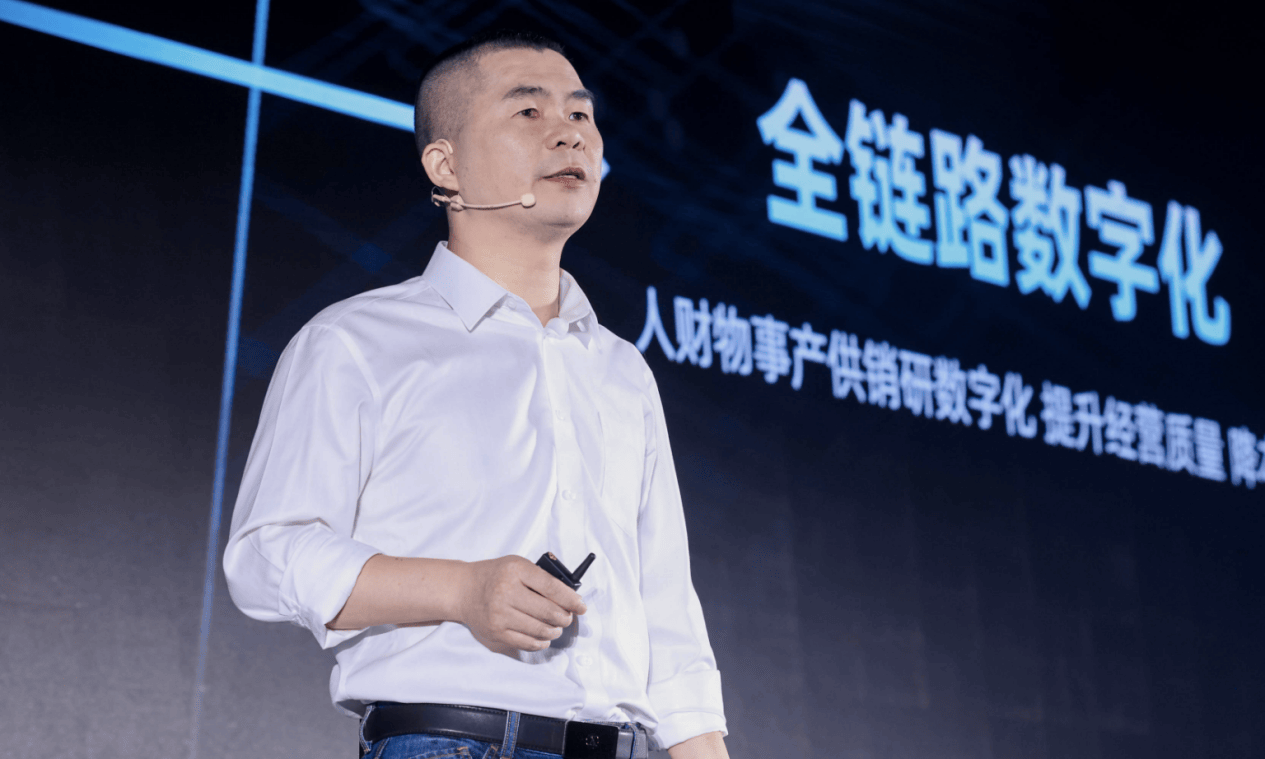
Core Viewpoint - The recent departure of Alibaba Group Vice President and former DingTalk CEO Ye Jun indicates a significant shift in leadership and strategy within the company, particularly regarding DingTalk's future direction and its integration with Alibaba Cloud [1][2][3]. Group 1: Leadership Changes - Ye Jun has completed the approval process for his departure from Alibaba, following his earlier resignation as the legal representative and CEO of DingTalk in May [1][2]. - Chen Hang, the founder of DingTalk, has returned to lead the company, taking over from Ye Jun, which suggests a potential shift back to a more independent growth strategy for DingTalk [2][3]. Group 2: Strategic Developments - Under Ye Jun's leadership, DingTalk focused on expanding its large customer base while maintaining growth among small and medium-sized clients, emphasizing the need for customized solutions for larger enterprises [4]. - DingTalk's annual recurring revenue (ARR) surpassed $200 million (approximately 1.45 billion RMB) during the first half of Alibaba's 2025 fiscal year, indicating successful commercialization efforts [4]. Group 3: Historical Context and Achievements - Ye Jun joined Alibaba in 2007 and has held various leadership roles, contributing to the development of several key products, including DingTalk, which has over 300 million users and more than 50 million enterprise organizations using the platform [5]. - DingTalk's subscription revenue exceeded 3 billion RMB in the 2025 fiscal year, showcasing its growth and the effectiveness of its business strategies [5].
分分合合,钉钉回到“无招”时代
Bei Jing Shang Bao· 2025-04-01 13:12
Core Viewpoint - Alibaba Group plans to acquire shares from Chen Hang (alias: Wuzhao), the founder of Two Hydrogen and One Oxygen Company, with Chen set to become the CEO of DingTalk after the transaction. This move indicates a strategic shift for DingTalk as it aligns with Alibaba's future vision for the platform [2]. Group 1: Leadership Changes - Chen Hang's return to DingTalk is unexpected, as he previously left to align with Alibaba's cloud integration strategy, which focused on larger enterprises, while DingTalk's mission was to serve small and medium-sized enterprises [3]. - The current CEO of DingTalk, Ye Jun (alias: Buqiong), will return to Alibaba Group for another role, marking a significant leadership transition within the company [2]. Group 2: Business Performance and Strategy - As of March 31, 2020, DingTalk had over 300 million users and more than 50 million enterprises using the platform, showcasing its rapid growth [3]. - Under Ye Jun's leadership, DingTalk achieved significant commercial success, with subscription revenue exceeding 3 billion yuan in the 2025 fiscal year [4]. - The strategic emphasis on "cloud and DingTalk integration" has diminished, and DingTalk is now positioned as an independent company, which may allow for more focused development [4]. Group 3: Future Direction - Chen Hang's return is seen as a move to align DingTalk with Alibaba's intelligent strategy, positioning it as a key product for AI applications targeting the enterprise sector [5]. - Alibaba's future strategy emphasizes user-centric and AI-driven approaches, with DingTalk expected to play a crucial role in enhancing enterprise collaboration through AI [4][5].

阿里拟收购「两氢一氧」,无招回归钉钉|36氪独家
36氪· 2025-04-01 00:34
Core Insights - Alibaba Group plans to acquire shares from Chen Hang (Wuzhao), the founder of the company "Two Hydrogen and One Oxygen," with the intention of appointing him as the new CEO of DingTalk. The former CEO, Ye Jun (Huajing), will return to Alibaba Group [3][4] - DingTalk has become the largest enterprise service collaboration application in China, boasting over 700 million users and more than 5,600 ecosystem partners across 20 national economic sectors [3][4] - The return of Wuzhao aligns with Alibaba's current AI strategy, emphasizing a user-first and AI-driven approach, as the company refocuses on its core business [6][4] Company Developments - Wuzhao, a key figure in Alibaba's To B business, originally created DingTalk from scratch, which has now become a flagship product within Alibaba's ecosystem [3][4] - After leaving DingTalk in 2020, Wuzhao attempted to establish a new venture, "Two Hydrogen and One Oxygen," focusing on cross-border e-commerce, but the "Cloud-DingTalk Integration" strategy did not last long [6][4] - In August 2023, DingTalk was separated from Alibaba Cloud and returned to the Alibaba Group, which reflects a shift in strategy as the company aims to consolidate its operations [6][4] Strategic Shifts - The "Cloud-DingTalk Integration" strategy was initially aimed at boosting Alibaba Cloud's revenue, but it created conflicting goals with DingTalk's focus on scale [4] - Following the departure of Zhang Yong (Xiaoyaozi), Alibaba has undergone a series of reforms led by Wu Yongming, reaffirming its commitment to AI and user-centric strategies [6][4] - Alibaba's AI flagship application "New Quark" was launched in March 2025, indicating a renewed focus on consumer-facing products and the exploration of new AI product forms [6][4]