
固体废物处理

Search documents
垃圾回收转运不能卡壳
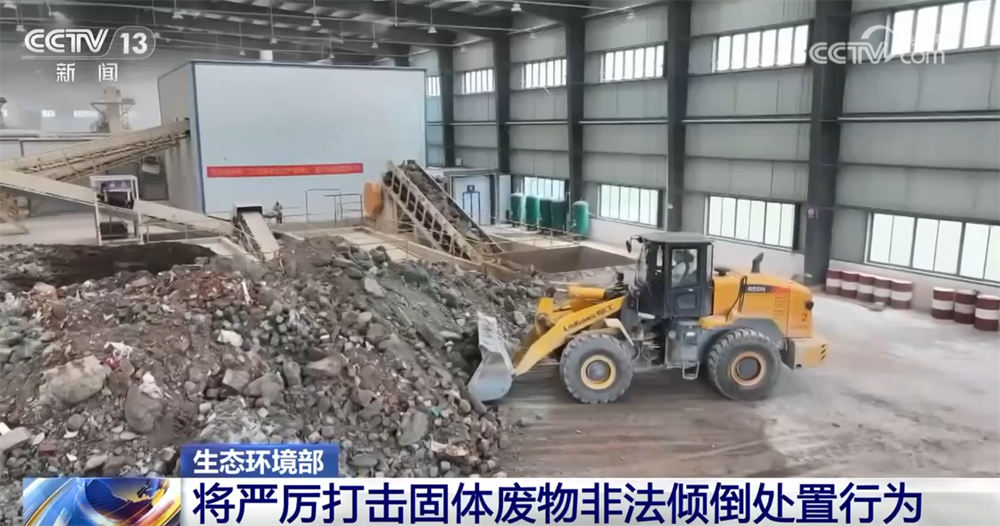
Jing Ji Ri Bao· 2026-02-07 22:09
Core Insights - The Chinese government has issued the "Solid Waste Comprehensive Governance Action Plan" to standardize urban solid waste recycling and transportation systems, aiming to enhance waste classification and resource utilization levels [1] - China generates over 11 billion tons of various solid waste annually, including industrial, construction, household, agricultural, and hazardous waste, highlighting the need for efficient waste management systems [1] Group 1: Waste Management Challenges - There is a significant increase in public participation in waste classification, but the "last mile" of waste disposal still faces challenges, particularly in the layout and distribution of recycling points [1] - The integration of classification points and recycling points is necessary to create a comprehensive network that facilitates easy waste sorting and collection for residents [1] Group 2: Technological Innovations - New models and technologies, such as "Internet + Recycling," are emerging to improve solid waste recycling and transportation efficiency, including smart recycling cabinets and digital management platforms [2] - The exploration of multi-channel integration and online-offline collaboration in recycling models is essential for enhancing operational efficiency and control in solid waste management [2] Group 3: Regulatory Framework - Strict regulatory measures are required for construction sites and temporary storage areas to ensure comprehensive information management of solid waste sources, storage, and transportation [2] - Dynamic monitoring of transportation vehicles is crucial to prevent littering and improper disposal of construction waste, particularly to avoid transferring urban waste to rural areas [2] Group 4: Environmental Goals - Effective solid waste recycling and transportation are vital for advancing the construction of a beautiful China, contributing to cleaner cities and more livable environments [2]
青海推进非法倾倒处置固废专项整治三年行动
Zhong Guo Xin Wen Wang· 2026-02-06 14:08
Core Viewpoint - The Qinghai provincial government is intensifying efforts to address illegal solid waste disposal through a three-year action plan, emphasizing the importance of solid waste management in line with national policies [1][2] Group 1: Government Actions and Plans - A special meeting was held to review and deploy the three-year action plan for the rectification of illegal solid waste disposal, alongside the inspection and rectification of tailings pond hazards [1] - The provincial government has made significant progress in solid waste management, with ongoing efforts to address environmental pollution from landfills and illegal waste disposal [1] - The meeting highlighted the need for local governments and relevant departments to enhance political awareness and responsibility in solid waste management [1] Group 2: Key Strategies and Focus Areas - The meeting outlined five critical strategies for solid waste management: 1. Source reduction through strict industry access and addressing historical solid waste storage issues [2] 2. Coordinated collection and transportation, improving disposal facilities and recycling systems [2] 3. Deepening resource utilization by overcoming technological bottlenecks and expanding application scenarios [2] 4. Strengthening regulatory enforcement and developing a comprehensive monitoring network [2] 5. Promoting collaborative governance to ensure compliance and safety in waste disposal operations [2]
推进固废资源化利用
Jing Ji Ri Bao· 2026-02-01 21:59
Core Insights - The State Council has issued the "Solid Waste Comprehensive Management Action Plan," aiming for an annual comprehensive utilization of 4.5 billion tons of major solid waste and 510 million tons of main recycled resources by 2030, providing a clear roadmap and timeline for solid waste resource utilization [1] - China generates over 11 billion tons of various solid waste annually, with historical industrial solid waste storage exceeding 33 billion tons, occupying over 3,500 square kilometers, highlighting the urgency of solid waste management and the potential for resource utilization [1] - Under the "dual carbon" goals, solid waste resource utilization is evolving beyond environmental management to become a key support for resource security in China, with the action plan focusing on resource conservation and efficient utilization [1] Group 1 - The action plan emphasizes three specific tasks: strengthening the comprehensive utilization of major solid waste, enhancing the recycling level of renewable resources, and promoting the application of recycled materials [1] - The plan calls for the use of new technologies, processes, and methods to expand the depth and breadth of solid waste comprehensive utilization [2] - It aims to create a dynamic balance between demand-driven supply and supply-creating demand, enhancing the level of solid waste resource utilization [2] Group 2 - The action plan includes initiatives such as efficient extraction of valuable components, diversified utilization of coal gangue, and upgrading "urban mineral" demonstration bases [2] - It encourages enterprises to increase the proportion of recycled materials used and to include more eligible recycled materials and products in government green procurement [2] - A cautious approach is recommended for solid waste types that are currently difficult to utilize economically, suggesting alternative ecological disposal methods until conditions for resource recycling are met [2]
全国人大代表苏荣欢:推动固体废物综合治理
Ren Min Ri Bao· 2026-01-23 06:41
Group 1 - The core viewpoint emphasizes the need for comprehensive solid waste management and the establishment of standardized rules to reduce regional discrepancies in waste treatment and disposal [1] - It is suggested that clear processing procedures, technical indicators, and quality requirements for various types of solid waste should be defined to provide guidance for enterprises and regulatory bodies [1] - Resource recycling is identified as a key aspect of solid waste management, advocating for the transformation of solid waste from "waste" to "resource" and encouraging innovative processing technologies to improve recycling rates [1] Group 2 - The issue of low-price and disorderly competition within the industry is highlighted, where some companies compromise on quality for short-term profits, negatively impacting waste treatment effectiveness and the industry's ecosystem [2] - There is a call for strengthened regulatory enforcement and increased penalties for non-compliant companies, along with the establishment of strict industry entry and exit mechanisms to promote sustainable industry development [2]
何为“无废城市”?让城市“代谢”更高效
Yang Shi Wang· 2026-01-20 22:09
Group 1: Overview of "Waste-Free City" Initiative - The Ministry of Ecology and Environment announced a significant push for "Waste-Free City" construction, aiming to expand pilot cities to around 200 by 2027, with a goal of 60% of cities participating by 2027 and full coverage by 2035 [1] - "Waste" in "Waste-Free City" refers to solid waste, including household garbage, construction waste, industrial waste, agricultural waste, and hazardous waste [2] Group 2: Current Challenges and Environmental Impact - Over 600 major cities in China face significant challenges with high volumes of solid waste, leading to severe environmental issues such as water, air, and soil pollution [6] - Historical waste accumulation has not been effectively managed, posing risks to human health and the environment [6] Group 3: Concept and Goals of "Waste-Free City" - The concept of a "Waste-Free City" does not imply zero waste production but aims for a green, circular development model that minimizes waste impact on urban environments and residents [8] - The initiative focuses on promoting green production and living, with strict management processes to enhance resource recovery and high-value recycling [8] Group 4: Innovative Solutions and Case Studies - In Zhejiang, the province plans to collect and process 7.64 million tons of perishable waste by 2025, achieving a 100% harmless treatment rate, which will contribute to urban green development [9] - The New Chang County's kitchen waste disposal center efficiently processes perishable waste, converting it into high-quality insect protein and organic fertilizer, generating economic benefits of over 5 million yuan [13] - In Chongqing, construction waste, which constitutes over 40% of urban solid waste, is being processed into various reusable materials, with a resource utilization rate of 69% and plans to reach 80% during the 14th Five-Year Plan [20] Group 5: Economic and Environmental Benefits - The transformation of marble tailings into usable materials has significantly increased their economic value, with annual processing of over 2 million tons and a potential output value exceeding 3 billion yuan [20]

“十五五”期间,如何强化固体废物综合治理的政策与法治保障?
Zhong Guo Huan Jing Bao· 2026-01-18 23:32
Core Viewpoint - The 20th Central Committee of the Communist Party of China has made systematic deployments for accelerating economic and social development through comprehensive green transformation, specifically emphasizing the implementation of a solid waste comprehensive management action plan [1] Group 1: Development History of Solid Waste Management - China's solid waste management began in the 1970s and 1980s, with the Solid Waste Pollution Prevention Law enacted in 1996 marking the start of legal governance in this area [2] - The law has undergone several revisions, enhancing pollution prevention measures and clarifying responsibilities since the 18th National Congress of the Communist Party [2] - Significant reforms have been implemented, including mandatory waste classification and the prohibition of foreign waste imports, leading to the establishment of a "waste-free city" pilot program [2][3] Group 2: Current Progress and Future Directions - During the 14th Five-Year Plan period, major advancements in solid waste management have been achieved, including the near-completion of zero import reforms and the implementation of differentiated management for five categories of solid waste [3] - The State Council has issued the Solid Waste Comprehensive Management Action Plan, outlining key tasks for the next five years, focusing on source reduction, standardized collection, resource utilization, harmless disposal, and special rectification [3] Group 3: Policy and Regulatory Shortcomings - The current policy and regulatory framework for solid waste management is fragmented, with laws scattered across multiple regulations, leading to conflicts and unclear definitions [4][5] - The existing regulatory system relies heavily on punitive measures, with insufficient positive incentives for resource utilization and recycling [6][7] Group 4: Pathways for Strengthening Legal and Policy Framework - The 15th Five-Year Plan should focus on achieving carbon peak goals, emphasizing systematic governance and circular economy principles to transition from fragmented control to comprehensive management [8] - Key recommendations include integrating existing laws into a cohesive legal framework, revising critical regulations, and enhancing accountability and credit supervision [9] Group 5: Enhancing Support and Incentives - A balanced policy toolbox should be developed, incorporating tax incentives, green procurement, and resource utilization subsidies to encourage source reduction and recycling [10] - Financial policies should be strengthened to support solid waste management projects, including the establishment of specialized funds and promoting green finance [10] Group 6: Collaborative Governance Mechanisms - A high-level inter-departmental coordination mechanism should be established to unify policy goals and enhance collaborative regulation across various sectors [11] - Cross-regional cooperation mechanisms for solid waste disposal should be developed, including ecological compensation systems and standardized transfer processes for hazardous waste [11][12]
解决固废处理顽疾的关键,是要形成可持续的商业模式
第一财经· 2026-01-15 03:09
Core Viewpoint - The article discusses the recently released "Comprehensive Solid Waste Management Action Plan" by the State Council, emphasizing the need for sustainable business models in solid waste management to address the significant challenges posed by the large volume of solid waste generated in China [2][5]. Group 1: Current Market and Challenges - China's solid waste treatment market has reached a scale of 945.877 billion yuan in 2024, indicating substantial growth potential as both historical and current solid waste needs to be managed under the principles of a circular economy [3]. - The annual generation of solid waste exceeds 11 billion tons, including industrial, construction, household, agricultural, and hazardous waste, presenting numerous challenges in comprehensive management [2]. Group 2: Government Role and Policy Support - The government plays a crucial role in providing policy support for the solid waste treatment industry, utilizing investment, technology, land use, and tax incentives to foster sustainable business models [5]. - Specific policies include coordinating existing funding channels for resource recycling projects and ensuring that at least 1% of industrial land is allocated for resource recycling facilities [5]. Group 3: Technological Advancements - Technological progress is fundamental for improving both input and output in solid waste management, with recent breakthroughs in key technologies being widely applied [6][7]. - The Action Plan calls for continued research and development of critical recycling technologies and major equipment, with active participation from fiscal investments, social capital, and enterprises [7]. Group 4: Business Model Development - There is a need for operating entities to explore and establish unique business models, transitioning from a "project-led" to a "model-led" approach in solid waste management [8]. - The competitive landscape in the solid waste treatment sector is intensifying, with a minimum registered capital of 100 million yuan becoming the baseline for participation, highlighting the importance of having a mature business model for sustainable growth [8].
广州强化固废综合治理 深入推进“无废城市”建设
Zhong Guo Xin Wen Wang· 2026-01-14 04:43
Group 1 - Guangzhou aims to advance the "waste-free city" initiative by 2025, focusing on solid waste reduction, resource utilization, and harmless disposal [1][2] - The city is enhancing its hazardous waste collection network, implementing regulations for the recycling of used batteries from electric bicycles, and has established 2,185 intelligent collection facilities for waste mineral oil [1] - A pilot program for the centralized collection of waste lead-acid batteries is expected to yield a total collection of approximately 33,000 tons by 2025, representing a year-on-year increase of 35.6% [1] Group 2 - Guangzhou is conducting special inspections and remediation actions, verifying 57 illegal solid waste disposal cases and cleaning approximately 38,800 tons of various solid waste [2] - The city is focusing on the meticulous management of hazardous waste, with a 99.89% compliance rate in annual assessments of hazardous waste generation units, marking a continuous increase over three years [2] - By 2026, Guangzhou plans to deepen the "waste-free city" initiative, supporting high-quality development through a high-quality ecological environment [2]
严打固体废物非法倾倒处置行为 2035年“无废城市”建设将实现全覆盖
Yang Shi Wang· 2026-01-13 10:08
Core Viewpoint - The Chinese government has launched a comprehensive action plan for solid waste management, aiming to tackle illegal disposal and promote sustainable waste practices across the country [1][3]. Group 1: Solid Waste Generation and Issues - China generates over 11 billion tons of solid waste annually, including industrial waste, construction debris, and household garbage [1]. - Illegal disposal of construction and household waste remains a significant issue, with a wide-ranging impact on the environment [1]. Group 2: Special Rectification Actions - The Ministry of Ecology and Environment is conducting a special campaign against illegal solid waste disposal, identifying 27,000 issues nationwide by the end of 2025 [3]. - Of the identified issues, construction waste accounts for 45%, household waste for 33%, and industrial solid waste for 10% [3]. Group 3: Future Plans and Goals - By 2027, the proportion of "waste-free cities" in China is expected to reach 60%, with full coverage aimed for by 2035 [6]. - The Ministry plans to expand the "waste-free city" initiative to around 200 cities during the 14th Five-Year Plan, focusing on key urban areas [8]. Group 4: Construction Waste Management - The Ministry of Housing and Urban-Rural Development will include costs related to construction waste management in project budgets, promoting green construction practices [10]. - Measures will be taken to enhance source management, including the implementation of construction waste classification and the installation of satellite tracking systems on transport vehicles [12].
突出问题导向 推动末端治理向全过程防控转变——国务院政策例行吹风会解读《固体废物综合治理行动计划》
Xin Hua She· 2026-01-13 09:29
Core Viewpoint - The State Council has issued the "Solid Waste Comprehensive Governance Action Plan," emphasizing the importance of solid waste management in promoting a beautiful China and accelerating the green transformation of economic and social development [1] Group 1: Action Plan Overview - The action plan outlines the overall approach, work objectives, key tasks, and support measures for solid waste governance, addressing prominent issues in solid waste management with systematic and integrated policy measures [1][2] - It marks the first comprehensive deployment document for solid waste governance in China, complementing previous pollution prevention documents related to water, soil, and air [1] Group 2: Key Principles and Goals - The governance approach follows the principles of "reduction, resource utilization, and harmlessness," with a focus on enhancing resource utilization efficiency [2] - China generates over 11 billion tons of industrial solid waste and construction waste annually, necessitating a three-year special rectification action against illegal dumping [2] Group 3: Specific Initiatives - The "Zero Waste City" initiative will be expanded to around 200 cities during the 14th Five-Year Plan period, promoting collaborative efforts in key urban regions [3] - The Ministry of Agriculture will focus on solid waste management in agriculture, emphasizing the recycling of agricultural waste and the promotion of biodegradable materials [4] Group 4: Construction Waste Management - The Ministry of Housing and Urban-Rural Development will enhance construction waste management through source management, green construction practices, and the establishment of temporary storage facilities [5] - A comprehensive electronic management system will be implemented to ensure effective construction waste disposal [5] Group 5: Industrial Solid Waste Utilization - The comprehensive utilization rate of major industrial solid waste in China is reported to be 57%, with ongoing efforts to reduce waste generation and promote green manufacturing [5] - The Ministry of Industry and Information Technology will focus on advancing comprehensive utilization technologies and managing key waste categories [5]