人工智能创业

Search documents
“商汤系”跑出一堆独角兽,可闫俊杰无法复制
3 6 Ke· 2025-12-24 08:16
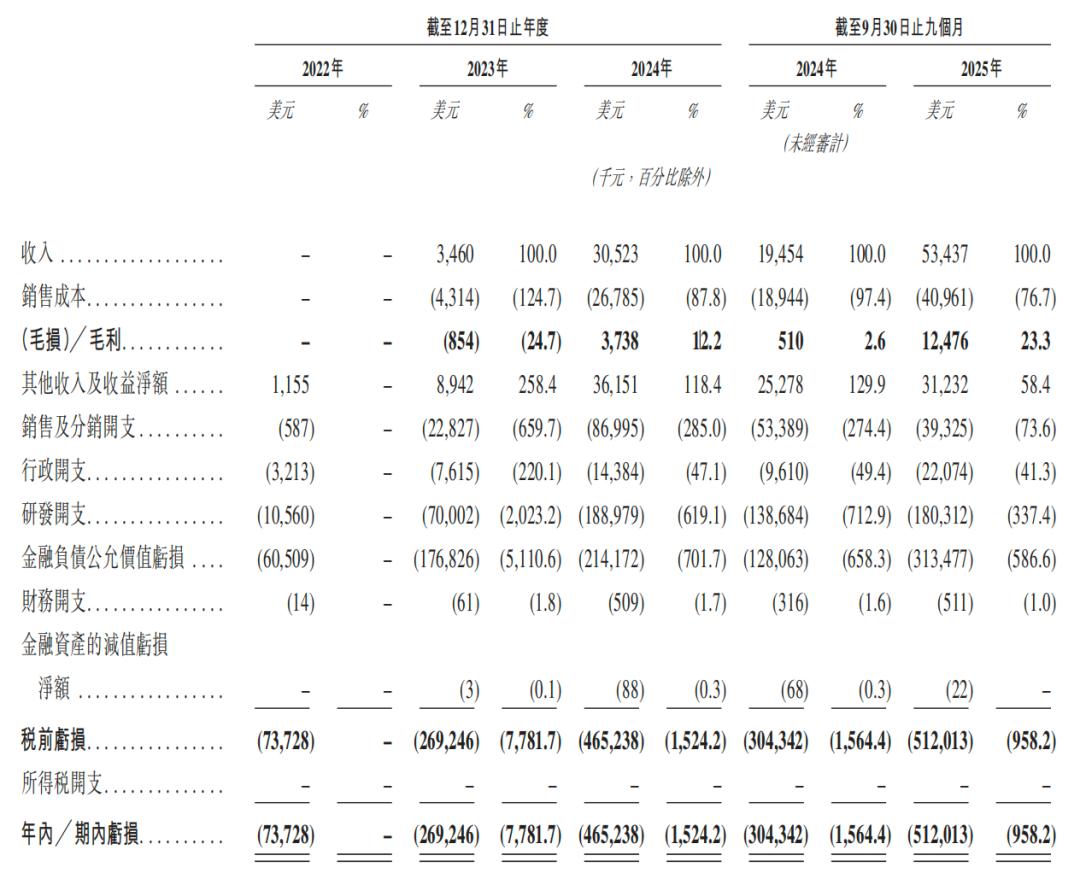
Core Insights - The article highlights the emergence of AI companies from the "SenseTime system," particularly focusing on MiniMax and its rapid growth in the AI sector, positioning it as a significant player alongside other startups like Vivix AI [1][4]. Financial Performance - MiniMax has achieved significant revenue growth, with a reported income of $53.437 million for the first nine months of 2025, surpassing its total revenue of $30.523 million for the entire year of 2024 [2][3]. - The company is nearing breakeven for its consumer products, indicating a positive trend in its financial health [2]. Company Background - MiniMax was founded by Yan Junjie, a former executive at SenseTime, showcasing a strong connection between the two companies [1][5]. - The company is part of a broader trend where many successful AI startups are emerging from the SenseTime ecosystem, leveraging the technical expertise and experience gained from their parent company [4][7]. Market Position - MiniMax is recognized as one of the few Chinese AI companies that have entered the "billion-yuan annual revenue club," reflecting its competitive position in the market [2]. - The company has developed a diverse product matrix, including notable AI applications like Talkie and the MoE model, which have received positive feedback both domestically and internationally [12][13]. Talent and Expertise - The success of MiniMax and other SenseTime-affiliated startups is attributed to the unique combination of technical skills and practical experience possessed by their founders, many of whom have a strong background in AI research and development [9][10]. - The article emphasizes the importance of having both technical achievements and a comprehensive product development history in the AI startup landscape [9][11]. Investment Landscape - The rapid growth and promising prospects of MiniMax have attracted significant investment interest, with the company expected to go public in early 2026 [2][5]. - Other startups from the SenseTime ecosystem, such as Vivix AI and VAST, have also seen substantial valuations and funding, indicating a robust investment climate for AI ventures linked to SenseTime [4][15].

AI创业浪潮席卷全球,如何避免陷阱,抓住机遇?| NEX-T Summit 2025
Tai Mei Ti A P P· 2025-10-09 08:20
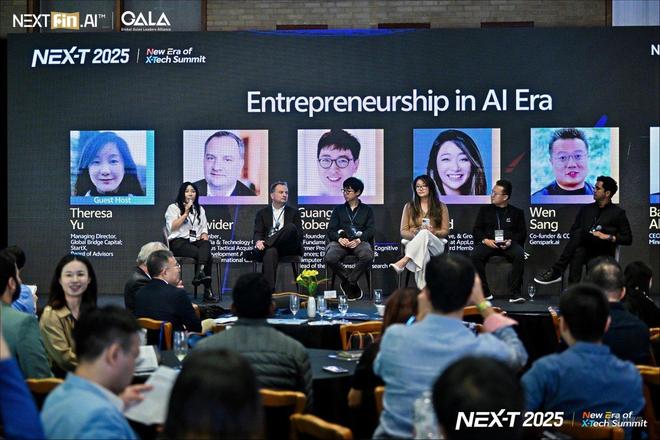
Core Insights - The AI wave is reshaping every industry, leading to a surge in AI-related startups that present both opportunities and challenges for entrepreneurs [1][2]. Opportunities in AI - Key opportunities lie in addressing inefficiencies in various sectors, particularly in areas that remain "low efficiency" despite AI applications [4][5]. - Entrepreneurs should focus on practical implementations of AI to drive meaningful revenue growth rather than chasing the elusive "trillion-dollar company" dream [5][19]. - The concept of "results-oriented AI" is emphasized, highlighting the need for effective application of AI tools to achieve tangible outcomes [6][17]. - Vertical market efficiency is identified as a significant opportunity, where startups can solve niche problems that larger companies may overlook [6][18]. Traps in AI Entrepreneurship - A major trap is the failure to apply AI in a way that delivers useful results, with a high failure rate of current AI applications indicating many remain in the "toy" phase [6][9]. - The competitive landscape is increasingly dominated by tech giants, raising concerns about the viability of new startups becoming the next major players [6][18]. - The rapid pace of AI development means that traditional competitive advantages, or "moats," may not be sustainable, necessitating continuous innovation and adaptation [7][24]. Industry Transformation - AI is fundamentally transforming industries, with media moving towards AI-generated content and personalized content aggregation [9][26]. - In advertising, AI is enhancing recommendation systems and creative intelligence, leading to more effective ad placements and faster iterations [10][29]. - The gaming industry is also experiencing significant efficiency gains through AI, allowing smaller teams to compete with larger companies by leveraging AI tools [10][35]. Commercialization of AI - The commercialization of AI requires bridging the gap between technological vision and practical business models, as many startups struggle to monetize their innovations effectively [11][28]. - Entrepreneurs are encouraged to focus on solving real problems and improving efficiency rather than solely pursuing grand technological ambitions [11][27].


零一万物联创、预训练和C端产品负责人谷雪梅离职创业|智能涌现独家
3 6 Ke· 2025-05-19 05:54
Core Insights - Gu Xuemai, co-founder of Zero One Wanhua, has recently left the company to pursue entrepreneurial ventures, having previously been responsible for model pre-training and C-end products [1][5] - Zero One Wanhua has shifted its business focus from AI ToC applications and model APIs to more mature B-end scenarios, such as digital humans and customized model deployment, since 2025 [1][11] - The departure of Gu Xuemai marks a significant change in the leadership team, with other co-founders also having left, indicating potential challenges for the company's future [11] Company Overview - Gu Xuemai was a prominent figure at Zero One Wanhua, having been recognized for her contributions to model training and C-end product development [5][6] - The company initially aimed to develop C-end products but has since moved away from this strategy due to difficulties in generating revenue [1][11] - Zero One Wanhua's product strategy included the launch of overseas productivity tool PopAi and its domestic counterpart "Wanzhi," as well as the role-playing product Mona, which ultimately faced challenges in user acquisition and revenue generation [7][10][11] Leadership and Historical Context - Gu Xuemai has a notable background, having worked at Google China and held significant positions at Alibaba and T3 Mobility before joining Zero One Wanhua [3][4] - Her departure follows a trend of co-founders leaving the company, which raises questions about the stability and direction of Zero One Wanhua [11] - The company has undergone multiple strategic shifts, with the latest being the integration of its C-end products into its AI search product BeaGo, indicating a pivot in its operational focus [11]