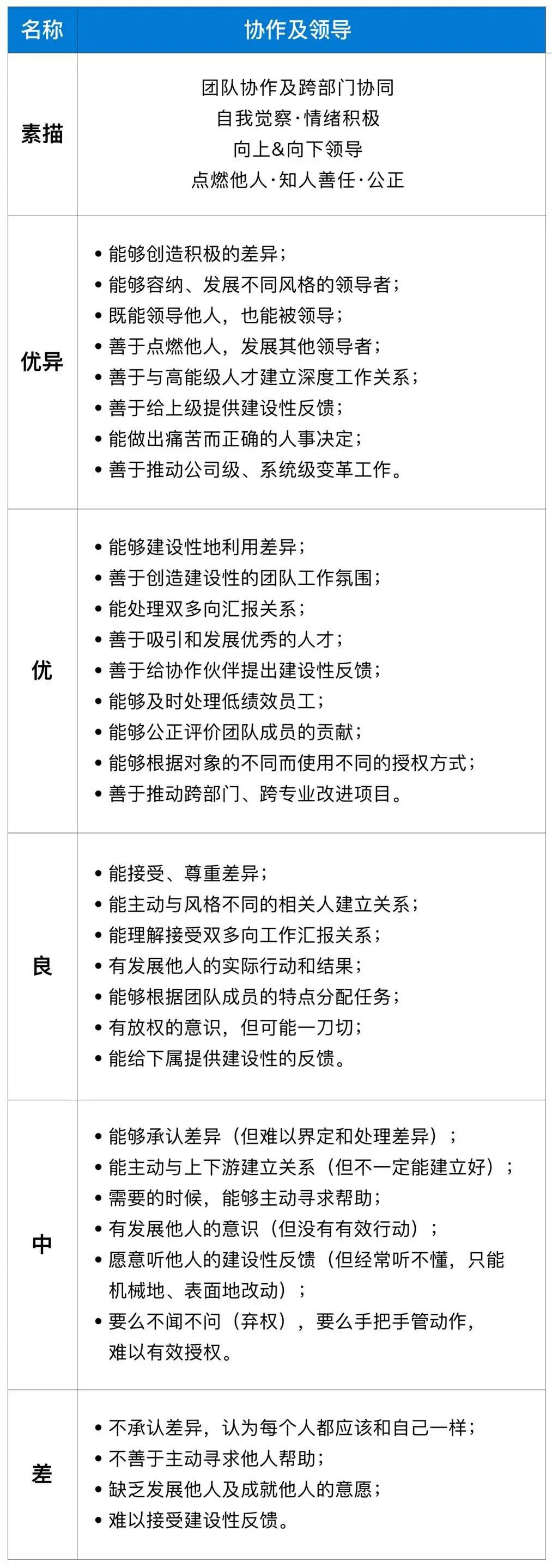
人才发展体系

Search documents
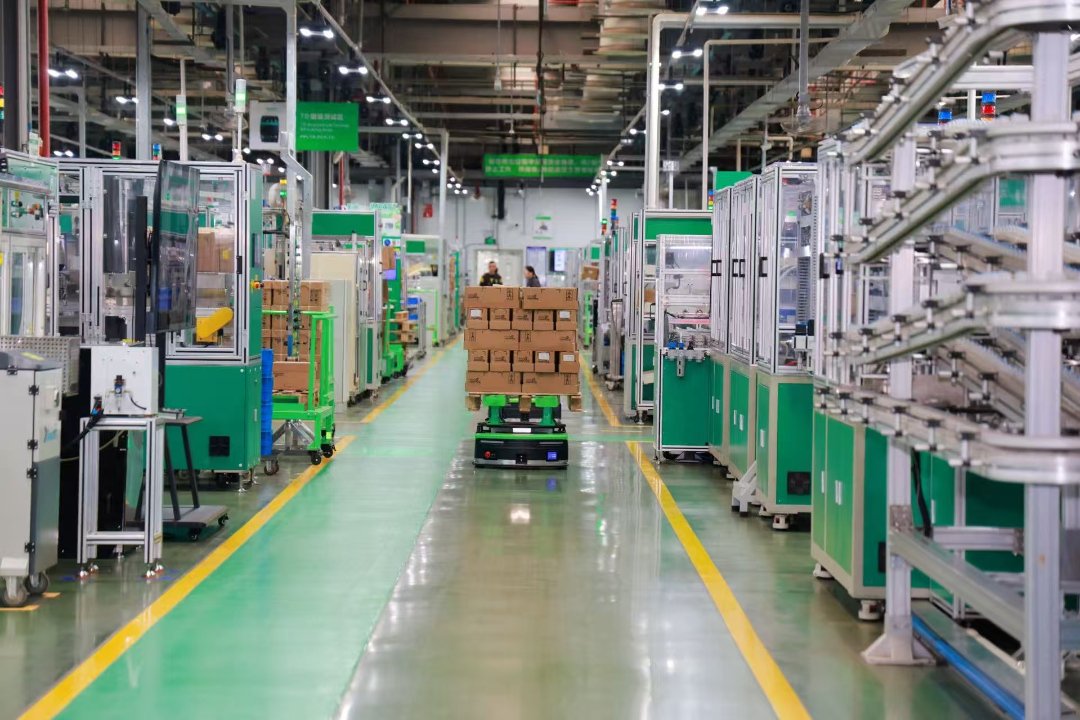
施耐德电气武汉工厂获评“人才灯塔工厂”
Xin Lang Cai Jing· 2026-01-24 10:17
Core Insights - Schneider Electric's Wuhan factory has been recognized as a "Talent Lighthouse Factory" by the World Economic Forum, highlighting its role in the global supply chain and digital transformation strategy [1] Group 1: Automation and Digital Transformation - The Wuhan factory has seen a significant increase in automation levels by 55% over the past five years, and its product portfolio has expanded by 239% [3] - The rapid technological advancements have led to a growing talent gap, which is constraining production efficiency and innovation capabilities [3] Group 2: Talent Development Initiatives - Schneider Electric is implementing a "people-centric" approach by collaborating with 11 vocational schools to create a sustainable skills pipeline, including digital apprenticeship programs and AI laboratories [3] - The company has developed customized training programs that have resulted in 56% of employees achieving skill upgrades, with the proportion of high-level experts increasing from 35% to 76% [3] Group 3: AI and Employee Empowerment - AI is utilized to empower employees rather than replace them, focusing on human-machine collaboration to free employees from repetitive tasks and allow them to concentrate on innovation and value creation [4] - The factory has deployed 21 AI agents to handle routine tasks such as report generation and procurement, and has implemented a people-oriented intelligent scheduling system to balance workload dynamically [4]

我们为何奔向杭州?
Hang Zhou Ri Bao· 2025-11-12 02:26
Core Insights - Hangzhou has been recognized as one of the most attractive cities for foreign talent for 15 consecutive years, with over 2.3 million university graduates under 35 attracted since 2020 [1] - Hangzhou Shiji Group has launched its "Talent Week" initiative aimed at celebrating and enhancing talent development, which is crucial for transforming technological achievements into new productive forces [1] Group 1: Talent Development Initiatives - The "Talent Week" includes various activities such as talent appreciation, mutual learning, and skill competitions, fostering an environment where different talents can interact and grow [1] - The company has established a dual-direction approach to talent development, focusing on flexible recruitment and project-based training for manufacturing professionals [2] Group 2: High-Level Talent and Innovation - High-level talents, such as Dr. Li Xin, are attracted to the company due to its respect for talent and its focus on innovative projects, like the development of bio-based high-protein products [1] - The company has built a high-energy platform system that includes 25 national high-tech enterprises and 32 provincial-level research centers, enhancing its capacity for innovation [2] Group 3: Competitive Skills and Market Insights - Competitions like the "Hangzhou Cup" emphasize practical skills and market insights, with participants showcasing their understanding of customer needs and industry challenges [1] - Sales professionals, such as Zhan Pengfei, highlight the importance of understanding customer difficulties and responding proactively to unmet needs in the market [1]
房晟陶:高管是选出来的,打出来的,还是剩下来的?
3 6 Ke· 2025-05-29 02:35
Core Insights - The article discusses the development of executives in companies, suggesting that many executives are not necessarily selected or cultivated but rather are those who "remain" in the organization due to their ability to tolerate the flaws of the founder [2][40]. Group 1: Executive Development - A significant number of executives in growing private enterprises are often those who can endure the founder's shortcomings, rather than those who are actively selected or trained [2][40]. - The article identifies that the ability to "remain" is distinct from being "cultivated" or "tested," as many who achieve results may not last in the organization [3][40]. Group 2: Founder Flaws - Founders often possess certain flaws that can hinder the formation of a competent executive team, which can lead to stagnation in company growth [4][40]. - The article categorizes founder flaws into two types: those related to values and character, and those related to capabilities, with a focus on the latter [5][11]. Group 3: Characteristics of Remaining Executives - Executives who remain in organizations with flawed founders often share similar shortcomings or have personal ties to the founder, such as being family members or long-time employees [19][21]. - The article notes that many executives who stay may do so out of a sense of loyalty or because they have developed a tolerance for the founder's flaws [22][40]. Group 4: Organizational Dynamics - The article emphasizes that the talent pool in a company can become limited due to the founder's flaws, leading to a situation where the remaining executives are those who can tolerate these issues [31][40]. - It suggests that the perception of talent in such organizations may shift from being based on merit to being based on the ability to endure the founder's shortcomings [32][40]. Group 5: Solutions and Improvements - The article discusses potential strategies for organizations to improve, such as establishing effective selection and training mechanisms for mid-level management to ensure a higher quality talent pool [44][47]. - It also highlights the importance of creating a supportive organizational structure that can help mitigate the impact of a founder's flaws on the overall company performance [48][49].