人机交互创新

Search documents
破防了?罗永浩与豆包吵架上热搜:能吵出心流来
Guan Cha Zhe Wang· 2025-12-31 11:47
Core Viewpoint - The debate between Luo Yonghao and the AI model "Doubao" highlights the ongoing discussion about the strengths and weaknesses of Smartisan Technology's products, particularly the Smartisan phone, despite its market failure and brand exit [1][2]. Group 1: Product Innovation and Market Performance - Luo Yonghao emphasized that Smartisan Technology's innovations in human-computer interaction were industry-leading at the time, with several features later adopted by other manufacturers, asserting that the product's intrinsic value should not be dismissed due to commercial setbacks [2]. - Doubao countered by pointing out significant hardware quality control issues with Smartisan phones, including poor battery life and overheating, which were frequently mentioned in user feedback [2]. Group 2: Historical Context and Public Perception - The debate referenced the early reviews from Zealer, a tech review platform, which highlighted both the design and various shortcomings of the Smartisan T1, leading to a significant drop in its ratings compared to competitors like Xiaomi [4][6]. - The historical conflict between Luo Yonghao and Wang Ziru, the founder of Zealer, is noted as a pivotal moment that amplified the perception of Smartisan's quality control issues, which continue to affect its reputation [8][9]. Group 3: Impact on Industry and Future Implications - The mention of Zealer in the current debate illustrates the lasting impact of past controversies in the tech industry, suggesting that the narrative surrounding Smartisan's product quality remains a significant part of its identity [9]. - The evolution of Zealer's business model and Wang Ziru's shift away from independent reviews reflect broader changes in the tech review landscape, influenced by past events and public perception [8].


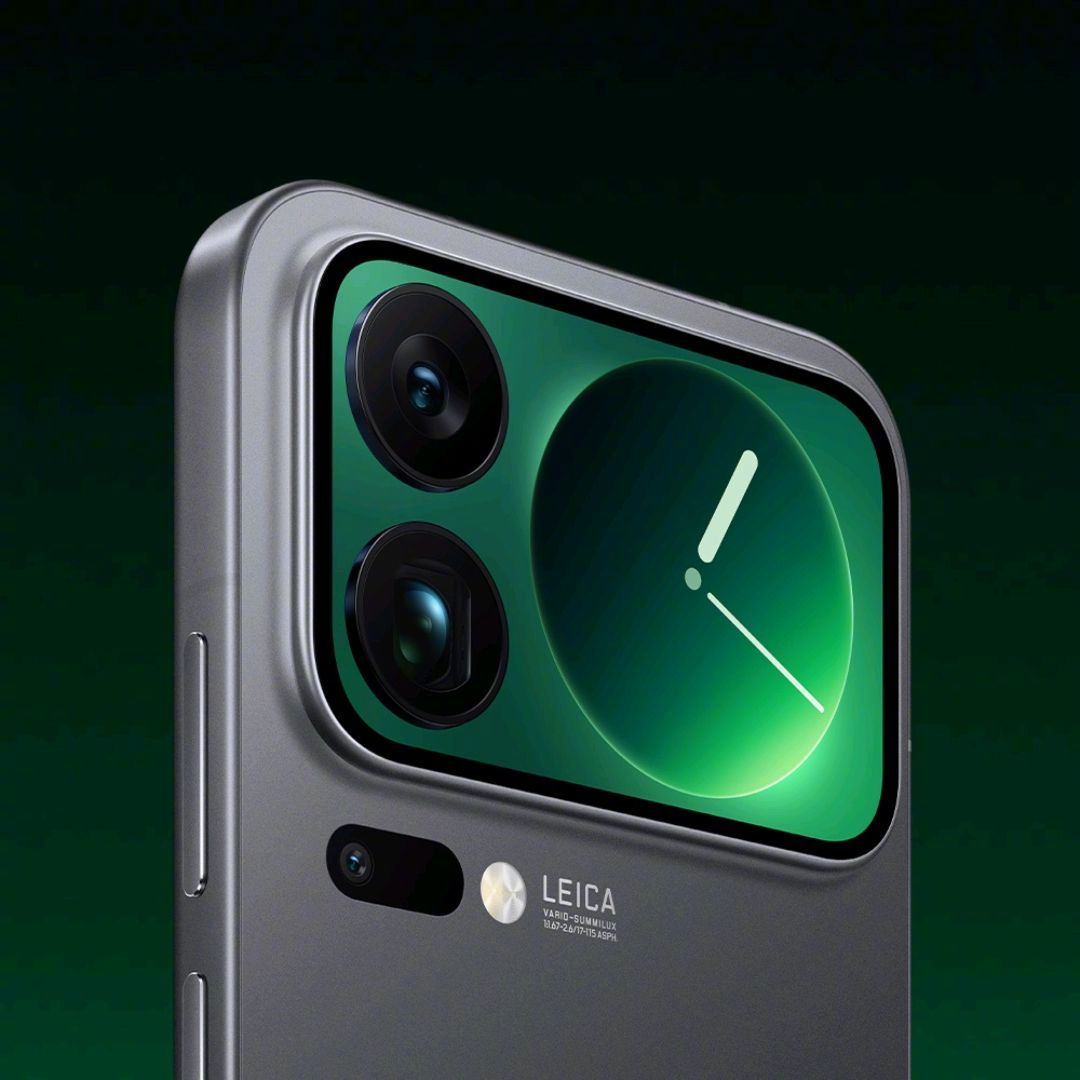
苹果摆烂,小米找补?“妙享背屏”能成为下一个灵动岛吗?
3 6 Ke· 2025-09-17 00:09
Core Viewpoint - Xiaomi is set to launch the Xiaomi 17 Pro and Pro Max smartphones featuring a new "Miao Xiang Back Screen" design, which incorporates an interactive screen on the back of the device, allowing for enhanced user interaction similar to that of foldable phones [1][18]. Historical Context of Back Screens - The concept of adding screens to the back of smartphones is not new, with Meizu's Pro 7 being one of the earliest examples featuring a "screen" for notifications and selfies [8][10]. - Vivo's NEX dual-screen phone represented a more radical approach, integrating a full AMOLED screen on the back to achieve a true full-screen experience, but this design did not gain widespread acceptance due to high costs and limited practical use [12]. - Previous attempts at back screens have often been limited in functionality, leading to a decline in interest from major smartphone manufacturers [12][22]. Current Trends and Innovations - The rise of foldable phones has revived interest in back screens, as they provide additional interaction capabilities without needing to open the device, thus enhancing usability [14][16]. - Xiaomi's "Miao Xiang Back Screen" aims to combine aesthetic appeal with functional interaction, positioning itself as a significant innovation in smartphone design [16][18]. Potential Impact and Challenges - The success of the "Miao Xiang Back Screen" hinges on addressing three key challenges: establishing the necessity of back screen interactions, ensuring system compatibility with third-party applications, and creating intuitive interaction logic that justifies the need to flip the phone [19][21]. - The introduction of the back screen is seen as a potential breakthrough in user interaction, akin to the "Dynamic Island" feature introduced by iPhone 14 Pro, which redefined how screen space is utilized [19][18]. Design and Market Implications - The "Miao Xiang Back Screen" is viewed as a response to design limitations posed by increasingly bulky camera modules, offering a way to enhance the visual appeal and functionality of smartphones [22][24]. - While it may not immediately transform smartphone usage, it opens new avenues for exploration in smartphone design and interaction, suggesting that the conversation around back screens is far from over [24][25].