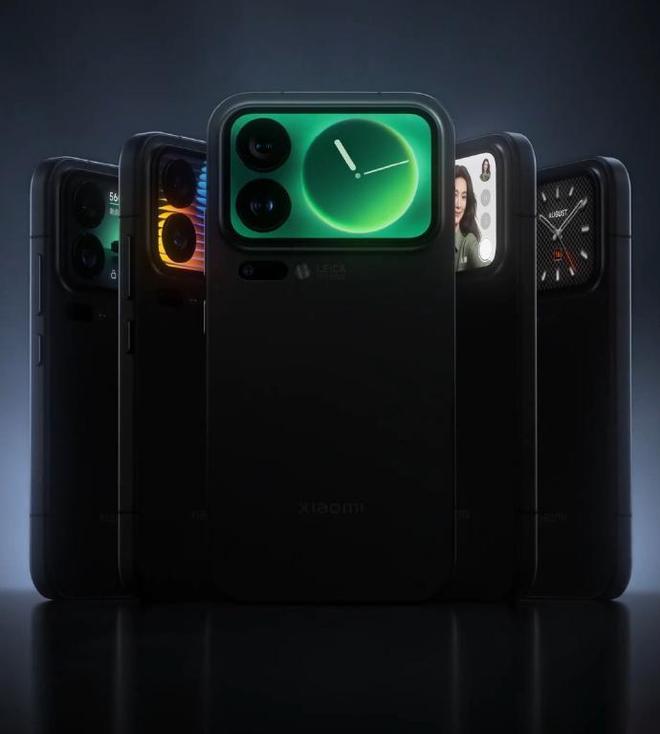
手机背屏设计

Search documents
小米18将延用背屏设计,曾被友商吐槽影响家庭和睦
Guan Cha Zhe Wang· 2025-10-17 07:54
Core Viewpoint - Xiaomi's next-generation flagship smartphone, tentatively named Xiaomi 18 series, will continue the back screen design with more updates, as confirmed by company executives [1][5]. Group 1: Product Development and Sales Performance - The Xiaomi 17 series, launched on September 27, includes three models: Xiaomi 17, Xiaomi 17 Pro, and Xiaomi 17 Pro Max, with the "Miao Xiang Back Screen" being a significant selling point [3][5]. - The R&D investment for the "Miao Xiang Back Screen" exceeded 1 billion yuan, featuring a 2.1-inch AMOLED screen with LTPO adaptive refresh rate [3]. - The Xiaomi 17 series achieved over 1 million units sold within five days of launch, with a 20% increase in overall sales compared to the previous generation, and the Pro series sales reaching three times that of its predecessor [3][5]. Group 2: Consumer Reception and Market Trends - Despite initial skepticism regarding the back screen's utility, it has garnered attention due to features like customizable dynamic wallpapers and interaction with services like ride-hailing and food delivery [3][5]. - The back screen functionality has seen a surge in demand, with users requesting various customizations such as displaying stock information and delivery progress [5]. - The back screen design is not new for Xiaomi, as it was first introduced with the Xiaomi 11 Ultra in March 2021, which received a lukewarm market response [7]. Group 3: Industry Perspectives - Industry opinions on back screen designs are mixed, with some experts criticizing the added power consumption and potential maintenance costs, while others see benefits in customization and functionality [8]. - The reception of Xiaomi's "Miao Xiang Back Screen" is polarized, with some users appreciating its emotional value through personalization, while others question its practicality and battery efficiency [8].



雷军公开小米17Pro背屏设计,此前称对标iPhone
3 6 Ke· 2025-09-17 12:08
Core Insights - Xiaomi officially unveiled the design of the Xiaomi 17 Pro smartphone, featuring a new customizable back screen that includes dual cameras, a flash, and sensors [2][4] - The back screen allows for personalized content display, such as clock themes and various patterns, enhancing user interaction [2] - The Xiaomi 17 series is set to launch this month, with significant upgrades across all models, including the Xiaomi 17, Xiaomi 17 Pro, and Xiaomi 17 Pro Max, which will debut the fifth-generation Snapdragon 8 mobile platform [6] Product Features - The back screen of the Xiaomi 17 Pro can control vehicles and assist with rear camera selfies, showcasing its multifunctionality [4] - The design has received mixed reactions, with many praising its aesthetics while some express concerns about potential scratches [4] - Previous attempts by other brands to implement back screens did not succeed due to limited functionality and lack of frequent use cases [5] Competitive Positioning - Xiaomi's president, Lu Weibing, indicated that the Xiaomi 17 series represents a significant leap in product capabilities, aiming to compete directly with Apple's iPhone series [6][7] - The launch follows Apple's recent product announcements, including the iPhone 17 series, positioning Xiaomi to challenge Apple's market presence [7]
苹果摆烂,小米找补?“妙享背屏”能成为下一个灵动岛吗?
3 6 Ke· 2025-09-17 00:09
Core Viewpoint - Xiaomi is set to launch the Xiaomi 17 Pro and Pro Max smartphones featuring a new "Miao Xiang Back Screen" design, which incorporates an interactive screen on the back of the device, allowing for enhanced user interaction similar to that of foldable phones [1][18]. Historical Context of Back Screens - The concept of adding screens to the back of smartphones is not new, with Meizu's Pro 7 being one of the earliest examples featuring a "screen" for notifications and selfies [8][10]. - Vivo's NEX dual-screen phone represented a more radical approach, integrating a full AMOLED screen on the back to achieve a true full-screen experience, but this design did not gain widespread acceptance due to high costs and limited practical use [12]. - Previous attempts at back screens have often been limited in functionality, leading to a decline in interest from major smartphone manufacturers [12][22]. Current Trends and Innovations - The rise of foldable phones has revived interest in back screens, as they provide additional interaction capabilities without needing to open the device, thus enhancing usability [14][16]. - Xiaomi's "Miao Xiang Back Screen" aims to combine aesthetic appeal with functional interaction, positioning itself as a significant innovation in smartphone design [16][18]. Potential Impact and Challenges - The success of the "Miao Xiang Back Screen" hinges on addressing three key challenges: establishing the necessity of back screen interactions, ensuring system compatibility with third-party applications, and creating intuitive interaction logic that justifies the need to flip the phone [19][21]. - The introduction of the back screen is seen as a potential breakthrough in user interaction, akin to the "Dynamic Island" feature introduced by iPhone 14 Pro, which redefined how screen space is utilized [19][18]. Design and Market Implications - The "Miao Xiang Back Screen" is viewed as a response to design limitations posed by increasingly bulky camera modules, offering a way to enhance the visual appeal and functionality of smartphones [22][24]. - While it may not immediately transform smartphone usage, it opens new avenues for exploration in smartphone design and interaction, suggesting that the conversation around back screens is far from over [24][25].
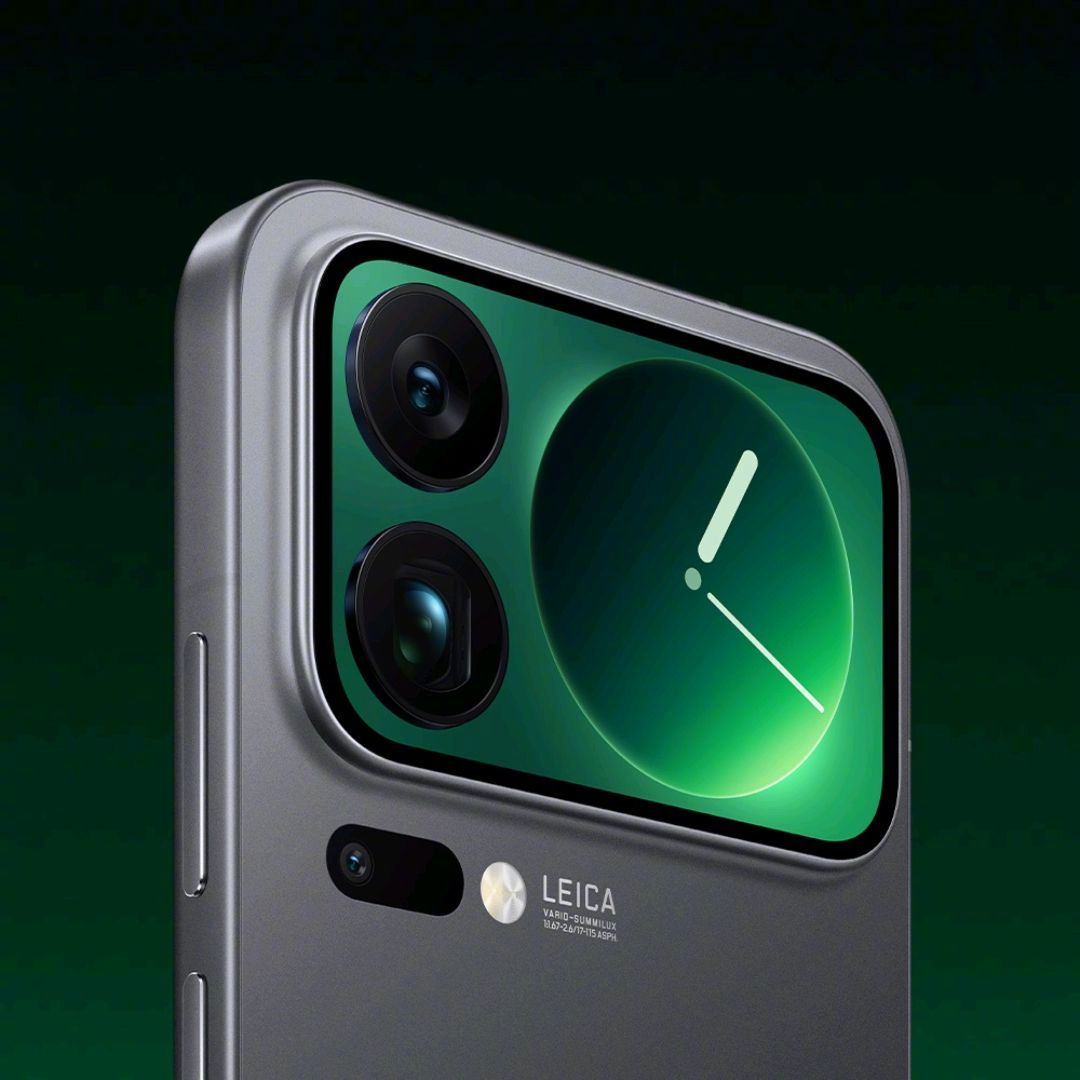
小米17Pro背部长这样,卢伟冰:想带来点“新东西”
Guan Cha Zhe Wang· 2025-09-16 05:21
Core Viewpoint - Xiaomi officially announced the design of the Xiaomi 17 Pro and 17 Pro Max, featuring a new "Miao Xiang Back Screen" design, which has garnered significant attention on social media [1] Group 1: Product Features - The Xiaomi 17 Pro and Pro Max series have abandoned the previous top-left rectangular camera layout, opting for a full-screen secondary display covering the camera area, which can show information like time [1] - The new back screen design is reminiscent of the Xiaomi 11 Ultra series, which also featured a back screen, although the functionality was criticized for being limited and power-consuming [4][5] Group 2: Market Positioning - Xiaomi's president, Lu Weibing, stated that the company will skip the 16 series and directly launch the 17 series, aiming to "directly compete with the iPhone" [1][6] - Lu Weibing emphasized that the Xiaomi 17 series will include three models: Xiaomi 17, Xiaomi 17 Pro, and Xiaomi 17 Pro Max, and will be the first to feature the latest Snapdragon 8 Gen 2 SoC [5] Group 3: Competitive Landscape - Xiaomi's founder and CEO, Lei Jun, expressed confidence in the Xiaomi 17 series, stating that the product capabilities have significantly upgraded to compete directly with the iPhone [6] - There is a perception among some users that the utility of back screens on flat smartphones is limited, as they still need to be taken out to view information, unlike foldable devices [5]