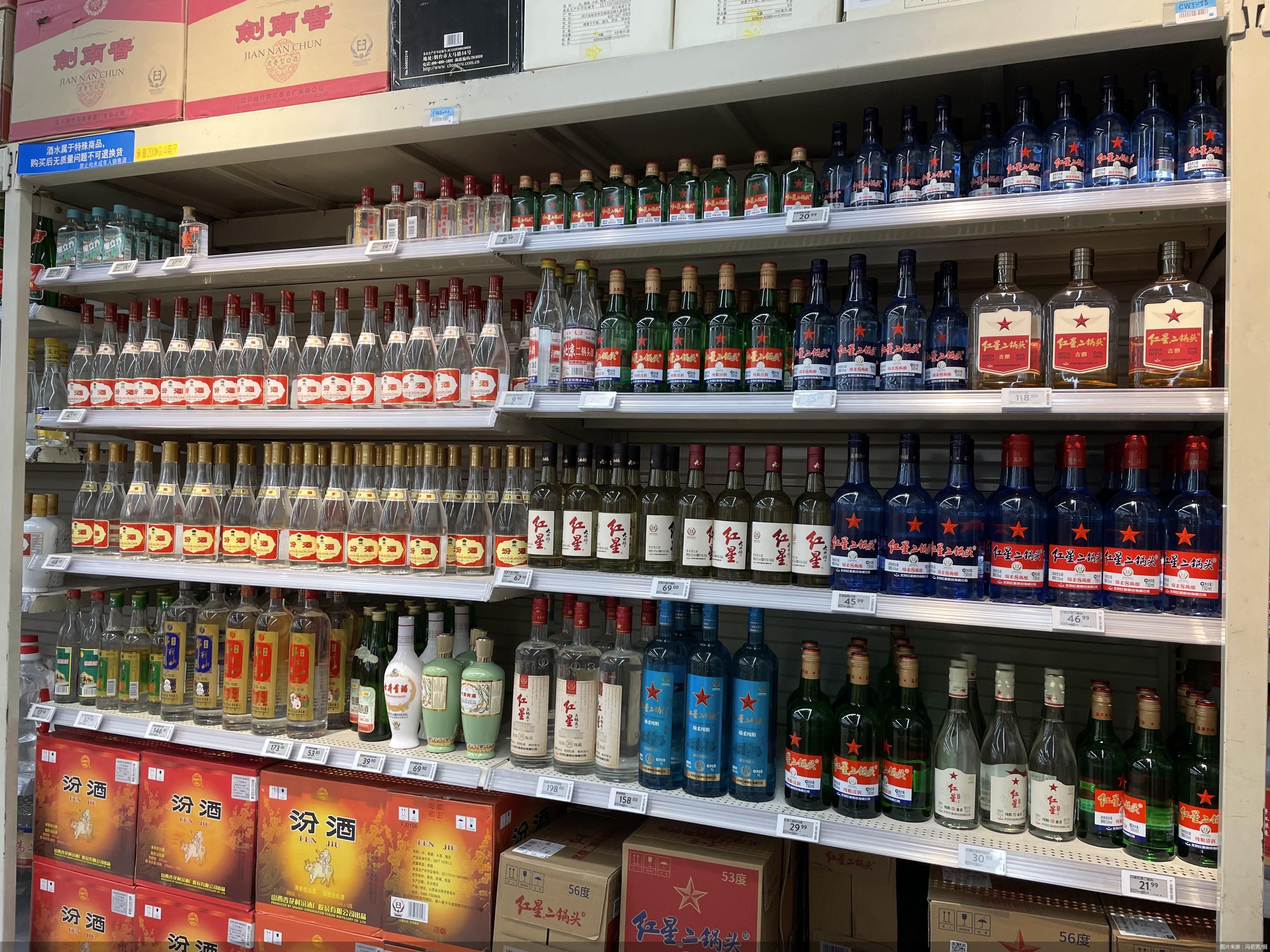
价格升级

Search documents
取消出口退税、电动车限价!中国外贸要反内卷了?
Sou Hu Cai Jing· 2026-01-23 09:41
Core Viewpoint - China is undergoing a significant transformation in its foreign trade policy, moving away from a low-price export model to a more balanced and sustainable approach, aiming to reclaim pricing power and reduce reliance on government subsidies [1][21]. Group 1: Policy Changes - Starting from April 1, 2026, China will eliminate export tax rebates for photovoltaic products and reduce the rebate rate for electronic products from 9% to 6% [4]. - The policy targets not only end products but also intermediate goods such as battery cells, silicon wafers, and glass, aiming to dismantle the lowest price system and ensure global customers pay for actual production costs [4][8]. Group 2: Economic Imbalance - The primary reason for these changes is to address the economic imbalance caused by excessive competition in industries like photovoltaics and electronics, where subsidies have led to unsustainable pricing strategies [3][12]. - The current structure has locked many Chinese manufacturers into low-margin roles within the global supply chain, necessitating policy interventions to shift this dynamic [12][19]. Group 3: Strategic Objectives - The government aims to stop subsidizing global consumption by eliminating export tax rebates, thereby encouraging companies to raise prices and reflect true production costs [8][14]. - The strategy includes three main objectives: to stop the government from subsidizing companies excessively, to compel companies to increase prices, and to regain pricing power in sectors where China holds a dominant position [8][19]. Group 4: Future Directions - The government is exploring three macroeconomic paths: a gradual appreciation of the currency, potential monetary easing under pressure, or structural reforms that may involve significant short-term costs but could lead to long-term efficiency gains [16]. - Companies are encouraged to adopt one of three strategies: strengthen their capabilities in core components and technologies, build their own brands for better pricing power, or relocate assembly lines abroad to mitigate cost risks [17][19]. Group 5: Conclusion - The combination of eliminating tax rebates, imposing price limits, and engaging in political negotiations signifies a restructuring of the foreign trade pricing system, moving away from traditional surplus strategies [21]. - The focus is on raising export standards and reclaiming influence in global markets, marking a pivotal moment in China's economic transformation [21].

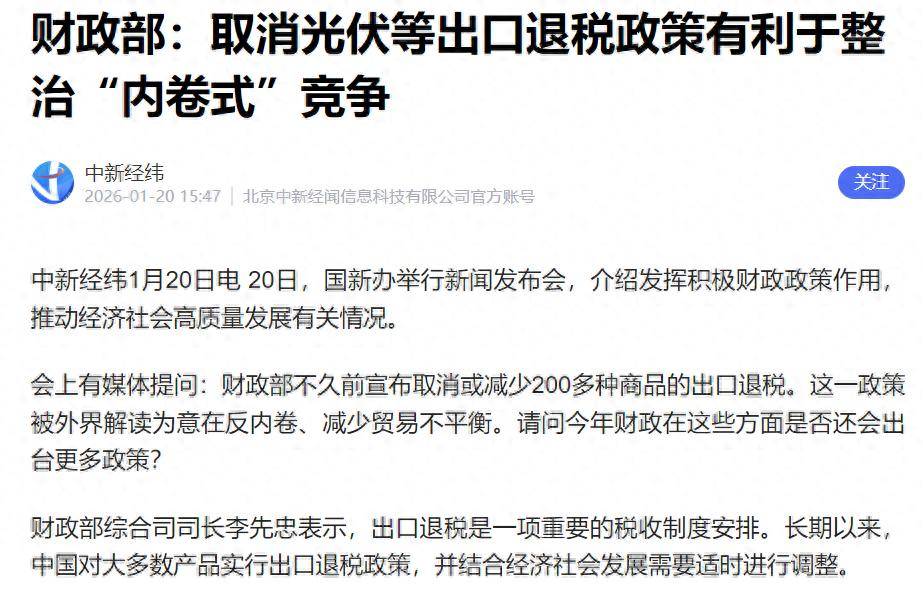
产品“拥挤”、利润空间低 光瓶酒新生态重构进行时
Bei Jing Shang Bao· 2025-11-18 13:50
Core Insights - The light bottle liquor market is becoming one of the hottest segments in the liquor industry, with a growing number of new products entering the market while profit margins remain challenging [1][5][8] - The competition in the light bottle liquor sector is intensifying, leading to a potential reshuffling of market dynamics as new consumption logic and ecosystems emerge [1][10] Market Dynamics - Major brands in the light bottle liquor market include Niulanshan, Hongxing, Fenjiu, and Tuopai, with a significant focus on the 50 yuan price range [2][5] - Approximately 30% of light bottle liquor products are priced below 40 yuan, 50% between 40-100 yuan, and only 20% above 100 yuan [2] Competitive Landscape - The entry of numerous participants into the light bottle liquor market is driven by the contraction of high-end liquor consumption and a shift towards mass-market consumption [6][7] - Retailers are also entering the light bottle liquor space, with Walmart and Hema launching their own products, indicating a crowded market [6][7] Growth Potential - The light bottle liquor market is projected to exceed 150 billion yuan in 2024, with a compound annual growth rate of 17%, significantly outpacing the overall industry [7][8] - Companies like Shanxi Fenjiu are seeing substantial revenue growth, with the "other liquor" category, including light bottles, expected to reach 93.42 billion yuan in 2024 [7] Profitability Challenges - Despite the market's growth, light bottle liquor products face low profit margins, with many products below 50 yuan having gross margins of 40% or less, compared to the industry average of 67.32% [9][10] - The intense competition and low pricing strategies may lead to the elimination of some smaller liquor companies [9] New Ecosystem Development - The light bottle liquor market is transitioning from a low-price volume strategy to a focus on quality, creating a new industry ecosystem and pricing structure [10][11] - High-end light bottle products are becoming increasingly important, with a significant shift in consumer preferences towards products priced between 50-100 yuan [10][11] Marketing Evolution - The marketing strategies for light bottle liquor are evolving from traditional promotional tactics to more sophisticated, systematized approaches that emphasize brand and digital marketing [12] - A comprehensive and refined marketing management system is essential for the future development of light bottle liquor brands [12]