企业战略收缩

Search documents
正点财商|贾国龙最新发声:将回归一线,不再打造个人IP
Sou Hu Cai Jing· 2026-01-28 02:40
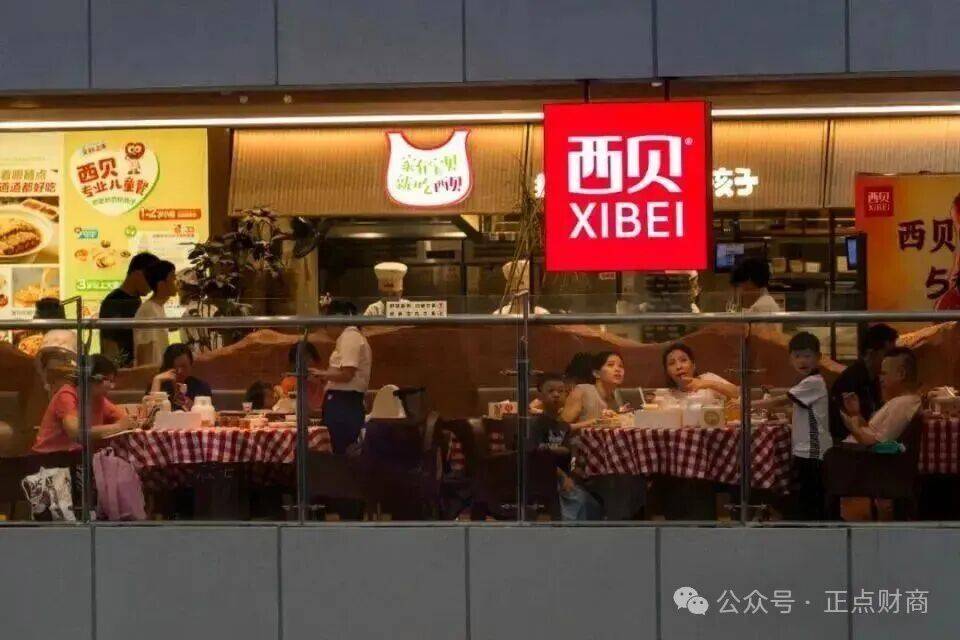
贾国龙预计,2025年9月至2026年3月,西贝累计亏损将超6亿元。西贝将在一季度陆续关闭全国102家门店,占门店总数的30%。 西贝餐饮集团创始人贾国龙近日接受专访时表示,将回归一线、聚焦主业,不再打造个人IP。 从2025年9月的西贝"预制菜风波"到近期人民日报"三评"西贝事件,贾国龙和罗永浩的线上之争逐渐熄火。此前,贾国龙在网络上较为活 跃,但此次贾国龙对记者坦言:"我觉得我不适合打造个人IP,容易激动,表情过于丰富,容易让别人觉得'老贾又在吹牛',而且有说教 的成分。我原来不这么觉得,但自己的视频看多了之后,发现确实'爹味儿'很重。我对做个人IP没信心,一点信心都没有。" 贾国龙表示,自己更愿意回归一线搞好服务,"其实我回一线干活的能力还是有的,我可以选食材,到各个原料基地去比较,选择哪个原 料品质更好,成本还低,能做出好菜来,这就是我的追求"。 图片来源:视觉中国 遭遇关店风波后,西贝近日获得新一轮融资。 不过,在2025年9月罗永浩掀起西贝预制菜风波后,记者曾询问过贾国龙的上市计划,贾国龙坦言确实考虑过上市,"平衡来平衡去,现 在我也不拒绝,也不会积极"。他告诉记者,"我现在就是把挣的钱给员工分, ...

华侨城组织架构再调整,正式进入“吴秉琪时代”
Xin Lang Cai Jing· 2025-11-26 08:53
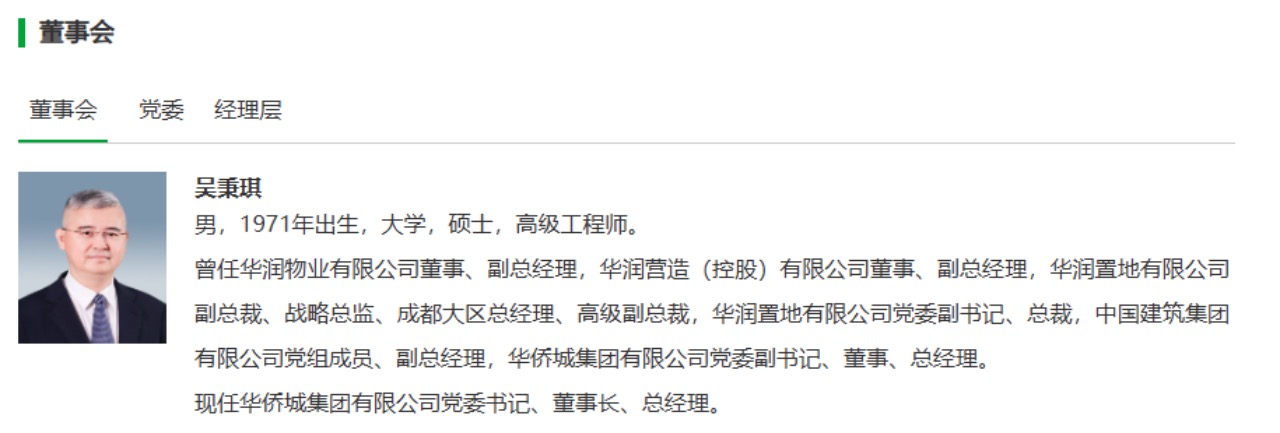
Core Viewpoint - The appointment of Wu Bingqi as the new chairman and party secretary of China Overseas Chinese Town Group marks a significant leadership change, indicating a potential shift in the company's strategic direction amidst ongoing financial challenges [1][3]. Management Changes - Wu Bingqi has been appointed as the party secretary and chairman of China Overseas Chinese Town Group, succeeding Zhang Zhenggao, who retired due to reaching the retirement age for large state-owned enterprises [1][3]. - Liu Kaixin has been nominated as the new deputy general manager, while He Changqing has been appointed as the party committee member and discipline inspection secretary [1][3]. - Wu Bingqi has over 30 years of experience within the China Resources system, having held various senior positions, including president of China Resources Land [3][4]. Financial Performance - China Overseas Chinese Town reported a total revenue of 17.025 billion yuan in the first three quarters of the year, a year-on-year decrease of 41.95%, with a net loss attributable to shareholders of 4.367 billion yuan [10]. - The company has recorded net losses for four consecutive years, with cumulative losses exceeding 26 billion yuan from 2022 to 2024 [10][12]. - As of June 2025, the total debt of the company reached 241.086 billion yuan, with short-term debt accounting for 61.85% of the total, indicating significant repayment pressure [10][12]. Strategic Adjustments - Prior to Wu Bingqi's appointment, the company completed a major asset adjustment by transferring Konka Group to China Resources, reflecting a strategic decision to divest from underperforming assets [7][9]. - The company has significantly reduced its land investment scale in response to cash flow pressures, with new land investments dropping from 49.4 billion yuan in 2019 to 1.5 billion yuan in 2024 [12]. - The remaining developable land area is 10.2072 million square meters, located in key cities, which may serve as a crucial asset for the company to navigate its financial difficulties [12].