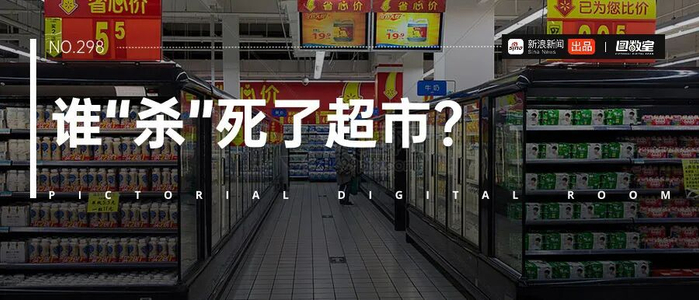
传统超市转型

Search documents
一年消失3037家,传统超市正在消亡
虎嗅APP· 2025-11-25 10:19
Core Viewpoint - The traditional supermarket industry in China is facing a significant downturn, with 62 major supermarket companies reducing their store count by 3,037 in 2024, indicating a collective struggle against the rise of e-commerce and changing consumer habits [4][7][14]. Group 1: Industry Trends - The market share of traditional supermarkets has declined from 34% in 2019 to 32% in 2024, while the share of e-commerce has increased from 22% to 32% during the same period [15]. - The large hypermarket segment has seen a drastic drop from 19% to 13% in market share, reflecting a shift in consumer preferences towards more efficient shopping options [15]. - The rise of community group buying and specialized stores has further eroded the customer base of traditional supermarkets, which are perceived as inefficient and cumbersome [18][20]. Group 2: Company Performance - Among the top 100 supermarkets in China, 62 companies reduced their store numbers, with only 25 showing growth, highlighting a trend of contraction in the industry [7][9]. - Notable reductions include 1,009 stores by Jibai Holdings, 493 by CR Vanguard, and 234 by Yonghui Superstores, indicating a widespread retreat among major players [9][10][12]. - Yonghui Supermarket's revenue plummeted from 48.7 billion to 29.9 billion yuan, showcasing the financial strain faced by leading companies in the sector [12]. Group 3: Consumer Behavior - Consumers are increasingly opting for convenience, with shopping habits shifting towards online platforms and quick delivery services, diminishing the appeal of large supermarkets [4][15][16]. - The traditional supermarket model is failing to meet modern consumer expectations in terms of efficiency, experience, and value, leading to a decline in foot traffic and sales [20][22]. - The lack of social engagement and unique shopping experiences in traditional supermarkets has resulted in a loss of relevance among younger consumers [20][22].


图数室丨一年消失3037家,传统超市正在消亡
Xin Lang Cai Jing· 2025-11-19 08:12
Core Insights - In 2024, 62 major supermarket companies are set to close a total of 3,037 stores, indicating a significant industry downturn affecting giants like CP Lotus, Yonghui, and RT-Mart [2][3] - The traditional supermarket model is losing ground to e-commerce and specialized retail formats, as consumer shopping habits shift towards convenience and efficiency [2][9] Industry Overview - The transition from traditional markets to supermarkets began in the 1990s, but the landscape has drastically changed in just over three decades, with large supermarkets now facing collective closures [3] - According to the latest report from the China Chain Store & Franchise Association, only 25 out of the top 100 supermarkets in China are expanding, while the majority are reducing their store counts [3][6] Store Closures - The most significant closures are attributed to Jibai Holdings, which closed 1,009 stores, accounting for one-third of the total closures in the industry [5][6] - Other notable closures include CR Vanguard with 493 stores, Yonghui with 234 stores, and Lianhua with 205 stores, all reflecting a downward trend in store numbers [5][6] Revenue Trends - Major supermarkets are experiencing substantial revenue declines, with Yonghui's revenue dropping from 48.7 billion to 29.9 billion yuan, and Lianhua's revenue falling from 13.5 billion to 9.5 billion yuan [7][9] Market Share Dynamics - The market share of supermarkets has decreased from 34% to 32% between 2019 and 2024, while hypermarkets have seen a drop from 19% to 13%. In contrast, e-commerce has surged from 22% to 32% [9][11] - The rise of community group buying and specialized stores has further eroded the traditional supermarket's customer base, highlighting a shift in consumer preferences [9][11] Efficiency and Competition - Traditional supermarkets are struggling with high operational costs and inefficiencies compared to smaller, more agile formats like Hema and Costco, which offer better profit margins and customer experiences [11][13] - The traditional model lacks competitive advantages in key areas such as product differentiation, shopping experience, and social engagement, leading to a decline in consumer interest [13][15] Future Outlook - The current wave of store closures is seen as a necessary industry reshuffle rather than a sudden crisis, as the market adapts to new consumer demands for efficiency and value [15] - There remains potential for growth in specialized retail formats that offer unique value propositions, indicating that the retail story is far from over [15]