生鲜

Search documents
山姆、盒马、美团们疯狂开店,中小商家靠什么突围?
3 6 Ke· 2026-03-17 10:28
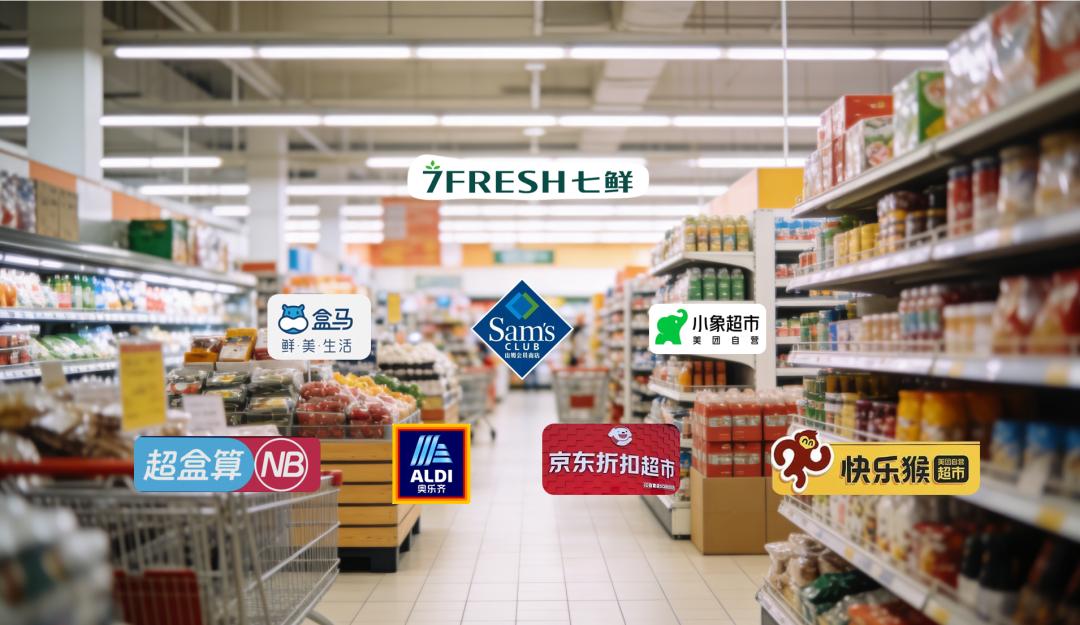
Group 1 - The retail market is experiencing a new round of expansion, with major players aggressively opening new stores while many smaller retailers face closures and losses, indicating a rapid structural adjustment in the industry [2][5] - Major retail giants are expanding across various formats, including large stores like Sam's Club and Hema, as well as smaller formats like Walmart community stores and Meituan's Happy Monkey, making the offline retail space a battleground [3][5] - The expansion goals of these giants are ambitious, contrasting sharply with the struggles of many small retailers, which highlights a concentration of resources and influence towards leading players in the market [5][15] Group 2 - The current offline retail market is dominated by three main types of players: domestic platform giants like Alibaba and Meituan focusing on traffic efficiency, international giants like Sam's Club and Aldi emphasizing quality, and regional new forces like Fresh Wind Life that cater to local needs [6][11][10] - The giants leverage their financial strength, digital capabilities, and product power to create significant asymmetrical advantages over traditional small retailers, leading to a competitive landscape where smaller players struggle to keep up [16][17][20] - The unique case of Pang Donglai demonstrates a successful model in non-first-tier cities, focusing on high-quality service and community engagement, which has become a significant trend in the retail industry [13][39] Group 3 - To survive, small retailers must adopt a localized strategy that emphasizes understanding local consumer needs and agile supply chain management, contrasting with the standardized approaches of larger chains [24][26][28] - Key steps for small retailers include identifying local demand differences, establishing localized supply chains, and maintaining operational agility to respond to community needs [27][29][30] - Building a strong local brand identity and emotional connection with the community is essential for small retailers to differentiate themselves from larger competitors [30][34] Group 4 - The retail industry is undergoing a reshaping process where the giants' aggressive expansion is not the end for smaller players but rather a new phase that will eliminate those who do not adapt [39] - The focus for small retailers should be on flexibility and service quality, which are critical competitive advantages that larger companies cannot easily replicate [39][38]


锅圈:一站式国民社区央厨,开启成长新篇章-20260311
CAITONG SECURITIES· 2026-03-11 07:30
Investment Rating - The report assigns a "Buy" rating for the company, Guoquan (锅圈) [1] Core Insights - Guoquan is positioned as a "community central kitchen," focusing on the home dining scene with hot pot as a core offering and barbecue as a growth driver. The company has transitioned from a "scale-first" strategy to a "quality-first" approach, leading to stabilized revenue and improved profitability [6][11] - The home dining market in China is valued at over 6.2 trillion yuan, with the meal product segment expected to exceed 940 billion yuan by 2027. The industry is highly fragmented, providing significant opportunities for leading companies like Guoquan to consolidate [6][11] - The company aims to enhance store efficiency and innovate product offerings through three main strategies: optimizing existing stores, innovating new products, and deepening supply chain integration [6][11] Summary by Sections Financial Forecast - Revenue projections for 2023A to 2027E are as follows: 6,094 million yuan, 6,470 million yuan, 7,804 million yuan, 9,463 million yuan, and 10,896 million yuan, with growth rates of -15.05%, 6.17%, 20.62%, 21.26%, and 15.14% respectively. Net profit is expected to grow from 240 million yuan in 2023A to 699 million yuan in 2027E, with corresponding growth rates of 4.23%, -3.79%, 91.44%, 28.91%, and 22.83% [5] - The company's PE ratio is projected to decrease from 73.32 in 2023A to 12.95 in 2027E, indicating improving valuation metrics as profitability increases [5] Business Model and Strategy - Guoquan has evolved from a B2B hot pot ingredient supplier to a comprehensive home dining brand, offering a wide range of products including hot pot, barbecue, beverages, and ready-to-cook meal kits. The company has established a unique business ecosystem combining supply chain, multi-channel distribution, and diverse dining scenarios [11] - The company has expanded its product offerings significantly, launching 339 new SKUs in 2023 and planning to introduce 412 new products in 2024 [13] - The revenue structure is increasingly diversified, with franchise sales remaining a core income source, while other channels are rapidly growing, indicating a shift towards a more balanced revenue model [18] Market Opportunity - The home dining market is projected to grow at a CAGR of 11.4% from 2018 to 2024, reaching a market size of 62,124 billion yuan. The meal product segment is expected to grow even faster, driven by consumer demand for convenience and quality [28][30] - The industry is characterized by a complete supply chain, with opportunities for consolidation as the market remains fragmented. Guoquan holds a leading market share of 3.1% in the home dining sector, with a significant presence in the hot pot and barbecue segments [40] Operational Efficiency - The company is focusing on enhancing store efficiency through innovations such as 24-hour unmanned retail and diversified store formats. This includes upgrading existing stores to larger community central kitchens and expanding into rural markets with tailored store models [47][65] - Guoquan's membership program has seen significant growth, with over 50 million registered members, enhancing customer loyalty and driving repeat purchases [57]
重庆百货20260304
2026-03-04 14:17
Summary of the Conference Call for Chongqing Department Store Company Overview - **Company**: Chongqing Department Store - **Industry**: Retail (Department Stores, Supermarkets, Electronics, Automotive Trade) Key Points and Arguments Industry Performance - In January and February, department store sales declined by 2% year-on-year, with men's clothing brands increasing by 20% and high-end cosmetics by 15% [2][3] - Supermarket sales grew by 5%, with market share in Chongqing rising to 28.6% [2][6] - The new retail flagship store achieved daily sales of 900,000, with 3R categories experiencing a fourfold increase [2][5] - Online sales increased by 20%, driven by the front warehouse model, with over 90% of fresh products standardized [2][5] Segment Performance - **Department Stores**: - Overall sales decline of approximately 2%, the smallest drop in recent years [3] - Jewelry sales were pressured due to high gold prices, impacting overall performance [3] - Men's clothing brands showed strong growth, with strategic brands increasing by 20% [3] - **Supermarkets**: - Sales slightly decreased due to store closures but improved operational efficiency with a 3% increase in gross margin [4] - The company plans to open 4 to 7 new stores in 2026, focusing on high-quality locations [5][7] - **Electronics**: - Sales declined by nearly 20% during the holiday season, but overall sales increased by 3% year-on-year [5] - Market share in Chongqing exceeded 50% [5] - **Automotive Trade**: - The segment faced challenges due to the closure of fuel vehicle stores, but profitability is expected to improve in 2026 [16][19] Strategic Adjustments - The company is focusing on urban outlet and community flow stores, with significant growth in the Banan store [2][4] - Plans to deepen the transformation of quality retail stores and enhance the customer experience [4][11] - The introduction of new brands and strategic partnerships is aimed at driving category growth [4][12] Future Outlook - For 2026, the company targets a revenue and profit growth of approximately 3% for department stores, supermarkets, and electronics, excluding automotive trade [19] - The automotive segment aims to break even and achieve small profits [19] - The company anticipates a "weak recovery" in consumer sentiment in the latter half of 2026, with expectations of improved performance in department stores and supermarkets [19] Additional Insights - The company is enhancing its supply chain by aligning with top national suppliers while retaining local quality suppliers [5][10] - The introduction of a new retail flagship store has stabilized daily sales at around 900,000 after initial high sales [5][10] - The company is also exploring partnerships with educational institutions to expand its convenience store model [8] Risks and Challenges - The automotive trade faces ongoing challenges due to market fluctuations and regulatory changes [16][18] - Consumer spending remains cautious, with a preference for high-value products impacting sales [19] This summary encapsulates the key insights from the conference call, highlighting the performance, strategies, and outlook of Chongqing Department Store within the retail industry.

烟火升腾年味浓 惠民新政热玉川!济源春节消费市场火爆
Sou Hu Cai Jing· 2026-02-25 14:40
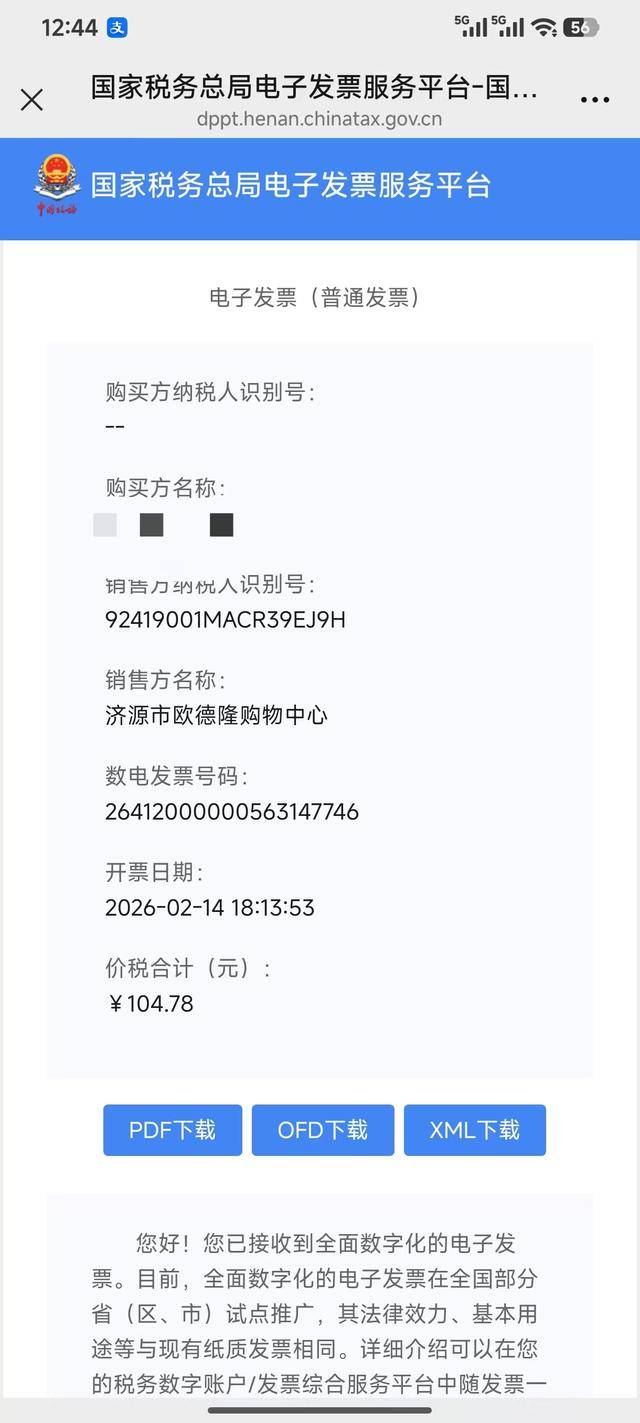
Group 1: Core Insights - The consumption market in Jiyuan is experiencing a vibrant and prosperous atmosphere during the Spring Festival, showcasing a strong holiday economy supported by sufficient supply and stable prices [1][3][8] - Supermarkets are implementing strict management of essential goods, ensuring ample stock and stable prices for items like rice, oil, and meat, contributing to consumer confidence [2][3] - The "Open Invoice for Joy" campaign is promoting consumer spending by offering rewards for digital invoices, enhancing the shopping experience and encouraging participation [4][6][7] Group 2: Sales and Consumer Behavior - Jiyuan supermarkets achieved a total sales revenue of 42.82 million yuan during the Spring Festival, with a customer flow of 1.0067 million people, reflecting the residents' pursuit of a better life [3] - The average occupancy rate of hotels reached 38.5%, a year-on-year increase of 7.54%, while the restaurant sector reported a total revenue of 3.4544 million yuan, up 6.74% year-on-year, indicating a significant boost in holiday spending [8] - The "Trade-in for New" initiative has seen 18,252 vehicles and appliances replaced, with subsidies totaling 9.6398 million yuan and sales reaching 74.3635 million yuan, highlighting strong market vitality [9] Group 3: Digital and Community Engagement - The introduction of a city points code platform during the temple fair economy has successfully aggregated sales data from 54 merchants, resulting in 52,600 transactions worth 843,700 yuan, injecting new digital vitality into the consumption market [9] - The combination of policy incentives and consumer demand for upgrades is driving a robust "Trade-in for New" market, enhancing the quality of life for residents [9]
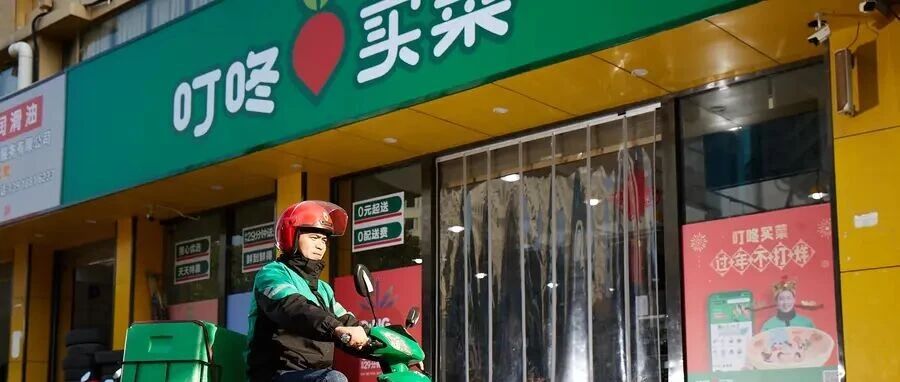
美团收购叮咚买菜:即时零售的终局是“城市折叠”
Jing Ji Guan Cha Wang· 2026-02-16 07:27
Core Insights - Meituan announced the acquisition of Dingdong Maicai's China business for approximately $717 million, marking a significant move in the instant retail sector [1][2] - The acquisition signals a shift in the industry towards consolidation, as various business models explored by entrepreneurs are being absorbed into platform-level infrastructure [2][13] - Instant retail is evolving from a startup battleground to a platform-based infrastructure, focusing on time-sensitive consumer needs rather than just price and variety [2][24] Industry Overview - The instant retail market in China is projected to reach 781 billion yuan in 2024, with a growth rate exceeding 20%, significantly outpacing traditional online retail [5] - By 2026, the market size is expected to surpass 1 trillion yuan, indicating that instant retail is becoming one of the fastest-growing segments in the overall consumption landscape [5] Consumer Behavior - Despite the maturity of e-commerce, a significant portion of retail consumption (approximately 73.9%) still occurs in local offline settings, highlighting the ongoing relevance of physical retail [3][4] - Instant retail addresses the time-sensitive nature of consumer needs, particularly for everyday items that are often unplanned purchases [4][6] Competitive Landscape - The competition in instant retail is shifting from a focus on business models to a focus on order density and delivery speed, as platforms seek to optimize their logistics networks [17][20] - Different operational models coexist in the market, including platform-connected models, self-operated models, and hybrid models, each addressing the challenge of achieving high order density in urban environments [14][15] Future Trends - The future of instant retail is likely to see a transition from traffic competition to density competition, where the efficiency of order distribution within urban areas becomes the key competitive factor [20][23] - Instant retail may lead to a convergence of e-commerce and local services, blurring the lines between online and offline retail as platforms integrate both types of orders into a unified system [22][23] - The competitive landscape may evolve into a patchwork of city-level networks, where different platforms hold varying advantages in different urban areas [21][23]
佳和生活超市第三代门店落地,把超市变成社区厨房
Xin Lang Cai Jing· 2026-02-12 15:28
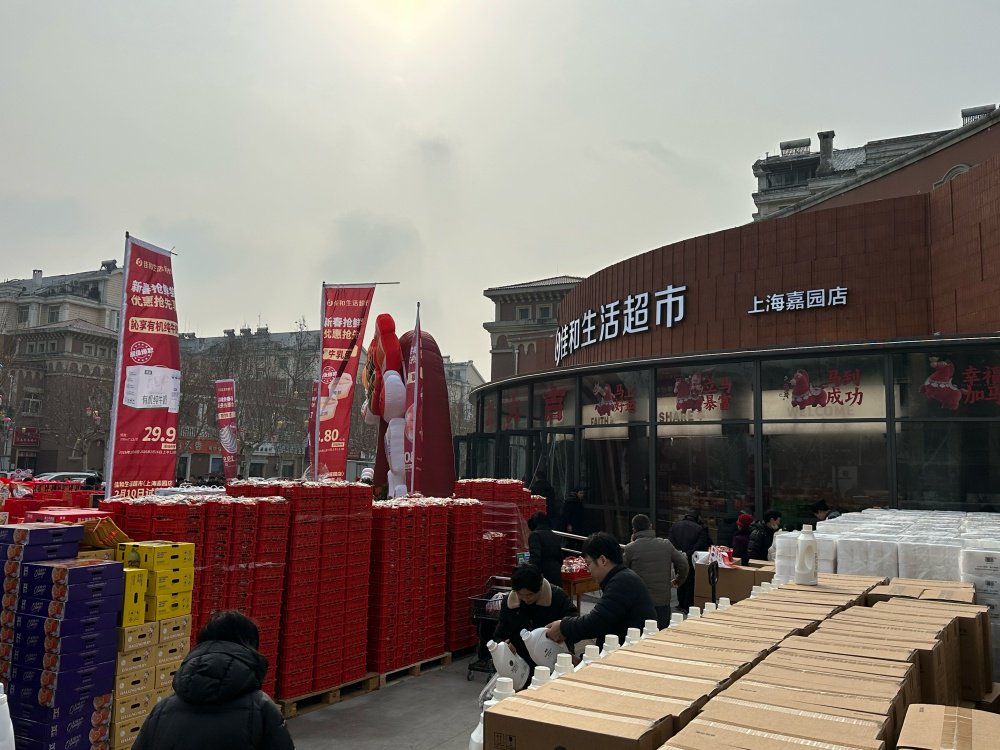
Core Insights - Jiahe Life Supermarket has opened its first store in Shanghai's Jiayuan community, marking the launch of its third-generation business model, with a store area of 750 square meters and over 2,600 SKUs, of which nearly 40% are fresh products. The store achieved sales exceeding 2 million yuan within three days of opening [2][3] Group 1: Store Design and Concept - The new store emphasizes a "community boutique supermarket" concept, catering to local residents' daily needs for groceries and fresh ingredients while also appealing to younger consumers with snacks and quality beverages [3] - Key design changes include streamlined customer flow, clear zoning to reduce search costs, and enhanced shopping comfort through material and color choices [5][7] - The design philosophy focuses on "minimalism and long-lasting design," prioritizing essential needs and creating a modern, youthful supermarket space [5][7] Group 2: Operational Model - The store features an open kitchen, allowing customers to see the preparation of fresh products, combining the stability of a central kitchen with the freshness of on-site cooking [8][10] - This hybrid model enables a diverse product range, including baked goods, snacks, and fresh foods, ensuring a rich selection for consumers [10] - The store transforms traditional retail spaces into service nodes, enhancing customer engagement and driving sales through visible production processes [12] Group 3: Community Engagement and Future Plans - The operational logic has shifted from a broad product range to a focus on proximity and responsiveness to community needs, positioning the supermarket as a vital part of community life [14] - Jiahe Life Supermarket aims to deepen its integration with the community, providing warm services and creating a sense of belonging and happiness among residents [16]
美团收购叮咚对抗盒马
Di Yi Cai Jing· 2026-02-12 03:31
Core Viewpoint - Meituan's acquisition of Dingdong Maicai highlights the strategic need to enhance its supply chain capabilities in the fresh produce sector, addressing its limitations in self-operated product supply chains and brand recognition compared to Alibaba's Hema [1][2] Group 1: Acquisition Rationale - Dingdong Maicai possesses unique operational capabilities, allowing for precise monitoring and management of fresh produce sales, which helps minimize waste and achieve profitability [1][5] - The acquisition serves as a means for Meituan to quickly acquire a validated system that enhances unit economic efficiency (UE) in the fresh produce category, directly competing with Alibaba's Hema [2][5] Group 2: Industry Dynamics - Instant retail is fundamentally different from traditional e-commerce, governed by "shelf economics" rather than the "long tail theory," necessitating a focus on high-turnover, core products due to limited shelf space and associated costs [4][5] - The concept of UE is critical, determining the profitability of each order and product placement after accounting for all associated costs; Dingdong Maicai's digital system has successfully identified pathways to achieve positive UE in a high-waste category [5][6] Group 3: Competitive Landscape - Meituan and Alibaba represent contrasting business models: Meituan focuses on an "efficiency model" with stringent UE requirements, while Alibaba operates an "ecosystem model" that can absorb short-term losses for long-term market cultivation [7][8] - Meituan's strategy involves leveraging the acquisition to enhance its supply chain operations and brand assets in the fresh produce sector, transitioning from speed to precision and waste reduction [8][10] Group 4: Future Trends - The future of instant retail will shift towards low-frequency, high-value products, requiring advanced algorithms and intelligent systems to optimize every aspect of the supply chain [10][11] - The competition will evolve into a battle of AI-driven infrastructure, with Meituan aiming to integrate AI capabilities into its supply chain to enhance decision-making and operational efficiency [10][11]



美团收购叮咚:买下“零损耗”算法对抗盒马
Di Yi Cai Jing· 2026-02-12 03:08
Core Insights - Meituan's acquisition of Dingdong Maicai highlights the strategic need for Meituan to enhance its supply chain capabilities in the fresh produce sector, where Dingdong excels in operational efficiency and profitability [1][3] - Dingdong Maicai, despite being profitable, faces growth limitations due to its reliance on WeChat mini-programs for customer acquisition, lacking the traffic support from larger ecosystems like Alibaba [1][2] - The acquisition is seen as a way for Meituan to quickly gain a proven system that enhances unit economics (UE) in the fresh produce category, allowing it to compete more effectively against Alibaba's Hema [3][4] Industry Dynamics - The competition between Meituan and Alibaba represents a clash between "efficiency models" and "ecosystem models," with each having distinct resource endowments and challenges [5][6] - Meituan's focus on efficiency requires strict control over UE, limiting its ability to make large-scale strategic investments compared to Alibaba, which can afford temporary UE losses for long-term market cultivation [5][6] - The future of instant retail is shifting towards high-value, low-frequency products, necessitating advanced supply chain management and AI-driven infrastructure to optimize operations and enhance UE [7][8] Strategic Implications - Meituan aims to leverage Dingdong's supply chain expertise to transition from a fast delivery model to one that emphasizes accurate selection and low waste, thereby building a comprehensive efficiency model [6][7] - Alibaba is exploring AI-driven solutions to enhance user interaction and streamline service delivery within its ecosystem, aiming to break down barriers and improve collaborative value [8] - The ultimate competitive edge will depend on which company can effectively transition from consumer internet to industrial internet, utilizing AI to redefine cost, efficiency, and user experience in the UE competition [8]
叮咚买菜壮士断腕 中国业务转售美团
BambooWorks· 2026-02-09 09:30
Core Viewpoint - Dingdong Maicai, one of China's earliest online fresh food platforms, is selling its core Chinese business to competitor Meituan for $717 million, marking one of the largest mergers in China's rapidly evolving instant retail market [1][2][3] Group 1: Transaction Details - The sale involves Dingdong Maicai's core Chinese operations, with 90% of the payment made immediately and the remaining 10% contingent on tax settlements [5][8] - Following the announcement, Dingdong Maicai's stock fell by 14%, bringing its market value to approximately $700 million, which aligns closely with the acquisition price [2][6] - The merger is expected to create a leading player in the industry, combining Dingdong Maicai's operations with Meituan's existing online fresh food business [7] Group 2: Market Context - The instant retail market in China has seen rapid growth, particularly with the entry of major e-commerce players like Alibaba and JD.com, which have expanded their delivery capabilities beyond fresh food to include a wide range of daily necessities [5][7] - The competition has intensified, with companies like Alibaba, JD.com, and Meituan subsidizing their instant retail operations, leading to significant financial losses for some, such as Meituan, which reported a loss of 18.6 billion yuan (approximately $2.68 billion) in the third quarter [5][7] - Dingdong Maicai's revenue growth has been limited, with a year-on-year increase of only 1.9% in the third quarter, highlighting the challenges faced by independent platforms in competing with larger players [7] Group 3: Future Implications - Dingdong Maicai retains its international business post-sale, which may lead to speculation about the future of the brand and its potential integration into Meituan's ecosystem [8] - The company holds $549 million in cash and short-term investments, which, combined with the sale proceeds, could exceed $1.2 billion, providing opportunities for future ventures or shareholder returns [8] - There is a possibility that the founder, Liang Changlin, may leverage this capital for new entrepreneurial endeavors, either domestically or internationally, rather than opting for significant shareholder dividends [8]

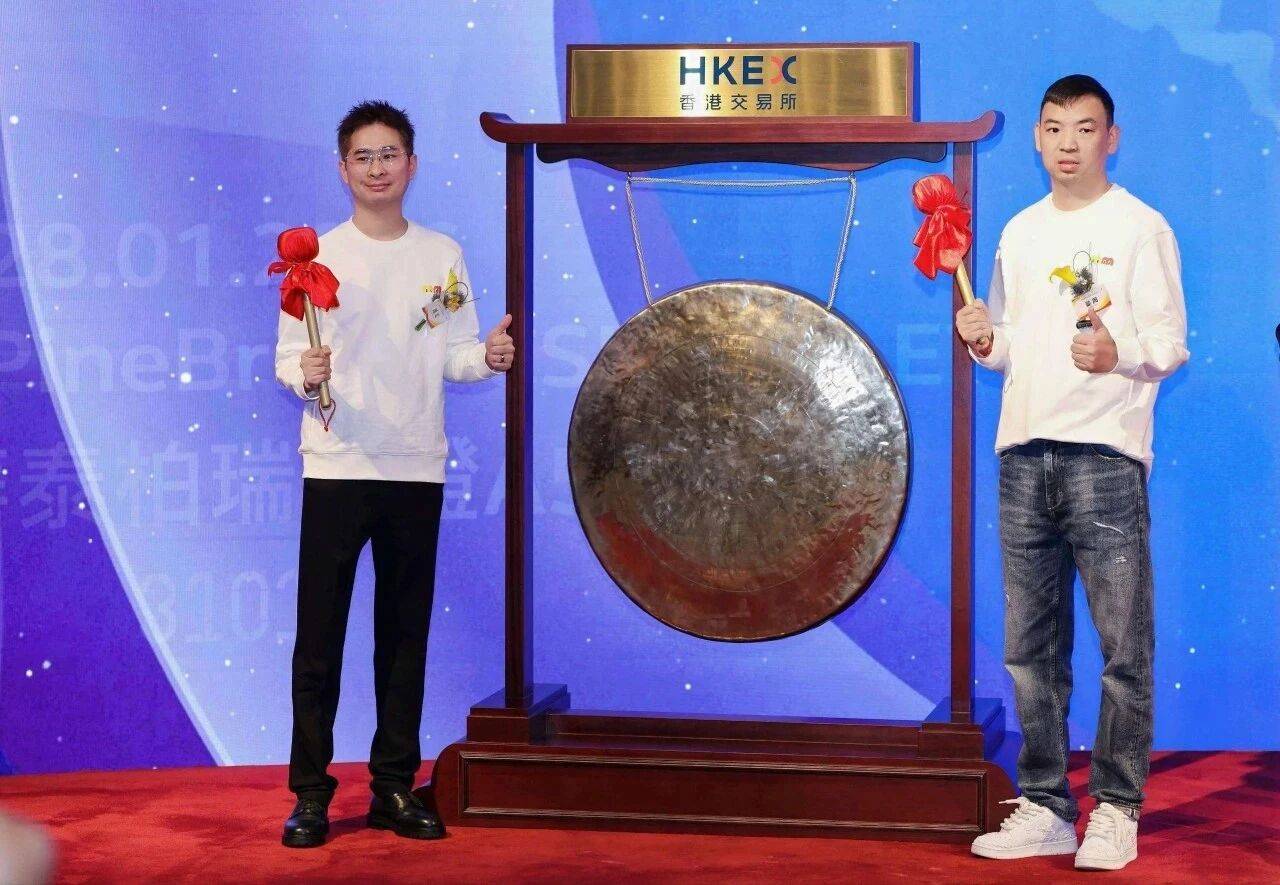
市值875亿!零食很忙港交所上市,开盘暴涨88.88%,碾压三只松鼠、卫龙登顶赛道
Sou Hu Cai Jing· 2026-02-09 01:58
Core Viewpoint - The successful IPO of "Snacks Are Busy" marks a significant milestone in the Chinese snack industry, reflecting the market's recognition of the bulk snack retail model and its rapid growth potential [1][4][12]. Group 1: Company Performance - "Snacks Are Busy" debuted on the Hong Kong Stock Exchange at a price of 445 HKD, a substantial increase of 88.88% from its issue price, resulting in a market capitalization exceeding 952.75 billion HKD (approximately 875 billion RMB) [1]. - The company achieved a GMV (Gross Merchandise Volume) of 661 billion RMB in the first three quarters of 2025, positioning it as the largest leisure food chain retailer in China [4][10]. - From 2022 to 2024, the number of stores increased from 1,902 to 14,394, with revenue rising from 4.286 billion RMB to 39.344 billion RMB, reflecting a compound annual growth rate of 203% [10]. Group 2: Market Trends - The rise of the bulk snack model is reshaping the competitive landscape of the snack industry, with bulk snack stores capturing 37% of the market share in 2024, surpassing traditional supermarkets (22%) and e-commerce platforms (20%) [8]. - Approximately 80% of snack sales in China still occur through offline channels, highlighting the importance of bulk snack stores in the retail landscape [8]. Group 3: Competitive Landscape - The competitive environment is intensifying, with "Snacks Are Busy" facing challenges from rivals like Wanchen Group, which has over 15,000 stores and reported a revenue of 36.562 billion RMB in the first three quarters of 2025 [12]. - Both companies are expanding their product categories to include non-snack items, indicating a shift towards broader retail strategies [12]. Group 4: Operational Strategy - "Snacks Are Busy" employs a unique franchise model where 99.5% of revenue comes from product sales, minimizing franchise fees and enhancing franchisee engagement [11]. - The company has established a logistics network with 36 warehouses, reducing inventory turnover days to 11.6 days and ensuring standardized operations across stores [11]. Group 5: Challenges Ahead - Despite rapid growth, the company faces challenges such as increasing competition and pressure on profit margins, with gross margins fluctuating between 7.5% and 9.7% and net margins at 3.4% [12][14]. - The expansion rate of stores has significantly slowed, dropping from 246.21% to 46.02% between 2023 and 2025, indicating potential difficulties in sustaining growth [14]. Group 6: Future Outlook - The overall market for food and beverage retail in China is projected to grow from 7.1 trillion RMB in 2024 to 8.7 trillion RMB by 2029, with a compound annual growth rate of only 4.3% [16]. - "Snacks Are Busy" aims to address sustainability in its low-margin model and manage the complexities of expanding into new product categories, which will be crucial for its long-term success [16].