低价竞争策略

Search documents
乐舒适二闯港交所:IPO前大手笔分红、社保公积金欠缴金额不减反增 关联交易频繁业务独立性待考
Xin Lang Zheng Quan· 2025-10-11 09:31
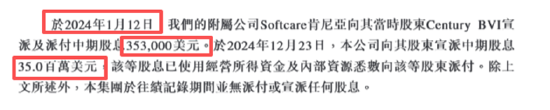
Core Viewpoint - The IPO journey of Le Shushi Limited, known as the "King of Diapers in Africa," faces significant challenges, including slowing growth, sustainability of low-price strategies, and increasing social security and housing fund arrears, raising questions about the company's financial health and IPO viability [1][5][16]. Group 1: IPO Challenges - Le Shushi submitted its IPO application to the Hong Kong Stock Exchange in January 2025, but the application expired after six months without passing the hearing [1]. - The company has faced multiple challenges, including performance slowdown and doubts about the necessity of large pre-IPO dividends [1][5]. - The significant dividends paid before the IPO have primarily benefited the controlling couple, Shen Yanchang and Yang Yanjuan, who hold 66.35% of the shares through Century BVI [3][4]. Group 2: Financial Performance - Le Shushi's revenue from 2022 to 2024 was $320 million, $411 million, and $454 million, with growth rates of 29.25% in 2023 and 10.46% in 2024, indicating a notable slowdown [14]. - The net profit surged by 251.7% in 2023 to $64.68 million but dropped to a growth rate of 47.05% in 2024, with a further decline to 12.45% in the first four months of 2025 [14][15]. - The company's gross margin decreased by 2.3 percentage points year-on-year to 32.9% in the first four months of 2025 [12][14]. Group 3: Market Position and Strategy - Le Shushi is a market leader in Africa, holding a 20.3% market share in baby diapers and 15.6% in sanitary napkins as of 2024 [8]. - The company employs a low-price strategy, with retail prices for its products ranging from 9 cents to 20 cents per piece, which has limited profit margins and brand premium capabilities [10][11]. - The highest-selling diaper brand, Softcare, has an average selling price of 8.78 cents per piece, while the second brand, Cuettie, sells for as low as 7.3 cents [12]. Group 4: Corporate Governance and Independence - Le Shushi's frequent related-party transactions with its parent company, Sen Da Group, raise concerns about its operational independence [16][18]. - In 2022, Sen Da Group was the second-largest customer of Le Shushi, purchasing products worth $3.41 million [16]. - The complexity of these transactions poses a challenge for Le Shushi to demonstrate its business independence and sound corporate governance to regulators [18].

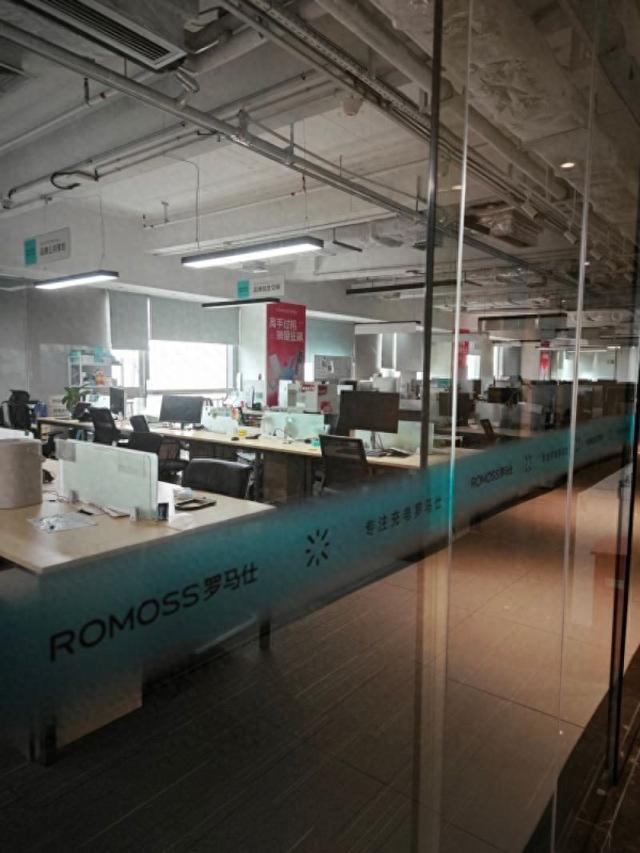
调查!罗马仕惊变21天:从充电宝明星企业到停工停产
Hua Xia Shi Bao· 2025-07-10 13:22
Core Viewpoint - The company Romoss has announced a sudden suspension of operations for six months due to a product recall crisis, which has led to significant employee unrest and operational challenges [5][10]. Group 1: Company Operations - Romoss issued a notice on July 6, stating that it would suspend operations starting July 7 for six months, with only certain employees being recalled [5][10]. - The company has a history of high sales, reaching an annual shipment volume of 50 million units at its peak [9]. - The operational suspension has left many employees uncertain about their future, as they will only receive 80% of the local minimum wage after the first month of suspension [6][8]. Group 2: Product Recall and Crisis Management - The crisis began when Romoss faced a recall of 491,745 power bank units due to safety hazards, including risks of overheating and potential fire [9][10]. - The company’s initial response to the crisis was criticized for lacking systematic operation, leading to a collapse in consumer trust [10][12]. - The rapid changes in the company's legal representatives have raised concerns about potential attempts to evade responsibilities related to the crisis [10][12]. Group 3: Industry Context - The power bank industry is facing challenges related to product quality, particularly due to the use of low-cost battery cells that compromise safety [12]. - Romoss's reliance on low-cost components has been highlighted as a significant factor contributing to the current crisis, reflecting broader issues within the industry regarding supplier oversight and product safety [12].