住房公积金改革

Search documents
多地支持住房公积金用于居民房屋改建
Di Yi Cai Jing· 2026-02-05 08:35
Group 1 - The core viewpoint of the article highlights the acceleration of the relaxation of restrictions on the use of housing provident funds for urban renewal purposes, which is expected to benefit more flexible employment groups [2][4][10] - Recent policies from various cities have expanded the scope of housing provident fund usage, particularly in supporting urban renewal projects that improve residents' living conditions and asset value [4][5][10] - The housing provident fund system faces challenges in effectively mobilizing over 10 trillion yuan of "sleeping funds," necessitating improvements in residents' housing consumption expectations [2][11] Group 2 - The Ningxia Zhongwei Housing Provident Fund Management Center announced new policies allowing fund withdrawals for elderly and child-friendly renovations, as well as structural reinforcement and urban renewal projects [4] - Hebei Langfang has lifted restrictions on the frequency of housing provident fund withdrawals, allowing residents to withdraw funds for various housing-related purposes without a 12-month interval [4][5] - The Beijing urban renewal policy toolbox aims to accelerate support for housing provident fund loans for residents' renovation costs, reducing financial burdens on families [5][10] Group 3 - Shandong Dezhou is piloting housing provident fund participation for flexible employment workers, linking it with urban renewal projects to enhance fund accumulation and loan limits [6][7] - The central economic work conference has emphasized the need to deepen housing provident fund reforms, particularly to include more flexible and new employment forms [10] - In 2024, the total amount of housing provident fund contributions is projected to reach 36,317.83 billion yuan, with a 4.67% increase from the previous year, although the proportion of flexible employment participants remains low at 1.24% [10][11]

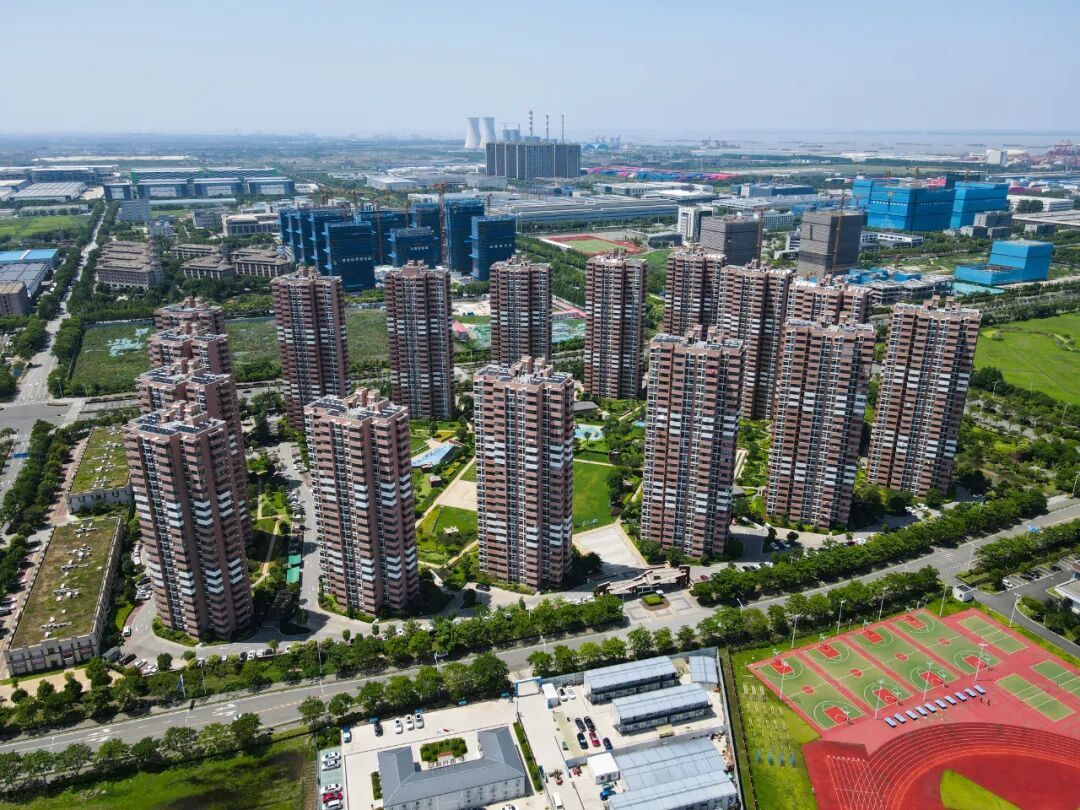
“唤醒”超10万亿资金,多地支持住房公积金用于居民房屋改建
Di Yi Cai Jing· 2026-02-05 08:05
Core Viewpoint - The housing provident fund system is undergoing reforms to expand its usage for urban renewal projects, aiming to benefit more flexible employment groups, although challenges remain in activating the substantial dormant funds [1][6]. Group 1: Policy Changes and Reforms - Recent policies across various cities have expanded the scope of housing provident fund usage, particularly for urban renewal projects that enhance residents' living conditions and asset value [2]. - The Ningxia Zhongwei City housing provident fund management center has introduced new policies allowing fund withdrawals for elderly and child-friendly renovations, as well as structural reinforcements and urban renewal projects [2]. - Hebei Langfang has lifted restrictions on the frequency of housing provident fund withdrawals, allowing for more flexible access for home purchases, construction, and renovations [3]. - The Beijing urban renewal incentive toolbox aims to accelerate housing provident fund loan support for residents' renovation costs, reducing financial burdens [4]. Group 2: Financial Implications and Statistics - The housing provident fund's total deposit amount reached 32.79 trillion yuan by the end of 2024, with a year-on-year growth of 8.61%, while the total withdrawal amount was 21.87 trillion yuan, accounting for 66.69% of total deposits [6][7]. - In 2024, 22.57 million people withdrew 272.06 billion yuan for rental housing, but only 65,300 people withdrew 2.04 billion yuan for old community renovations, indicating a need for broader fund utilization [7]. - The innovative practices in Shandong Dezhou are expected to generate 15.3 million yuan in housing provident fund loan issuance and stimulate local real estate sales and related consumption [4]. Group 3: Challenges and Future Outlook - Despite the reforms, the housing provident fund system faces a "good policy but poor execution" dilemma, with the need for improved resident housing consumption expectations to fully activate the over 10 trillion yuan in dormant funds [1][8]. - The inclusion of more flexible employment individuals in the housing provident fund system is seen as a potential way to enhance fund activity and participation in urban renewal projects [7]. - Experts suggest that the ongoing urban renewal efforts and the adoption of self-renovation models could increase residents' willingness to participate and contribute financially to these projects [7].
多地优化购房政策,能否释放住房消费潜力?
Xin Lang Cai Jing· 2026-02-03 12:35
Core Viewpoint - The recent policy adjustments in China's housing market aim to stimulate consumer demand by removing unreasonable restrictions on housing purchases and enhancing financial support for homebuyers [1][2][3]. Group 1: Policy Adjustments - Various cities have relaxed housing purchase restrictions, with Beijing allowing multi-child families to buy more homes within certain areas [1]. - Shanghai has introduced policies that eliminate restrictions on the number of homes that can be purchased in specific regions for eligible families [1]. - Shenzhen has optimized personal housing credit policies, removing distinctions between first and second home loan interest rates [1][2]. Group 2: Financial Incentives - Lower mortgage rates and down payment ratios have reduced the barriers for consumers in many cities [2]. - By December 2025, Beijing will unify mortgage rates for first and second homes, and lower the minimum down payment for second homes to 25% [2]. - Nationwide, the interest rate for existing personal housing provident fund loans will be reduced by 0.25 percentage points starting January 1, 2026 [2]. Group 3: Market Response - The new policies have positively impacted market sentiment, leading to increased activity in the real estate sector [3]. - In Shanghai, a specific project has seen a significant increase in customer visits, indicating a revival in housing demand [3]. - The financial benefits from policies such as reduced down payment ratios have directly alleviated financial pressure on homebuyers [4]. Group 4: Ongoing Challenges - Despite the positive changes, some policies still impose limitations on housing consumption, particularly regarding the use of housing provident funds [5]. - There is a need for further efficiency improvements in the use of housing provident funds, especially for second home purchases [5][6]. - The industry is encouraged to explore the use of housing provident funds for various housing-related expenses, including property fees and renovations [6]. Group 5: Future Directions - The industry is advised to continue adjusting policies based on local market conditions to better meet the needs of first-time and upgrading homebuyers [6]. - There is a call for structural reforms in the supply of quality housing to stimulate housing consumption and support related industries [6].
住房公积金绝不能陷入统筹陷阱
Sou Hu Cai Jing· 2026-01-08 15:13
Core Viewpoint - The discussion around housing provident fund reform has gained significant attention due to its potential impact on the real estate market, especially as the 2025 economic meeting has highlighted the need for reform [2] Group 1: Housing Provident Fund Reform - The housing provident fund is seen as a crucial tool for housing support, and its reform could provide a much-needed boost to the real estate market [2][6] - The current discourse on the provident fund has become a popular topic, indicating a shift in policy expectations [2] - There are concerns that some articles are promoting the idea of using the housing provident fund for purposes beyond housing, such as retirement savings, which could undermine its original intent [4][5] Group 2: Financial Management and Risks - The housing provident fund's primary role is housing security, not personal financial security, raising questions about the implications of redefining its purpose [6] - In 2024, the total contributions to the housing provident fund were 36,317.83 billion, with withdrawals amounting to 27,654.84 billion and personal housing loans issued totaling 13,043.07 billion, highlighting the fund's significant scale [6] - The real estate market's main issue is a lack of confidence rather than a lack of funds, emphasizing the need for reforms that maintain the fund's focus on housing [7]
中央经济工作会议强调着力稳定房地产市场 住房公积金改革料将提速
Xin Lang Cai Jing· 2025-12-12 01:37
Core Viewpoint - The Central Economic Work Conference held on December 10-11 emphasizes the need to stabilize the real estate market in 2024, with a focus on risk prevention and the introduction of new policies to stimulate demand [1][7]. Group 1: Market Stabilization and Risk Management - The conference highlights that risk prevention remains a key task for the real estate sector, with ongoing risk management for companies that have already faced difficulties and concerns about new debt risks among leading firms [1][6][14]. - Experts suggest that the real estate market is expected to "stop falling and stabilize," with new policies likely to include further reductions in mortgage and provident fund loan rates, as well as increases in loan limits to stimulate homebuyer demand [1][4][11]. Group 2: Housing Provident Fund Reforms - The conference calls for deepening reforms of the housing provident fund system, which has not been explicitly mentioned in recent years, indicating a significant shift in policy focus [2][8]. - Current reforms include expanding the use of provident funds for down payments and supporting a "both withdraw and loan" model, with some regions allowing withdrawals for tax payments [9][10]. Group 3: Supply and Demand Dynamics - The total loan quota for "white list" real estate projects has reached 7 trillion yuan, an increase of 2 trillion yuan from the previous year, indicating a push to enhance supply-side financing [5][11]. - It is anticipated that policies will continue to support the construction of better quality and greener housing, while also promoting affordable housing to balance the market [5][12]. Group 4: Future Policy Directions - The conference suggests that there may be further relaxation of purchase restrictions in 2026, with local governments encouraged to utilize special bond funds to acquire existing homes for affordable housing [11][12]. - Experts predict that targeted interest rate cuts for residential loans and fiscal subsidies may be implemented to enhance support for homebuyers [12][13].
公积金8月20日起调整:变相“涨工资”,1.5亿人将受益
Sou Hu Cai Jing· 2025-08-18 07:34
Group 1 - The core viewpoint of the article highlights the nationwide housing provident fund reform set to take effect in 2025, which aims to optimize the system design and provide direct benefits to 152 million contributors through measures such as increasing limits, lowering interest rates, and expanding usage scope [1][2][12] Group 2 - The People's Bank of China announced a reduction in personal housing provident fund loan interest rates by 0.25 percentage points, with new rates set at 2.1% for loans under 5 years and 2.6% for loans over 5 years, benefiting both new and existing loans [2][3] - The reform allows provident fund usage for not only housing purchases and rentals but also for family education and major medical expenses, with an estimated 18 million families expected to benefit from education-related expenditures alone [2][5] Group 3 - Local governments have introduced differentiated measures aligned with national policies, such as adjusting contribution bases and down payment ratios, which enhance home purchasing capabilities for employees [4][5] - In economically developed regions, adjustments are more significant, with cities like Shenzhen increasing the maximum personal loan limit to 1.26 million yuan, stimulating local real estate markets [4][5] Group 4 - As of May 2025, the total number of housing provident fund contributors reached 152 million, a 7.6% increase from the previous year, indicating a significant rise in "implicit income" for employees due to policy adjustments [5][6] - Local adjustments have also shown notable effects, such as Nanjing raising the maximum contribution base to 39,900 yuan, increasing monthly contributions for employees [5][6] Group 5 - Innovative policies targeting new citizens and flexible employment groups have been implemented, allowing individual business owners to convert commercial loans to provident fund loans, benefiting approximately 40 million people [9] - Cross-regional collaboration policies are being advanced, enabling mutual recognition of provident fund loans across cities, facilitating easier access for cross-city workers [9] Group 6 - The adjustments are seen as a long-term strategy to upgrade the housing security system, with plans for digital development and improved service accessibility by the end of 2025 [11][12] - The essence of the provident fund adjustments is to transform public resources into actual purchasing power for residents, enhancing living quality and supporting the goal of common prosperity [12]