
保险+医疗

Search documents
假日健康“不打烊” 阳光融和守安康
Jin Rong Jie Zi Xun· 2026-02-14 11:46
Core Viewpoint - The article emphasizes the commitment of Yangguang Ronghe Hospital to provide uninterrupted medical services during holidays, ensuring that patients have access to quality healthcare regardless of the time of year [1][2]. Group 1: Holiday Medical Services - Yangguang Ronghe Hospital has implemented a "no-holiday medical" service model since its establishment in 2016, allowing citizens to access medical services during holidays without interruption [2]. - The hospital guarantees that all clinical and medical technology departments are open every day, including holidays, with senior experts available for consultations [2][3]. - Patients can expect the same level of service during holidays as on regular days, with no increase in fees for medical services [3]. Group 2: Hospital Achievements and Recognition - Over nine years, Yangguang Ronghe Hospital has received significant certifications, including JCI accreditation and HIMSS7 information technology rating, distinguishing it among over 20,000 non-public hospitals in China [5]. - The hospital has established itself as a leader in specialized medical services, with successful treatments in various complex procedures, filling gaps in regional healthcare [5]. Group 3: Community Engagement and Social Responsibility - The hospital has initiated programs to enhance the capabilities of rural doctors, training over 24,000 village doctors and benefiting millions of villagers, thereby improving healthcare access in rural areas [7]. - Yangguang Ronghe Hospital conducts regular free health check-ups and consultations, reaching over 600,000 people through various community health initiatives [8].
爱心人寿:用有温度的健康管理为非标体客户带来健康保护
Cai Fu Zai Xian· 2026-02-09 03:43
Core Insights - The commercial health insurance sector is expanding due to policy support and market demand, with significant breakthroughs in non-standard body coverage [1] - Aixin Life Insurance is focusing on broadening the coverage of commercial health insurance, transitioning non-standard body individuals from "uninsurable" to "conditionally insurable" [1] - The company leverages its parent company’s medical resources and utilizes AI and big data to lower underwriting standards for non-standard body individuals [1] Group 1 - Aixin Life's founder emphasizes the importance of customized products for specific diseases like diabetes and hypertension, addressing the insurance pain points for individuals with pre-existing conditions [1] - The company’s cancer management plan is projected to provide health protection for 1,000 clients by 2025 [1] Group 2 - Real-life claims cases demonstrate the effectiveness of Aixin Life's health management approach, showcasing a client who successfully managed lung nodules without surgery through the company's health management program [2] - The health management plan is based on a comprehensive approach that includes prevention, intervention, and protection, promoting standardized health management practices [2] Group 3 - There is a growing trend among insurance institutions to integrate health management into health insurance services, but the existing supply still struggles to meet the diverse needs of the large non-standard body population [3] - Aixin Life aims to continue iterating and upgrading health management products, focusing on personalized services to meet the health management and disease prevention needs of various demographics [3]
融合“北大底蕴”与“平安特色” 探索中国式健康管理新路径
Jin Rong Shi Bao· 2026-02-04 05:32
Core Insights - The article discusses the transformation of the healthcare model from a disease treatment-centric approach to a more diversified health management system, highlighting the role of private healthcare providers as essential complements to public healthcare systems [1] - Peking University Health is positioned as a pioneer in this field, leveraging its academic heritage and financial resources from Ping An Group to innovate and reshape the industry landscape [1][2] Group 1: Advantages and Challenges - The core advantages of the "insurance + healthcare" model include the potential to create a closed loop of "payment + service" and the ability to make long-term investments in healthcare [2] - The main challenge faced by Peking University Health is the integration of two distinct cultures: the rigorous medical professionalism of Peking University and the market-driven, efficiency-oriented culture of Ping An [2][3] Group 2: Strategic Integration - Peking University Health aims to clarify the strategic roles of both cultural elements, ensuring that the academic foundation guarantees high-quality medical services while the financial backing drives innovation [3] - The integration of Ping An's extensive customer base and technological capabilities is expected to enhance patient services and operational efficiency [3] Group 3: Shift in Healthcare Demand - There is a significant shift in public demand from disease treatment to health enhancement and quality of life, creating opportunities for private healthcare to fill service gaps left by traditional public systems [4][5] - Peking University Health is focusing on a comprehensive health service model that encompasses the entire lifecycle of health, emphasizing proactive health management and rehabilitation [4][5] Group 4: Future Vision and Strategic Planning - Peking University Health envisions becoming a model that combines the strengths of top-tier hospitals and integrated healthcare systems, aiming for excellence in medical technology and a seamless integration of insurance and healthcare services [7][8] - The company has outlined five core strategic initiatives for the next five years, including a comprehensive medical project, a family health initiative, a rehabilitation care project, an AI-driven data intelligence project, and a collaborative insurance model [8][9]

爱心人寿张延苓:健康管理是保险风险减量的重要手段
Sou Hu Wang· 2026-01-27 07:15
Core Viewpoint - The insurance industry is undergoing a significant transformation driven by aging populations and increasing health care demands, with health insurance becoming a crucial component in connecting various sectors and enhancing social security [1][2]. Group 1: Health Management Services - Health management services are seen as a win-win strategy for insurance companies and policyholders, serving as an essential means of risk reduction [1]. - The company aims to develop a health management system tailored to its growth model, emphasizing the importance of health management in mitigating risks [1]. Group 2: Business Transformation - The launch of health management products marks a critical step in the company's transition from a "risk payer" to a "health manager" [2]. - The future competition for insurance companies will hinge on resource integration and service quality rather than pricing [2]. Group 3: Performance Metrics - By 2025, the company's medical insurance accounted for 16.33% of total claims, while the payout amount was only 0.71% [2]. - As of December 31, 2025, there were 1,000 effective clients for cancer insurance, with 789 registered on health management platforms, representing 78.9% [2]. Group 4: Strategic Direction - In 2026, the company plans to continue focusing on the "insurance + medical" core strategy, integrating more quality medical resources and deepening its specialization in disease coverage [3]. - The company aims to leverage technology and expand its ecosystem to make insurance services more integrated into daily life, providing support and strength to families [3].
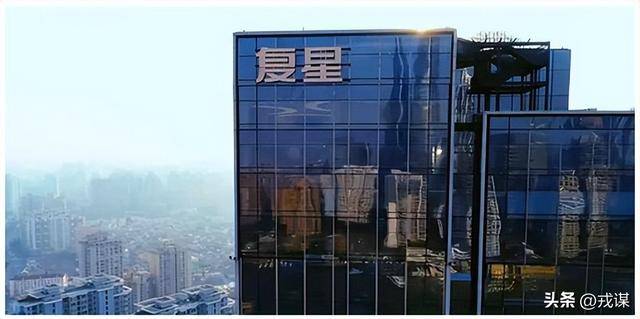
复星IPO赌一把?5000亿债压顶,靠外资险企能翻身?
Sou Hu Cai Jing· 2025-12-18 07:22
Core Viewpoint - Fosun is under significant debt pressure and is looking to its Portuguese insurance subsidiary, Fidelidade, as a potential solution through an IPO, which is crucial for the company's financial recovery and future operations [1][3]. Group 1: Debt Situation - Fosun's debt situation is alarming, with interest-bearing liabilities projected to reach 210 billion by the end of 2024 and total liabilities exceeding 538.3 billion by mid-2025 [3]. - Standard & Poor's has maintained a stable "BB-" rating for Fosun, indicating some level of confidence despite the high debt levels [3]. Group 2: Fidelidade's Financial Performance - Fidelidade has a long history of over 200 years and reported a net profit of 236 million euros, insurance revenue of 3.429 billion euros, and total assets of 20.282 billion euros in 2023, positioning it as a significant cash generator for Fosun [5]. - The current economic environment, with rising interest rates, has improved Fidelidade's profitability, allowing it to benefit from a favorable interest rate spread [7]. Group 3: Strategic Importance of Fidelidade - The insurance business provides "float" capital, which serves as free liquidity for daily operations and investment opportunities, crucial for Fosun's current strategy of financial contraction [9]. - Fidelidade's operations align well with Fosun's healthcare group, creating a synergistic "insurance + healthcare" model that supports the company's overarching goals of health, happiness, and wealth [9]. Group 4: IPO Considerations - The IPO of Fidelidade is not guaranteed success, as previous attempts by Fosun's LuzSaúde to go public were thwarted by market volatility and valuation issues [11]. - The company must balance between achieving a favorable valuation and the urgency of raising funds to address its debt situation [11]. Group 5: Conclusion - Fosun's strategy to sell a portion of Fidelidade's equity to raise funds for debt repayment is a calculated move to improve financial metrics and maintain control over a profitable asset [13]. - If the market responds positively, this approach could effectively reduce leverage and enhance profitability for Fosun [13].


从伤员救治到健康管理,开启“保医”联动新篇章
Sou Hu Cai Jing· 2025-10-29 08:45
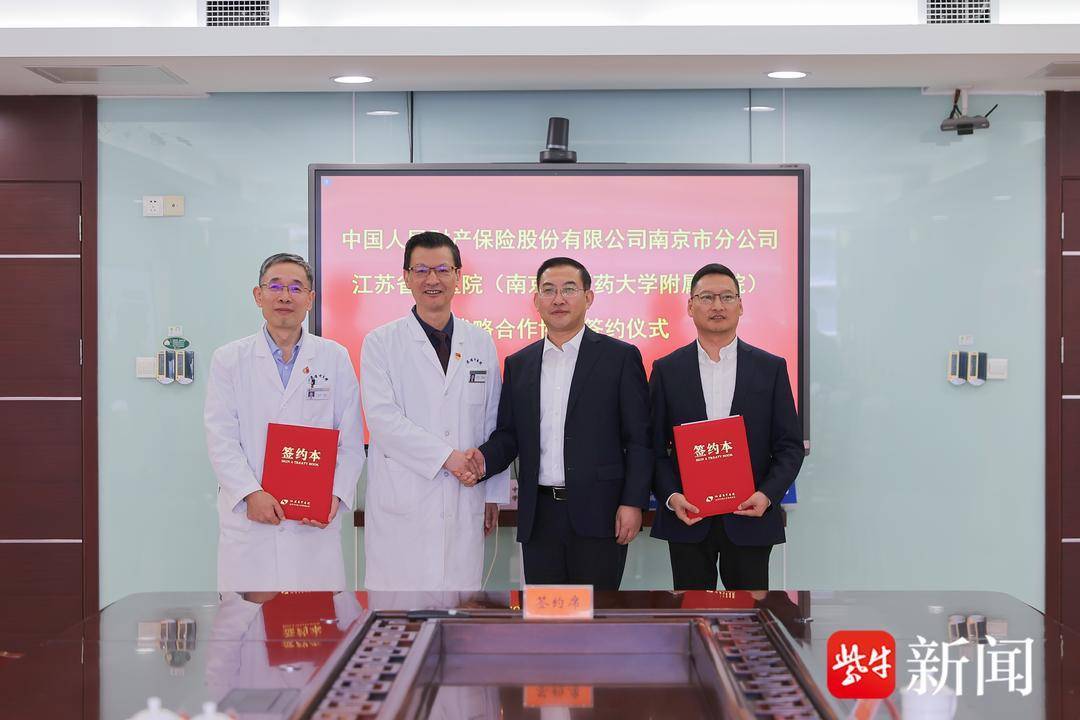
Core Points - The strategic cooperation between China People's Property Insurance Company Nanjing Branch and Jiangsu Provincial Hospital marks a new chapter in collaboration, focusing on the "insurance + healthcare" innovative service model [1][4] - The partnership aims to enhance customer service capabilities, starting with exploratory cooperation in areas such as road injury treatment and health insurance client medical guidance [3] - The collaboration is a response to the "Healthy China" national strategy, aiming to create a model for cross-industry cooperation between insurance and healthcare [4] Group 1 - The signing ceremony was attended by key leaders from both organizations, highlighting the importance of this strategic partnership [1][3] - The cooperation will initially focus on specific areas and gradually expand to include management and data sharing, providing more precise and personalized services to clients [3] - Both organizations emphasize the integration of their strengths, with the insurance company providing extensive customer resources and efficient claims services, while the hospital offers advanced medical technology and clinical experience [3] Group 2 - The partnership aims to innovate in the "police-insurance-medical" linkage mechanism and explore deep cooperation in special medical services and commercial insurance with public hospitals [3] - The collaboration is expected to contribute significantly to the health and well-being of the public, aligning with national health initiatives [4]
爱心人寿立大功 心血管特定疾病保险填补市场空白
Cai Fu Zai Xian· 2025-10-11 10:19
Core Insights - Health insurance is becoming an essential supplement to basic medical insurance, particularly in the context of rising health risk awareness among the public [1] - The introduction of cardiovascular-specific medical insurance by Aixin Life and Hebei Mayo Cardiovascular Hospital aims to address the challenges faced by patients with chronic diseases, particularly those with cardiovascular conditions [1][2] Group 1: Product Launch and Impact - Aixin Life has launched a cardiovascular-specific disease medical insurance product that focuses on prevention, treatment, and rehabilitation for cardiovascular disease patients [1] - The product fills a gap in the insurance market for cardiovascular diseases in Hebei province, providing targeted health protection for the local population [1] - A case study of a patient who benefited from this insurance highlights its effectiveness, as the patient received significant financial support for treatment costs, demonstrating the product's value [2] Group 2: Future Directions and Strategy - Aixin Life plans to enhance its health management services by collaborating with local hospitals, health check-up centers, and pharmaceutical companies to offer a range of health management products targeting chronic and specific diseases [2] - The company aims to transition its business model towards "preventive management healthcare," integrating health insurance with health management to improve patient outcomes [2] - Aixin Life's chairman emphasizes the importance of disease prevention and management, indicating a commitment to expanding coverage for various diseases and creating a comprehensive health management service system [3]
君龙人寿经营AB面:逆势扩张落子上海,资负两端压力犹存
Sou Hu Cai Jing· 2025-09-04 07:27
Core Viewpoint - Junlong Life Insurance is experiencing rapid growth but faces significant challenges, particularly in risk management and market positioning as it expands into Shanghai amidst a contracting industry landscape [2][5]. Industry Overview - The insurance industry has seen a contraction in branch offices, with 971 closures in 2020, doubling to 2,197 in 2021, peaking at 2,966 in 2022, and reducing to 2,065 in 2023. The trend is expected to continue into 2025, with 946 closures in the first five months of 2023 [3][4]. Company Strategy - Junlong Life Insurance, established in 2008, has positioned itself as a product-driven insurer focusing on "insurance + healthcare" and has launched several innovative products, including the "Little Qinglong" critical illness insurance series [4][5]. - The opening of the Shanghai branch is seen as a strategic move to enhance regional operations and market penetration, particularly targeting the elderly and youth demographics with tailored financial products [4][5]. Financial Performance - Junlong Life's total assets have grown from 1.8 billion to over 10 billion from 2020 to 2025, marking it as a rising player in the market [5]. - The company reported a core solvency ratio of 132.67% and a comprehensive solvency ratio of 181.41% as of mid-2023, although these figures have decreased by 15.08 and 20.1 percentage points respectively since the beginning of the year [6]. Risk Assessment - The company's risk ratio stands at 46.69%, significantly higher than its peers, indicating a more aggressive approach to product pricing and potential exposure to insurance losses [6][7]. - Junlong Life's insurance risk occurrence rate is 34.07%, suggesting a reliance on competitive pricing strategies that may lead to higher risk [7]. Investment Strategy - As of mid-2023, Junlong Life's investment yield was 4.67%, ranking it first among 57 non-listed life insurance companies, while its comprehensive investment yield was 4.08%, placing it sixth [12]. - The company has adopted a cautious investment strategy, focusing on low-risk long-term bonds and emerging industry REITs, while also diversifying into equities and convertible bonds [14]. Operational Challenges - Despite achieving profitability in 2024 with a net profit of 0.46 billion, Junlong Life has faced losses in previous years and a significant decline in insurance revenue, which fell by 33.53% year-on-year in the first half of 2023 [14][15]. - The company is actively optimizing its business structure to focus on high-value, long-term insurance products, which may lead to short-term financial fluctuations but is expected to benefit long-term sustainability [15].

君龙人寿的破局路:一个长期主义者的坚守与蜕变
2 1 Shi Ji Jing Ji Bao Dao· 2025-09-02 08:21
Core Insights - Junlong Life Insurance has officially opened its Shanghai branch, marking a significant step towards national market expansion after 17 years of operation in Fujian [1][2] - The company has transformed from a loss-making entity to a profitable one, with total assets increasing from 1.8 billion yuan in early 2020 to 10 billion yuan by August 2025, and premium income reaching nearly 2.5 billion yuan in 2024, quadrupling since 2019 [1][4] - The investment performance of Junlong Life is noteworthy, achieving a total investment return rate of 4.67% in the first half of 2025, ranking first among 59 non-listed life insurance companies [1][5] Company Strategy - The core strategy of Junlong Life revolves around a differentiated product approach combining "insurance + healthcare" and a long-term capital mindset linking primary and secondary markets [2][4] - The company has established a professional investment system, leveraging the investment background of its chairman, Wang Wenhui, who has managed nearly 25 billion yuan in funds and invested in over 200 companies [2][4] - Junlong Life aims to build an ecosystem of "proactive health management" by integrating resources from its shareholder, Jianfa Group, in healthcare and investment [2][4] Market Positioning - The establishment of the Shanghai branch is seen as a pivotal move for Junlong Life to enhance its brand influence and market coverage, leveraging Shanghai's status as a financial hub with abundant healthcare resources [8][9] - The company emphasizes a differentiated competitive strategy, focusing on innovative product offerings and high-quality service channels to meet the diverse needs of clients [8][9] Future Outlook - Junlong Life plans to focus on three strategic areas: "insurance + healthcare" product strategy, collaboration with quality channels, and comprehensive digitalization [9][10] - The company is optimistic about investment opportunities in three key sectors: digitalization and domestic substitution, life and health, and energy transition, viewing these as essential for long-term growth [9][10]
《长寿时代安心种牙白皮书》镇江发布!泰康“保险+医疗”模式,重塑种牙保障新生态
Jiang Nan Shi Bao· 2025-09-01 08:30
Group 1 - The core event was the launch of the "Long Life Era Peace of Mind Dental Implant White Paper" in Zhenjiang, showcasing the integration of insurance and medical services in the dental health sector [1] - The event highlighted the innovative "Zero-Sensation Implant First-Class Cabin" treatment experience, demonstrating significant advancements in dental technology and service upgrades by the company [1][5] - The company aims to provide a comprehensive dental health solution through its "Worry-Free Dental Implant 2.0" program, which emphasizes rapid compensation and long-term maintenance for elderly patients [2][4] Group 2 - The company has developed a full lifecycle service model for dental implants, integrating nearly 300 implant doctors and leveraging its health ecosystem to create a collaborative clinical network [2] - The "Worry-Free Dental Implant 2.0" program represents a significant upgrade in dental insurance, focusing on preventive health management and offering over 30 dental insurance products since 2019 [2][3] - The event also included a public welfare initiative aimed at improving oral health for the elderly, combining medical resources with community support to extend dental services to a broader audience [4] Group 3 - The "Zero-Sensation Implant" technology addresses patient anxiety and pain, utilizing innovative methods such as VR for anxiety relief and long-lasting pain management solutions [5] - The company emphasizes a patient-centered approach, aiming to transform dental implants from a luxury to a durable consumer product, thereby enhancing the dignity of health for the elderly [5] - The white paper outlines a comprehensive ecosystem for dental implants, integrating high-quality services, risk management, and lifelong maintenance within the company's health ecosystem [5]