
信用卡利率上限政策

Search documents
四季度营收首破10亿难掩盈利压力 Klarna Group(KLAR.US)股价跌至历史新低
智通财经网· 2026-02-19 23:19
盈利能力方面,Klarna当季录得2.41亿美元的税前亏损,这是自首次公开募股以来连续第二个季度出现 亏损。受此影响,公司股价当日暴跌近27%,收于13.85美元,不仅创下上市以来最大单日跌幅,也刷 新历史最低收盘价。 智通财经APP获悉,瑞典"先买后付"(BNPL)巨头Klarna Group(KLAR.US)周四公布四季度财报,宣布录 得公司历史上"首个单季营收突破10亿美元"的季度,但资本市场反应冷淡,股价遭遇重挫。 财报显示,Klarna当季营收为10.8亿美元,略高于华尔街预期的10.7亿美元;衡量平台交易规模的商品 交易总额(GMV)为387亿美元,也小幅高于分析师预计的381亿美元。截至第四季度,公司活跃用户数达 到1.18亿,略好于市场预期的1.17亿,但单个活跃用户的平均收入仍维持在30美元,未见增长。 展望2026年,Klarna预计全年GMV将超过1550亿美元,而华尔街共识预期约为1590亿美元;公司预计 营收增速将超过24%,低于J.P. Morgan和市场分别预测的31%和29%。分析师指出,Klarna的全年指引在 多数关键指标上均低于市场预期,反映出公司正从"规模扩张"阶段转向 ...

特朗普称将要求国会落实其信用卡利率上限政策
Xin Lang Cai Jing· 2026-01-21 15:11
Core Viewpoint - President Donald Trump proposes to Congress to set a credit card interest rate cap at 10% for one year, aiming to help millions of Americans save for home purchases [2][4]. Group 1: Policy Proposal - The proposed interest rate cap of 10% is intended to assist millions of Americans in saving for home purchases [2][4]. - The proposal was announced during Trump's speech at the World Economic Forum in Davos, Switzerland [2][4]. Group 2: Industry Response - Major banks and credit card issuers have opposed the proposed policy, indicating potential negative impacts on the financial industry [2][5]. - Jamie Dimon, CEO of JPMorgan Chase, warned that the policy could lead to an "economic disaster" and result in lenders reducing credit availability to consumers [5].

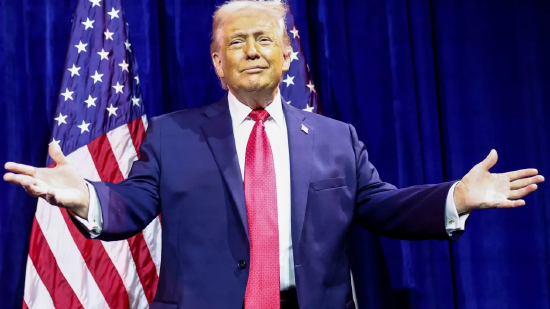
美国白宫考虑以行政令限制信用卡利率上限
Xin Lang Cai Jing· 2026-01-16 23:55
Group 1 - The White House is considering an executive order to implement a credit card interest rate cap proposed by Trump, aiming to alleviate the cost of living pressures faced by Americans [2][7] - The proposed cap is set at 10% for a one-year period, with a deadline for implementation on January 20 [3][9] - Discussions are ongoing with major banks, which reportedly find the proposal feasible [8][9] Group 2 - Financial institutions are actively researching the specifics of the proposed credit card interest rate cap, with industry associations preparing responses to the policy [3][9] - Major banks, including JPMorgan Chase, Citigroup, and Bank of America, have expressed opposition to the 10% cap, citing insufficient understanding of the proposal's details [9][10] - The banking industry is concerned that the enforced rate cap could slow economic growth and restrict consumer access to credit [4][10] Group 3 - Consumer advocates worry that a 10% interest rate cap may lead banks to reduce credit availability, potentially putting consumers in financial distress [10] - The National Economic Council Director suggested the possibility of banks launching a new "Trump-branded credit card" with the proposed interest rate cap [5][10] - A financial company named Bilt has already introduced new credit card products with a 10% interest rate cap, applicable only to new transactions for one year [5][10]

Earnings live: Bank of America stock rises on earnings beat, Wells Fargo stock dips
Yahoo Finance· 2026-01-14 12:47
Core Viewpoint - The proposal to cap credit card interest rates at 10% by President Trump could have significant negative consequences for consumers and the economy, according to corporate executives from major companies [1][3]. Group 1: Impact on Consumers - JPMorgan Chase CEO Jamie Dimon indicated that the implementation of the proposed interest rate cap would be dramatic and could restrict access to credit for consumers, particularly those with subprime risk profiles [1][3]. - CFO of JPMorgan, Jeremy Barnum, noted that service changes would likely occur, affecting credit card users with higher risk, leading to increased financial instability [2]. - Delta Air Lines CEO Ed Bastian expressed concerns that the proposal would restrict lower-end consumers from accessing credit, fundamentally disrupting the credit card industry [5]. Group 2: Economic Ramifications - Barnum warned that the loss of credit access would have severe negative consequences for consumers and potentially for the economy as a whole [3]. - Delta's revenue from its co-branded credit card partnership with American Express grew 11% year over year to $8.2 billion in 2025, highlighting the importance of credit access for revenue generation [4]. Group 3: Legislative Challenges - It remains unclear how the proposed one-year credit card APR limit could be implemented without Congressional legislation, with House Speaker Mike Johnson indicating he would explore the idea [3]. - Johnson acknowledged the potential for "unintended consequences" stemming from the proposed policy, a sentiment shared by other industry leaders [4].


特朗普利率上限设想,正成为700亿美元信用卡债市“达摩克利斯之剑”
智通财经网· 2026-01-14 01:21
Group 1 - Proposed credit card interest rate cap policy could severely impact the $70 billion credit card debt securitization market, but investors believe the likelihood of implementation is low, resulting in a muted market reaction [1] - Analysts from JPMorgan indicated that a 10% interest rate cap would significantly reduce the excess spread, a key profitability metric, to levels comparable to those during the 2008 financial crisis [1] - The credit card asset-backed securities market is highly sensitive to the interest rate cap policy, which could block high-interest borrowers from accessing credit cards, leading to a significant contraction in the market [2][3] Group 2 - If the interest rate cap is enforced, banks are expected to tighten credit issuance, leading to a decline in overall loan volumes and a reduction in the issuance of credit card asset-backed securities [3] - Current data shows that credit card ABS has dropped from a peak of 36% of total ABS issuance in 2009 to just 9% [2] - The stock market reacted negatively, with significant declines in shares of banks and credit card issuers, particularly those with a higher proportion of low-quality borrowers [4] Group 3 - Analysts predict that if the interest rate cap is made permanent, it could lead to systemic adjustments in credit card companies' strategies, including reduced credit issuance to non-prime consumers and increased fees [4][5] - Major banks like Citigroup, JPMorgan, and Bank of America could see a decline in earnings per share ranging from 1% to 10% due to the proposed policy [5] - The potential impact on credit card companies' book values could be severe, with estimates suggesting declines of 20% to 40% for certain firms under the temporary cap [5][6]



特朗普利率上限政策“落地存疑”,华尔街预警或触发信贷紧缩与经济涟漪效益
Zhi Tong Cai Jing· 2026-01-13 03:35
Group 1 - The proposed 10% credit card interest rate cap by President Trump could significantly impact the banking sector and extend to consumer-related industries such as airlines and retail, potentially forcing consumers to seek higher-cost borrowing options [1][2] - Issuing banks may adopt multiple strategies to mitigate the pressure from the interest rate cap, including increasing fees, reducing consumer rewards, cutting operational expenses, and tightening credit limits, especially if the policy becomes permanent [1][2] - There is considerable doubt about the feasibility of implementing this cap, as previous attempts have failed, and analysts suggest that legislative action from Congress may be required [2][3] Group 2 - Analysts from Morgan Stanley predict that credit card companies' book values could suffer significant declines, with potential drops of 20% to 40% for certain firms under the temporary cap [3][4] - The impact on earnings per share for major credit card issuers could be severe, with estimates suggesting a 10% decline for Citigroup by 2026, while other banks like JPMorgan Chase and Bank of America may see smaller impacts ranging from -1% to -4% [2][3] - The stock market has already reacted to these risks, with companies that have a higher proportion of low-score borrowers experiencing the largest declines in stock prices [4]
特朗普利率上限政策“落地存疑”!华尔街预警或触发信贷紧缩与经济涟漪效益
Zhi Tong Cai Jing· 2026-01-13 02:39
Core Viewpoint - The proposed 10% cap on credit card interest rates by President Trump could significantly impact the banking sector and extend to consumer-related industries such as airlines and retail, potentially forcing consumers to seek higher-cost borrowing alternatives [1][2] Group 1: Impact on Credit Card Issuers - Credit card issuers may respond to the interest rate cap by increasing fees, reducing consumer rewards, cutting operational costs, and tightening credit limits, especially if the cap becomes permanent [1][2] - Analysts from Morgan Stanley predict that under the temporary cap, the book value of companies like Bread Financial, Synchrony Financial, and American Express could decline by 20% to 40% [3] - The impact on earnings per share for major credit card companies could be severe, with estimates suggesting a reduction of 80% for American Express and 60% for Citigroup [3] Group 2: Broader Economic Implications - The credit card industry is crucial to the U.S. economy, which is approximately 70% driven by consumer spending, with credit card spending accounting for just over 20% [2] - A tightening of credit by issuers could lead consumers to turn to less regulated and more expensive lending options, such as payday loans [1][2] - The potential for reduced credit availability could have a cascading effect on industries reliant on credit card revenue, particularly airlines and retail [2] Group 3: Market Reactions - Stock prices of companies with a higher proportion of low-credit borrowers have already begun to reflect the risks, with significant declines observed in shares of Bread Financial, Synchrony Financial, and others [4] - Major banks like Citigroup and JPMorgan also experienced stock price drops, indicating market concerns over the proposed policy's implications [4] - Analysts note that while the event's impact is broad, the likelihood of the cap being implemented remains low, but uncertainty in the industry has increased significantly [4]