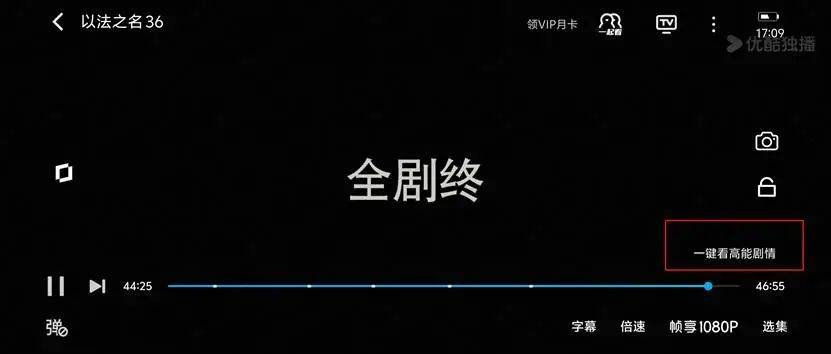
倍速化

Search documents
倍速时代:中国消费市场的新形态与不可逆趋势
Sou Hu Cai Jing· 2025-08-11 04:21
Group 1 - The core concept of "speed" is reshaping the Chinese consumer market, following the previous trend of "self-indulgence" [1][3] - Key events in the first half of the year, such as Pop Mart's breakthrough and the competition in instant retail, illustrate the pervasive "speed" phenomenon [1] - The rise of digital content platforms and the introduction of speed features have accelerated content consumption, marking the beginning of the "speed era" in online content [1][3] Group 2 - The "speed" trend is significantly altering consumer habits, with a focus on immediate gratification over delayed satisfaction [3][4] - Instant retail exemplifies the "speed" concept, driven by the growth of e-commerce and improvements in logistics, enabling faster delivery [3] - Successful products like Xiaomi's YU7 demonstrate the changes in product design and supply efficiency under the "speed" logic, with companies like Midea following suit [3] Group 3 - The "speed" phenomenon is not without controversy, as concerns arise about its impact on product uniqueness and social production relationships [4] - Historical evidence suggests that technological and business advancements have led to more efficient economic development rather than destruction [4] - Regardless of differing opinions, "speed" is an unstoppable narrative in society, and businesses must adapt to thrive in this evolving landscape [4]

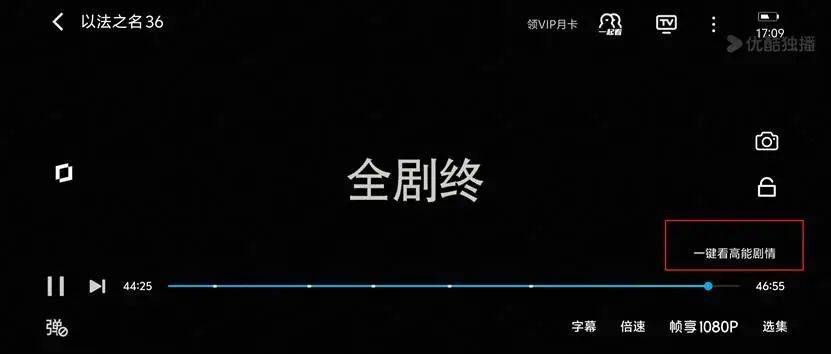
“倍速社会”:泡泡玛特、小米YU7与即时零售成功的原因
Hu Xiu· 2025-08-11 01:39
Group 1 - The core concept of the article revolves around the idea of a "speed society," which is reshaping China's consumption market, driven by the demand for faster consumption experiences [3][14][33] - The term "speed" is illustrated through three significant consumption events: the breakout of Pop Mart, the fierce competition in instant retail, and Xiaomi's YU7 changing the automotive industry dynamics [2][20] - The evolution of technology has enabled the "speed" phenomenon, with the introduction of features like playback speed on video platforms, which began in 2015 and has since expanded globally [10][11][12] Group 2 - Instant retail exemplifies the transformation of the e-commerce landscape, with significant improvements in internet penetration and logistics efficiency, leading to faster delivery times [17][18][19] - Xiaomi's product strategy focuses on reducing friction in consumer decision-making, which aligns with the "speed" concept by simplifying choices and enhancing user experience [23][24][25] - The sales model of companies like Pop Mart is adapting to the "speed" culture, emphasizing immediate gratification through innovative sales strategies like blind box sales [29][31][32] Group 3 - The article discusses the broader implications of "speed" on consumer behavior, suggesting that the future of consumption will increasingly rely on speed and efficiency to achieve superior returns [33][43] - The narrative also touches on the controversy surrounding "accelerationism," questioning whether the push for speed in consumption and production is beneficial or detrimental [34][36][40] - Ultimately, the article posits that businesses must embrace the "speed" narrative to align with evolving consumer expectations and market dynamics [44][45]