健康美

Search documents
再见了,万宁
虎嗅APP· 2025-12-17 10:31
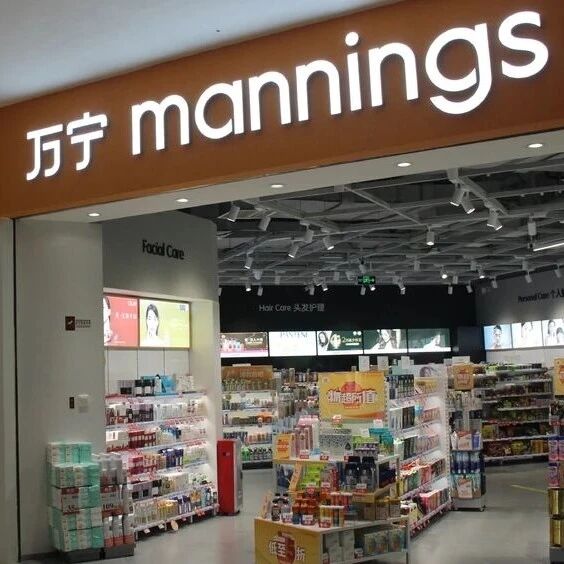
Core Viewpoint - Mannings China has announced its complete withdrawal from the Chinese market, ceasing all offline stores and online operations by January 2026, with the last operating day for its physical stores set for January 15, 2026 [5][6]. Group 1: Missed Opportunities - Mannings entered the mainland market in 2004 during a period of rapid growth in China's retail sector, but failed to capitalize on this opportunity due to a cautious and slow expansion strategy compared to competitors like Watsons, which aggressively expanded to over 3,000 stores across more than 300 cities [9][10]. - The complexity of the Chinese market, characterized by diverse cultural and economic factors, was underestimated by Mannings, leading to a lack of sufficient store density necessary for brand visibility and supply chain efficiency [10][11]. - Mannings' conservative approach, possibly influenced by its parent company DFI Retail Group, hindered its ability to transition from a regional to a national brand, resulting in a limited presence primarily in Southern China [12][13]. Group 2: Changing Consumer Behavior - The shift in consumer demographics, particularly among younger generations (80s, 90s, and Gen Z), has led to a disconnect between Mannings' store experience and the expectations of modern consumers who prioritize autonomy and information transparency in their shopping experiences [16][18]. - Young consumers often use social media to research products before visiting stores, leading to a preference for brands that engage them through relatable marketing and community-building, which Mannings failed to provide [20][21]. - Mannings' traditional sales approach, which relied on proactive staff recommendations, was perceived as intrusive by younger shoppers, further alienating them from the brand [19][22]. Group 3: Ineffective Retail Formula - Mannings struggled to establish itself as a trusted health advisor for both younger consumers and the aging population, ultimately losing core customer segments due to its ambiguous positioning [25]. - The company's supply chain efficiency lagged behind competitors, impacting its ability to respond quickly to market changes and consumer preferences, which is crucial in the fast-evolving retail landscape [26][27]. - The inability to adapt to the rapid changes in consumer values and behaviors resulted in Mannings losing relevance in the market, as it continued to operate under outdated retail strategies [28]. Group 4: DFI's Strategic Choices - DFI's decision to withdraw Mannings from the Chinese market reflects a broader strategic choice rather than a complete retreat, as the group continues to operate successfully in other sectors, such as dining and supermarkets [29][30]. - DFI's restaurant business, exemplified by successful brands like Maxims, has effectively tapped into the demand for international dining experiences among Chinese consumers, contrasting with Mannings' struggles in the retail space [30][32]. - The partnership between DFI's supermarket chain, Wellcome, and the fresh food e-commerce platform Dingdong Maicai illustrates a proactive approach to leveraging digital channels and supply chain capabilities, highlighting a strategic pivot away from the challenges faced by Mannings [32][34].

别被“白幼瘦”审美带偏 超七成受访青年力挺“自然美”
Zhong Guo Qing Nian Bao· 2025-07-09 23:06
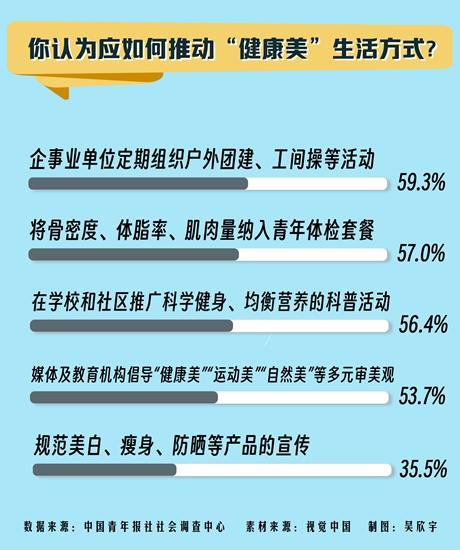
Group 1 - The core viewpoint of the articles emphasizes a shift in beauty standards among young people in China, advocating for "natural beauty" over the traditional "white, young, and thin" aesthetic [2][3] - A survey conducted by China Youth Daily and Wenjuan.com revealed that 72.4% of young respondents believe "natural beauty" should replace the "white, young, and thin" standard [3][4] - Key characteristics of "healthy beauty" identified by respondents include rosy complexion (63.5%), strong and proportionate body (62.2%), and natural, glowing skin (55.5%) [3][4] Group 2 - The articles highlight the importance of bone health, with experts suggesting that young people should focus on maintaining a healthy lifestyle to prevent conditions like osteoporosis [4][5] - Recommendations from respondents include incorporating bone density, body fat percentage, and muscle mass into health check-ups, with 57.0% supporting this initiative [4][6] - The articles also discuss common misconceptions among young people regarding health and beauty, such as the belief that complete sun protection is necessary and that frequent face masking equates to deep hydration [4][5] Group 3 - Suggestions for promoting a "healthy beauty" lifestyle include organizing outdoor team-building activities by companies, promoting scientific fitness and balanced nutrition in schools and communities, and advocating for diverse beauty standards [6] - The demographic breakdown of the survey respondents shows that 63.7% are female and 36.3% are male, with the majority being born in the 1990s [6]