维生素软糖

Search documents
再见了,万宁
虎嗅APP· 2025-12-17 10:31
Core Viewpoint - Mannings China has announced its complete withdrawal from the Chinese market, ceasing all offline stores and online operations by January 2026, with the last operating day for its physical stores set for January 15, 2026 [5][6]. Group 1: Missed Opportunities - Mannings entered the mainland market in 2004 during a period of rapid growth in China's retail sector, but failed to capitalize on this opportunity due to a cautious and slow expansion strategy compared to competitors like Watsons, which aggressively expanded to over 3,000 stores across more than 300 cities [9][10]. - The complexity of the Chinese market, characterized by diverse cultural and economic factors, was underestimated by Mannings, leading to a lack of sufficient store density necessary for brand visibility and supply chain efficiency [10][11]. - Mannings' conservative approach, possibly influenced by its parent company DFI Retail Group, hindered its ability to transition from a regional to a national brand, resulting in a limited presence primarily in Southern China [12][13]. Group 2: Changing Consumer Behavior - The shift in consumer demographics, particularly among younger generations (80s, 90s, and Gen Z), has led to a disconnect between Mannings' store experience and the expectations of modern consumers who prioritize autonomy and information transparency in their shopping experiences [16][18]. - Young consumers often use social media to research products before visiting stores, leading to a preference for brands that engage them through relatable marketing and community-building, which Mannings failed to provide [20][21]. - Mannings' traditional sales approach, which relied on proactive staff recommendations, was perceived as intrusive by younger shoppers, further alienating them from the brand [19][22]. Group 3: Ineffective Retail Formula - Mannings struggled to establish itself as a trusted health advisor for both younger consumers and the aging population, ultimately losing core customer segments due to its ambiguous positioning [25]. - The company's supply chain efficiency lagged behind competitors, impacting its ability to respond quickly to market changes and consumer preferences, which is crucial in the fast-evolving retail landscape [26][27]. - The inability to adapt to the rapid changes in consumer values and behaviors resulted in Mannings losing relevance in the market, as it continued to operate under outdated retail strategies [28]. Group 4: DFI's Strategic Choices - DFI's decision to withdraw Mannings from the Chinese market reflects a broader strategic choice rather than a complete retreat, as the group continues to operate successfully in other sectors, such as dining and supermarkets [29][30]. - DFI's restaurant business, exemplified by successful brands like Maxims, has effectively tapped into the demand for international dining experiences among Chinese consumers, contrasting with Mannings' struggles in the retail space [30][32]. - The partnership between DFI's supermarket chain, Wellcome, and the fresh food e-commerce platform Dingdong Maicai illustrates a proactive approach to leveraging digital channels and supply chain capabilities, highlighting a strategic pivot away from the challenges faced by Mannings [32][34].


在拼多多,一批老品牌正在复兴
市值风云· 2025-08-13 10:15
Core Viewpoint - The article discusses the revival of traditional snack brands in China through new e-commerce platforms like Pinduoduo, highlighting the transformation of old brands in the digital economy and the mutual benefits of this collaboration [4][19]. Group 1: Challenges Faced by Traditional Brands - The golden era for Fujian snack brands was from the 1990s to the early 2000s, characterized by strong offline distribution networks and high demand [5]. - The rise of e-commerce has disrupted traditional business models, leading to a decline in market share for older brands as they struggle against emerging competitors like Three Squirrels and Good Products [5][6]. - Older brands are perceived as outdated by younger consumers, who favor new brands that leverage internet marketing to create a trendy image [5][7]. - Traditional brands have been slow to adapt to channel changes, leading to a disconnect with modern consumer preferences, particularly among Gen Z [7][8]. Group 2: Revival Strategies via Pinduoduo - Pinduoduo offers a differentiated path for traditional brands, focusing on data, efficiency, and cost reduction to facilitate their digital revival [9]. - The platform provides real-time consumer data, enabling brands to make data-driven decisions rather than relying on past experiences [9][10]. - Pinduoduo's model allows for rapid product development, significantly reducing the testing cycle for new products from months to days [10]. - Cost efficiency is achieved through lower service fees compared to traditional platforms, allowing brands to reinvest savings into production and marketing [11]. Group 3: Strategic Support and Ecosystem Development - Pinduoduo's "100 Billion Support" policy aims to invest in resources for traditional brands over three years, enhancing their growth ecosystem [12]. - The platform helps brands reach younger consumers through targeted marketing strategies, improving customer acquisition efficiency [14]. - The initiative encourages brands to shift from a focus on cost-effectiveness to enhancing perceived value, thereby upgrading their market positioning [15][16]. - Overall, Pinduoduo's support fosters a systemic transformation for traditional brands, enabling them to thrive in the digital economy [17][19].

老糖罐里跳新舞:福建零食老字号借拼多多焕发新生
21世纪经济报道· 2025-08-08 05:01
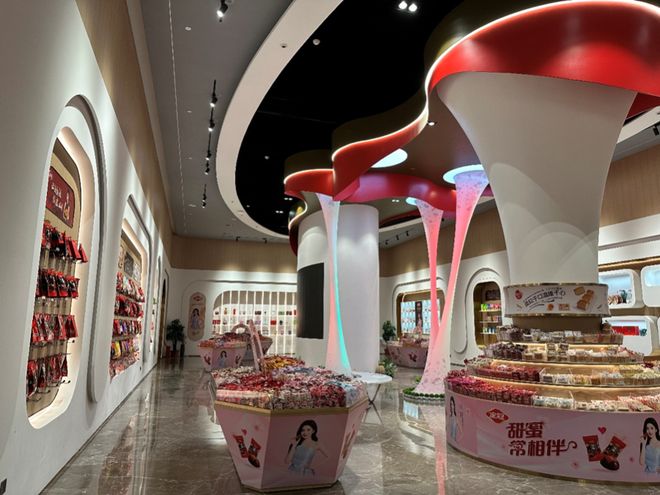
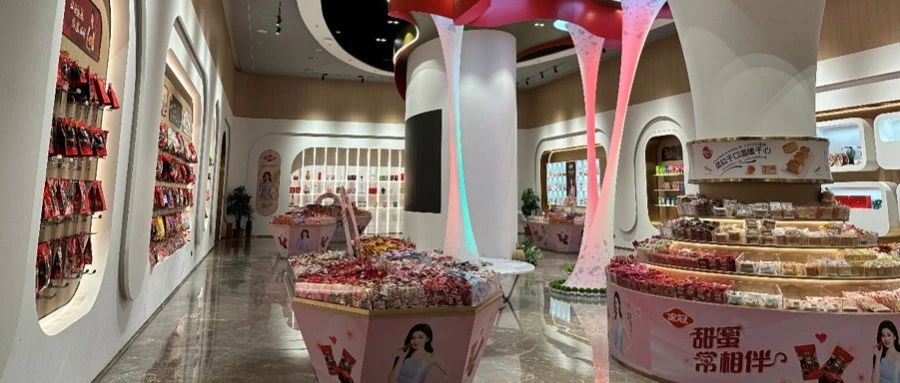
Core Viewpoint - The article highlights the revival of traditional snack brands from Fujian, leveraging e-commerce platforms like Pinduoduo to innovate and reach consumers directly, thus adapting to new consumption trends and preferences [2][3][18]. Group 1: Industry Overview - Fujian is a significant hub for the snack industry, with major food industrial clusters in Xiamen, Fuzhou, Zhangzhou, and Quanzhou, collectively holding a substantial market share [1][18]. - Quanzhou Jinjiang alone has over 700 food enterprises, capturing 20% of the national snack market [1]. Group 2: Brand Revival and Innovation - Traditional snack brands from Fujian, such as Jinguang, Crayon Shin-chan, Yake, and Youchen, are experiencing a renaissance by adapting to e-commerce, particularly through Pinduoduo, achieving significant sales growth [4][6][18]. - Jinguang has transitioned from traditional candy to healthier options, responding to consumer feedback and preferences, resulting in annual sales reaching millions [6][18]. - Yake has innovated its product line by developing V9 vitamin soft candies, aligning with the growing consumer focus on health and wellness [7][18]. Group 3: Consumer Engagement and Feedback - Direct consumer engagement through Pinduoduo has allowed brands to quickly adapt products based on real-time feedback, significantly reducing the time from product launch to market response [6][12][20]. - The ability to gather consumer data has enabled brands to tailor their offerings, such as Jinguang's smaller candy sizes for sharing and Yake's functional soft candies [6][20]. Group 4: Differentiation and Market Strategy - Brands are focusing on differentiated supply strategies, such as Jinguang's unique coconut candy and Crayon Shin-chan's whole fruit jelly, to meet specific consumer needs [12][14][18]. - The article emphasizes the importance of emotional design in product development, with Jinguang introducing mood-testing candies that resonate with consumers' emotional needs [19][20]. Group 5: Future Outlook - The future of Fujian's snack brands looks promising, with plans for new product lines that cater to health trends and consumer preferences, supported by Pinduoduo's ongoing policies and market reach [20][21].
老糖罐里跳新舞:福建零食老字号借拼多多焕发新生
2 1 Shi Ji Jing Ji Bao Dao· 2025-08-08 00:08
Core Insights - A group of traditional snack brands from Fujian is experiencing a revival through the e-commerce platform Pinduoduo, leveraging direct consumer engagement and innovative product development to adapt to new consumption trends [1][2][17]. Company Overview - Jin Guan, established in 1982, has achieved annual sales of 1.5 billion yuan through its signature black sugar plums [2]. - Crayon Shin-chan, founded in 2000, has built a strong national recognition over 25 years, primarily through its jelly products [2]. - Yake, starting in 1993, has expanded from vitamin candies to multiple categories, maintaining a leading position in the industry for 33 years [2]. - Youchen, known for its meat floss cakes since 2011, has over 30 years of history [2]. Transformation Strategies - Direct consumer engagement is central to the revival of these brands, allowing them to respond quickly to consumer preferences and innovate products [4][5]. - Jin Guan has shifted from traditional candy to healthier options, reducing the size of its black sugar plums from 6.5 grams to 4 grams to cater to younger consumers [4][5]. - The feedback cycle for product development has been significantly shortened from months to weeks on Pinduoduo, enabling rapid response to market demands [5][13]. Product Innovation - Yake has developed V9 vitamin soft candies, combining vitamins with a pleasant taste to appeal to health-conscious consumers [15][16]. - Crayon Shin-chan has focused on creating jelly products with high fruit juice content and no additives, targeting both children and office workers with tailored offerings [8][15]. - Youchen has introduced new flavors and products, such as meat floss twists, to cater to various consumption scenarios [8][15]. Market Dynamics - The brands are leveraging Pinduoduo's policies, such as subsidies and promotional resources, to enhance their market presence and drive sales [9][12]. - The competitive landscape is evolving, with brands investing in unique product features and packaging to differentiate themselves in the online market [11][12]. Future Outlook - The Fujian snack industry is poised for continued growth, with plans for new product lines including probiotic candies and herbal candies, supported by Pinduoduo's ongoing initiatives [17][18].