健康风潮

Search documents
记者调查|保乐力加中国销售额锐减 部分高端洋酒打五折
Sou Hu Cai Jing· 2026-02-25 14:47
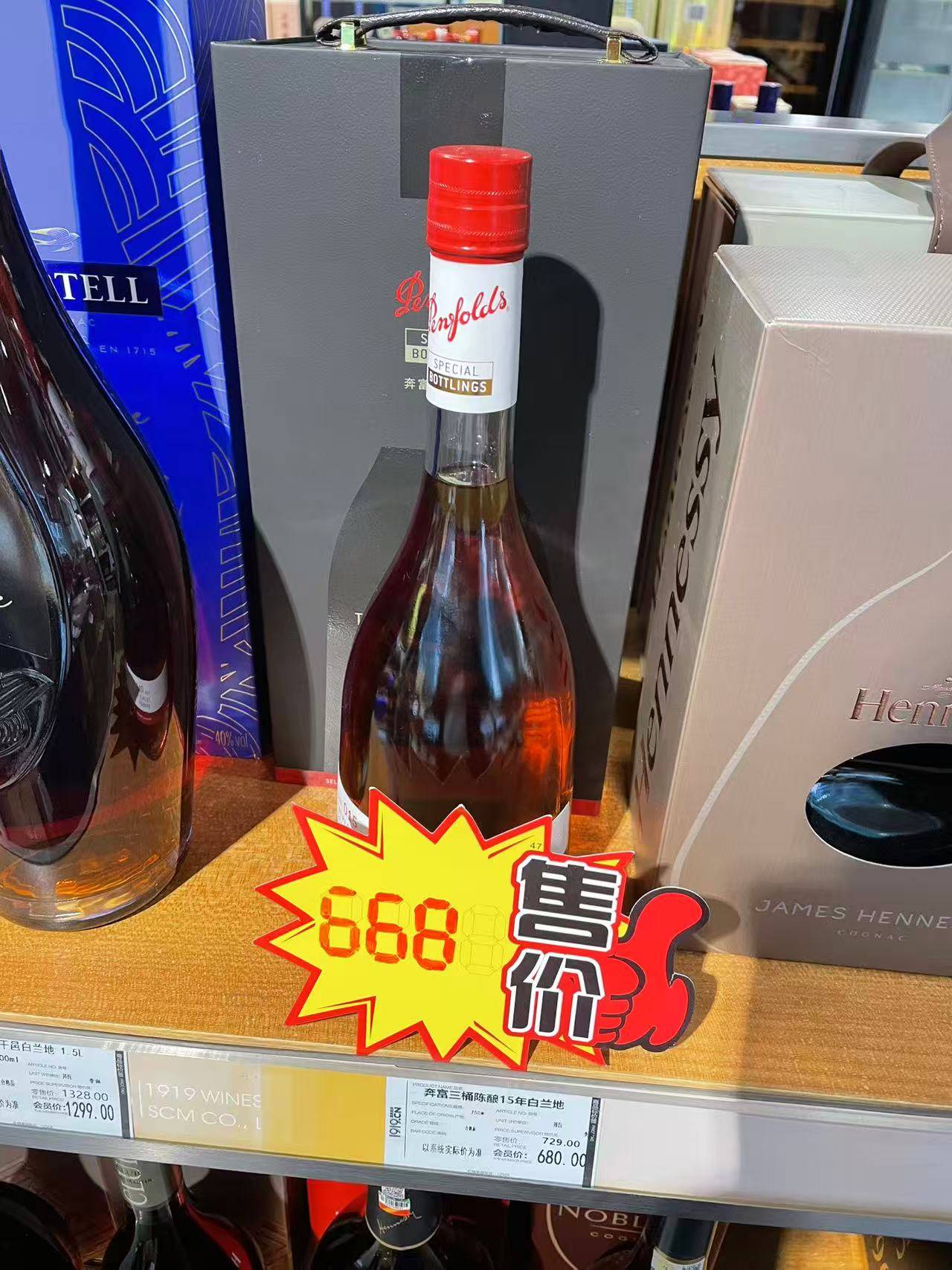
Core Insights - The high-end liquor market in Shenzhen is experiencing significant price reductions, contrary to expectations for a sales boom during the Spring Festival [1][4] - Major brands like Macallan and Martell are seeing steep declines in sales and prices, indicating a shift in consumer demand and market dynamics [6][10] Market Trends - High-end liquor prices have dropped dramatically, with Macallan 25-year whisky now priced below 20,000 yuan, down from a peak of 37,000 yuan [6][10] - Discounts on various premium liquors exceed 50%, with some products like the French Larsen XO gift box reduced from 1,780 yuan to 798 yuan, representing a 55% discount [8] Company Performance - Pernod Ricard reported a 5.9% organic decline in net sales for the first half of the 2026 fiscal year, with a staggering 28% drop in organic sales in the Chinese market [10] - The company's core brand, Martell, saw an 8% decline in sales volume and a 17% drop in net sales in China [10] Consumer Behavior - The demand for high-end cognac has sharply decreased due to reduced corporate gifting and banquet needs, leading to significant inventory buildup [10] - Online sales data indicates a contrasting trend, with liquor sales on platforms like Tmall showing double-digit growth, driven by changing consumer preferences towards health-oriented and lower-alcohol beverages [11] Future Outlook - Pernod Ricard has positioned the 2026 fiscal year as a transitional period, with expectations for gradual improvement in net sales in the latter half of the year [10] - The company anticipates an average annual growth rate of 3% to 6% in net sales from 2027 to 2029, alongside ongoing improvements in organic profit margins [10]

马爹利干邑卖不动了,酒业巨头保乐力加业绩承压
Shen Zhen Shang Bao· 2026-02-25 13:18
Core Viewpoint - The high-end liquor market in China, particularly for brands like Martell Cognac, is experiencing significant declines in sales and revenue, indicating a challenging environment for premium spirits [1][2]. Group 1: Sales Performance - Martell Cognac's sales volume in China has decreased by 8% year-on-year, with net sales dropping by 17% [1]. - Pernod Ricard's overall net sales for the first half of the 2026 fiscal year were €5.253 billion (approximately RMB 42.6 billion), reflecting an organic decline of 5.9% [2]. - The organic sales in the Chinese market fell sharply by 28%, marking it as the weakest performing region globally for Pernod Ricard [2]. Group 2: Pricing and Promotions - High-end liquor prices are being significantly reduced, with some products seeing discounts of over 50%, indicating a shift in consumer demand [1]. - For example, Macallan 25-year-old whisky, once priced at RMB 37,000, is now listed at RMB 19,680, with further discounts available [1]. - A French Larsen XO gift box has seen its price drop from RMB 1,780 to RMB 798, representing a 55% discount [1]. Group 3: Market Trends - The demand for high-end cognac has decreased due to reduced consumption in corporate gifting and banquet scenarios, leading to inventory buildup [2]. - The market is witnessing a shift towards healthier drinking options, with products like health-oriented liquor gaining popularity, as evidenced by a 400-fold increase in sales for a specific health liquor during the Spring Festival [3]. - The rise of "self-indulgent" consumption among younger consumers, particularly women under 30, is contributing to the decline of traditional high-end spirits [3].
谁在取代车厘子?
吴晓波频道· 2026-01-14 00:29
Core Viewpoint - The price of cherries has significantly decreased this winter, making them less appealing as a luxury fruit and more of a common consumer item, influenced by increased supply and changing consumer preferences [3][4][30]. Group 1: Price Trends and Market Dynamics - This winter, the price of cherries has dropped by over 20% compared to the previous year, with some distributors reporting the lowest prices in a decade [3][7]. - The price of cherries has become less prominent compared to other fruits, with online prices showing discounts of up to 20% compared to offline prices [3][8]. - The increase in supply is attributed to an early harvest and improved logistics, with the shipping time from Chile to China reduced to as little as 23 days [8][30]. Group 2: Supply Chain and Import Factors - Chile has expanded its cherry cultivation area from approximately 7,600 hectares in 2004 to over 76,000 hectares in 2024, leading to a significant increase in export volume [7]. - Despite a forecasted decrease in export volume to 550,000 tons this year, the rapid influx of cherries into the Chinese market has created oversupply [7][8]. - The implementation of "cherry fast lanes" and reduced shipping costs have further facilitated the import process, lowering costs by over 60% compared to air freight [8][30]. Group 3: Changing Consumer Preferences - The perception of cherries has shifted from a luxury item to a common fruit, with consumers now having a wider variety of choices, including tropical fruits and unique varieties [12][21]. - Negative media coverage regarding health concerns associated with cherries has also impacted consumer demand, leading to a decline in high-grade cherry purchases for gifting [9][11]. - The demand for fruit that is visually appealing and suitable for gifting has evolved, with innovative packaging and presentation becoming more important [18][21]. Group 4: Future Outlook and Industry Adaptation - The cherry industry is exploring new markets and strategies to adapt to changing consumer preferences and increased competition, including promoting alliance agreements and staggered shipments [30][31]. - The logistics improvements that benefited the cherry market may also support the import of other fruits, indicating a potential shift in the competitive landscape [31].

需求58万吨,年轻人爱上“战备物资”,有巨头年销800亿
3 6 Ke· 2025-11-24 01:17
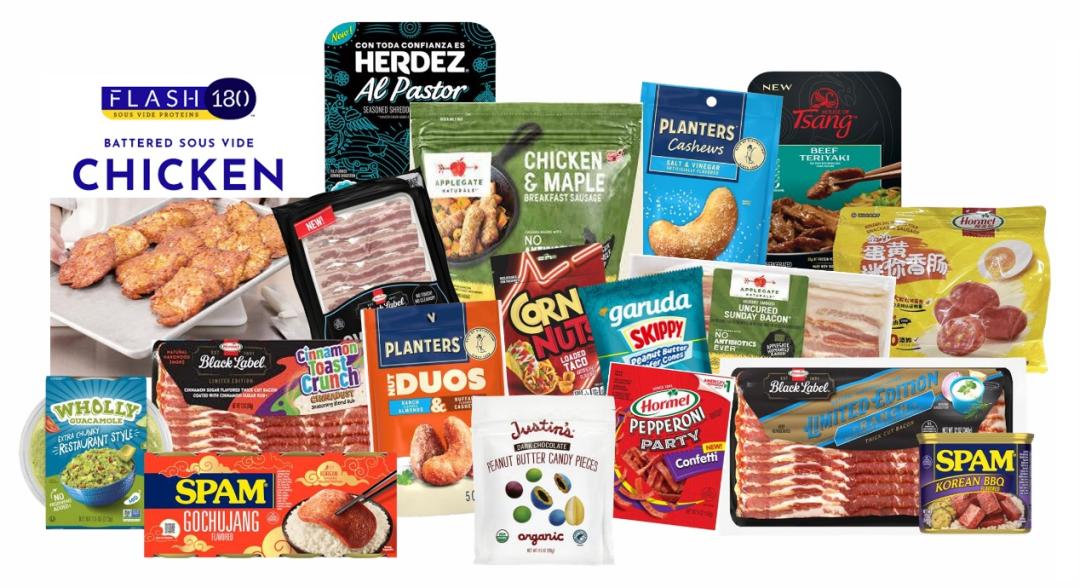
Core Insights - The Chinese luncheon meat market is projected to exceed 50 billion yuan by 2026, driven by changing consumer preferences and the rise of domestic brands [1] - Domestic brands are innovating to overcome the negative perceptions of luncheon meat as unhealthy, focusing on health trends and product quality [6][10] Market Overview - The Chinese luncheon meat industry began in 1957, with initial products primarily serving military and export purposes [6] - The market has evolved from being seen as a strategic food resource to a common emergency food, with various brands emerging in the 1980s [6] Consumer Trends - Chinese consumers have historically viewed canned foods, including luncheon meat, with skepticism, associating them with high calories and low nutritional value [1][6] - Recent trends show a shift towards healthier options, with brands reducing salt and fat content while increasing meat content to meet consumer demands [10][12] Brand Innovations - Brands are adopting three main strategies to differentiate themselves: 1. Enhancing product quality by increasing meat content and reducing salt [8][10] 2. Developing new flavors and types, such as beef and fish luncheon meat, to cater to diverse consumer tastes [11] 3. Introducing new product forms like low-temperature luncheon meat, which offers a fresher taste but requires refrigeration [12] Competitive Landscape - The market features a mix of established brands like Zhongliang Meilin and newer entrants like "Zhu Zhangmen," which focus on appealing to younger consumers through innovative marketing and packaging [15] - The influence of international brands like SPAM remains strong, with SPAM's parent company reporting significant sales in China, indicating robust demand for luncheon meat [13] Market Potential - Despite the growth potential, luncheon meat accounts for only 0.57% of total meat consumption in China, compared to 8.7% to 9.6% in the U.S. in 2016, highlighting significant room for market expansion [15]