健康餐

Search documents
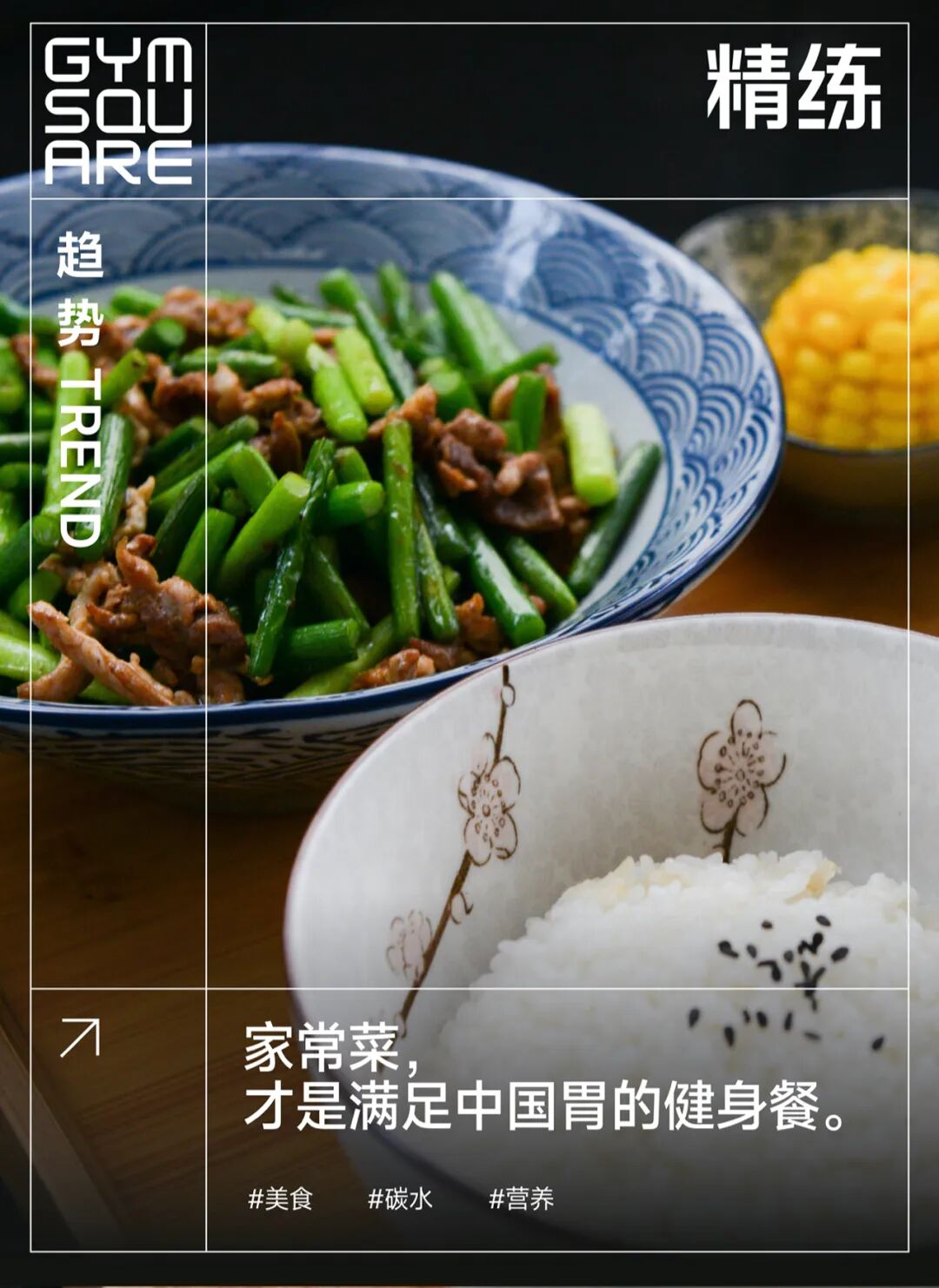
家常菜,才是满足中国胃的健康餐
3 6 Ke· 2025-12-07 02:30
Core Viewpoint - The trend in China is shifting from Western-style salads to traditional Chinese home-cooked meals, which are increasingly favored by those focused on fat loss and muscle gain [1][15]. Group 1: Market Trends - Health and food influencers on platforms like Xiaohongshu and Douyin are promoting more Chinese dishes, such as coconut chicken and Chaozhou beef hotpot, as low-calorie healthy meals [2][15]. - Chinese light meal brands like Jian Tang Jiao Shou and Gu Dao Xiang have gained popularity, achieving sales comparable to Western salads on major delivery platforms [2][15]. Group 2: Cooking Methods and Ingredients - Chinese healthy meals utilize traditional cooking methods such as steaming, mixing, and braising, with a wider variety of ingredients compared to Western options [4][11]. - Common ingredients in Chinese light meals include vegetables and various meats, allowing for a rich and flavorful dining experience that supports healthy eating [4][11]. Group 3: Nutritional Balance - The key to health is not merely calorie restriction but achieving a balanced diet, emphasizing the right proportions of protein and carbohydrates [8][19]. - Consuming traditional Chinese dishes can provide a satisfying and nutritious alternative to Western-style meals, which often lack variety [8][19]. Group 4: Psychological Aspects - Adopting home-cooked meals can help maintain a balanced mindset towards eating, reducing the risk of binge eating associated with restrictive diets [6][23]. - Familiarity with traditional flavors and cooking methods can alleviate feelings of deprivation, making it easier to adhere to a healthy eating plan [23][24]. Group 5: Industry Insights - The rise of Chinese light meal options in the market indicates a growing recognition of their health benefits, with brands like Gu Dao Xiang and He Ma introducing competitive offerings [12][14]. - The increasing availability of calorie information for Chinese dishes is helping consumers make informed choices, enhancing the appeal of home-cooked meals as a healthy option [24][26].

我国人均粮食占有量500公斤夯实根基 多元化食物供给丰富“吃好”选择
Yang Shi Wang· 2025-09-26 09:09
Group 1: Food Supply and Consumption Trends - China's per capita grain availability has reached 500 kg, with total livestock products amounting to 175 million tons, and annual production of facility vegetables exceeding 20 million tons, indicating a diversified food supply system is being rapidly established [1] - The search volume for "healthy meals" on delivery platforms has increased by 22% from January to August this year, with specific keywords like "vegetables" up by 38.6%, "whole grains," "buckwheat," and "avocado" seeing increases of 38.1%, 15.1%, and 27.6% respectively, highlighting a shift towards health-conscious eating [7][8] - Nearly 50% of office workers in Linyi, Shandong, rely on takeout for lunch, with a stable order volume exceeding 1,000 daily during lunch hours, reflecting a growing trend in meal delivery services [5] Group 2: Agricultural Supply Chain and Technology - Ningxia's cold-chain distribution center handles over 1,000 tons of vegetables daily, with a planting area of 3.03 million acres and a production of over 5.7 million tons of cold-resistant vegetables, ensuring a stable supply [12] - The use of technology in agriculture is crucial, as seen in Linyi County, Shandong, where over 1.2 million acres are dedicated to vegetable cultivation, utilizing smart greenhouses to enhance production efficiency [14] - The implementation of soilless cultivation for tomatoes has significantly increased yield, producing around 60,000 pounds per acre, which is 2 to 3 times higher than traditional methods [16]